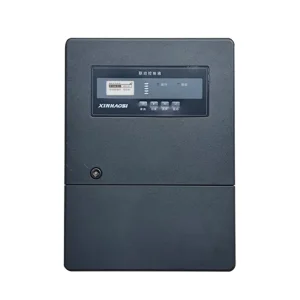
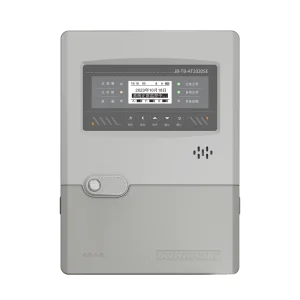
Core Hardware Configurations
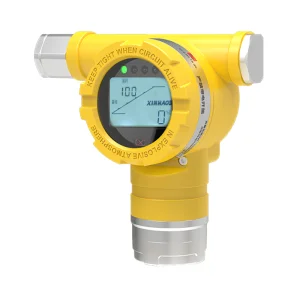

Propane (LPG), being heavier than air, rapidly pools in lower areas during a leak, creating extreme explosive hazards at relatively low concentrations. The Lower Explosive Limit (LEL) for propane is approximately 2.1% by volume. Industrial-grade and high-reliability household OEM propane gas alarms utilize advanced sensing materials to detect these gases long before they reach explosive thresholds.
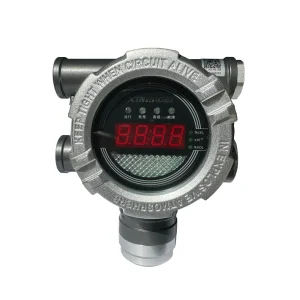
Typically, gas detector factories incorporate two main categories of sensors: Catalytic Combustion Sensors and Metal Oxide Semiconductor (MOS) Sensors. Catalytic sensors offer exceptional linearity, excellent stability against ambient temperature swings, and high resistance to humidity changes, making them the standard choice for industrial monitoring systems (such as the GTYQ-XP3000 series). On the other hand, MOS sensors provide superior sensitivity to trace gas levels, fast recovery times, and cost-effective designs optimized for smart household gas safety devices like the JT-AT2013A.
By working with a dedicated OEM factory, global enterprises gain access to customized multi-sensor chambers, where microcontrollers (MCUs) run advanced temperature-compensation algorithms to filter out potential false-alarm triggers like cooking vapors or aerosol sprays, ensuring robust operating metrics in challenging environments.

Core Brand Philosophy

Founded in 2003, Xinhaosi is one of the most influential and reliable brands in the gas safety industry. We provide customer-focused products and services to safeguard the safe operation of every factory, the comfort of every city, and the peace and happiness of every home.
Powered by cutting-edge production systems and technology, we deliver more advanced, intuitive, and precise gas safety solutions for shaping a safer future world. By translating advanced electronics into actionable safety metrics, we ensure that invisible chemical hazards are continuously analyzed, mapped, and mitigated in real-time.
Our core mission revolves around continuous design innovation, manufacturing scaling, and global integration. Whether through robust explosion-proof transmitters for hazardous chemical zones or discrete smart alarms for contemporary living spaces, we stand as a premier manufacturing partner.
Global Access Compliance

Leveraging industrial robotics and clean-room SMT processing lanes, we execute full-cycle quality controls. From incoming components through to sensor aging chambers, automatic gas calibration tables, and final functional verification, our facilities ensure that every unit meets strict performance criteria before dispatching.
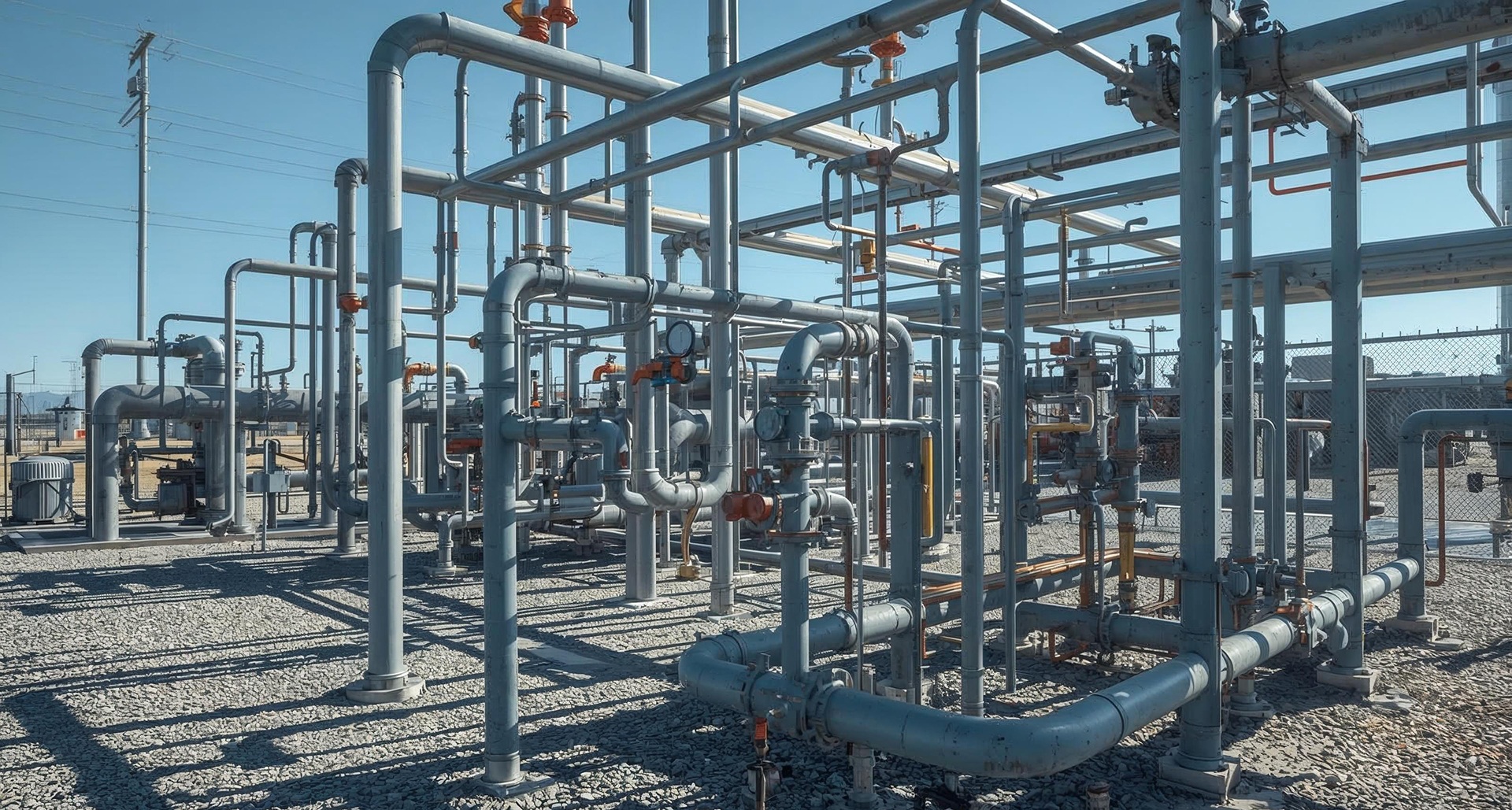
Procuring propane gas alarms from Chinese manufacturing hubs provides unparalleled supply chain resilience and cost efficiency. With extensive clusters of upstream raw component vendors—ranging from high-purity ceramic sensor bases to premium signal processors and specialized plastic enclosures—our production timelines are drastically minimized.
Scalability & Vertical Integration: Our factories handle everything in-house: tooling, high-precision plastic injection molding, automated surface mount technology (SMT) for circuit boards, sensor calibration, and final packaging. This integration ensures that lead times for high-volume wholesale orders (often exceeding 50,000 units per batch) remain stable, regardless of shifting global component supply conditions.
Cost Efficiencies and Customization Flexibility: Through long-standing partnerships with logistics conglomerates and specialized component fabricators, we successfully drive down the unit cost without sacrificing quality control metrics. B2B buyers can request custom firmware configurations, tailored enclosure colors, custom-designed wire harnesses, and targeted packaging options with minimal tooling fees and highly competitive Minimum Order Quantities (MOQs).
Modern safety demands go beyond simple standalone alarm buzzers. Global distributors require integrated IoT and communication modules to link their hardware to building automation packages. Xinhaosi caters directly to these specialized requirements.
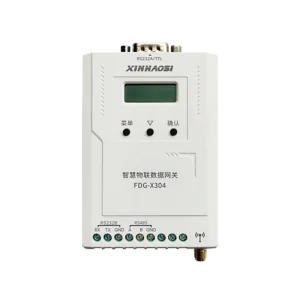
Our core engineering platforms support multiple wireless communications protocols including NB-IoT, LoRaWAN, Zigbee, and standard Wi-Fi. This allows propane alarms to upload real-time concentration metrics, sensor health indicators, and system faults to cloud dashboards or municipal smart city backbones.
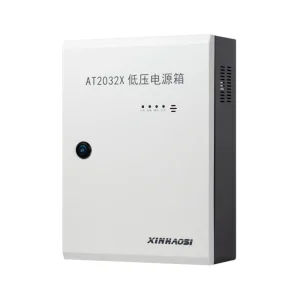
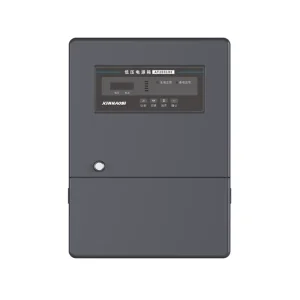
Additionally, we supply integrated output mechanisms. Our systems connect with low-voltage power boxes (e.g., AT2031XE or AT2032X) and automatic gas solenoid valves (e.g., CT-XF5 series). Upon detecting a propane leak, the alarm immediately sends a pulse to the solenoid valve, shutting down the main gas line automatically without needing human intervention.
System Integrations
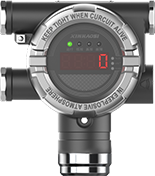
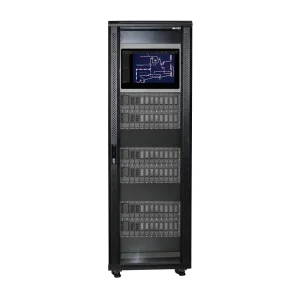
Detection Systems from Precision Sensing.
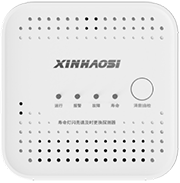
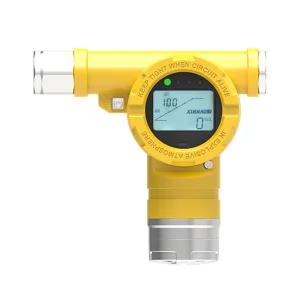
Gas Detectors for Everyday Safety and Continuous Monitoring.
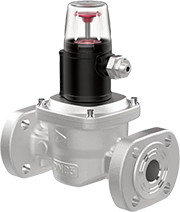
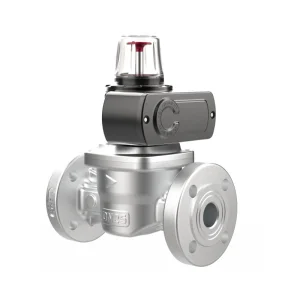
Gas Solenoid Valves. Protecting from the Source.
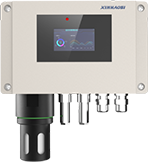
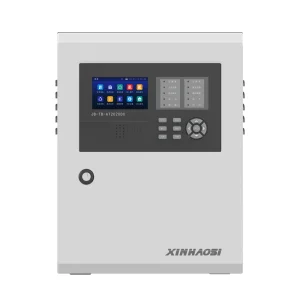
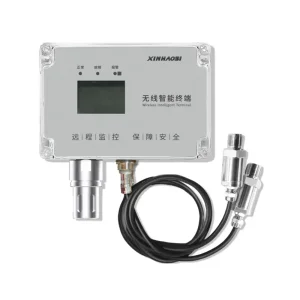
Distribution & Monitoring. Smart Sensing for Urban Pipelines.
B2B gas safety equipment buyers usually focus on minimizing the total cost of ownership (TCO) while ensuring zero-liability equipment quality. Standard procurement frameworks focus heavily on three critical areas:
Propane applications vary widely across global markets, requiring diverse alarm configurations:
Approved Vendor Status
























Industry & Corporate Updates
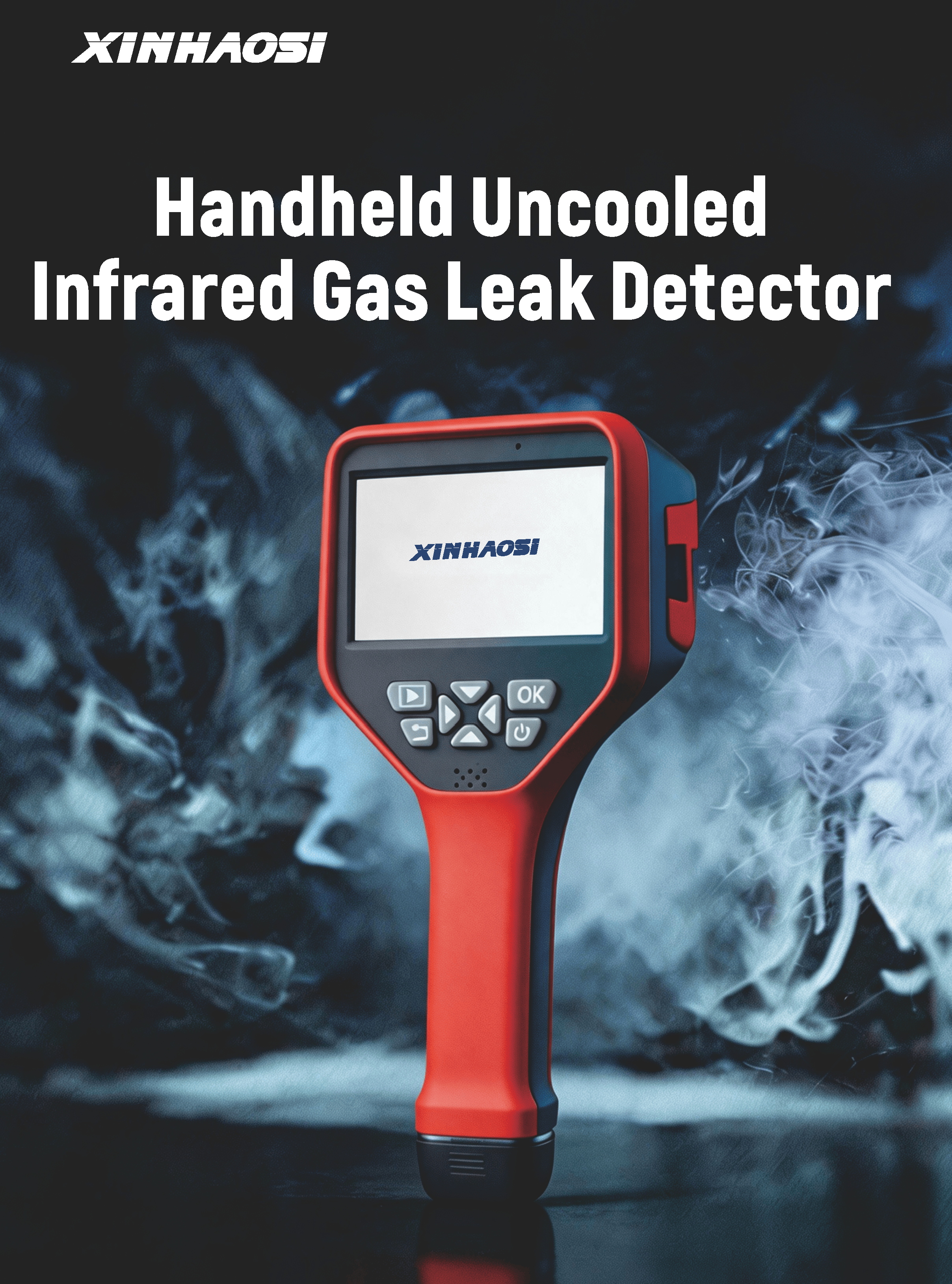
Xinhaosi Electronic Detection Technology Co., Ltd. officially launched its new Handheld Uncooled Infrared Gas Leak Detector, featuring dual-technology fusion, ultra-fast response, and long-distance non-contact detection to enhance safety and efficiency in petrochemical, refrigeration, natural gas and industrial safety scenarios.
Read Press Release →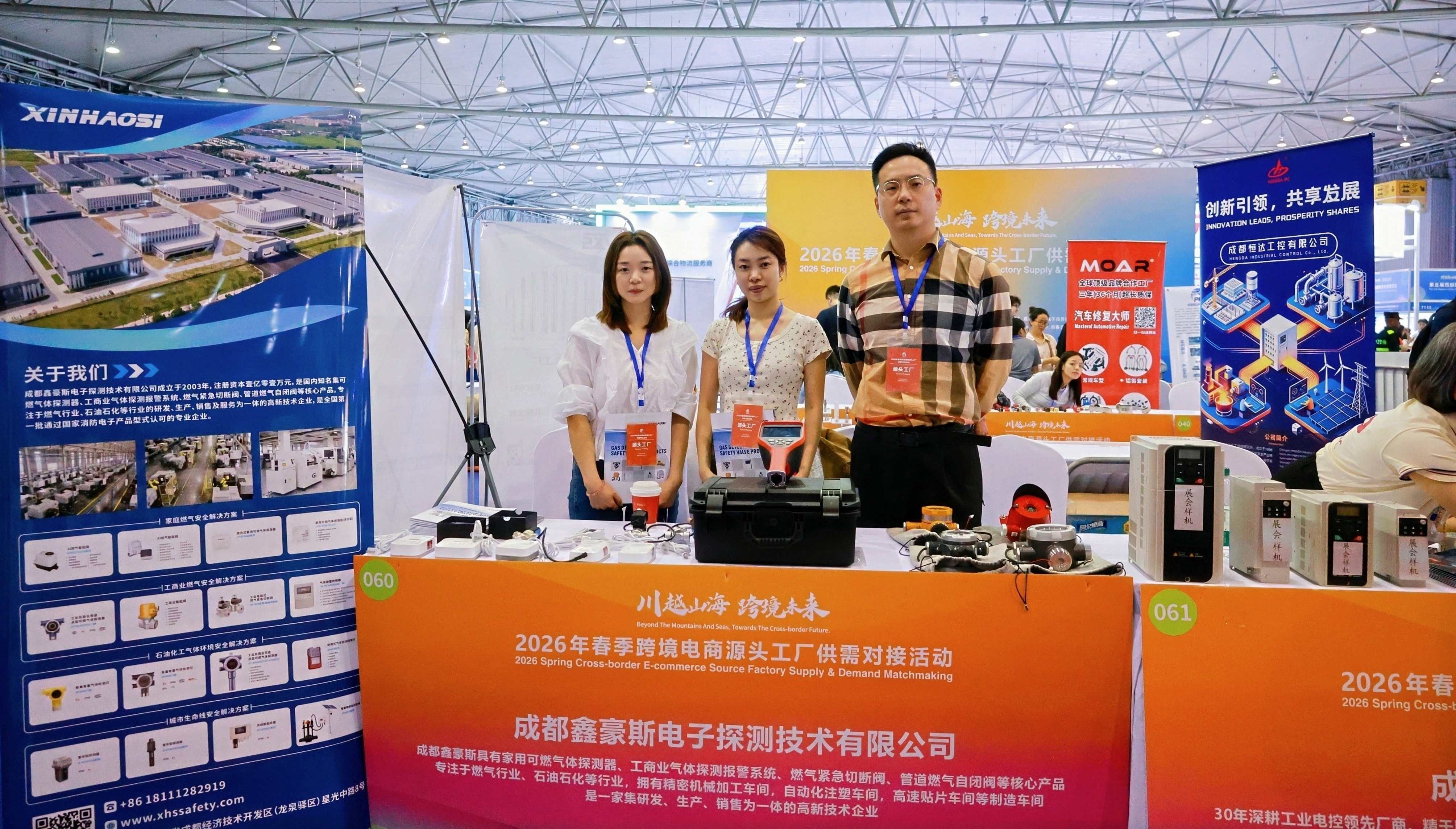
XINHAOSI recently participated in the 5th Western China Cross-Border E-Commerce Expo held in Chengdu. The event brought together cross-border e-commerce platforms, global buyers, manufacturers, and supply chain companies, creating new opportunities for international business cooperation and overseas market development.
Read Press Release →
XINHAOSI recently participated in the 2026 Sichuan (Chengdu) – Indonesia Industry Matchmaking Conference held in Chengdu. The event gathered enterprises and industry representatives from China and Indonesia to strengthen industrial cooperation and explore new business opportunities in Southeast Asia.
Read Press Release →Frequently Asked Questions
Unlike methane (natural gas), which is lighter than air and rises, propane (LPG) is heavier than air. It settles at the lowest point of a room. Therefore, propane gas alarms must be installed low to the floor, typically within 12 inches (30 cm) of the ground, and within 10 feet (3 meters) of the gas appliance or storage cylinder. Avoid placing detectors directly adjacent to vents, doors, or sources of draft, as air movement can disperse the gas and delay detection.
Generally, domestic semiconductor sensors last between 5 and 7 years under optimal conditions before replacement is required. Industrial catalytic combustion sensors, which are subject to regular exposure to varying environments, usually require replacement or rebuilding every 3 to 5 years. Standard calibration routines should be carried out every 6 to 12 months using specialized test gas canisters to verify accuracy.
Commercial kitchens contain various potential interferents, such as water vapor, cleaning chemicals, alcohol, and cooking fats. We address this by utilizing multi-layered micro-porous membrane filters over the sensor chambers, combined with advanced microcontroller algorithm filtering. This system measures the rate of gas concentration increase, distinguishing sudden exposure to cooking vapors from gradual or steady leaks.
We provide comprehensive OEM/ODM solutions. This includes custom plastic enclosures (housing shapes, branding, logo prints, color schemes), customized hardware architectures (integrating relay options, RS485 communication, LoRa/NB-IoT modules), customized software settings (tailoring alarm set points, startup sequences, failure indications), and fully customized packaging layouts with your brand guidelines.
Many of our alarms and controllers feature built-in output relays. Upon detecting a gas concentration that crosses the pre-programmed alarm threshold (typically 10% LEL), the detector closes a circuit that sends a brief DC power pulse to a solenoid shut-off valve (such as the CT-XF5 series). The valve immediately drops a heavy brass block to stop the gas flow, requiring manual reset once the area is verified clear.
Safety Control Systems