1. Paris Local Commercial and Industrial Landscape
The industrial and commercial sectors in Paris and the broader Île-de-France region are undergoing a profound digital and environmental transformation. The Grand Paris project, combined with smart city modernization initiatives, has driven unprecedented demand for high-reliability electrical hardware and safety command units. In regions stretching from the manufacturing zones in Seine-et-Marne to the automated distribution centers in Val-d'Oise, auxiliary safety and low-voltage control systems are the foundational components ensuring operational resilience. These sites require safety controls that integrate seamlessly into modern SCADA architectures while fulfilling strict European Union directives regarding energy efficiency and hazardous site management.
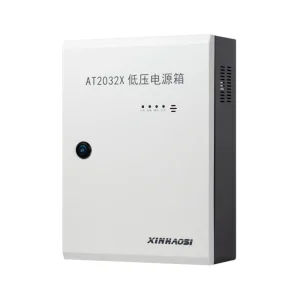
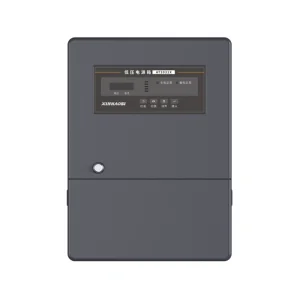
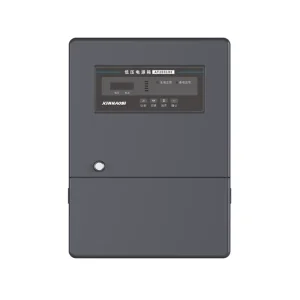
Furthermore, local metropolitan networks require sophisticated telemetry infrastructure to monitor public utility distribution. In historical and densely populated Parisian neighborhoods, upgrading distribution grids without excessive spatial footprint requires compact, highly modular low-voltage power boxes. Industrial plants located in the outskirts of Paris rely heavily on robust interlock control networks to protect field technicians, safeguard high-value processes, and maintain absolute compliance with local safety authorities.
2. Global Enterprise Procurement Trends
Global procurement teams targeting European corridors operate under demanding criteria focused on risk mitigation, supply chain sustainability, and total cost of ownership (TCO). When selecting OEM factories for auxiliary equipment, modern procurers look beyond unit costs. The key indicators of high-performing supply channels include:
- Standardized Technical Interoperability: Ensuring modules deploy seamlessly alongside standard European PLCs (e.g., Siemens, Schneider, ABB) using standard Modbus or PROFINET interfaces.
- Traceable Safety Certificates: Demanding verifiable test data for ATEX Directive 2014/34/EU and CE certifications before dispatch.
- Localized Quality Support: Expecting rapid technical documentation, reliable engineering revisions, and robust support channels for deployment.
3. Macro Industry Solutions: Gas Safety & Control
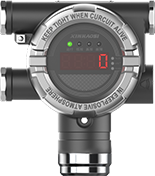
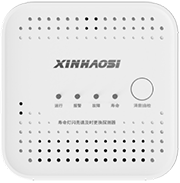
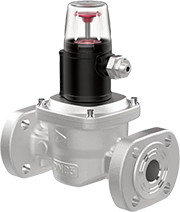
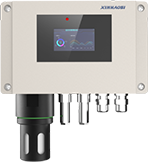
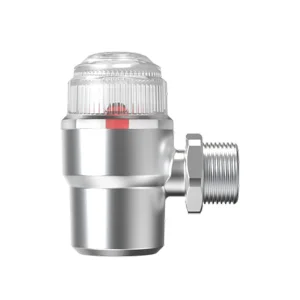
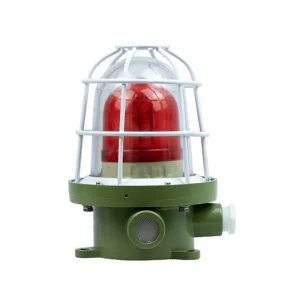
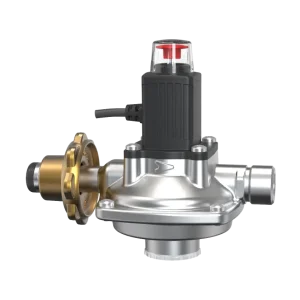
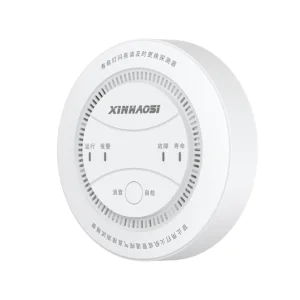
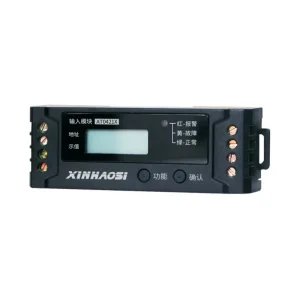
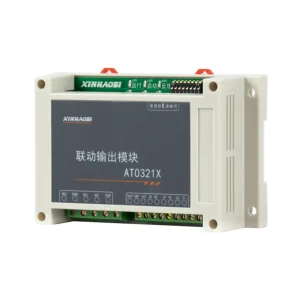
Modern industrial facilities demand comprehensive safety systems that prevent accidents at the source. Implementing a robust defense-in-depth layout requires combining low-voltage power management, smart signal inputs/outputs, safety interlocks, and gas monitoring terminals. For instance, in chemical facilities or district heating networks serving Paris, our auxiliary systems link gas-safe detection arrays directly to isolated control hubs. When a sensor detects volatile concentrations, the signal input device routes the fault code to an interlock control box. This box immediately activates standalone explosion-proof light and sound alarms while triggering solenoid valves to shut down fuel lines—protecting workers and property in milliseconds.
4. Technical Roadmap & Future Outlook
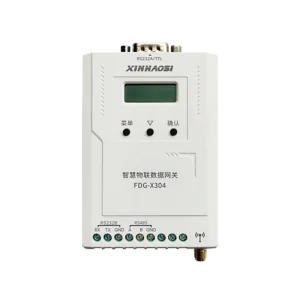
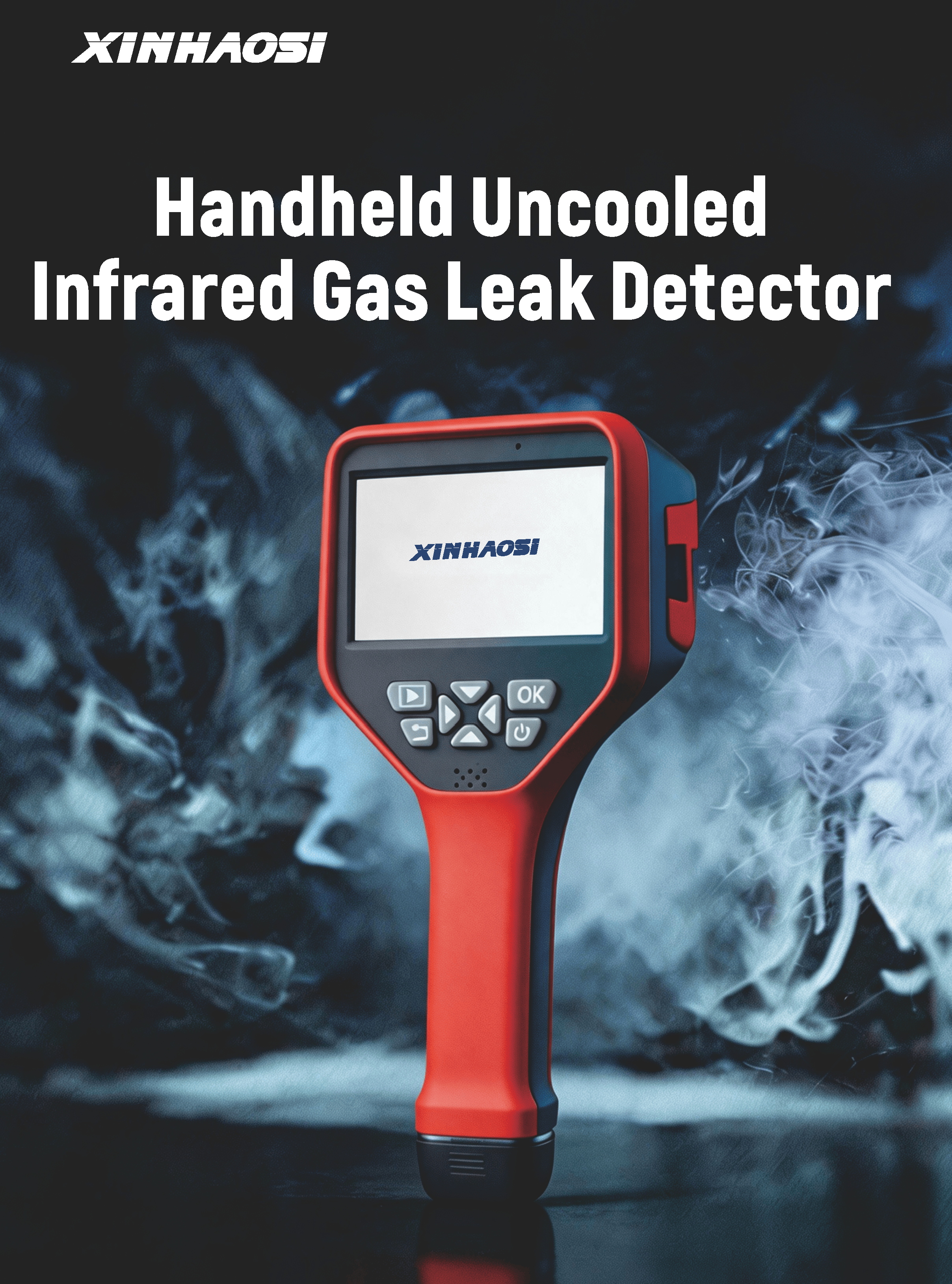
The engineering roadmap of auxiliary safety equipment is evolving rapidly toward edge intelligence and predictive diagnostic architectures. In the near future, standard low-voltage boxes and signal units will do more than route power and binary states. By integrating IoT gateways with embedded edge processing, tomorrow’s systems will continually evaluate internal terminal temperatures, contact wear, and network latency. This shifts maintenance models from preventative to predictive. Furthermore, our focus on infrared and uncooled gas-sensing innovations ensures that upcoming generations of detection systems will locate leak signatures with pinpoint visual accuracy, establishing a new global benchmark for industrial workplace safety.
5. Localization Support and European Regulatory Compliance
Operating within France and the European Union requires absolute alignment with complex regulatory frameworks. Products deployed in Parisian commercial projects must meet stringent requirements, including CE markings, French national standards (NF), and applicable EN directives. For installations in hazardous environments, compliance with the ATEX Directive is non-negotiable. Our manufacturing processes utilize rigorous automated optical inspection (AOI) and comprehensive functional testing protocols to guarantee that every auxiliary box, interlock hub, and visual alarm station leaves our production line fully optimized for EU grid standards and ready for immediate deployment by local integration specialists.