Engineered for high accuracy and continuous monitoring in hazardous gas detection environments.
As the undisputed "Energy Capital of the World," the Houston metropolitan area—encompassing the vast Houston Ship Channel, Pasadena, Baytown, Freeport, and the surrounding Gulf Coast petrochemical corridor—houses one of the world's most dense concentrations of oil refining, chemical processing, and terminal logistics infrastructure. Within these severe industrial environments, managing the risks of combustible, toxic, and asphyxiating gases is not merely a regulatory box to check; it is a fundamental pillar of operational continuity and life safety. This is where advanced gas detector controllers serve as the mission-critical nervous system of industrial plants.
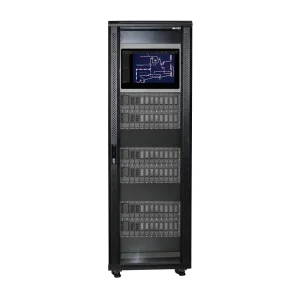
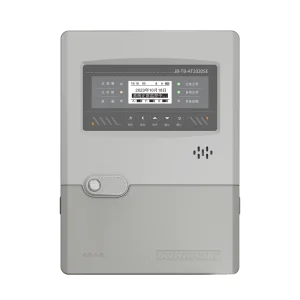
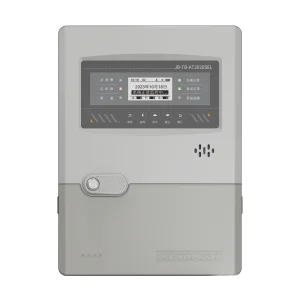
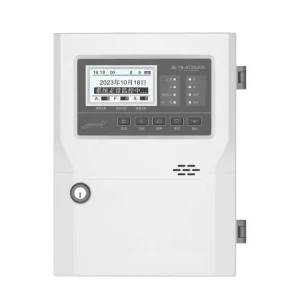
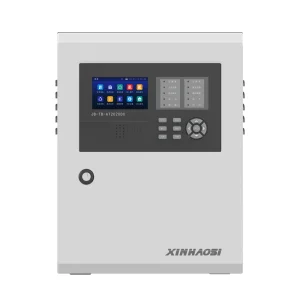
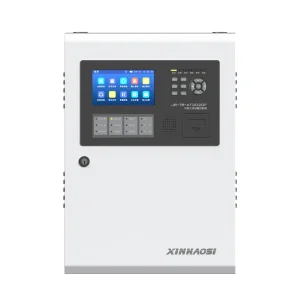
In midstream gas compression, downstream hydrocarbon processing, and commercial gas distribution, a gas detector controller acts as the central command node. It continuously aggregates inputs from remote gas detectors, executes complex alarm voting logic, drives audible and visual signaling systems, and coordinates automated emergency shutdown protocols (such as isolating line valves and activating ventilation fans). Without an ultra-reliable, fast-responding controller, field sensors cannot execute the coordinated protective actions needed to prevent catastrophic thermal runaways or vapor cloud explosions.
Managing ambient vapors of benzene, ethylene, and methane in hazardous refinery units. Our controllers consolidate RS485 Modbus RTU and 4-20mA signals to trigger automated deluge and dry chemical suppression networks.
Harsh offshore drilling, salt spray environments, and ship loading hubs along the Gulf. Resilient corrosion-proof enclosures and high-reliability controllers guard against rapid accumulation of toxic hydrogen sulfide (H₂S).
Underground shafts, utility tunnels, and urban gas distribution grids. Multi-channel wall-mounted controllers monitor sub-surface combustible levels to prevent high-consequence pipeline ruptures.
We utilize advanced electronic detection technology to make unknown gas leak risks clear and visible.

Founded in 2003, Xinhaosi is one of the most influential and reliable brands in the gas safety industry. We provide customer-focused products and services to safeguard the safe operation of every factory, the comfort of every city, the peace and happiness of every home.

Safety First from Precision Sensing
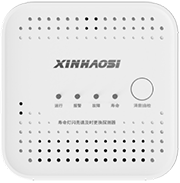
Home Safety from Gas Monitoring
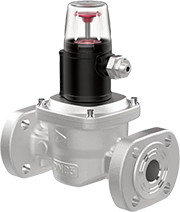
Protecting from the Source
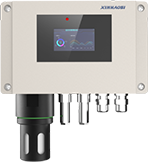
Smart Sensing for Urban Gas

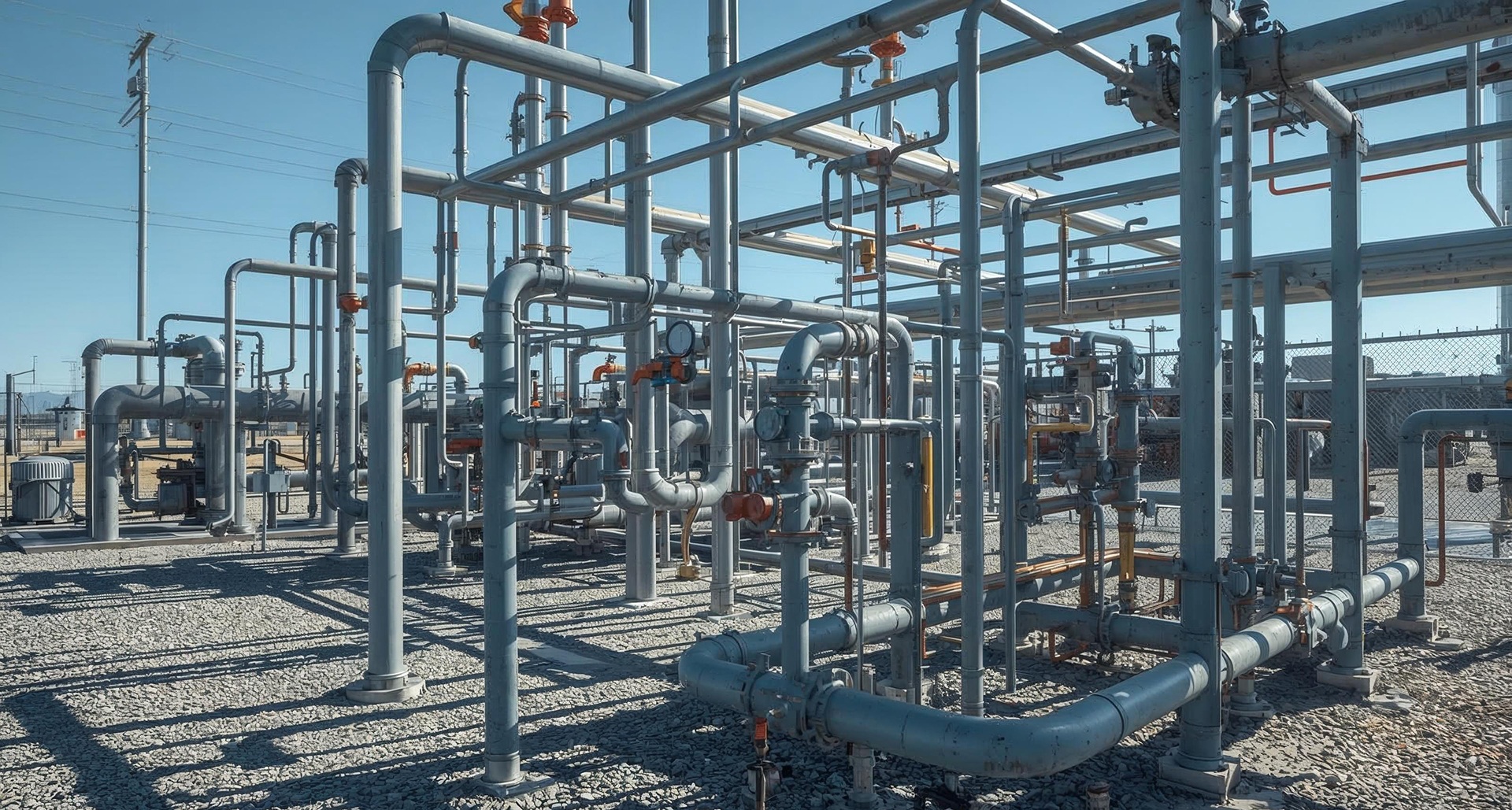
The industrial safety market is undergoing a rapid evolution. The traditional architecture of gas safety—relying on basic analog loop transmission to isolated relay boards—is being replaced by intelligent, network-integrated system topologies. The gas safety platforms engineered by modern OEM manufacturers represent this paradigm shift, driving efficiency and safety along the following key dimensions:
"The future of industrial safety lies in predictive sensor intelligence. Integrating edge computing directly into gas detector controllers enables plants to identify potential leaks before gas concentrations cross lower flammability levels."
While classic 4-20mA analog loops are robust, they restrict data communication to a single variable and require significant wiring budgets. Modern gas detector controllers utilize RS485 Modbus RTU, and ethernet protocols, enabling a single bus line to monitor dozens of transmitters simultaneously. This bus design reduces material costs, reduces field terminations, and unlocks extensive diagnostic telemetry—including sensor calibration drift, temperature metrics, and internal hardware faults.
To mitigate the costly operational impacts of false trips, advanced controllers support complex voting systems (e.g., 2oo3 - two out of three voting systems). When multiple gas detectors monitor the same physical space, the controller only initiates plant shutdown if two or more sensors confirm a threshold breach. This ensures zero operational downtime from a single malfunctioning sensor while maintaining uncompromising protection.
Xinhaosi's development roadmap integrates local safety controllers with centralized SCADA systems and cloud-based environmental monitoring dashboards. This allows environmental safety managers in regional Houston headquarters to track the atmospheric health of unmanned remote operations in real-time, executing preventive maintenance schedules based on historical sensor deterioration data.
For industrial distributors and EPC contractors serving the Gulf Coast region, procurement scheduling, cost efficiency, and manufacturing scalability are critical requirements. Sourcing gas detection systems from established OEM centers like Chengdu, China, delivers several key advantages:
In a volatile global market, maintaining direct relationships with a robust, large-scale manufacturer like Xinhaosi provides procurement stability, helping Houston safety distributors and system integrators secure strong margins and meet strict project schedules.
Operating gas safety systems in Texas requires strict adherence to regulatory bodies and technical codes. Safety managers must comply with OSHA 1910.119 Process Safety Management (PSM), NFPA 72 (National Fire Alarm and Signaling Code), and ISA-12.12.01 requirements for hazardous locations. Our supply and integration services are optimized to assist in satisfying these demanding guidelines:
Classifications and Hazardous Zones: Our systems support installations across Class I, Division 1 and Division 2 environments, utilizing explosion-proof junction boxes and intrinsically safe circuits. By coupling flameproof enclosures with certified barriers, our controllers ensure high spark-mitigation safety in combustible atmospheres.
Localized Engineering Support: From system commissioning assistance to relay programming and field-calibration protocol advisory, we connect Houston engineers with deep-tier technical expertise. Our documentation covers registers maps, electrical loop drawings, and step-by-step troubleshooting instructions to ensure seamless installation by local electrical contractors.
Technical answers to common questions about industrial gas detector controllers and installation standards.
A bus-type gas detector controller (typically utilizing RS485 Modbus) links multiple transmitters in series on a single cable run, significantly reducing installation and cabling expenses. It also transmits complex data including diagnostic warnings, sensor health status, and calibration drift. A 4-20mA controller uses dedicated point-to-point analog wiring for each transmitter, returning only a simple raw current value representing the gas concentration.
Yes, our industrial gas controllers and transmitters are designed to comply with international explosion-proof standards, and we offer product variations that carry ATEX, IECEx, and China GB certifications, with engineering designs suitable for Class I, Division 2 / Zone 2 environments. Contact our sales department to discuss the specific certifications required for your Houston site.
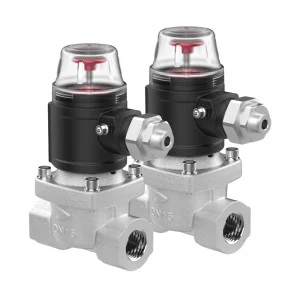
The controller houses dry-contact relay outputs programmed to trip when gas concentrations exceed a specific alarm limit (e.g., High-High Alarm at 50% LEL). These relays switch power to industrial gas solenoid valves (such as the XF3III Series), instantly venting pneumatic pressure or triggering electric solenoids to shut off the gas flow at the storage tank or intake manifold.
Under normal operating conditions, we recommend calibrating electrochemical and catalytic-bead transmitters every 3 to 6 months. High-performance infrared (IR) detectors are more stable and can extend calibration intervals to 12 months. Routine functional tests (bump testing) should be performed monthly to ensure fast sensor response.
Providing components and systems for leading industrial gas operations worldwide.
























Stay updated on the latest hardware releases and safety initiatives from Xinhaosi.
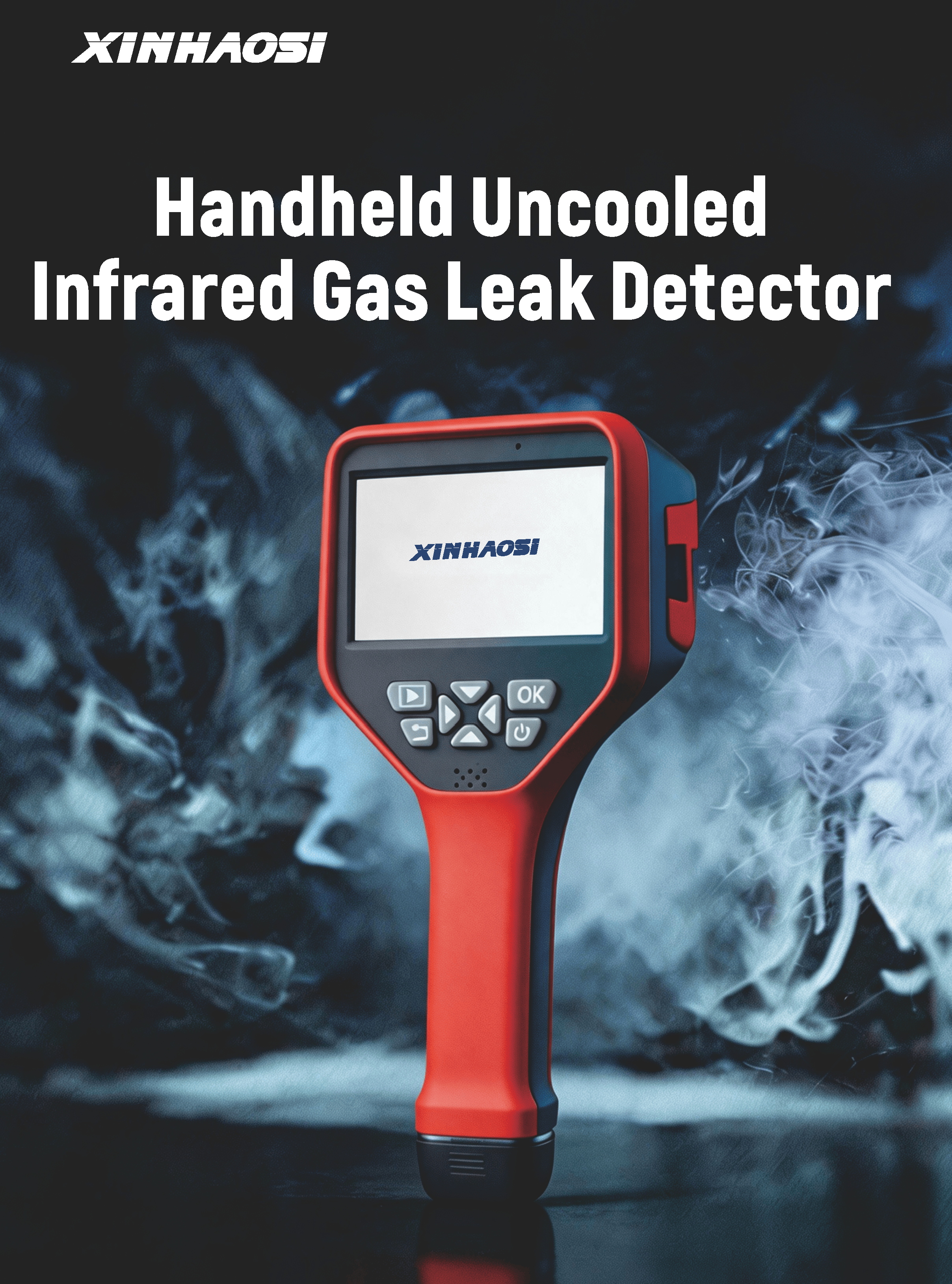
Introducing our new Handheld Uncooled Infrared Gas Leak Detector, featuring dual-technology fusion, ultra-fast response, and long-distance non-contact detection to enhance safety and efficiency in petrochemical, refrigeration, and natural gas systems.
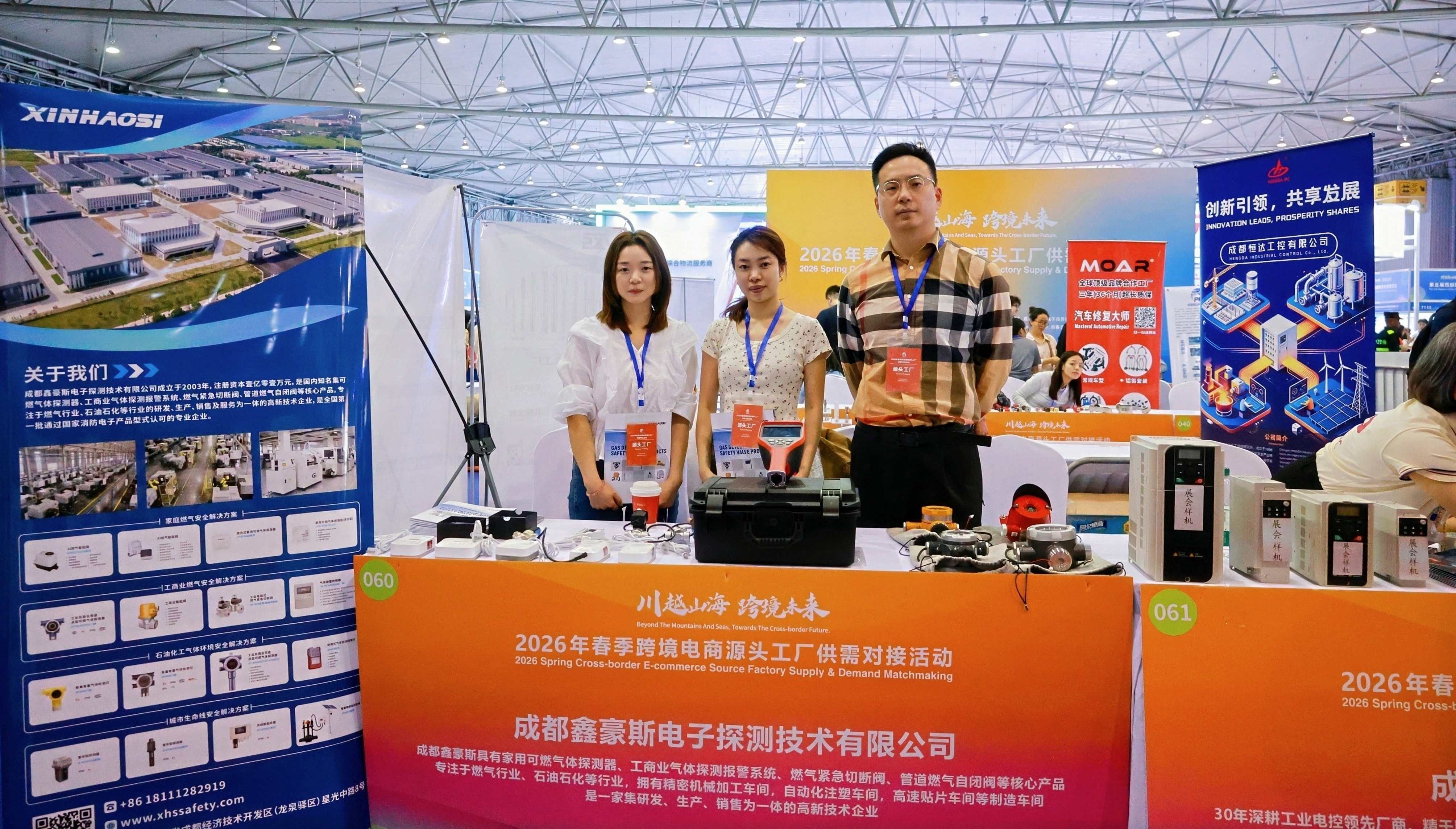
XINHAOSI participated in the 5th Western China Cross-Border E-Commerce Expo held in Chengdu, creating new opportunities for international business cooperation and overseas market development with global buyers and engineering contractors.

XINHAOSI participated in the 2026 Sichuan (Chengdu) - Indonesia Industry Matchmaking Conference, strengthening industrial cooperation and safety infrastructure deployment in international markets.
A comprehensive collection of gas detector controllers, flame sensors, and safety valves serving the Houston industrial sector.