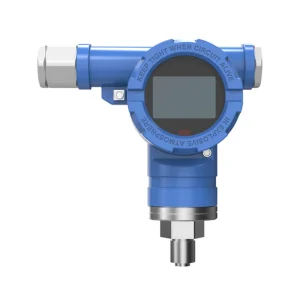

Optimized sensing systems engineered to operate within the specific pressure limits and safety profiles of CDMX's urban networks.
Mexico City (CDMX) sits at an average altitude of 2,240 meters above sea level and is characterized by a high-seismic environment (Zone III lacustrine clay beds). These physical conditions create complex challenges for urban gas distribution systems. High altitude directly impacts the density and combustion patterns of natural gas and LPG, requiring precise sensor adjustments and pressure regulations. Furthermore, the region's frequent seismic micro-movements exert continuous mechanical stress on buried pipeline infrastructure, heightening the risk of micro-cracks and gas leaks.
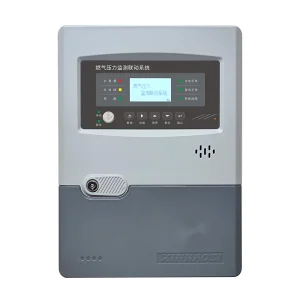
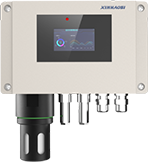
Implementing modern municipal gas monitoring requires advanced technology that goes beyond standard safety measures. Operators must install explosion-proof pressure transmitters and underground gas sensors to quickly detect leaks in confined spaces like utility shafts. By monitoring gas density changes in real-time, municipalities can prevent hazardous gas accumulations, protecting both the city's inhabitants and its historical infrastructure.
From an operational standpoint, this demands robust sensors capable of operating continuously under changing underground humidity levels, combined with remote transmission hardware that can penetrate heavy concrete pavements to deliver crucial safety data to central control stations.
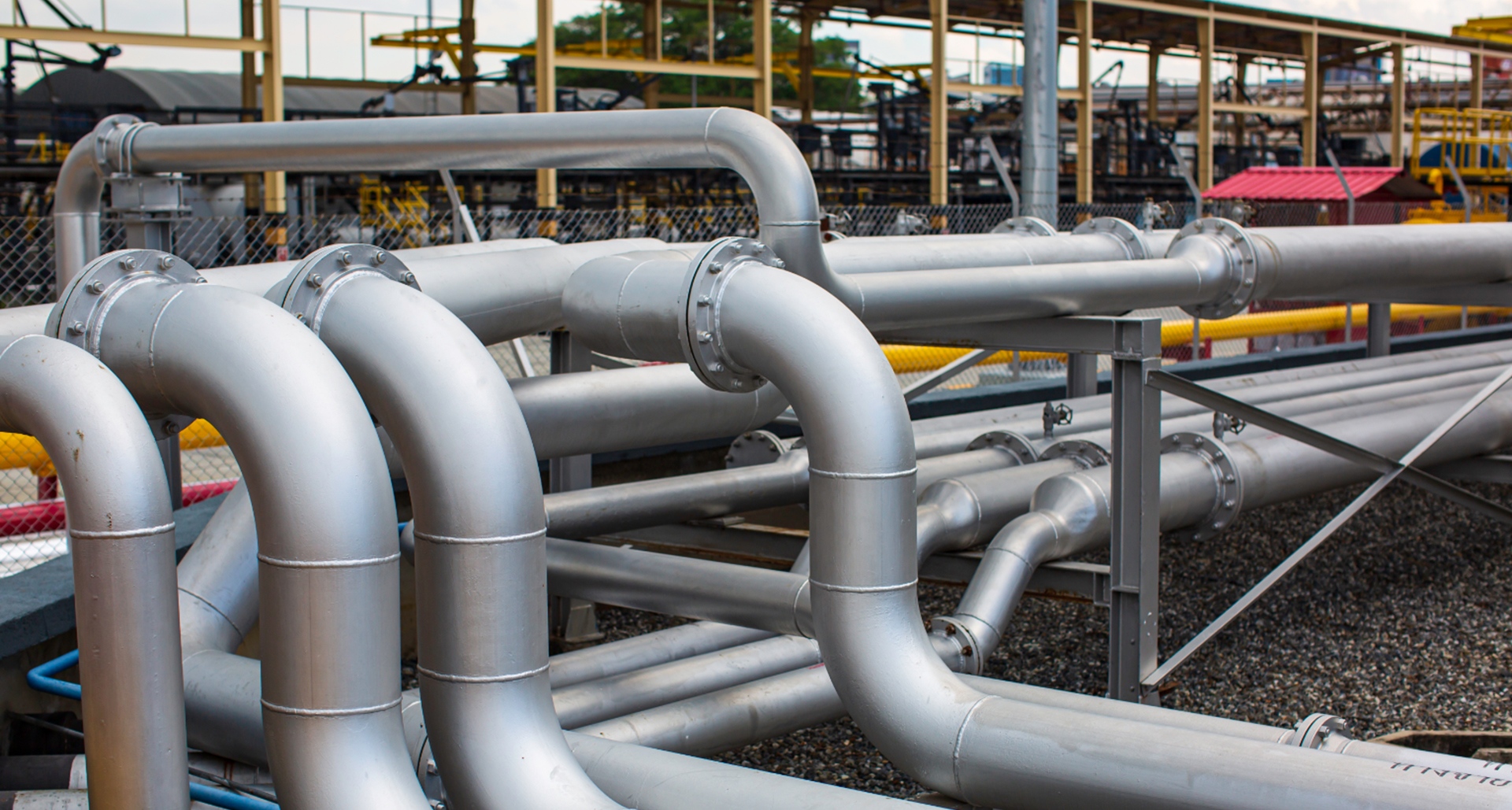
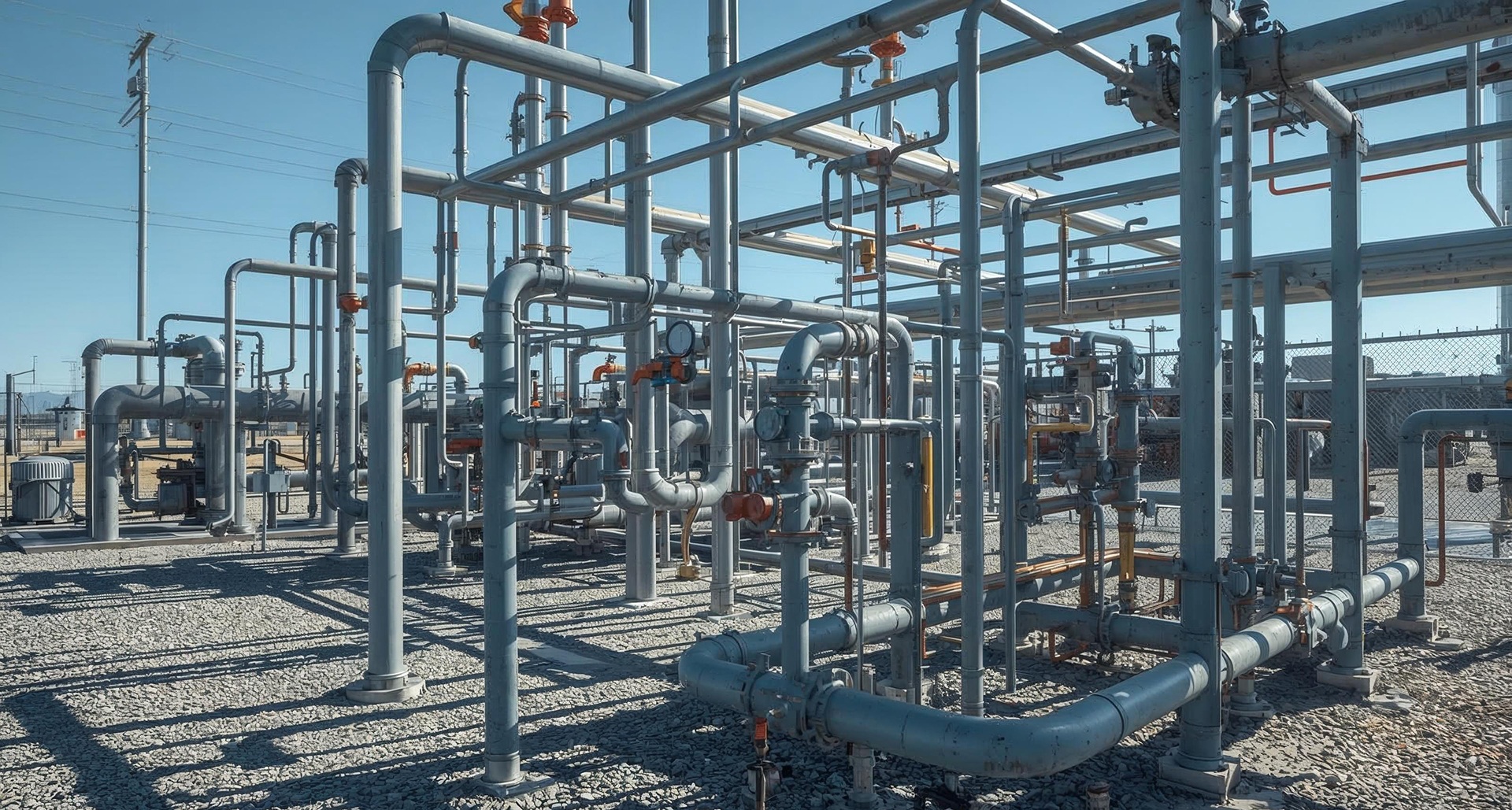
From high-pressure industrial lines to municipal networks, we design safety systems that address gas hazards at the source.

Why municipal gas projects in Latin America trust our advanced industrial manufacturing model.
By leveraging integrated industrial clusters, we manage the entire production cycle from SMT board assembly to environmental testing chambers. This enables us to provide cost-effective solutions for large infrastructure bids without sacrificing engineering standards.
Our safety equipment is designed to align with Mexican regulatory requirements. We verify that our devices meet the pressure thresholds, explosion-proof classifications, and communication parameters mandated by NOM-002-SECRE-2010 and related standards.
Our monitoring devices support modern protocols like Modbus RTU, 4G, NB-IoT, and LoRaWAN. This allows local utilities in CDMX to connect them directly to their existing SCADA platforms, preventing vendor lock-in.
Future Ready Gas Safety Platform
Founded in 2003, Xinhaosi has grown into one of the most reliable and influential brands in the gas safety industry. We provide specialized safety solutions that protect factories, residential neighborhoods, and municipal distribution networks. Leveraging advanced production lines and sensor research, we design intuitive gas safety systems built to address next-generation infrastructure challenges.
Request Technical Partnership

We use advanced electronic detection technology to identify and visualize gas leak risks before they turn into critical incidents.
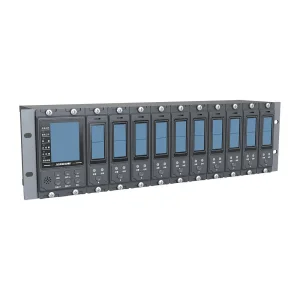
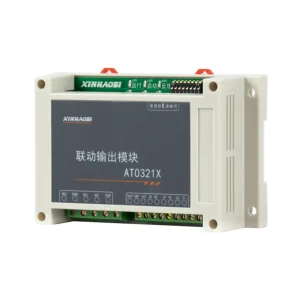
Industrial-grade controllers and detection terminals designed to centralize and automate safety responses.
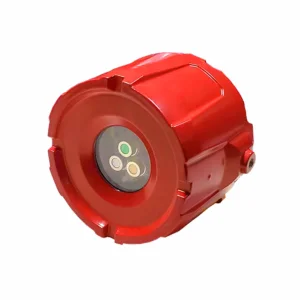
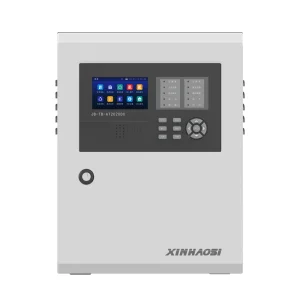
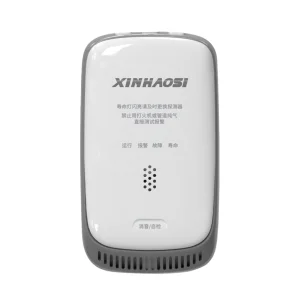
Procurement managers evaluating gas monitoring systems for Latin American markets should prioritize key technical features:
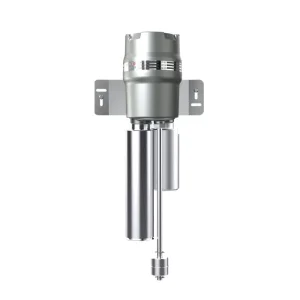
Subterranean utility vaults (or pozos de visita) in Mexico City present a challenging monitoring environment. Because natural gas is lighter than air, it rises and can trap itself in unventilated underground spaces. Conversely, heavier gases like LPG can settle at the bottom of these chambers. Effective municipal gas monitoring plans must include sensors placed at different heights within the vault to ensure early detection.
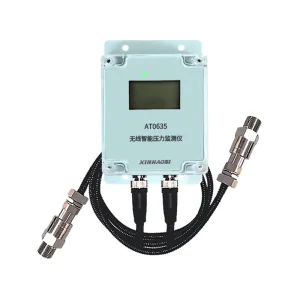
Engineers must balance low power requirements with continuous monitoring when selecting safety equipment. Our wireless smart pressure monitors use low-power microcontrollers and optimized sleep-wake algorithms, enabling battery-powered operation for up to two years. These devices measure absolute or gauge pressure directly at the pipe elbow and transmit real-time telemetry back to municipal teams, minimizing the need for manual site inspections.
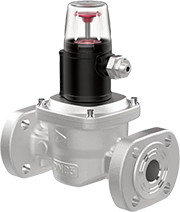
Additionally, including fast-acting solenoid shut-off valves in the design provides automatic risk containment. If a pressure drop or methane build-up is detected, the central controller automatically triggers the shut-off valve, isolating the affected pipe segment and preventing further leak escalation.
Heavy-duty hardware designed to withstand pressure fluctuations and environmental stress in Latin American urban distribution lines.
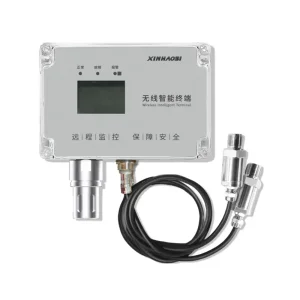
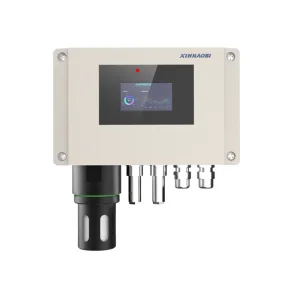

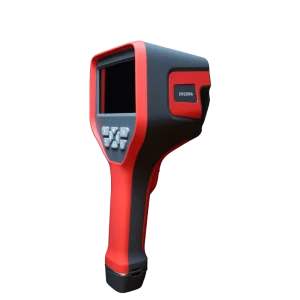
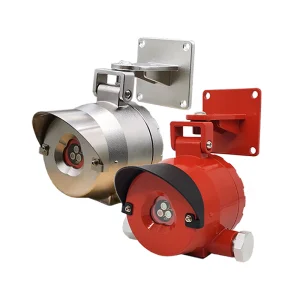
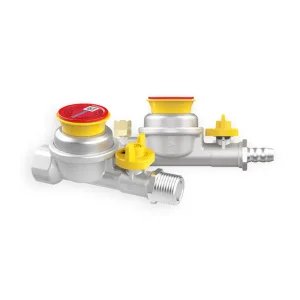
We work closely with global EPC contractors, municipal utilities, and gas suppliers to install safe, reliable monitoring systems.
























Follow Xinhaosi's latest industry developments, exhibition news, and product innovations.
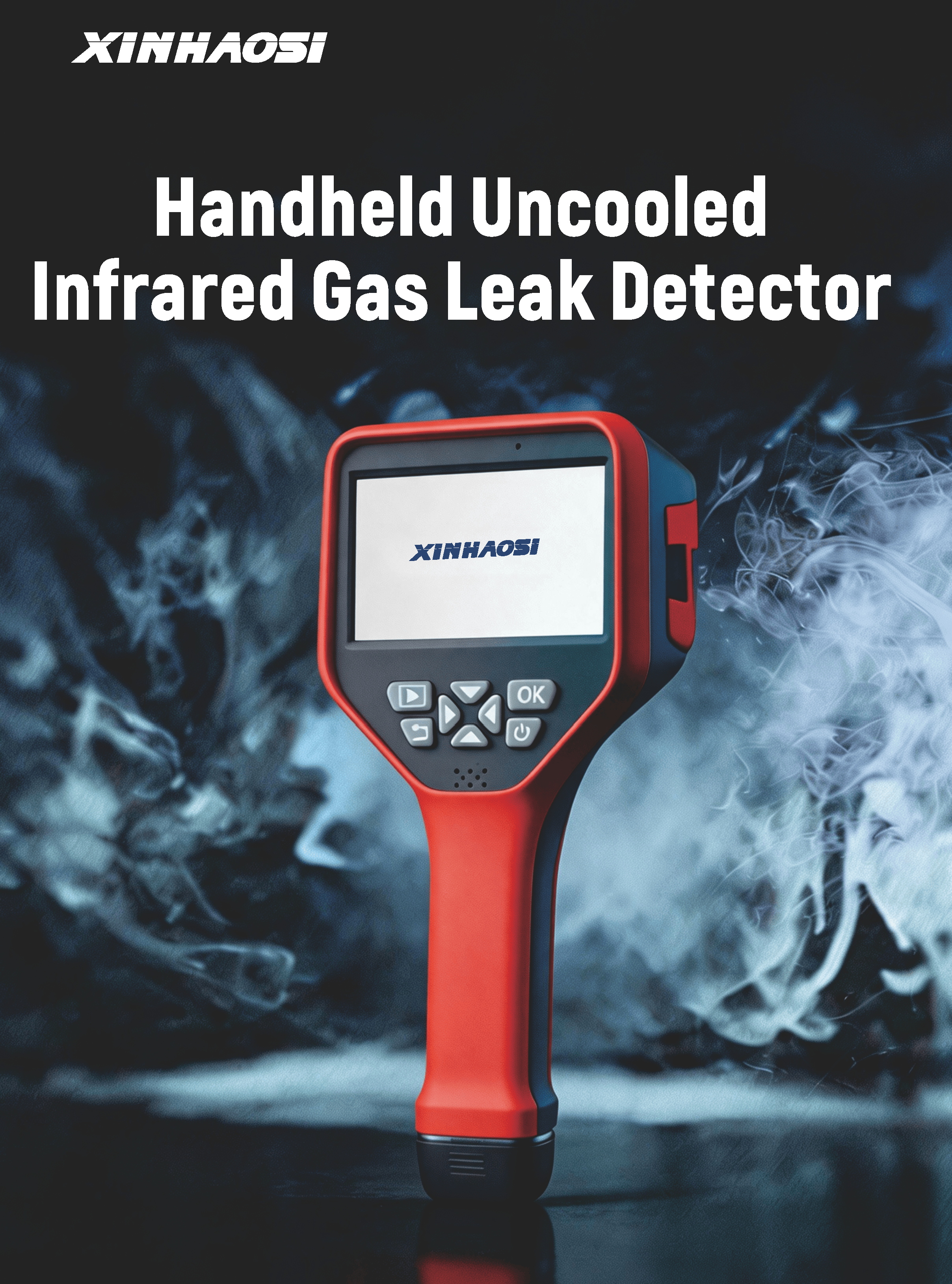
Xinhaosi Electronic Detection Technology Co., Ltd. officially launched its new Handheld Uncooled Infrared Gas Leak Detector, featuring dual-technology fusion, ultra-fast response, and long-distance non-contact detection...
Read Details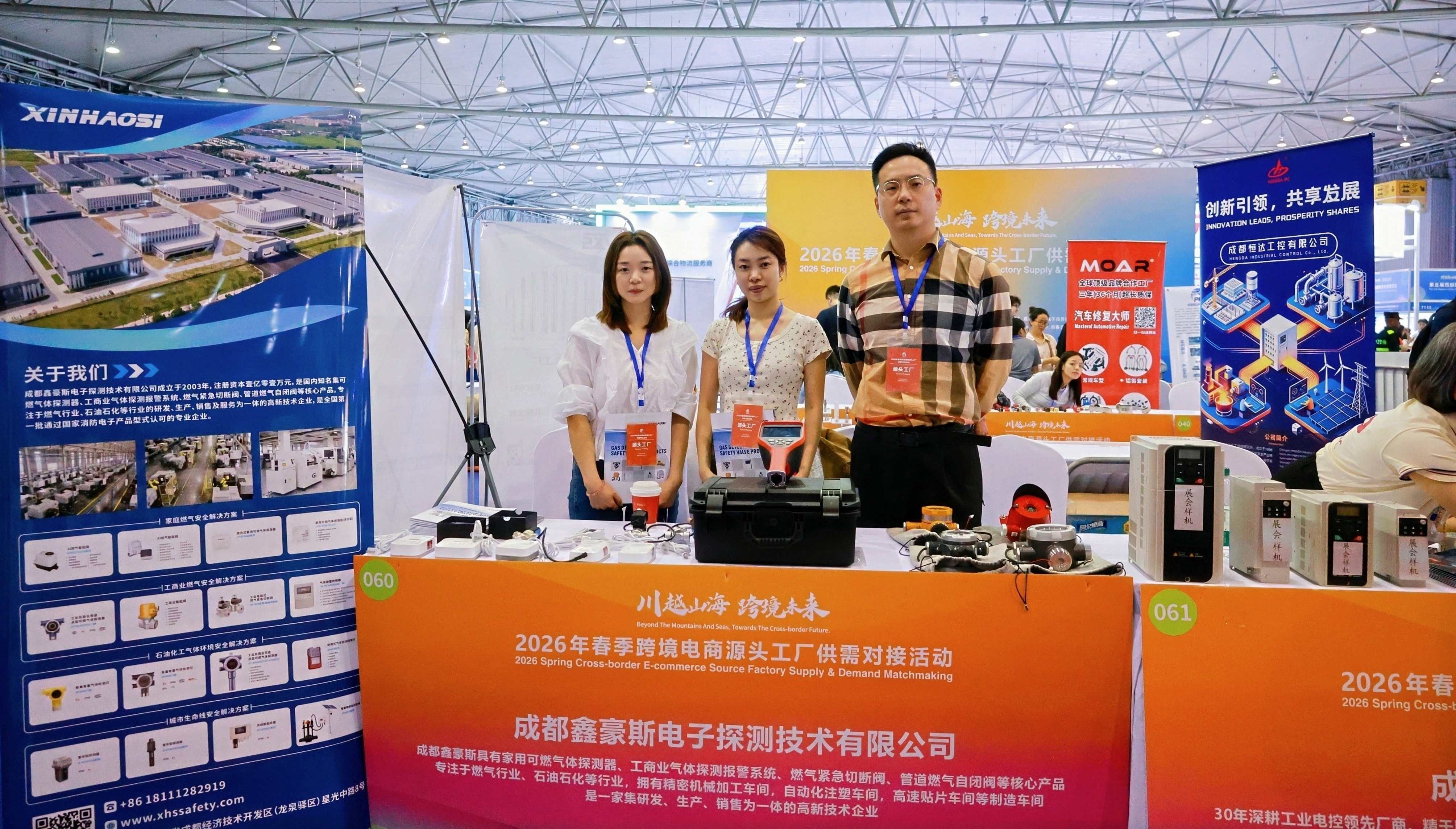
XINHAOSI recently participated in the 5th Western China Cross-Border E-Commerce Expo held in Chengdu. The event brought together cross-border e-commerce platforms, global buyers, and manufacturers...
Read Details
XINHAOSI recently participated in the 2026 Sichuan (Chengdu) – Indonesia Industry Matchmaking Conference held in Chengdu. The event gathered enterprises from China and Indonesia to strengthen industrial cooperation...
Read DetailsTechnical answers regarding installation, compliance, and operation of safety equipment in Latin American municipal networks.
At 2,240 meters, the lower atmospheric pressure and reduced oxygen concentration can affect standard catalytic combustion sensors, which rely on oxygen to detect combustible gases. This can lead to inaccurate Lower Explosive Limit (LEL) readings. Our sensors are factory-calibrated and temperature-compensated to account for these specific atmospheric conditions, preventing drift and ensuring reliable readings in high-altitude environments.
Our products are engineered to support compliance with key Mexican regulations, including NOM-002-SECRE-2010 (safety requirements for natural gas distribution installations), NOM-003-ASEA-2016 (design, construction, operation, and maintenance specifications for distribution networks), and NOM-008-ASEA-2019. We assist utility operators in obtaining certification by providing complete technical documentation, test reports, and calibration certificates.
Under standard conditions with a reporting interval of once every 4 hours, our wireless smart pressure monitors (such as the AT0635/0637 series) can operate for 2 to 3 years on a single industrial-grade lithium battery. The devices enter a deep sleep mode between measurements to optimize power consumption. Alarm thresholds can also be configured to trigger immediate transmissions if a sudden pressure drop is detected.
Yes. Our wired controllers and transmitters use standard Modbus RTU over RS485, which allows them to integrate with standard PLC and SCADA platforms. Additionally, our wireless monitors support cellular transmission (LTE-M, NB-IoT) and LoRaWAN, sending data via JSON payloads to customer servers or cloud databases for straightforward integration.
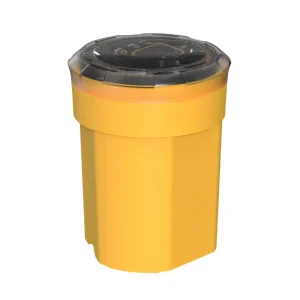
Subterranean utility chambers are prone to flooding during the rainy season. Our specialized underground monitoring devices (such as the GT-AT0616/0617 series) feature IP68-rated enclosures. They are sealed with high-performance synthetic gaskets and include potting material around the internal electronics, allowing them to remain operational even during temporary submersion.
Our pipeline emergency shut-off valves operate on a pulse-trigger design. They are held open mechanically and require only a brief electrical pulse to trigger closure. In the event of a power outage, the controller's internal backup battery can supply the necessary current to shut the valve. Once closed, the valve remains closed until it is manually reset, ensuring safety is maintained during power loss.
For critical municipal safety infrastructure, we recommend a calibration cycle of **every 6 to 12 months** depending on the sensor technology used. Catalytic combustion sensors should be verified every 6 months to adjust for potential drift, while NDIR sensors can operate reliably for up to 12 months between calibrations. Handheld detectors (like the IR-2610) should undergo a bump test before each shift.
We provide our partners with detailed technical documentation, including 3D CAD files, electrical wiring schematics, and calibration software. Our technical support team is available to assist with remote commissioning, and we offer training materials to help local maintenance teams perform field calibrations and basic servicing safely and efficiently.