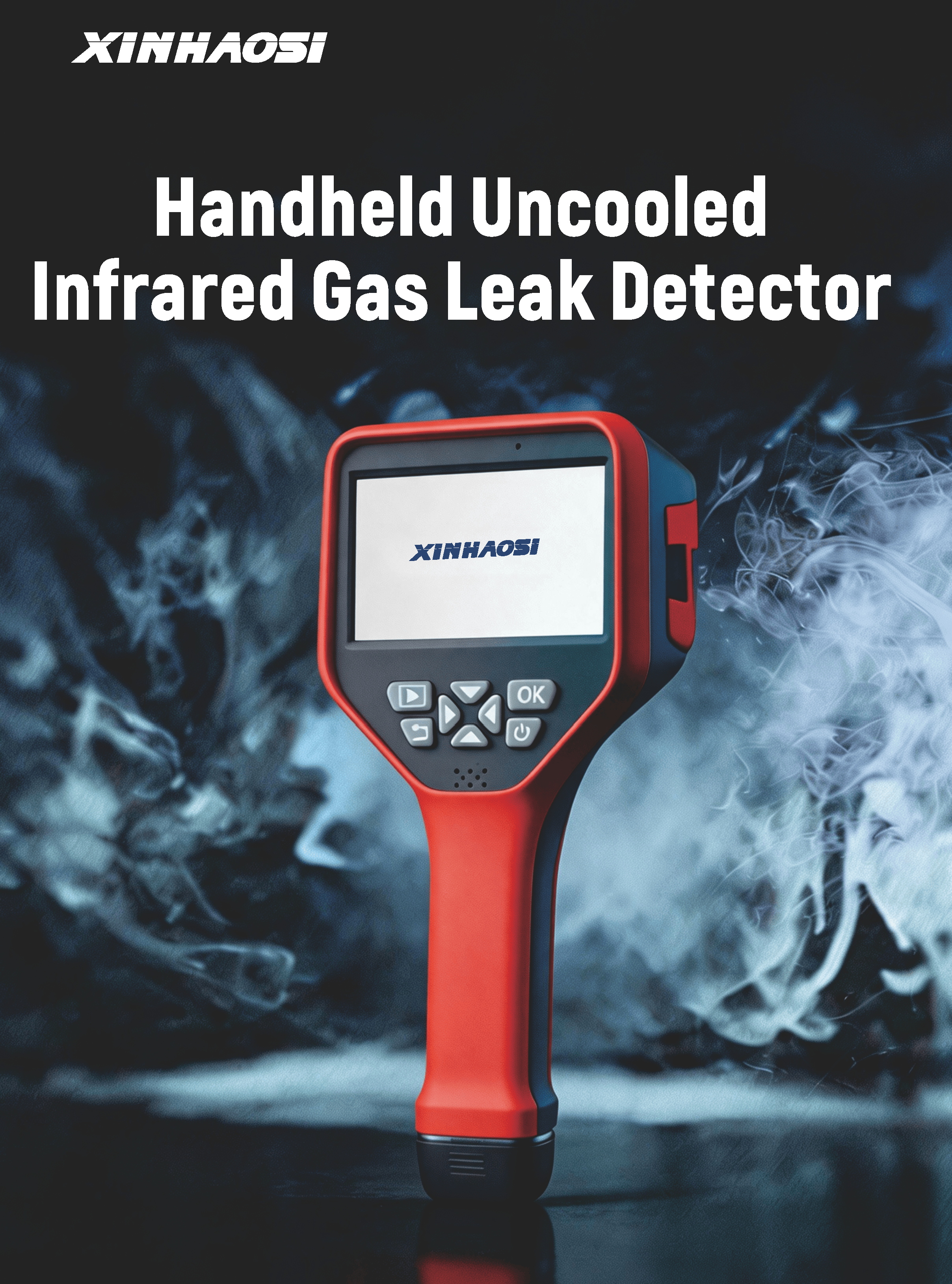
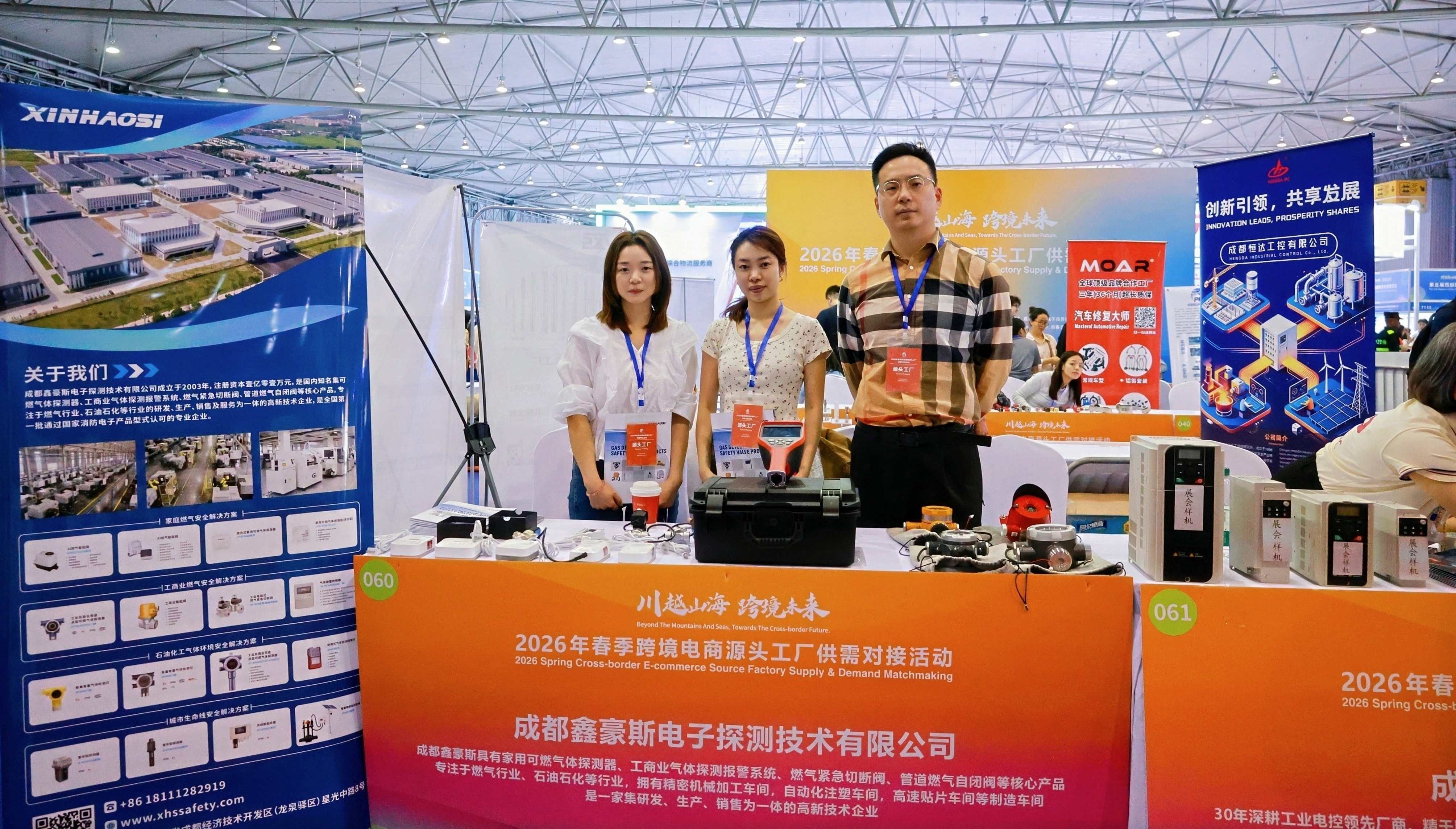
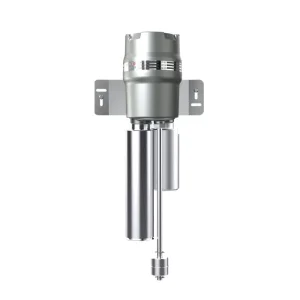
High-precision transmitter nodes and underground combustible gas detectors currently deployed for primary municipal distribution networks across major Serbian districts.

Modern urban natural gas distribution networks represent the lifeblood of contemporary cities, powering domestic heating systems, commercial sectors, and heavy industrial facilities. However, conveying explosive and highly flammable hydrocarbon gases through complex subterranean piping networks in densely populated municipal zones presents an ongoing structural risk. Unmonitored gas leaks lead to catastrophic infrastructure loss, severe environmental contamination, and high human casualties. This technical white paper explores the development, deployment, and operational execution of modern smart gas distribution monitoring solutions, with a localized focus on the strategic industrial expansion in the Republic of Serbia.
Across the globe, gas utilities are undergoing a significant transition from manual pipeline inspection schedules to continuous automated remote telemetry systems. The classical model of relying on olfactory detection (via mercaptan odorants) and periodic foot patrols with flame ionization detectors is no longer compliant with modern risk mitigation policies. The global industry is adopting IoT-connected sensors, real-time edge computing transceivers, and machine learning diagnostic engines. These systems detect gas pressure fluctuations, localized temperature variations, and ambient fugitive emissions of methane ($CH_4$) before they reach the lower explosive limit (LEL).
Furthermore, global decarbonization goals mandate a rapid decrease in fugitive methane emissions, as methane is a greenhouse gas with a global warming potential over 80 times greater than carbon dioxide ($CO_2$) over a 20-year timescale. By deploying high-accuracy smart pressure monitoring stations and infrared optical detectors at critical junction points, global operators minimize raw product losses and dramatically lower carbon footprints.
In the Balkan region, Serbia occupies a vital geographic crossroads for European energy transit. The construction and active expansion of the Balkan Stream pipeline (the Serbian section of TurkStream) has turned the nation into a key transit hub while simultaneously prompting domestic pipeline modernization. Municipalities like Belgrade, Novi Sad, Niš, Kragujevac, and Subotica are actively expanding their natural gas distribution grids, converting industrial zones and residential neighborhoods from coal and heavy fuel oil to cleaner-burning natural gas.
This nationwide transition is managed by state entities like JP Srbijagas alongside regional distribution companies and joint ventures. The rapid construction of low-to-medium pressure pipelines requires immediate implementation of high-performance monitoring stations to prevent catastrophic pipeline failures in highly integrated urban areas. In particular, the moist soil chemistry and variable underground conditions in central and northern Serbia necessitate robust underground shaft monitoring systems capable of operating under water immersion and corrosive environments.
A three-tier topology consisting of physical sensing hardware, edge communication transceivers, and centralized monitoring SCADA platforms.
| System Architecture Layer | Hardware Component deployed | Functional Role & Technical Capabilities | Compliance & Interfaces |
|---|---|---|---|
| 1. Physical Sensing Layer | Pressure Transmitters (e.g., XCS-P3051), Combustible Gas Detectors (GTYQ-AT0601) | Measures hydrostatic pipeline pressures, detects combustible gas molecules ($CH_4$, $C_3H_8$) down to ppm levels. | ATEX Zone 1/2, 4-20mA, Modbus RTU, Hart Protocol |
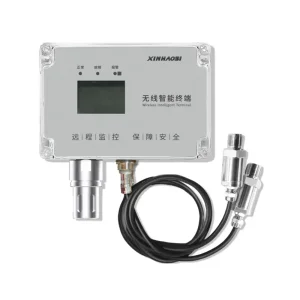
| 2. Edge Transmission Layer | Wireless Intelligent Terminals (GT-AT0636, GT-AT0637) | Collects analog and digital signals from sensors, packs payload data, and executes low-power LPWAN transmission. | NB-IoT, LoRaWAN, 4G LTE, Internal Lithium Battery Pack |
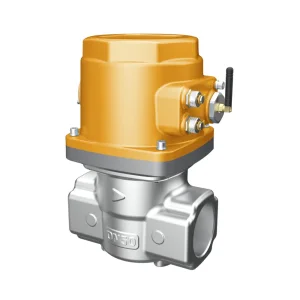
| 3. Control & Actuation Layer | Industrial Smart AI Gas Safety Valves, Shut-off Solenoid Valves | Automatically interrupts the flow of natural gas upon detection of downstream leaks or pipe pressure drops. | Explosion-proof actuator, Manual Reset, Auto-Close on alarm trigger |
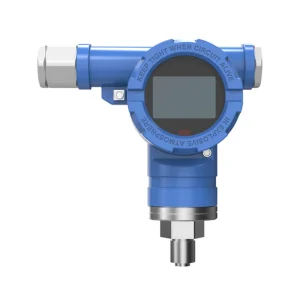
At the core of the system lies the physical layer, requiring components that function in the presence of combustible gases. Products like the High-Quality XCS-P3051 Pressure Transmitter provide continuous static and dynamic pressure readings from within gas regulators and distribution stations. When gas leaks occur, pressure decreases downstream. A sudden pressure drop detected by the transmitter triggers automatic alarms.
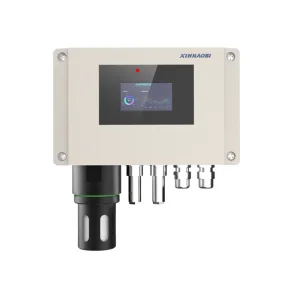
To monitor subterranean vaults, chambers, and underground pipelines beneath Serbian cities, the OEM AT0605 Series Underground Shaft Combustible Gas Monitoring Device utilizes highly stable catalytic combustion or electrochemical sensors. Since these shafts are prone to rainwater flooding and mud accumulation, the IP68 enclosure rating is critical, ensuring the internal electronics remain dry and operational while gas molecules diffuse to the sensing head.
Tailored industrial monitoring strategies addressing the unique geography, climate, and infrastructural frameworks of Serbia.
Belgrade's historic core features complex networks of underground utility shafts containing gas distribution mains running alongside electrical and communication conduits. Accumulations of gas in these confined spaces are highly dangerous. Installing ATEX-certified gas monitors like the GT-AT0616 Series enables municipal operators to continuously track LEL levels remotely and prevent explosions under major city thoroughfares.
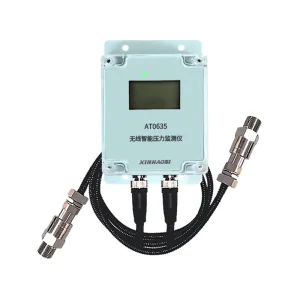
The agricultural and industrial plains of Vojvodina rely on vast distribution grids connecting towns to centralized storage terminals. These lines experience variable pressures due to seasonal demand shifts. Deploying AT0635 Series Wireless Smart Pressure Monitors provides Srbijagas operators with continuous real-time diagnostic data from remote, grid-edge pressure reduction stations.
As the industrial heartland of Serbia's chemical and petroleum refining sectors, Pančevo requires safety solutions that meet the highest standards. High-power, explosion-proof gas detectors (such as the GTYQ-AT0601/0601A) paired with fast-acting automated AI Gas Safety Valves prevent localized gas releases from escalating into regional industrial emergencies.
Any gas distribution safety equipment deployed in the Republic of Serbia must strictly comply with national laws, harmonized European standards, and local utility regulations. Serbia’s accession process to the European Union requires alignment with key European Directives.
First and foremost is compliance with the ATEX Directive 2014/34/EU (equipment intended for use in potentially explosive atmospheres). In Serbia, these standards are codified under the SRPS EN 60079 series. Any instrument used in gas regulator vaults, distribution hubs, or processing plants must bear the Ex-mark and be certified for Zone 0, Zone 1, or Zone 2 environments based on localized risk zoning. Our wireless monitors and gas detectors carry the necessary Ex d IIC T6 Gb and Ex ia IIC T4 Ga safety ratings.
Additionally, pressure transmitters must meet the high-accuracy requirements of the Measuring Instruments Directive (MID) 2014/32/EU and comply with Serbian metrological certification protocols managed by the Direkcija za mere i dragocene metale (DMDM). This guarantees that billing meters and pressure regulation modules operate within strict tolerances over multi-year deployment cycles, even under extreme winter conditions where ambient temperatures in cities like Subotica and Kragujevac can drop below -20°C.
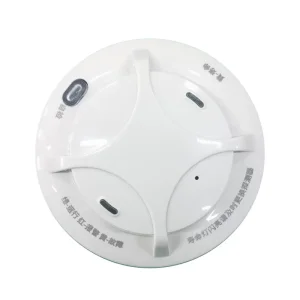
For domestic and light commercial gas monitoring applications, products must comply with SRPS EN 50194-1 (electrical apparatus for the detection of combustible gases in domestic premises) and SRPS EN 50194-2 (apparatus for continuous operation in a fixed installation in recreational vehicles and similar premises). These standards verify that household gas safety detectors like the JT-AT2004BII function reliably and interface correctly with safety shut-off solenoid valves to isolate residences from natural gas leaks.
As European and regional energy networks transition toward decarbonized operations, natural gas pipelines are increasingly being adapted to transport blends of natural gas and green hydrogen ($H_2$). While hydrogen blending reduces carbon emissions, it introduces significant technical challenges. Hydrogen molecules are much smaller than methane ($CH_4$), raising the risk of micro-leaks through standard seals and joints. Additionally, hydrogen has a broader explosive range and a much lower ignition energy requirement.
To support Serbia's green energy objectives, our technical roadmap focuses on upgrading gas monitoring sensors to support hydrogen-compatible operation. Current catalytic and semiconductor sensors are being enhanced to distinguish between methane and hydrogen, preventing false alarms while ensuring accurate readings for both gases.
Simultaneously, pressure monitoring systems are being redesigned to handle the distinct physical properties of blended gas streams. Implementing smart AI-driven pressure monitoring nodes like the GT-AT0636 Series Wireless Intelligent Terminal enables operators to run real-time transient flow analyses. This allows for early detection of pressure wave anomalies indicative of structural failures in hydrogen-blended networks.
By investing in our advanced gas sensing and pressure monitoring technologies, Serbian municipal authorities and industrial operators can secure long-term infrastructure viability, ensuring safety and compliance through the energy transitions of the coming decades.
Future Ready Sensing & Control Infrastructure


We utilize advanced electronic detection technology to make unknown gas leak risks clear and visible. Founded in 2003, Xinhaosi is one of the most influential and reliable brands in the gas safety industry. We provide customer-focused products and services to safeguard the safe operation of every factory, the comfort of every city, and the peace and happiness of every home.
Powered by cutting‑edge production systems and technology, we deliver more advanced, intuitive, and precise gas safety solutions for shaping a safer future world. Our manufacturing plants maintain ISO 9001, ISO 14001, and ISO 45001 certifications to ensure every single pressure transmitter, gas sensor, and smart safety valve meets global standards.
Collaborating with global municipal gas providers, oil & gas consortia, and industrial safety operators.








Stay tuned for the latest updates from Xinhaosi & the global gas safety industry.
Detailed technical insights for pipeline engineers, municipal designers, and safety compliance officers.
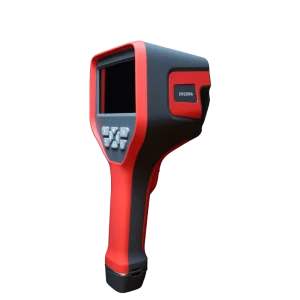
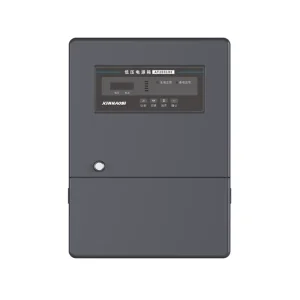
A comprehensive range of high-precision instruments, low-voltage power units, and intelligent terminal nodes for regional Serbian gas projects.

Speak with our application engineers for a custom quote, technical specifications, or compliance verification.
Send Inquiry Now