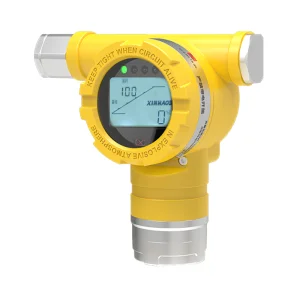
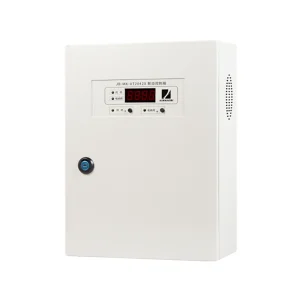
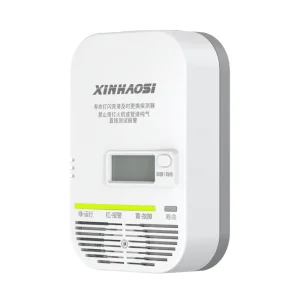
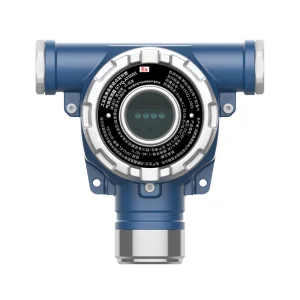
Explore our premium suite of industrial sensors, transmitters, safety control units, and solenoid valves engineered for global safety compliance.


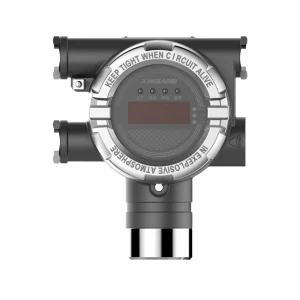
Understanding the fluid dynamics, electromagnetic designs, and materials engineering that characterize next-generation fail-safe flow automation.
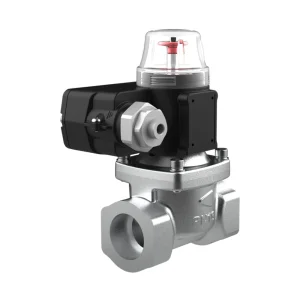
A 1-inch (DN25) Normally Closed (N.C.) Solenoid Valve represents a key node in modern flow management and process gas safety systems. Engineered with a fail-safe state that remains physically closed when de-energized, this mechanical structure prevents unwanted fluid transfer or hazardous gas migration during unexpected power loss, emergency plant shutdowns, or interlock activations.
At the core of our technical roadmap lies the integration of advanced coil insulation, optimized magnetic circuits, and premium elastomeric seal compounds. To minimize thermal emission and maximize active coil life, our design employs Class H insulated copper wire wound in compact configurations, capable of sustained operation in ambient conditions reaching up to 80°C.
Our structural design leverages high-precision direct-acting and pilot-assisted architectures to balance flow efficiency (Cv) and minimum operating pressure differential (MOPD). In low-pressure gas line scenarios, direct-acting designs ensure seamless activation at zero pressure difference, while high-pressure commercial fluid applications utilize balanced piston structures to support pressure ratings up to 16 Bar without taxing the electromagnetic actuator.
Our solenoid assemblies are certified to Ex d IIC T6 Gb and Ex mb II T6 Gb flameproof levels. Hermetically sealed epoxy encapsulated coils avoid ignition risks in Zone 1 and Zone 2 hazardous gas atmospheres.
We source FKM (Viton), NBR, and PTFE seal compounds to withstand specialized industrial mediums, including corrosive sour gas, methane, propane, compressed air, and heavy fuel oils.
Deploying 1" N.C. Solenoid Valves across highly specialized safety systems in smart grids, heavy industries, and urban infrastructures.
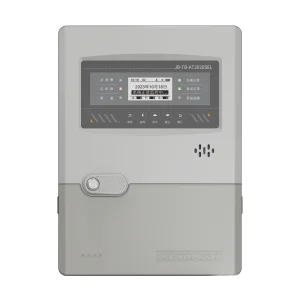
Installed directly on the main 1" low-pressure LPG/Natural Gas line, the valve is electrically coupled with gas detection systems like the JT-AT2009. Upon gas accumulation detection, the interlock control box instantly interrupts power to the solenoid valve, shutting down the supply line within 0.1 seconds to prevent fire or explosion risks.
Employed in commercial subterranean parking garages. Interfaced with Carbon Monoxide detectors (e.g., AT2004BIV-CO), our N.C. solenoid valves actuate fresh-air and purging systems. They isolation-gate fuel vapor line purging arrays to control carbon emission build-up, adhering strictly to ASHRAE ventilation codes.
Used as primary shutoff controls on steam generators and chemical plant burners. The 1" sizing fits standard burner gas supply trains. The valve's default closed orientation prevents dangerous combustible gas leakage into the unignited combustion chamber, averting boiler puff-back hazards.
Founded in 2003, Xinhaosi has established itself as one of the most influential and reliable brands in the gas safety industry. We provide customer-focused products and services to safeguard the operations of every factory, the comfort of every city, and the peace of every home.
Powered by cutting-edge electronic detection technology and integrated production systems, we make invisible gas leak risks visible and clear. By designing reliable 1" Normally Closed Solenoid Valves and gas detectors, we deliver advanced, intuitive safety solutions to shape a safer world.


Combining domestic component sourcing, rigorous quality control systems, and streamlined logistics to guarantee steady supply lines.
Our factory utilizes vertical integration, sourcing high-grade brass, stainless steel, and specialty elastomers directly from nearby metallurgical clusters. This geographic concentration minimizes shipping delays for raw billets and optimizes production costs. Inside our CNC machining centers, raw valve bodies are milled and threaded under sub-millimeter tolerances to ensure clean seating surfaces for maximum zero-leakage safety.
By keeping coil winding, metal machining, elastomer vulcanization, and functional testing under one roof, we reduce production cycle times by up to 30% compared to fragmented assembly factories. This control structure allows us to handle large-scale OEM orders and deliver tailored solutions within tight schedules.
Located in a major western China logistics hub, our shipping infrastructure connects directly with international rail networks and marine ports. We manage export documentation, customs clearances, and localized packaging requirements to streamline shipping to Europe, North America, Southeast Asia, and the Middle East.
To ensure consistency, every batch of 1" Normally Closed Solenoid Valves undergoes pressure-hold checks, coil resistance measurements, and response-time testing before leaving our facility. This ensures reliable performance from the moment of installation.
Providing full-chain safety integration, comprehensive gas monitoring, and collaborative technology with global industrial operators.






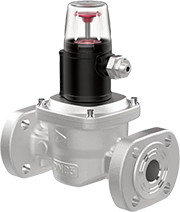
Safety instrumentation demands absolute compliance with international standards. Our manufacturing lines run in accordance with ISO 9001:2015 Quality Management Systems. To service safety-critical loops in gas grids, chemical plants, and smart building setups, our designs are optimized for SIL (Safety Integrity Level) targets.
Our 1" Normally Closed Solenoid Valves are built to withstand high operational demands. Standard options feature UL-listed coil components and ATEX certification for explosive dust and gas atmospheres, ensuring reliable performance in demanding operating environments.
Keep track of the latest announcements, international industrial trade expos, and new product launches from the Xinhaosi technical team.
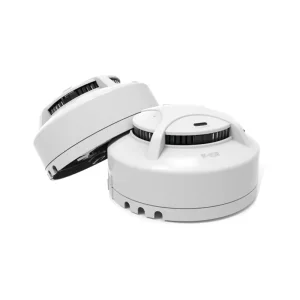
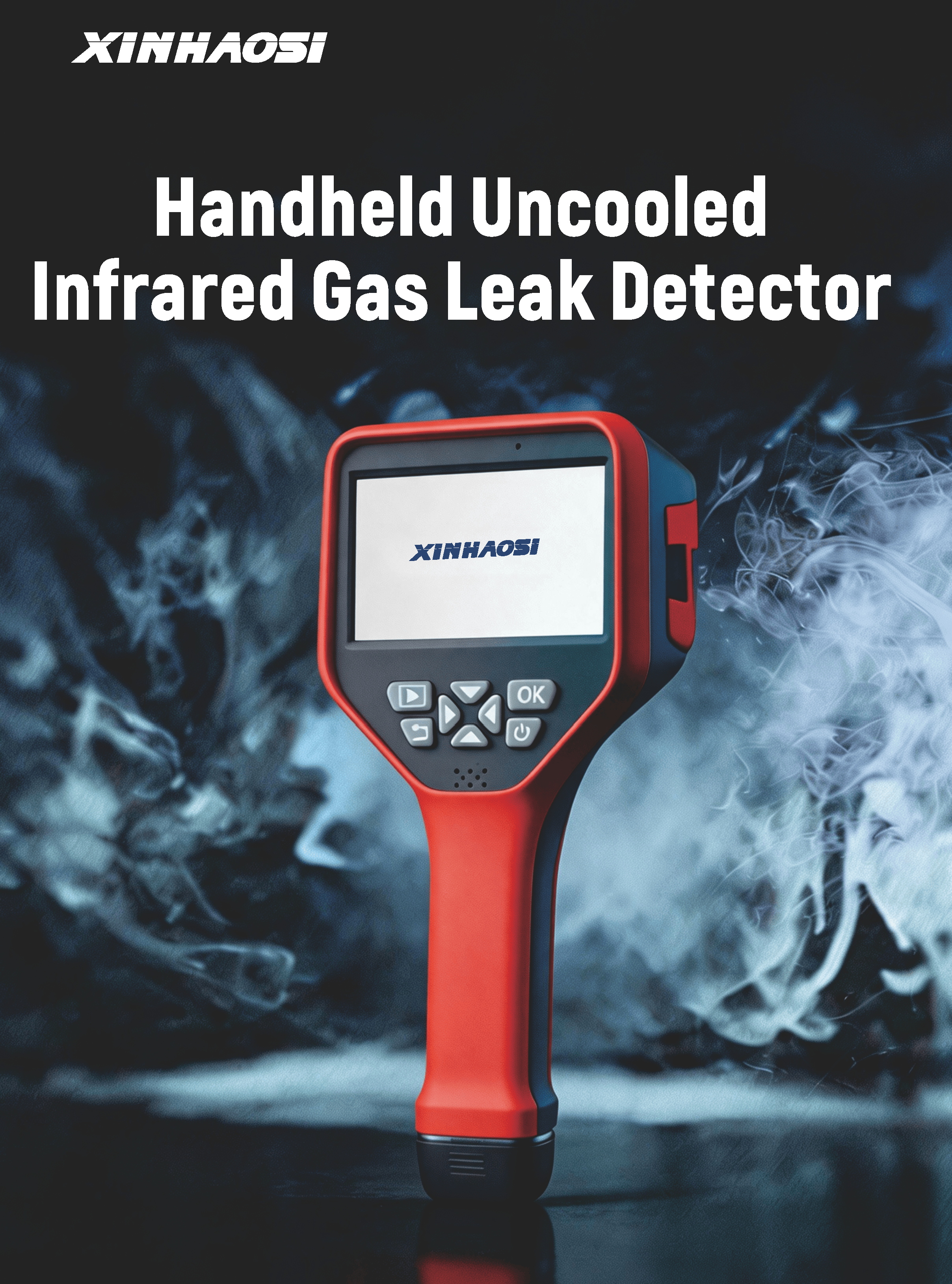
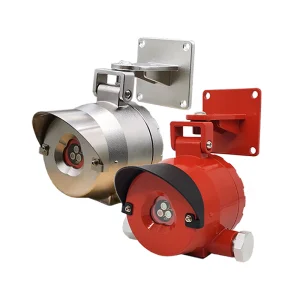
Featuring dual-technology fusion, fast response times, and long-range non-contact detection designed for industrial petrochemical safety monitoring.
May 09, 2026Connecting with global industrial buyers, distribution agents, and supply chain partners in Chengdu to expand international trade opportunities.
May 08, 2026Collaborating with Southeast Asian enterprise representatives to strengthen regional gas safety infrastructure and distribution channels.
May 08, 2026Get answers to common engineering questions regarding the selection, installation, and operation of 1" Normally Closed Solenoid Valves.
Direct-acting solenoid valves utilize electromagnetic force to pull the plunger and open the valve seat directly, requiring 0 Bar minimum operating pressure (MOPD) to function. They are ideal for gravity-fed or low-pressure lines. In contrast, pilot-operated solenoid valves use the system line pressure to move the diaphragm or piston. They require a minimum pressure differential (typically 0.3 to 0.5 Bar) to operate but can manage much higher pressure ratings and flow rates without requiring excessively large solenoid coils.
Normally Closed valves provide a reliable fail-safe configuration for hazardous fluids or gases. If a power outage, wiring failure, or system trip occurs, the solenoid immediately de-energizes, and internal return springs force the valve closed. This stops any fluid or gas flow, preventing leaks during power failures. Normally Open (N.O.) valves are typically reserved for venting lines or systems where continuous flow is necessary during power losses.
The seal material must match the temperature and chemical properties of the fluid. NBR seals are suitable for standard gas and water applications from -10°C to +80°C. For higher temperatures or corrosive fluids, FKM (Viton) is preferred, rated for temperatures up to +180°C and offering excellent chemical resistance. For extreme temperatures or steam, PTFE seals provide stability up to +200°C.
Coil burnout is typically caused by heat build-up or voltage fluctuations. We use Class H insulation (rated to 180°C) and precision copper windings to minimize thermal strain. For applications where the valve remains energized for long intervals, we recommend installing energy-saving modules that lower the holding current once the valve has fully actuated, reducing power consumption and coil heat.
Yes, many building codes require gas shut-off valves to feature a manual reset. In these configurations, when a gas detector triggers a shutdown, the valve closes and remains mechanically locked closed, even after power is restored or the alarm clears. A technician must inspect the site and manually pull a reset lever to reopen the gas line, preventing gas from flowing back into an uninspected building.
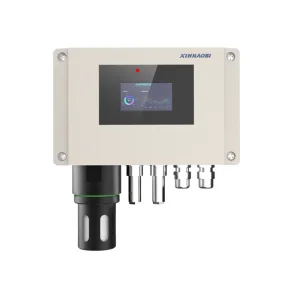
Complete safety integrations require dependable components. View our selection of controllers, monitors, transmitters, and valves.