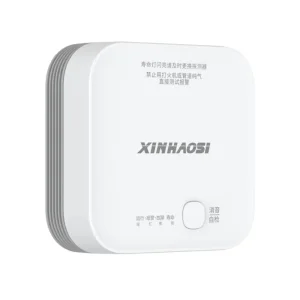
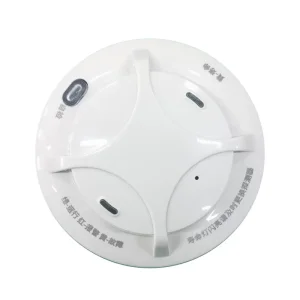
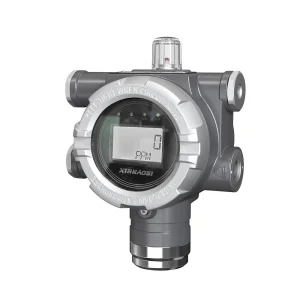
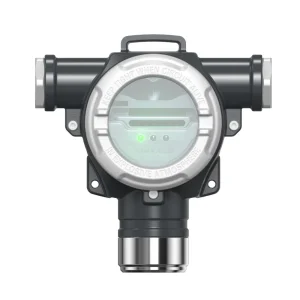
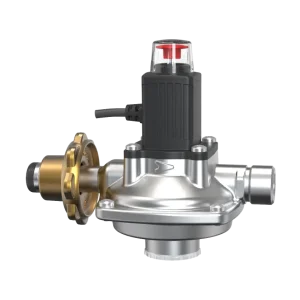
Deploy safety, response speed, and structural integrity under high-pressure conditions. Explore our high-precision explosion-proof safety devices engineered for commercial and industrial zones.
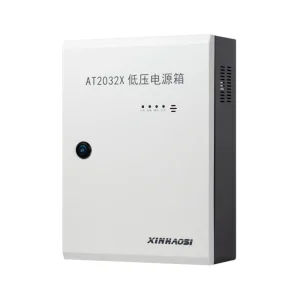
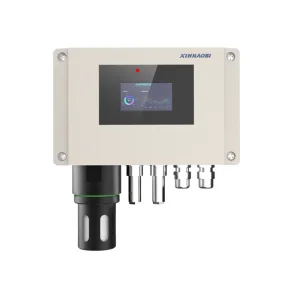
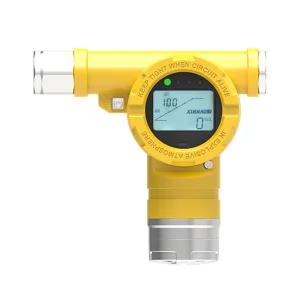
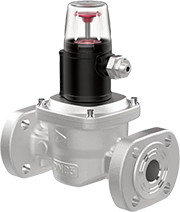
In modern automated process fluid control, the term "2 Solenoid" refers primarily to two-way, two-position (2/2-way) solenoid valves. These devices are the ultimate gatekeepers of flow direction and pressure modulation. Serving as a crucial mechanism in emergency gas shut-off operations, urban utility networks, and hazardous material piping, a 2-way solenoid operates with a simple yet high-impact design: one inlet, one outlet, and a dynamic electromagnetic coil actuator.
When selecting 2 solenoid manufacturers and factories, engineers and procurement managers must look beyond simple cost margins. Real-world performance requires strict evaluations of response profiles, coil thermal dissipation, gas safety certifications, and material longevity. Standard operations demand continuous cycle reliability to prevent system ruptures, ensuring absolute safety protection from the source.
For global sourcing, standardizing valve selection guarantees alignment with strict functional environments. Below are the design blueprints and materials engineered by premier manufacturing plants.
Top factories process solenoids utilizing robust media-compatible materials such as forged brass, lead-free nickel-plated copper, and premium Stainless Steel (304 or 316). Standardizing housing integrity mitigates localized oxidation and structural failure due to trace chemical elements.
Continuously energized solenoids demand high-performance thermal barriers. Standard configurations must use Class H copper winding cores capable of resisting insulation breakdown up to 180°C, ensuring safety during protracted industrial gas shut-off operations.
Proper elastomer selections dictate chemical resilience and operational temperature bands. Nitrile Butadiene Rubber (NBR) is highly effective for hydrocarbons and standard gases, while Fluorocarbon (FKM / Viton) provides excellent thermal defense up to 200°C.
2-Way solenoid valves do not operate in isolation; they represent the executing muscle of automated detection systems. For urban distribution corridors and heavy industrial plants, valves are direct extensions of safety control logic.
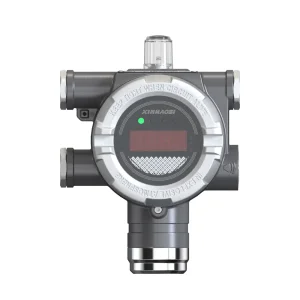
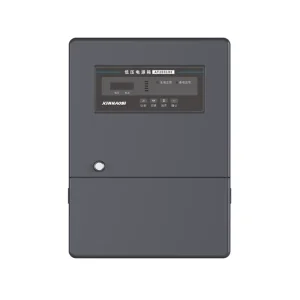
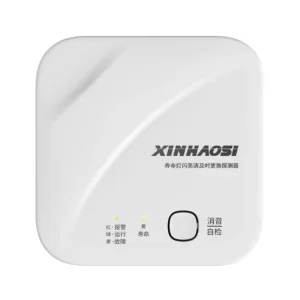
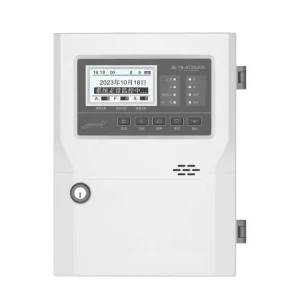
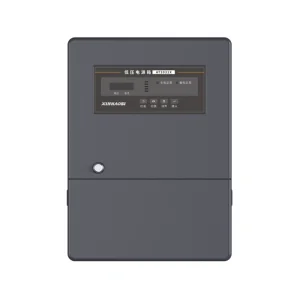
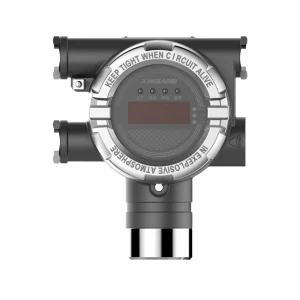
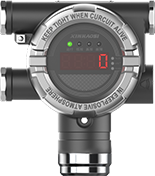
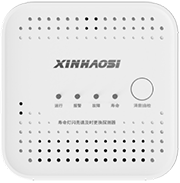
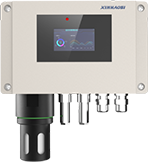
When an explosion-proof gas sensor (like the XP4000 or XP3000) detects toxic or combustible gas thresholds exceeding preset limits, an electrical signal instantly triggers the solenoid controller. This action triggers a rapid manual or automatic reset valve, closing gas lines within milliseconds to isolate the source.
Future Ready Safety Systems

Founded in 2003, Xinhaosi has established itself as an influential brand in the global gas safety and control sector. We provide customer-focused products and services to safeguard industrial plants, municipal spaces, and residences.
Powered by advanced electronic detection systems and high-precision production engineering, Xinhaosi delivers advanced, intuitive, and precise safety solutions. We leverage electronic detection and automated solenoid control to make unknown gas leak risks visible and manageable.
More About UsThe industrial automation landscape is undergoing rapid digitization. Solenoid valves are transforming from passive electromechanical switches into intelligent actuators.
Developing low-power cellular (NB-IoT, LoRaWAN) modems directly integrated into the solenoid enclosure. This allows technicians to monitor actuation status and valve temperature in real-time from cloud dashboards.
Embedded Hall sensors monitor armature position and movement over time. Changes in actuation speed indicate potential particle buildup or spring fatigue, allowing for proactive, scheduled maintenance cycles.
Next-generation pulse-latching coils utilize permanent magnets to hold the plunger in place. Power is only required during state transitions, reducing overall power draw to a fraction of traditional coils.
Operating in globally regulated environments requires strict adherence to international safety frameworks. High-quality manufacturers ensure products meet certified requirements for explosive and hazard-prone spaces.
Every batch of solenoid valves and industrial monitors is subjected to rigorous quality control protocols. Design practices must comply with EN 161 (European Standard for Automatic Shut-Off Valves) and ISO 23551-1, which dictate safety, construction, and performance criteria for gas burners and gas appliances.
For operations in locations with airborne flammable gases, systems must have ATEX/IECEx certifications, demonstrating the equipment's explosion-proof housing and low surface temperatures under constant load.
A reliable supplier must provide comprehensive technical documentation, including STEP/CAD files, wiring schematics, and response velocity tests. This ensures rapid system integration for global engineering teams.
In addition, local supply chains must provide quick access to replacement components, customized coil voltages (12VDC, 24VDC, 110VAC, 220VAC), and customized thread standards (NPT, G, Flanged) to simplify installation.
Get direct answers to common engineering questions regarding the implementation and sourcing of 2-way solenoid valves.
We cooperate with leading entities across industrial sectors to maintain global safety standards.












Stay informed on safety engineering innovations, tradeshow developments, and industrial launches.
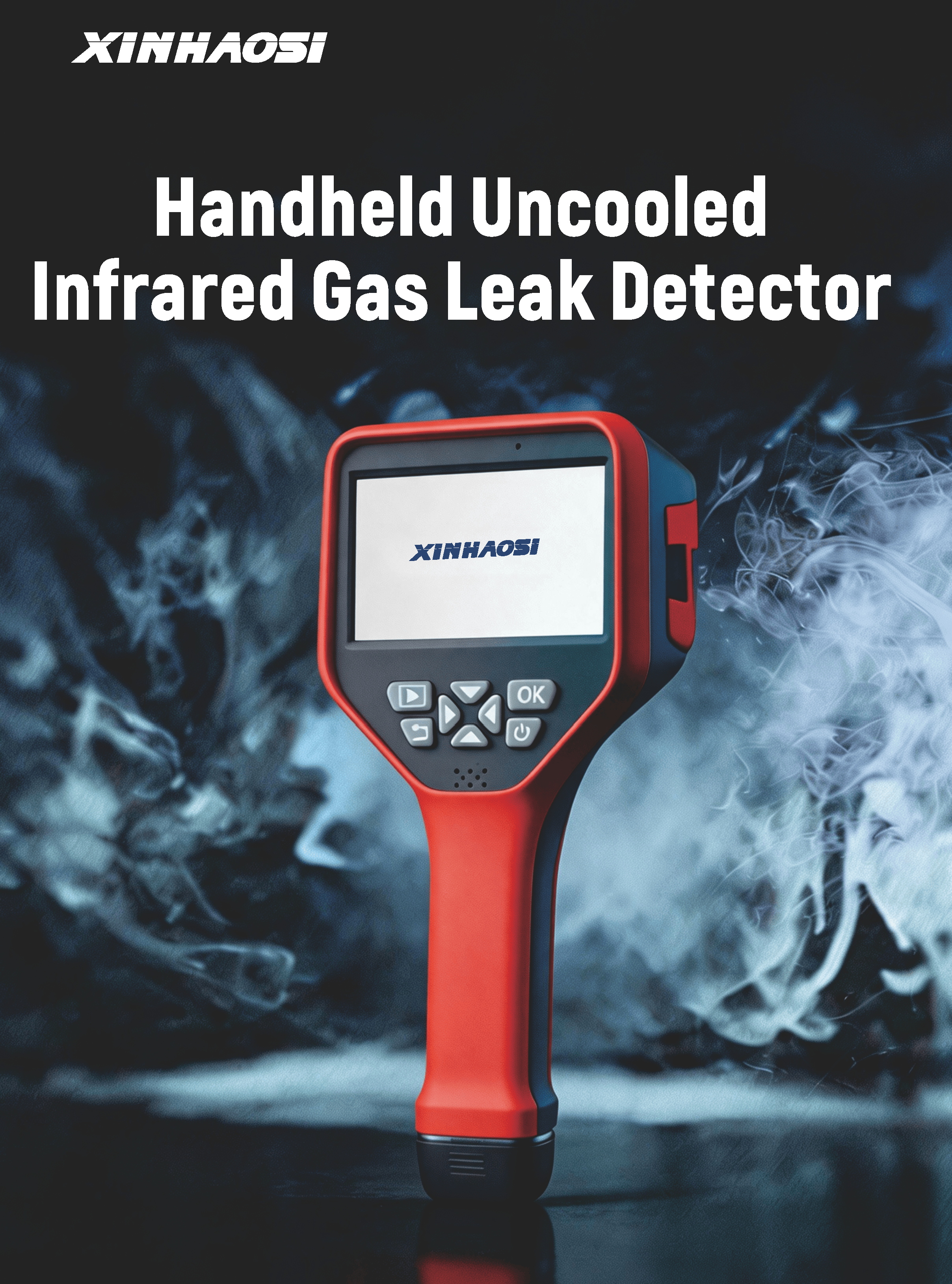
The company officially launched its new Handheld Uncooled Infrared Gas Leak Detector, featuring dual-technology fusion, ultra-fast response, and long-distance non-contact detection...
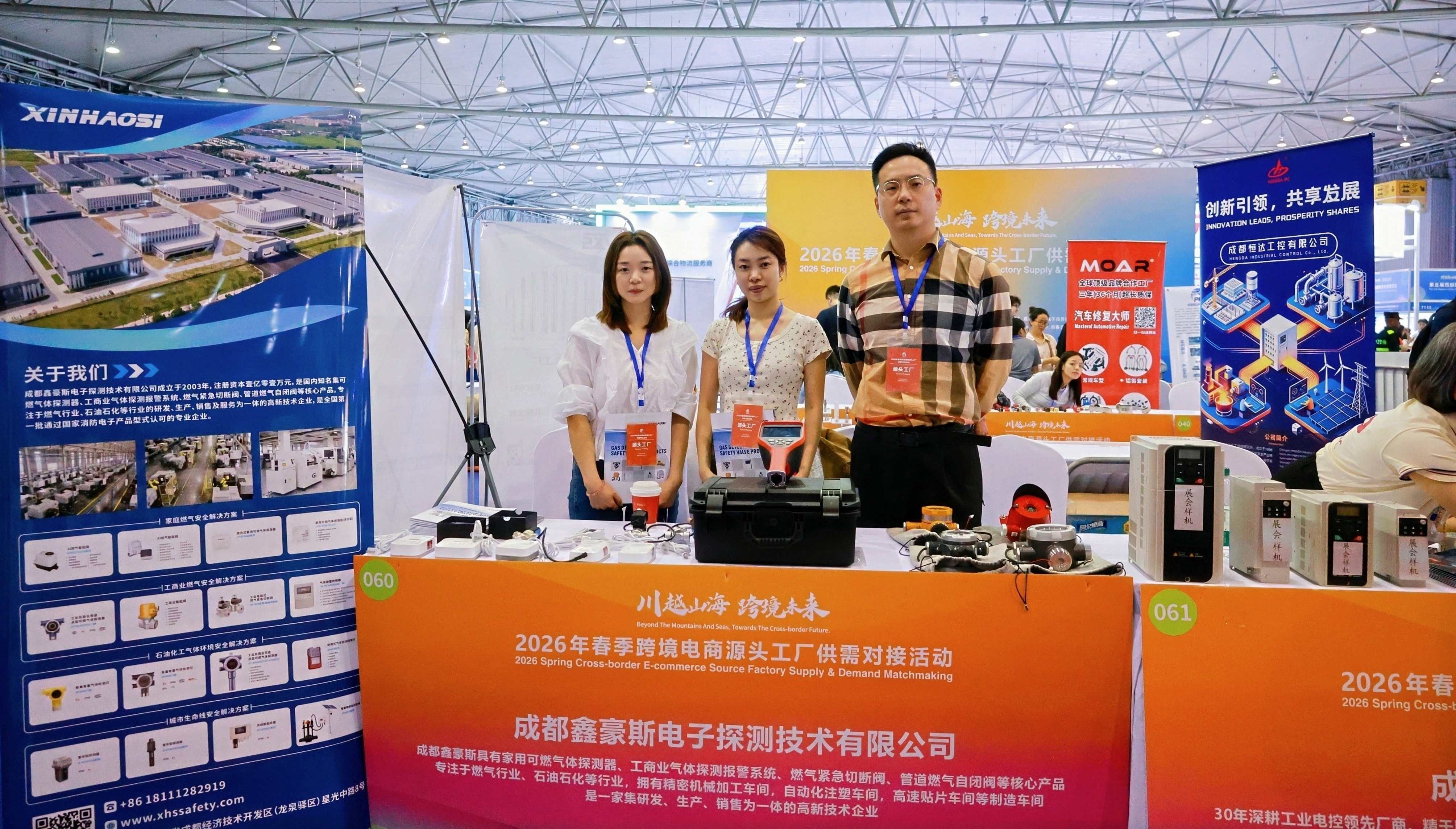
The company participated in the 5th Western China Cross-Border E-Commerce Expo in Chengdu, connecting with global buyers and building supply chain relationships...
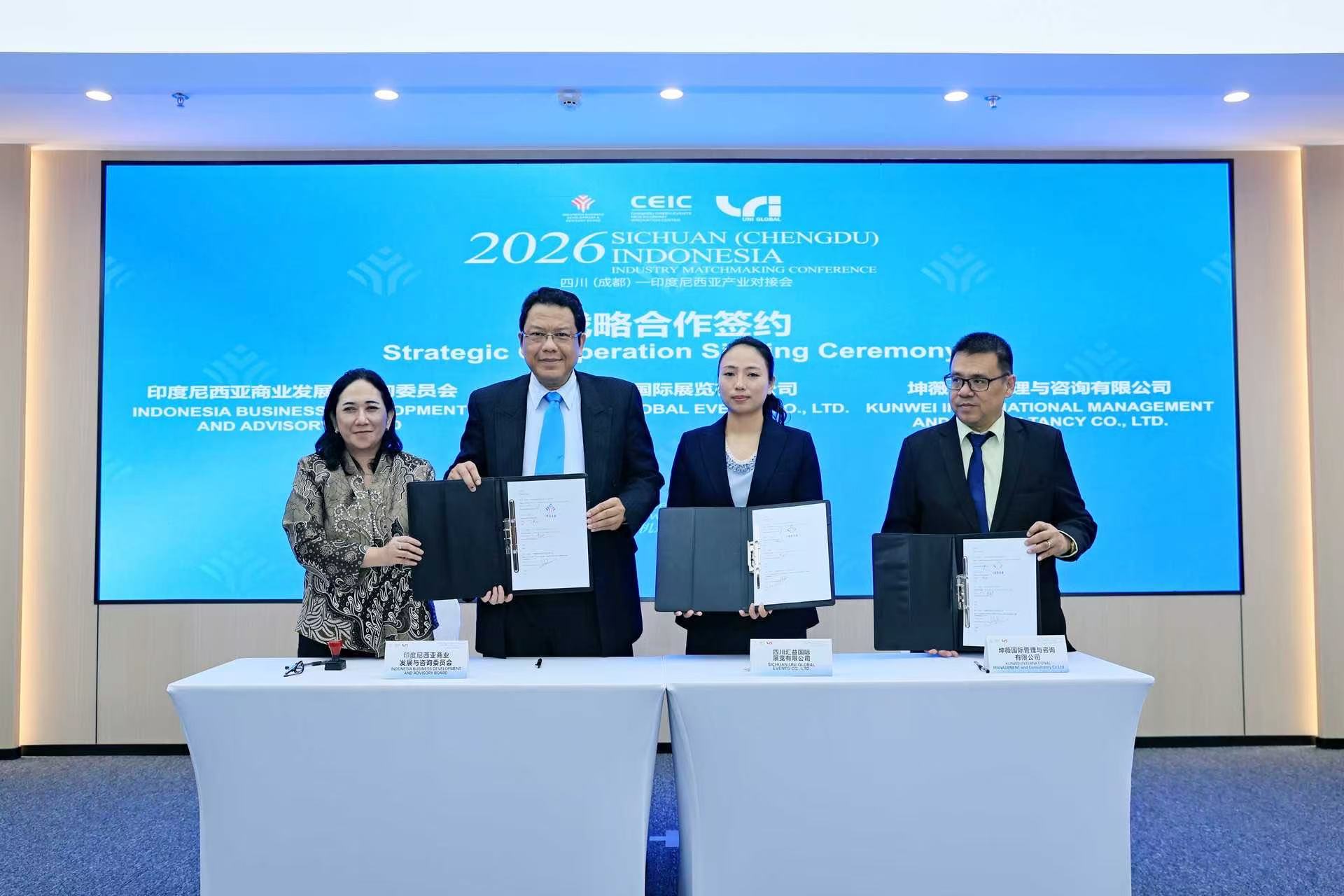
The event brought together industrial representatives from China and Indonesia to explore smart sensing and gas safety integration opportunities in Southeast Asia...
Review safety shut-off systems, industrial regulators, and controller accessories built to ensure high reliability across critical pipelines.