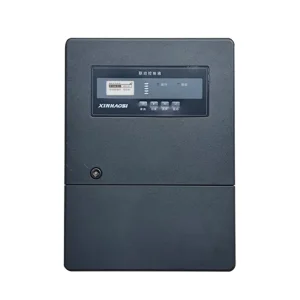
Reliable gas safety devices engineered for hazardous conditions, residential monitoring, and industrial pipeline networks.

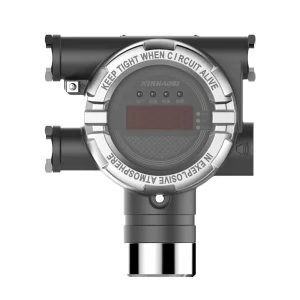
The field of industrial environmental monitoring and gas safety is undergoing a paradigm shift. Historically, gas monitoring relied on localized, passive electrochemical sensors that required frequent manual calibration and offered limited data communication capability. Modern environmental protocols, dynamic safety requirements, and stricter workforce protections have driven the industry toward smart, connected, and multi-gas detection matrices.
Globally, atmospheric monitor manufacturers are integrating IoT communications, cloud diagnostics, and advanced sensor fusion. These innovations allow real-time analysis of compound mixtures, shifting the focus from simple threshold alarms to proactive risk forecasting. The deployment of Non-Dispersive Infrared (NDIR) technology, photoionization detectors (PID), and robust catalytic bead sensors enables industrial facilities to detect hydrocarbons, toxic compounds, and VOCs at parts-per-million (ppm) or even parts-per-billion (ppb) levels.
"The modern industrial objective is no longer merely reacting to gas leaks, but preventing them entirely. By leveraging predictive algorithms powered by edge computing, atmospheric monitors can predict sensor degradation and pinpoint leak trajectories long before they trigger hazard protocols."
Regulatory requirements like ATEX, IECEx, and China GB standards demand that these electronics operate safely inside hazardous environments (Class 1, Div 1 zones). Because of these mandates, explosion-proof housings and intrinsically safe circuitry have become standard specifications for top-tier global industrial installations.
Procurement teams representing multi-national energy producers, heavy chemical refineries, and commercial real estate developers face complex compliance challenges. When selecting an atmospheric monitor factory or gas detector controller supplier, their evaluation goes far beyond basic purchase price.
Global sourcing managers look closely at the following core operational indicators:
Verify ATEX, IECEx, UL, CE, and country-specific safety approvals to guarantee legally compliant operation in hazardous areas.
Evaluate the factory's capacity to adjust alarm points, adapt communication protocols (Modbus RTU, 4-20mA, HART), and brand physical enclosures.
Confirm sensor cross-sensitivity profiles, drift specifications over time, and target lifespans (typically 2-5 years depending on chemistry).
By prioritizing suppliers who provide comprehensive testing logs, ISO 9001:2015 certifications, and trace documentation, procurement managers protect their investments and ensure long-term site safety.

Founded in 2003, Xinhaosi Electronic Detection Technology Co., Ltd. is a leading name in global gas safety.
We utilize advanced electronic detection technology to make unknown gas leak risks clear and visible. We provide customer-focused products and services to safeguard the safe operation of every factory, the comfort of every city, the peace and happiness of every home. Powered by cutting-edge production systems and technology, we deliver more advanced, intuitive, and precise gas safety solutions for shaping a safer future world.
More About UsGlobal supply chains face regular geopolitical, logistics, and resource constraints. In this landscape, modern Chinese manufacturing hubs provide an essential anchor. Guided by Industry 4.0 standards, Chinese factories have evolved from simple assembly workshops into advanced, highly automated, vertical manufacturing centers.
This manufacturing ecosystem is built on key structural strengths:
We source raw raw chemical substrates, sensor elements, SMT circuit boards, and die-cast explosion-proof housings from specialized regional hubs, reducing lead times.
Automated climatic chambers simulate gas concentrations and extreme ambient temperatures to ensure every sensor's baseline is accurately calibrated before shipment.
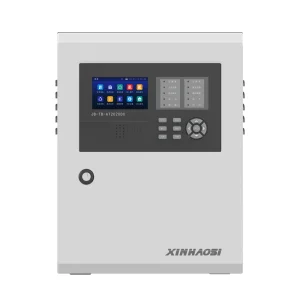
Our integrated testing rigs perform comprehensive cycle checks, aging analysis, and simulated failure modes on every control panel and valve assembly.
For overseas buyers, this means shorter wait times, highly competitive cost structures, and consistent quality standards that meet or exceed traditional Western manufacturing marks.
Innovative monitoring systems protecting lives and infrastructure across municipal, industrial, and commercial properties.
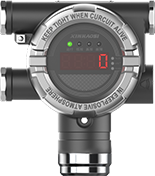
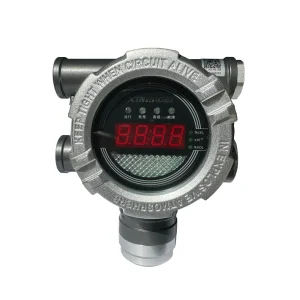
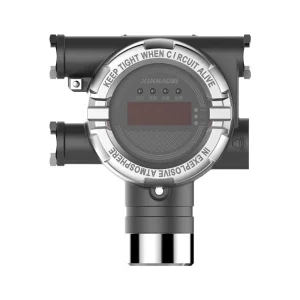
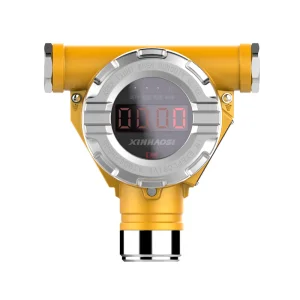
High-reliability systems designed to detect flammable leaks, toxic concentrations, and optical flames in petrochemical, mining, and power generation environments.
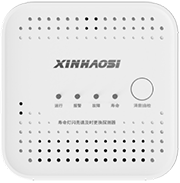
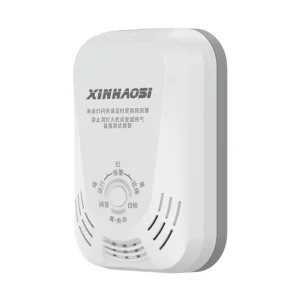
Compact, elegant, and highly responsive alarms protecting residential kitchens, utility rooms, and commercial dining facilities from methane and LPG hazards.
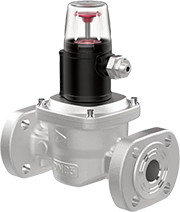
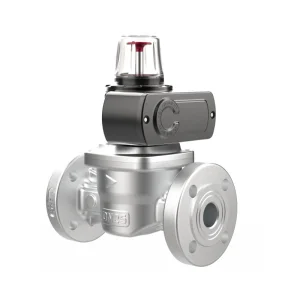
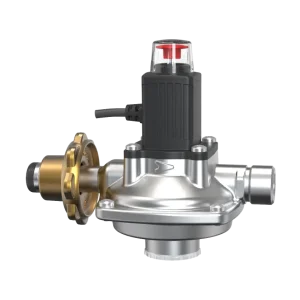
Fast-acting emergency shut-off valves linked to atmospheric sensors, designed to cut off fuel supply at the source the moment a leak is detected.
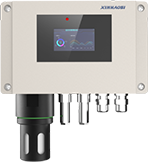
Intelligent, wide-area sensing grids linked via low-power telemetry networks to municipal utility command centers for total urban infrastructure safety.
Atmospheric safety requires customized solutions tailored to specific physical environments. A sensor configuration that performs perfectly in a dry, ventilated room may fail in a humid, freezing offshore gas platform.
Key localized application zones include:
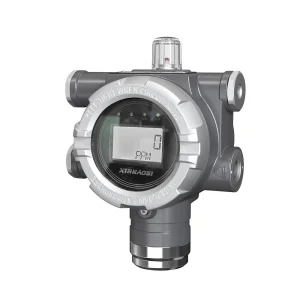
Heavy oil processes generate high levels of corrosive sulfur gases and explosive vapors. Heavy-duty explosion-proof point detectors (such as the GTYQ-AT0602) monitor pump seals, storage tanks, and filling areas to prevent catastrophic ignition.
Sewer systems, fermentation tanks, and access tunnels are prone to toxic gas accumulation and oxygen depletion. Portable multi-gas detectors (like the XM314) give workers real-time monitoring, built-in SOS alarms, and fall detection for immediate rescue support.
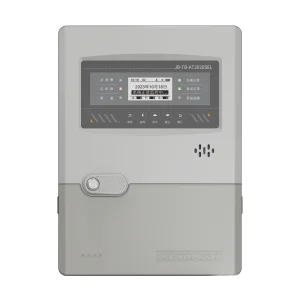
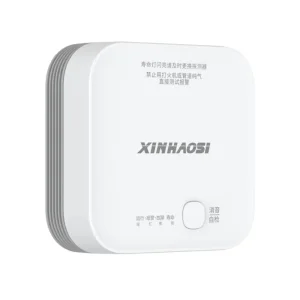
Hotels, hospitals, and schools use natural gas or LPG lines. Sourcing compact, high-sensitivity detectors (like the JT-AT2004A series) connected to solenoid shut-off valves ensures gas lines close automatically if a burner goes out.
Collaborating with leading global enterprises, energy providers, and industrial safety distributors.












In-depth insights into sensor technologies, installation best practices, and industrial compliance standards.
Insights and updates from Xinhaosi's research teams and global engineering events.
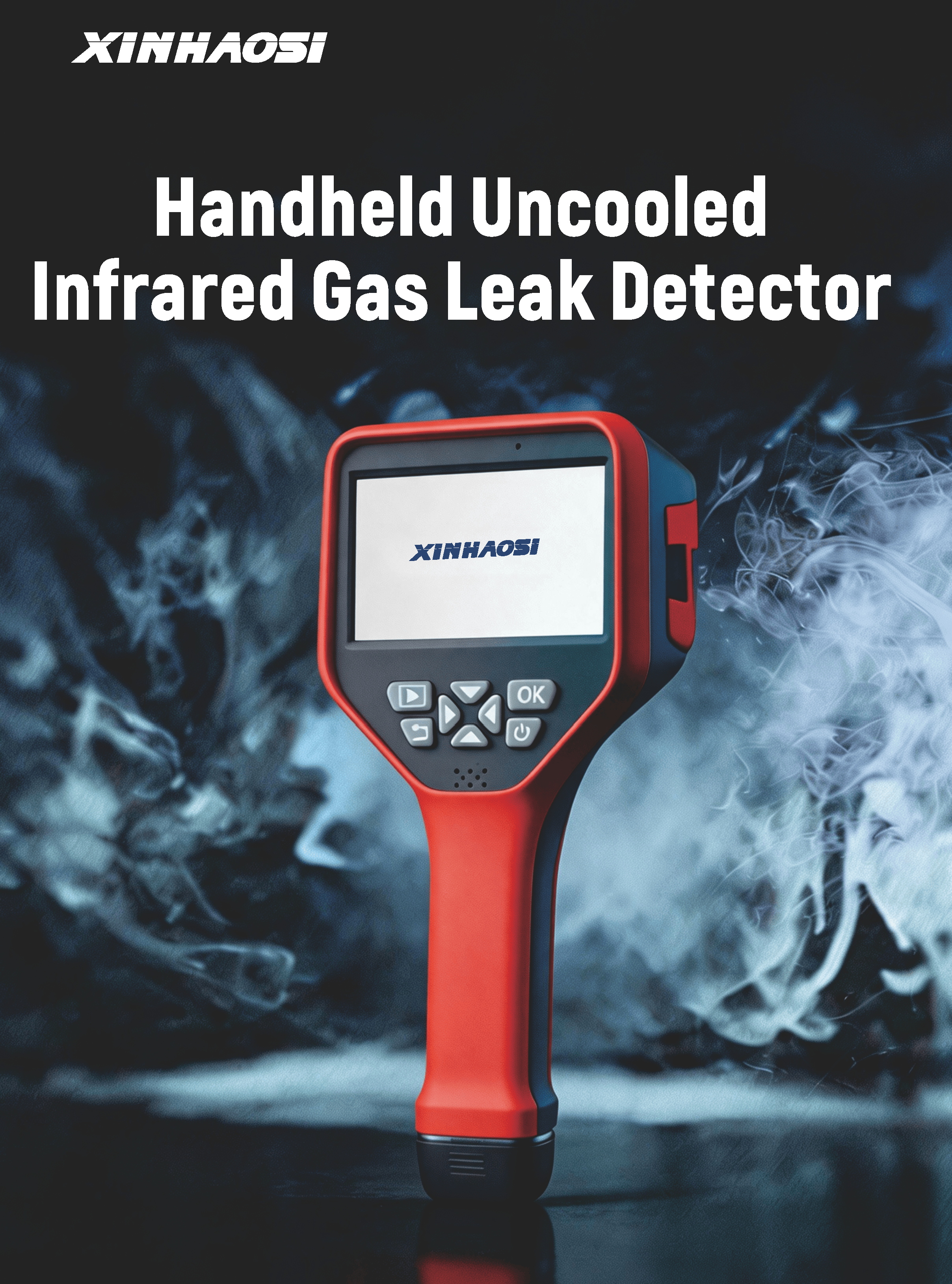
Xinhaosi Electronic Detection Technology Co., Ltd. officially launched its new Handheld Uncooled Infrared Gas Leak Detector, featuring dual-technology fusion, ultra-fast response, and long-distance non-contact detection to enhance safety and efficiency in petrochemical, refrigeration, natural gas and industrial safety scenarios.
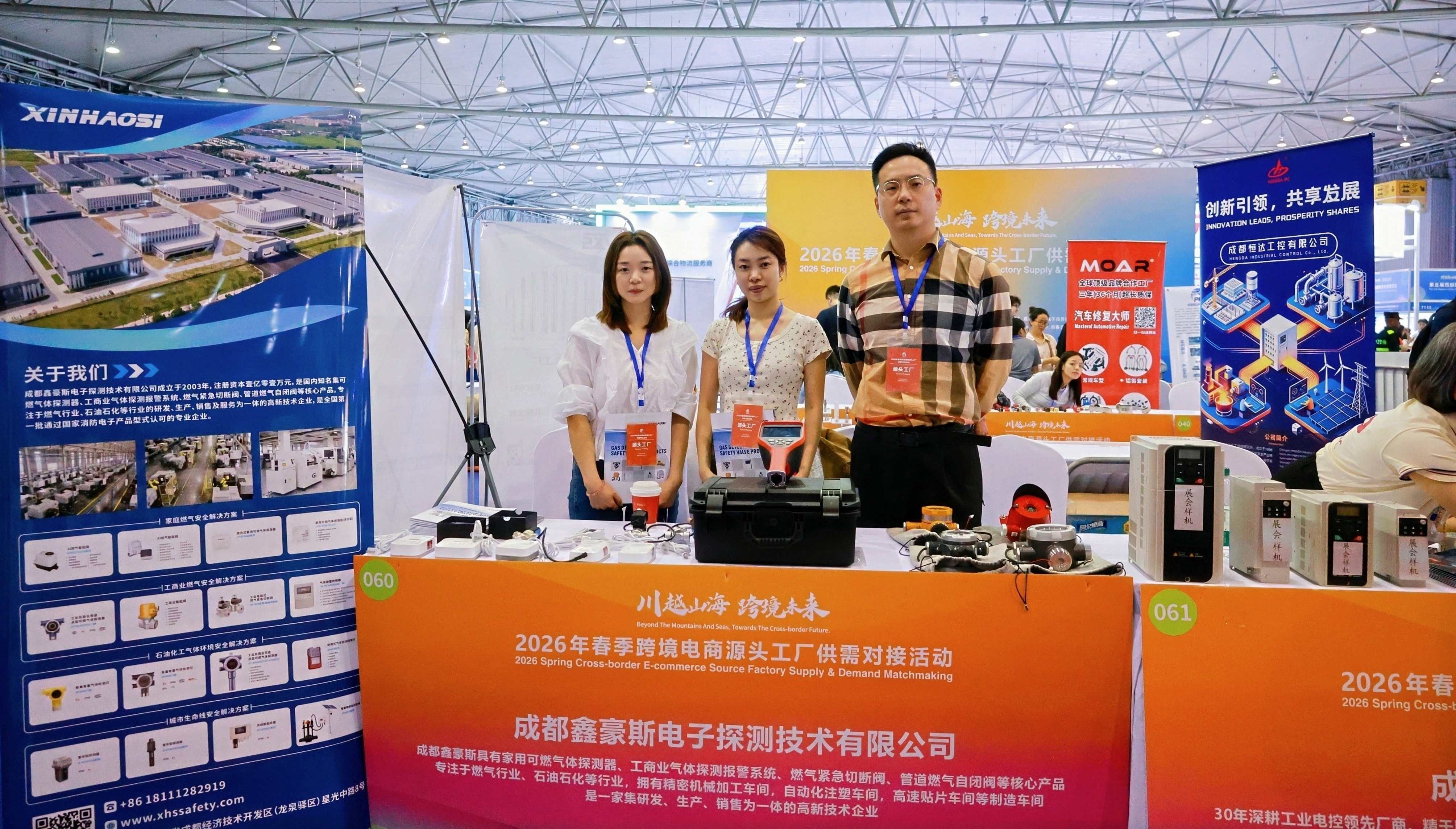
XINHAOSI recently participated in the 5th Western China Cross-Border E-Commerce Expo held in Chengdu. The event brought together cross-border e-commerce platforms, global buyers, manufacturers, and supply chain companies, creating new opportunities for international business cooperation and overseas market development.

XINHAOSI recently participated in the 2026 Sichuan (Chengdu) – Indonesia Industry Matchmaking Conference held in Chengdu. The event gathered enterprises and industry representatives from China and Indonesia to strengthen industrial cooperation and explore new business opportunities in Southeast Asia.
Complete your environmental monitoring system with explosion-proof detectors and automated shut-off controllers.