

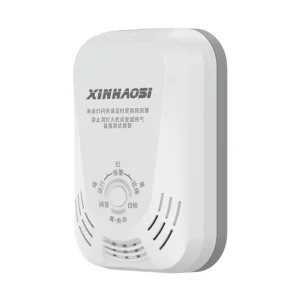
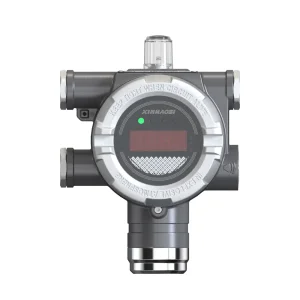
High-Quality Battery Powered Natural Gas Detector Suppliers & Factories

Precision Gas Safety Infrastructure Engineered with Ultra-Low Power Consumption and Advanced Remote Sensing Capabilities for Industrial and Household Protection.

Featured Infrastructure

High-Performance Detection Systems & Components

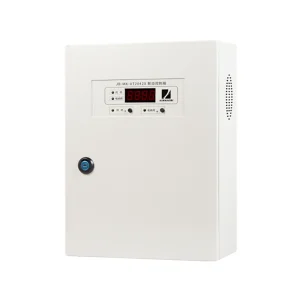
JB-MK-AT2042X Interlock Control Box

High-Quality JB-MK-AT2042X Interlock Control Box Supplier, Factories

View Product Specifications
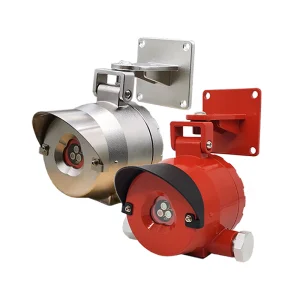
OEM FD1020 Triple Infrared Flame Detector

OEM FD1020 Triple Infrared Flame Detector-1 Supplier, Manufacturer

View Product Specifications
OEM China GT-AT0616 Series Underground Shaft Combustible Gas Monitoring Device

OEM China GT-AT0616 Series Underground Shaft Combustible Gas Monitoring Device - Reliable Suppliers & Factory

View Product Specifications
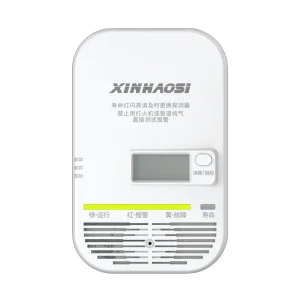
OEM China Suppliers Factory JT-AT2013A Household Combustible Gas Detector

OEM China Suppliers Factory JT-AT2013A Household Combustible Gas Detector for Safety and Home Protection

View Product Specifications
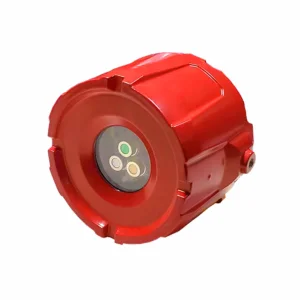
High-Quality IFD2020 Flame Detector Manufacturers

High-Quality IFD2020 Flame Detector Manufacturers, Factories

View Product Specifications
JT-AT2004A Series Household Combustible Gas Detector

OEM China Suppliers Factory JT-AT2004A/JY-AT2004A Series Household Combustible Gas Detector

View Product Specifications
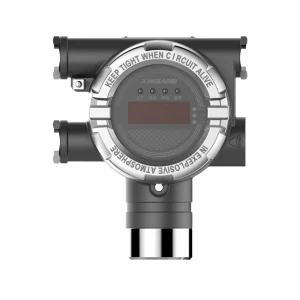
GTYQ-AT0602A Explosion Proof Combustible Gas Detector

High-Quality Explosion Proof Combustible Gas Detector GTYQ-AT0602A from China Suppliers & Factory

View Product Specifications
GTYQ-AT0602A Explosion Proof Combustible Gas Detector Supplier

High-Quality GTYQ-AT0602A Explosion Proof Combustible Gas Detector Supplier, Manufacturers

View Product Specifications
Technology Breakthrough

The Shift to Battery Powered Natural Gas Detection

Traditional methane monitoring systems depend on complex electrical wiring infrastructures, rendering deployments in existing complexes, historical structures, and off-grid gas supply channels excessively costly and structurally invasive. The emergence of battery powered natural gas detectors has revolutionized municipal, industrial, and home safety domains by offering maintenance-free, self-powered security devices that install in minutes.

These detectors leverage advancements in low-power metal-oxide semiconductor (MOS) and catalytic combustion sensing tech. Integrated microcontrollers operate on cyclical sleep sequences, keeping average battery consumption under 15 microamps. This architecture ensures standard lithium battery modules can maintain protection for 3 to 5 years, delivering continuous security without grid reliance.

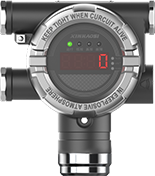
Battery Powered Gas Detection Engineering Lab
Sensing Portfolios

End-to-End Solutions for Comprehensive Safety

Industrial Gas & Flame Systems

Industrial Gas & Flame

Detection Systems. Safety First from Precision Sensing technologies.

Household & Commercial Gas Detectors

Household & Commercial

Gas Detectors. Continuous home safety from smart gas monitoring networks.
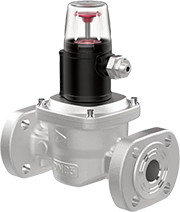
Industrial & Household Gas Solenoid Valves

Gas Solenoid Valves

Protecting networks from the source with automated pipeline shut-off.
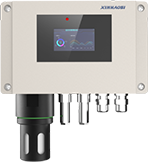
Urban Gas Distribution & Monitoring

Urban Gas Distribution

Smart Sensing and pressure monitoring designed for urban gas pipelines.

Xinhaosi Innovation Concept
Brand Identity & Leadership

X Represents the Unknown Risks
X Represents the Next-Gen Safety Technology

Xinhaosi Technology Logo Accent

Founded in 2003, Xinhaosi has emerged as one of the safety market's most reliable and influential brands. We deliver precision gas protection, industrial control boxes, solenoid shut-off systems, and wireless pressure monitors. Our hardware protects residential developments, municipal underground shafts, and high-risk petrochemical processing centers globally.

By coupling advanced manufacturing centers with digital calibration systems, we make invisible gas leak risks clear and manageable. Our products provide responsive protection to shape a safer future world.

2003 Established Year
10M+ Units Deployed
50+ Global Patents
100% Factory Tested
Technical White Paper

Deep Analysis: Engineering Resilient Methane Detection Infrastructure

1. Macro-Level Industrial Challenges in Natural Gas Detection

Natural gas consists primarily of methane (CH4), a highly combustible compound with a Lower Flammable Limit (LFL) of 5.0% by volume. Even minor accumulations in enclosed cavities can ignite rapidly if exposed to ignition sources. In industrial operations, distribution networks, and municipal projects, deploying traditional gas detectors faces significant barriers:

  • Electrical Installation Costs: Running flameproof conduit (such as Class I, Div 1 systems) through industrial spaces and concrete complexes often costs more than the gas detectors themselves.
  • Infrastructure Limitations: Legacy urban facilities, historic districts, and remote pipelines often lack power lines, precluding typical AC-powered sensing units.
  • Confined Space Challenges: Confined locations, including underground shafts, sewers, and valve chambers, suffer from humidity and chemical exposure, demanding rugged, self-contained devices.

Modern battery powered natural gas detectors resolve these hurdles. Bypassing standard electrical lines simplifies remote installation. These units run on independent internal power cells, continuing to operate during grid blackouts or industrial shutdowns.

2. Sensor Chemistries & Power Optimization Algorithms

Designing a battery-operated natural gas detector requires keeping sensor sensitivity high while maintaining low power consumption. Legacy catalytic bead sensors consume significant current because they keep the active bead at elevated temperatures (often exceeding 400°C). Our engineers implement several strategies to extend battery life to multiple years:

A. Micro-Electro-Mechanical Systems (MEMS) Metal Oxide Semiconductor Sensors

MEMS technology shrinks the heating elements of MOS sensors. Rather than drawing hundreds of milliwatts, MEMS micro-hotplates heat in milliseconds, enabling rapid sampling cycles. A typical configuration measures gas concentration in less than a second before returning the sensor to a low-power standby state.

B. Cycle-Based Methane Detection & Smart Sleeping States

Operating a detector continuously would drain standard lithium-thionyl chloride (Li-SOCl2) batteries in weeks. Our hardware uses structured wake-sleep duty cycles. The device sleeps for 15 to 30 seconds, wakes to sample the environment, analyzes the signal, and sleeps again. If methane approaches a pre-alarm threshold, the system shifts into real-time monitoring to provide rapid alarm response.

C. Low-Power Non-Dispersive Infrared (NDIR) Sensing

For high-reliability industrial settings, NDIR sensors offer target-gas specificity, immune to common chemical poisoning agents like silicones or sulfur compounds. We employ pulsed light-emitting diode (LED) NDIR systems instead of incandescent light sources, dropping active power consumption to the micro-watt range while delivering reliable methane detection.

3. Global Regulations, Certifications, and Engineering Standards

Gas safety equipment must meet strict international compliance guidelines. When procuring battery powered gas detectors, compliance verification is vital. Key regulatory baselines include:

  • ATEX Directive (Europe) & IECEx: Governs equipment intended for explosive atmospheres. The hardware must limit electrical and thermal energy under normal and fault conditions, certified as intrinsically safe (e.g., Ex ia IIC T4 Ga).
  • UL 1484 & EN 50194: Establish requirements for residential and commercial methane detectors, mandating alarm trigger points well below the lower explosive limit (typically at 10% LEL).
  • SIL 2/3 (Functional Safety Certification): Confirms the system's safety integrity level, validating low probability of failure on demand (PFD) for safety systems like the JB-MK-AT2042X Interlock Box.

Xinhaosi maintains ISO 9001:2015 certified manufacturing facilities. Our designs undergo environmental, electromagnetic compatibility (EMC), and long-term stability testing to ensure reliable operation in harsh conditions.
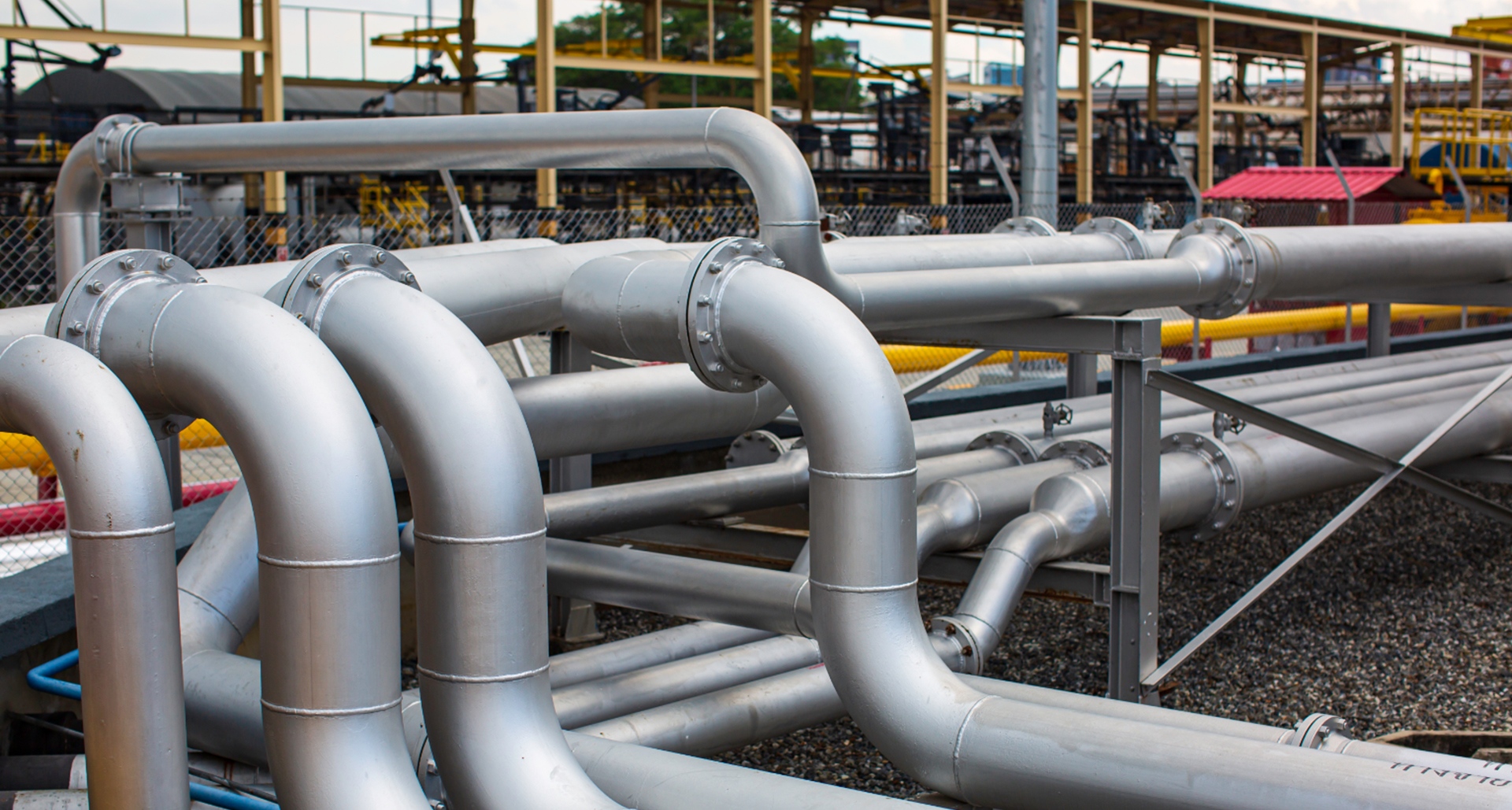
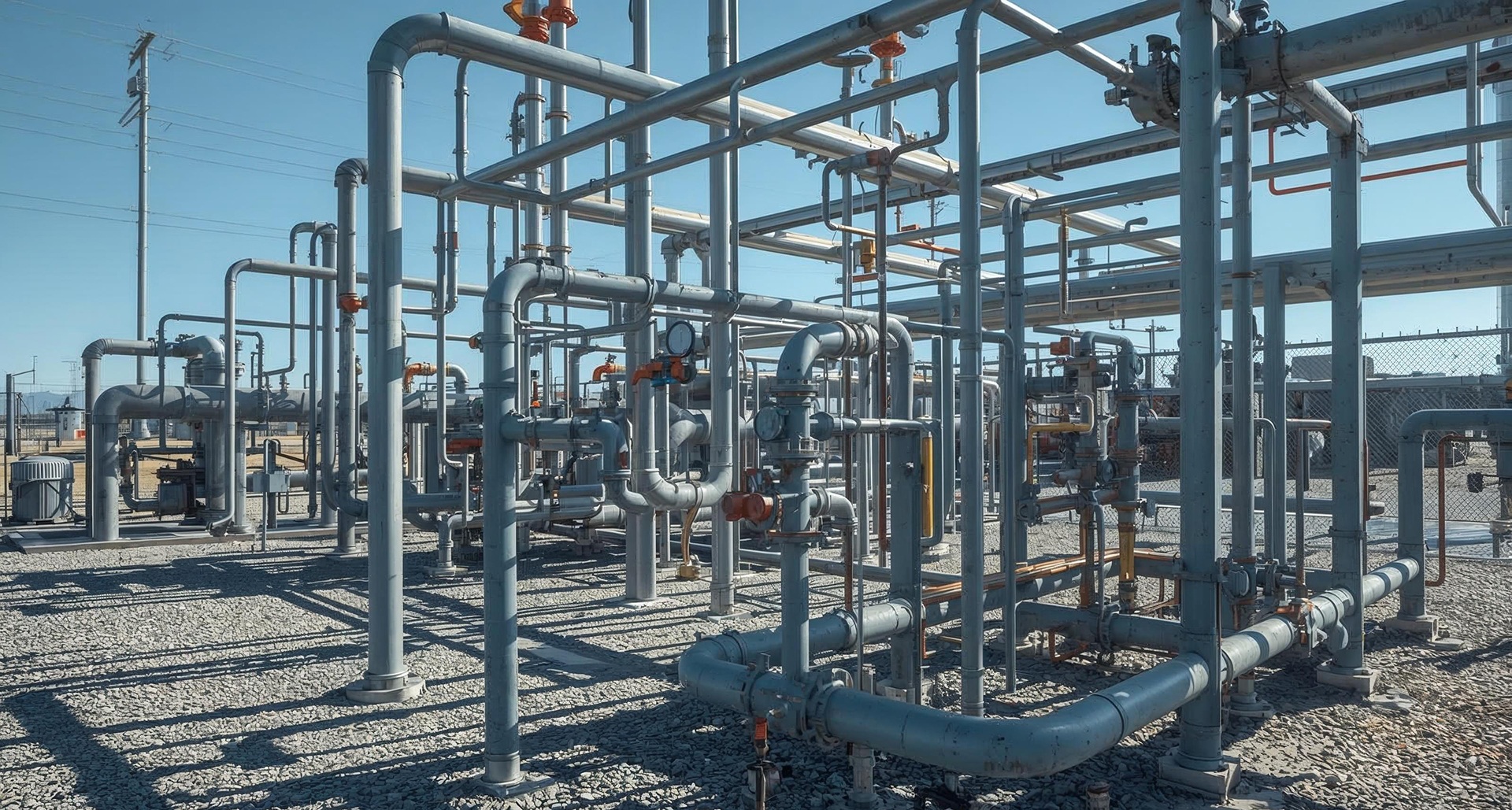
Xinhaosi Testing Facility and Chamber Calibration
Automated Gas Production Assembly Lines

4. Application Integration & Safety Architectures

Ensuring site safety requires combining gas detection with rapid automatic isolation. When a battery powered gas detector detects a leak, it must transmit that alert to trigger shut-off systems:

  • Wireless Transmission Protocols: Devices utilize sub-GHz networks (LoRaWAN, NB-IoT, or Zigbee) to transmit alert packets to a central receiver without drawing significant power.
  • Automatic Shut-off Valving: The central receiver or Interlock Box (such as the JB-MK-AT2042X) activates a high-reliability pipeline gas shut-off valve, stopping the gas leak at the primary building entry point.
  • Ventilation System Coupling: In commercial kitchens and manufacturing spaces, the alarm panel triggers emergency exhaust blowers to purge accumulated methane from the room.

5. Future Outlook: AI Diagnostics & Next-Gen Smart Sensors

The next generation of battery powered natural gas detectors is shifting toward predictive sensing. Future developments include:
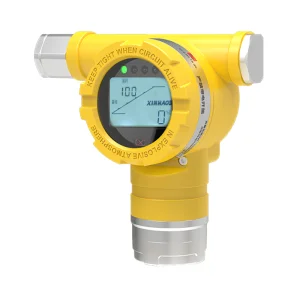
  • AI-Driven Drift Compensation: Advanced firmware compensates for sensor aging and environmental swings, reducing false alarms and lengthening calibration intervals.
  • Solid-State Electrodes with Decadal Lifespans: Future solid-state sensors will last up to 10 years on a single battery pack, matching the typical service life of the device.
  • Multi-gas Optical Microsensors: Miniaturized optical systems will identify specific hydrocarbons, distinguishing between commercial natural gas (methane) and organic vapors or sewer gases to minimize false reports.
Production Catalog

Precision Monitoring Instruments & Controls

OEM GTYQ-XP3000 Explosion Proof Combustible Gas Detector

OEM GTYQ-XP3000 Explosion Proof Combustible Gas Detector Manufacturers

View Product Specifications
High-Quality Pipeline Gas Automatic Shut-off Valve

High-Quality Pipeline Gas Automatic Shut-off Valve Supplier, Factory

View Product Specifications
OEM China IFD2020 Infrared Flame Detector

OEM China IFD2020 Infrared Flame Detector - Quality Supplier from Factory

View Product Specifications
High-Quality JT-AT2013A Gas Detector

High-Quality JT-AT2013A Household Combustible Gas Detector Manufacturers

View Product Specifications
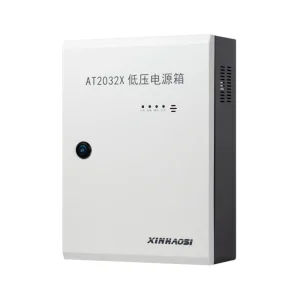
OEM AT2032X Low Voltage Power Box

OEM AT2032X Low Voltage Power Box Manufacturers, Factory

View Product Specifications
JT-AT2066AK/B Household Combustible Gas Detector

High-Quality China Suppliers Factory JT-AT2066AK/B Household Combustible Gas Detector

View Product Specifications
OEM China GT-AT0637 Wireless Smart Pressure Monitor

OEM China GT-AT0637 Wireless Smart Pressure Monitor - Trusted Suppliers & Factory

View Product Specifications
OEM XP4000 Explosion Proof Oxgen / Toxic / VOC Gas Detector

OEM XP4000 Explosion Proof Oxgen / Toxic / VOC Gas Detector Supplier, Factory

View Product Specifications
Industry News & Updates

Stay Tuned for the Latest from Xinhaosi & the Safety Industry

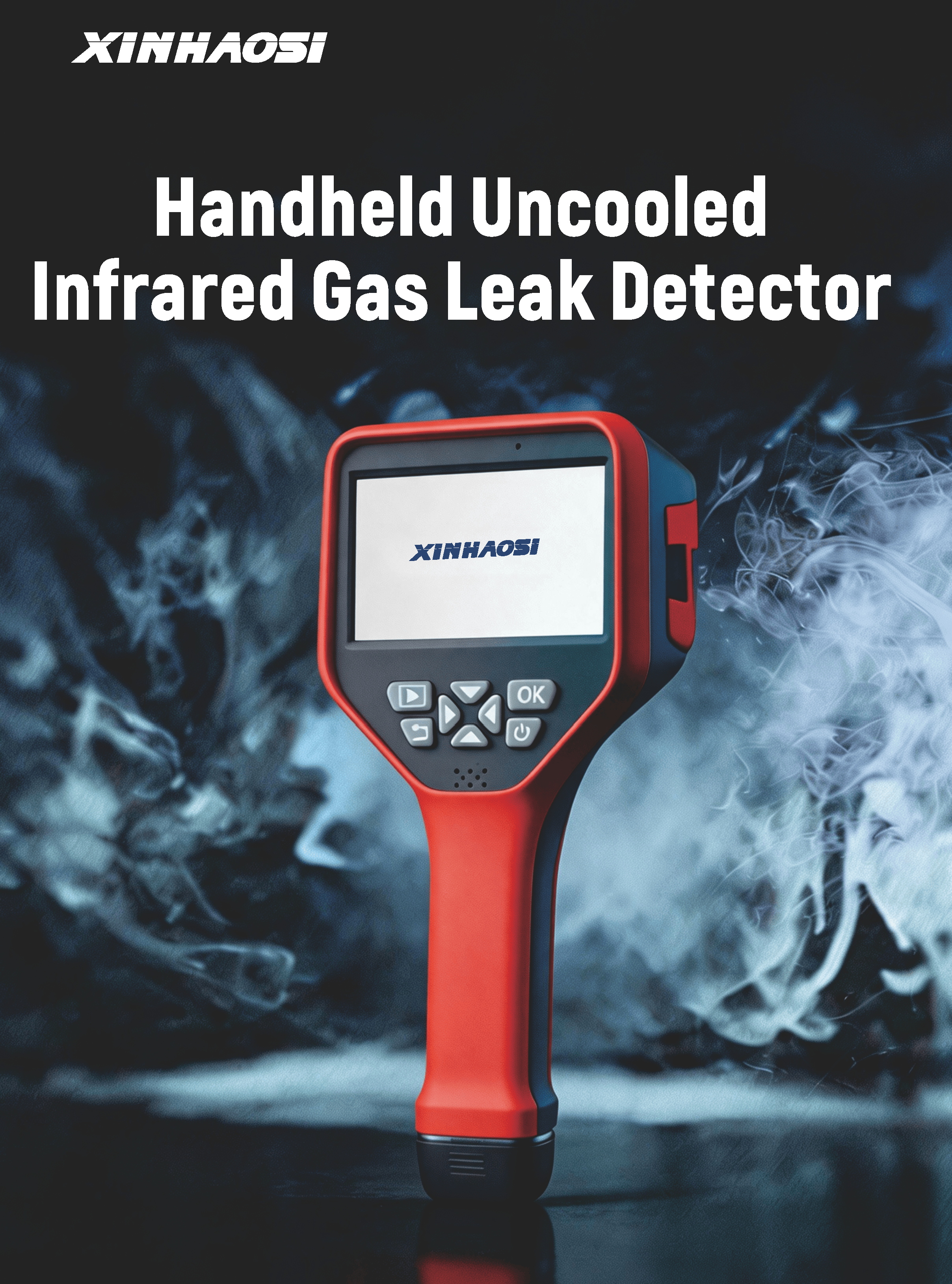
Handheld Uncooled Infrared Gas Leak Detector Release

Xinhaosi Launches New Handheld Uncooled Infrared Gas Leak Detector

Xinhaosi Electronic Detection Technology Co., Ltd. officially launched its new Handheld Uncooled Infrared Gas Leak Detector, featuring dual-technology fusion, ultra-fast response, and long-distance non-contact detection to enhance safety and efficiency in petrochemical, refrigeration, natural gas and industrial safety scenarios.
May 09, 2026
5th West China Cross-Border E-Commerce Expo

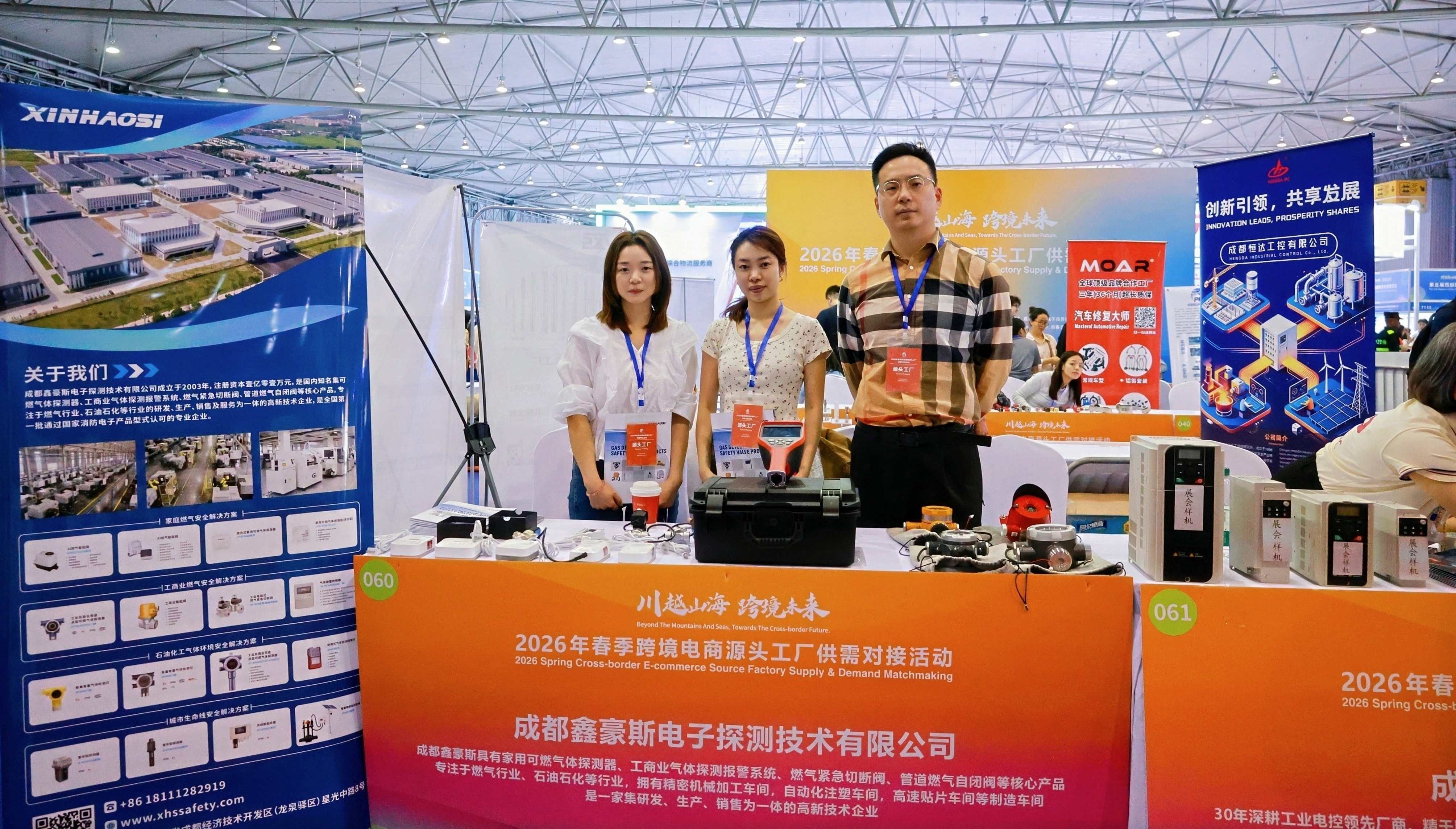
XINHAOSI Participates in the 5th West China Cross-Border E-Commerce Expo

XINHAOSI recently participated in the 5th Western China Cross-Border E-Commerce Expo held in Chengdu. The event brought together cross-border e-commerce platforms, global buyers, manufacturers, and supply chain companies, creating new opportunities for international business cooperation and overseas market development.

May 08, 2026
Sichuan - Indonesia Industry Matchmaking Conference

XINHAOSI Participates in 2026 Sichuan (Chengdu) – Indonesia Industry Matchmaking Conference

XINHAOSI recently participated in the 2026 Sichuan (Chengdu) – Indonesia Industry Matchmaking Conference held in Chengdu. The event gathered enterprises and industry representatives from China and Indonesia to strengthen industrial cooperation and explore new business opportunities in Southeast Asia.

May 08, 2026
Global Network

Trusted Partners & Strategic Global Alliances

Partner Logo 1
Partner Logo 2
Partner Logo 3
Partner Logo 4
Partner Logo 5
Partner Logo 6
Partner Logo 7
Partner Logo 8
Partner Logo 9
Partner Logo 10
Partner Logo 11
Partner Logo 12
Partner Logo 13
Partner Logo 14
Partner Logo 15
Partner Logo 16
Partner Logo 17
Partner Logo 18
Partner Logo 19
Partner Logo 20
Partner Logo 21
Partner Logo 22
Partner Logo 23
Partner Logo 24
FAQ

Technical Specification & Engineering Q&A

Q1: What is the typical lifespan of the sensor inside a battery powered natural gas detector?
The operational lifespan depends on the sensor chemistry used. Standard electrochemical and catalytic sensors generally operate reliably for 3 to 5 years, while advanced infrared (NDIR) sensors can last up to 10 years. We recommend routine system performance checks according to local standards.
Q2: How do battery powered gas detectors communicate with automatic shut-off solenoid valves?
Communication is managed via wireless protocols like LoRaWAN, NB-IoT, or proprietary sub-GHz RF modules. When gas levels exceed the safety limit, the detector transmits an alert to a central receiver panel or interlock unit (e.g., the JB-MK-AT2042X), which signals the solenoid valve to close, isolating the gas supply.
Q3: Can these systems operate reliably in environments subject to extreme temperatures?
Our industrial-grade sensors, such as the GTYQ-AT0602A and GTYQ-XP3000, are designed to work across temperature ranges from -40°C to +70°C. They feature built-in temperature compensation circuitry to prevent sensor drift and false alarms caused by environmental changes.
Q4: What certifications are required for gas detectors in explosive industrial settings?
Industrial gas safety hardware must have regional certifications, including ATEX for Europe, IECEx for international markets, and UL/FM for North America. These standards verify that the equipment will not introduce ignition risks in hazardous areas containing combustible vapors.
Q5: How often do battery-operated methane detectors require field calibration?
Industrial regulations typically require calibration checks every 6 to 12 months using certified span gas. For domestic models, built-in self-diagnostic routines and automated drift compensation help maintain accuracy over the device's service life.
Q6: What measures prevent sensors from losing sensitivity due to chemical exposure?
To prevent issues from compounds like silicones or sulfur, we use sintered stainless-steel flame arrestors and specialized filters. For high-risk areas, using infrared (NDIR) sensors is recommended, as optical sensing is unaffected by these chemical compounds.
Q7: How are battery levels monitored to prevent unexpected device shutdowns?
The hardware constantly measures battery voltage under load conditions. If power levels drop below a set threshold, the detector generates a local signal and transmits a low-battery status report to the central monitoring system, providing several weeks of warning before shutdown.
Q8: What advantages do triple-infrared (3IR) flame detectors offer over single-frequency units?
Triple-infrared detectors, such as the OEM FD1020, monitor three distinct wavelengths within the infrared spectrum. This multi-band monitoring allows the sensor to differentiate between actual hydrocarbon flames and common false alarm sources, such as hot metal surfaces, arc welding, or sunlight.