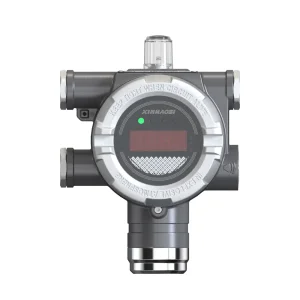
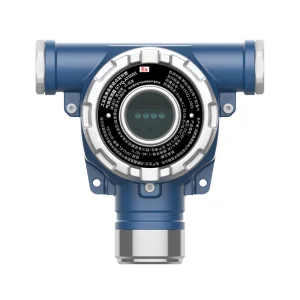
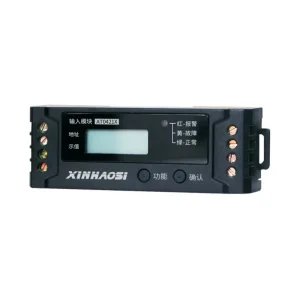
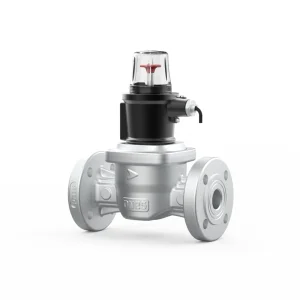
Industrial explosion-proof transmitters, continuous ambient air monitors, and intelligent digital gateway devices engineered for maximum reliability in extreme environments.
Strategic industrial shifts driving modern occupational health, ecological protection, and autonomous plant management.
Multi-Sensing Architectures combine catalytic combustion, electrochemical, and optical sensor modules onto a single micro-transmitter chip. Powered by local artificial intelligence algorithms, these arrays analyze real-time chemical patterns to eliminate environmental cross-sensitivities and mitigate false-alarm fatigue.
The industry is transitioning toward advanced optical and uncooled infrared camera technology. Systems such as Uncooled Infrared Gas Leak Detectors enable remote, real-time visual tracking of invisible gas clouds from distances up to 50 meters, providing crucial protection for high-risk chemical storage facilities.
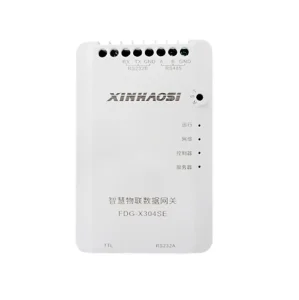
Standalone local detectors are evolving into distributed IoT ecosystems. By implementing LoRaWAN, 4G LTE, and Bluetooth mesh interfaces into equipment like the FDG-X304SE Intelligent Data Gateway, sites can stream continuous sensor data to SCADA or cloud portals for predictive facility maintenance.
Industrial procurement departments prioritize specific parameters when establishing gas monitoring infrastructure.
Procuring entities operate under strict statutory frameworks. Flameproof and intrinsically safe designs must hold verified international certifications like ATEX, IECEx, UL, and CSA to guarantee safe installation in Class I, Division 1, and Zone 1/2 hazardous areas.
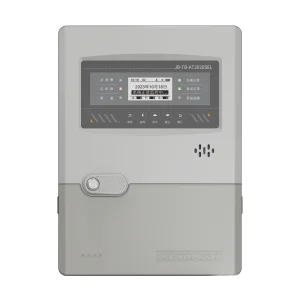
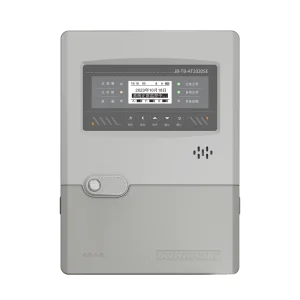
High-hazard industries mandate that monitoring loops comply with Safety Integrity Levels (typically SIL-2 or SIL-3). Procurement teams verify the probability of failure on demand (PFD) values and hardware fault tolerance (HFT) properties of control units such as the JB-TB-AT2020SEL.
Minimizing total cost of ownership (TCO) is a key corporate objective. Global buyers seek instrumentation featuring drift-resistant designs and zero-point stability, reducing field calibration frequency from monthly intervals to annual or bi-annual schedules.
Modern applications frequently require bespoke integrations. Global buyers expect factories to provide flexible, modular product platforms, enabling customization of enclosure materials (e.g., 316 Stainless Steel vs Aluminum Alloy) and output interfaces (Modbus RTU, 4-20mA, HART, or wireless protocols).
Deploying tailored detection arrays across industrial, municipal, and commercial sectors to construct comprehensive safety perimeters.
In highly corrosive, gas-dense atmospheres, our GTYQ-AT0602A Combustible Gas Detector delivers continuous LEL monitoring. Engineered with cast-aluminum explosion-proof enclosures and high-precision catalytic sensors, these units withstand high salt spray and extreme temperatures, sending rapid alarms to central control rooms via the Modbus-enabled JB-TB-AT2020SEL controller.
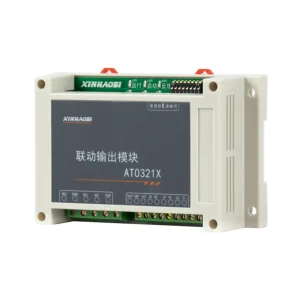
Subterranean distribution infrastructure demands highly sensitive, low-power detection. The GT-AT0617 Series Underground Shaft Monitor operates in high-humidity, low-oxygen environments. Integrating smart low-power wake-up technology, it continuously scans for methane accumulation, triggering automatic safety shutdowns via the AT0321X output relays.
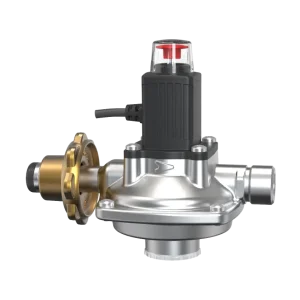
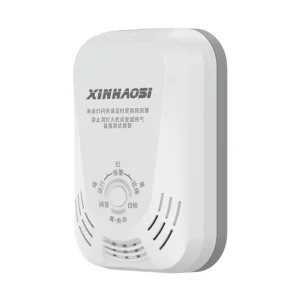
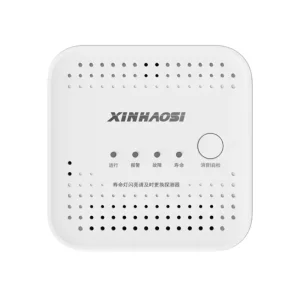
Providing consumer-grade reliability with industrial-grade precision. The JT-AT2004A and JT-AT3068 Household Combustible Gas Detectors monitor natural gas and liquefied petroleum gas (LPG). Upon detection of a leak, they signal our smart AI safety valves or solenoids (XF3 Series) to shut off the gas source instantly, preventing potential fire hazards.
Founded in 2003, Xinhaosi has established itself as one of the most influential and trusted names in the gas safety sector. For over two decades, we have designed, manufactured, and optimized advanced detection systems to safeguard industrial facilities, municipal utility networks, and homes worldwide.
Our modern manufacturing facilities utilize advanced automated calibration lines, automated optical inspection (AOI), and environmental test chambers. By testing every sensor against strict temperature and humidity ranges, we ensure our products deliver high accuracy and reliability when deployed in the field.
Developing next-generation safety solutions that leverage edge intelligence and remote sensing capabilities.
Integrating microprocessors directly into gas safety shut-off valves. Future systems will communicate bidirectionally with control gateways to adjust shut-off thresholds based on gas pressure, flow dynamics, and ambient gas concentration levels.
Expanding our uncooled infrared optical gas imaging solutions. This will allow for the visualization of localized greenhouse gas emissions and volatile organic compounds (VOCs) at lower detection limits, assisting enterprises in meeting environmental compliance requirements.
Integrating small, explosion-proof sensor payloads onto robotic crawlers and inspection drones. These systems will autonomously scan large petrochemical complexes, tracking down diffusive emissions and creating real-time safety maps.
Xinhaosi serves an international clientele through a network of local partners, distributors, and service centers. We recognize that localized support is critical for maintaining industrial safety infrastructure.
Detailed technical answers addressing common deployment and operation questions from engineers and procurement managers.
Catalytic combustion sensors detect combustible gases through oxidation, which produces temperature changes on a catalytic bead. They are cost-effective and detect a wide range of hydrocarbons, but require oxygen to operate and can be poisoned by silicones, sulfur compounds, or halides. Non-Dispersive Infrared (NDIR) sensors measure gas concentrations through infrared light absorption. They do not require oxygen, are immune to chemical poisoning, and offer long-term stability, though they typically cannot detect non-hydrocarbon combustible gases like Hydrogen (H2).
The GT-AT0617 uses a multi-layered hydrophobic filter and an integrated heating element within the sensor chamber. This prevents water condensation on the active sensing element, which could otherwise block gas diffusion and cause measurement drift or false alarms.
The JB-TB-AT2020SEL controller supports standard industrial communication options. It features RS-485 Modbus RTU, 4-20mA analog loop connections, and programmable dry-contact relays (NO/NC). It can also interface with smart gateways to stream telemetry data via LoRaWAN or 4G LTE to SCADA systems.
Calibration schedules depend on environmental conditions and regulatory requirements. We recommend performing a bump test every 3 to 6 months and a full calibration at least once a year. High-drift environments or zones with potential sensor poisons may require more frequent checks.
The GTYQ-AT0602A has a T90 response time of less than 15 seconds for methane (CH4) when exposed to target concentrations. This rapid response allows automatic safety systems to trigger shut-offs and ventilation before gas levels reach explosive thresholds.
Yes. Our JT-AT2004A and JT-AT3068 series are designed and tested to meet EN 50194 standards for electrical apparatus detecting combustible gases in domestic premises, verifying reliable performance for consumer safety.
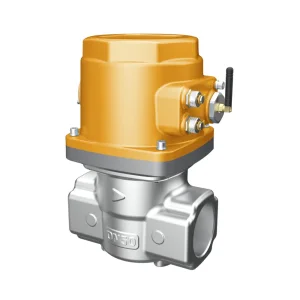
Upon reaching the alarm threshold (typically 5% to 10% LEL), the detector sends a 12V pulse to the normally-open XF3 solenoid valve. This triggers the valve's internal mechanism to shut off the gas flow, requiring a manual reset for safety once the area has been cleared.
Yes. The FDG-X304SE gateway features RS485 Modbus RTU master channels and analog inputs, allowing it to aggregate data from both Xinhaosi detectors and compatible third-party industrial sensors for unified monitoring.
Complete control equipment, input/output expansion modules, and safety valve systems to build automated safety loops.
Stay up to date with new product launches and international market engagement from Xinhaosi.
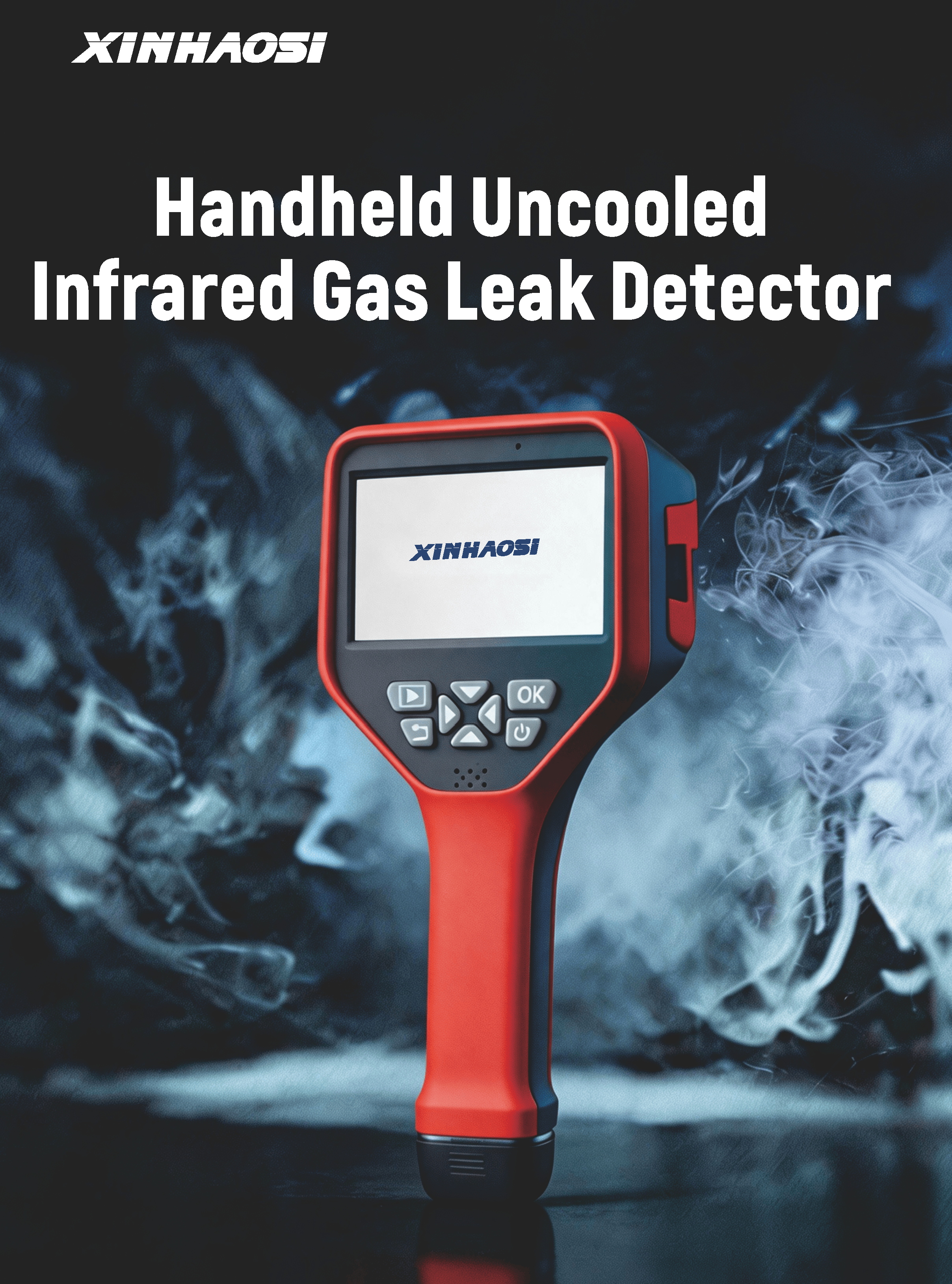
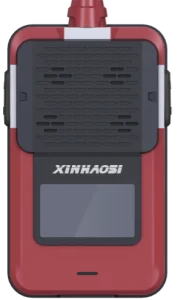
We have introduced our new Handheld Uncooled Infrared Gas Leak Detector, designed to enhance safety and efficiency in petrochemical, refrigeration, and natural gas installations.
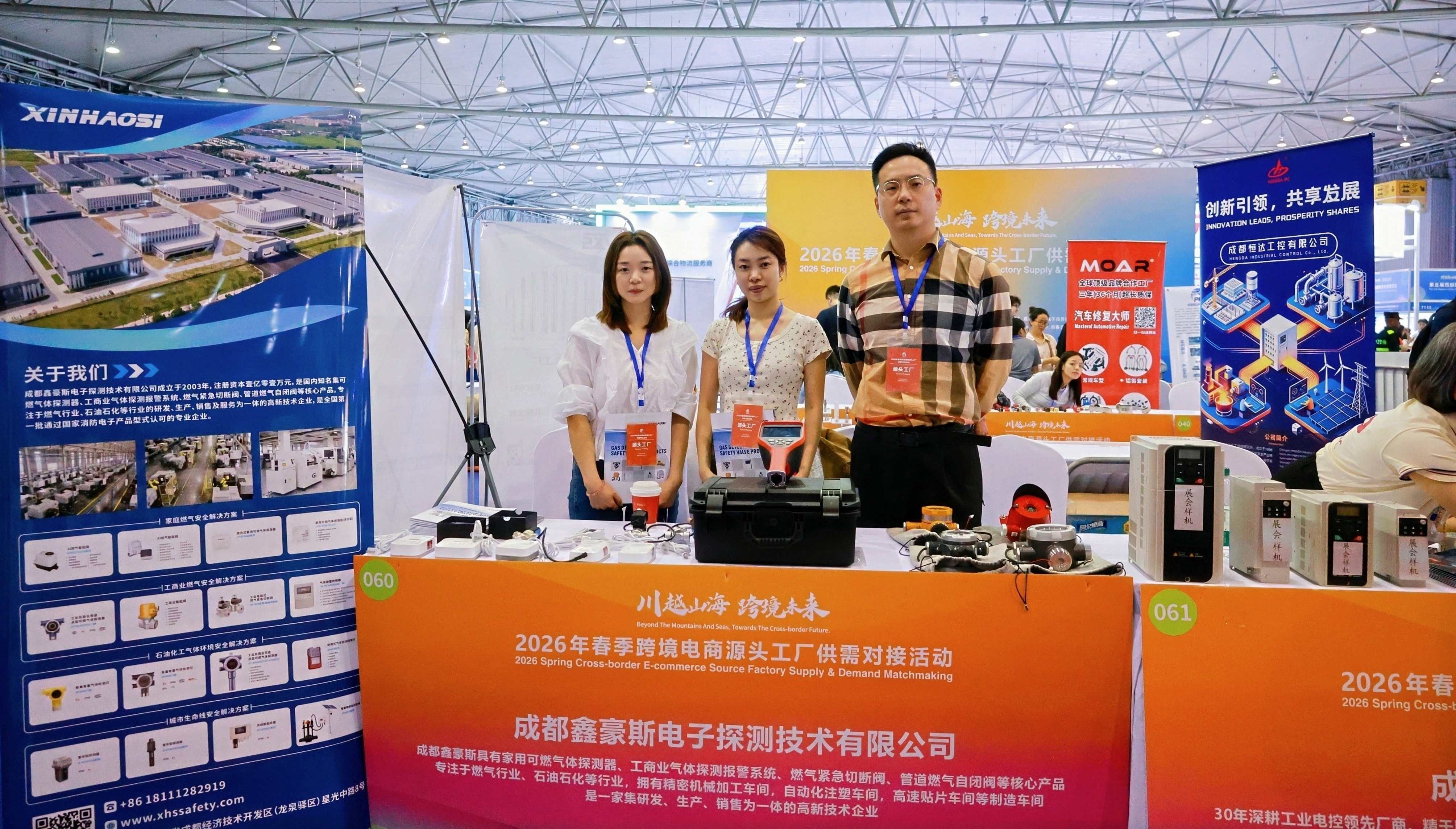
Xinhaosi participated in the Western China Cross-Border E-Commerce Expo in Chengdu, connecting with global buyers and exploring international supply chain collaborations.

Xinhaosi joined industry representatives in Chengdu to discuss industrial cooperation and energy infrastructure opportunities in the Southeast Asian market.
Collaborating with global corporations, municipal gas utilities, and industrial contractors to build reliable gas safety networks.