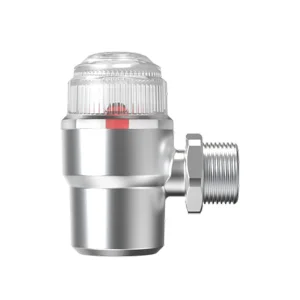


Solenoid valves are the cornerstone of modern industrial fluid automation, with the half inch solenoid valve acting as the primary standard for low-to-medium flow rate systems globally. Across chemical processing, oil & gas distribution, water purification, and commercial heating systems, the 1/2-inch aperture provides the ideal balance between pressure retention and volumetric throughput.
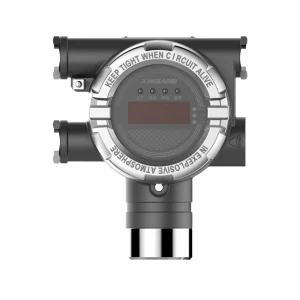
In today's commercial landscape, the demand for high-reliability valves has shifted from simple mechanical actuators to integrated safety components. With the rise of strict environmental regulations (such as EPA mandates in the United States and the European Green Deal), solenoid valves must feature zero-leakage profiles and extreme pressure capabilities. Systems require fast-acting shut-off units, often coupled with smart gas monitoring arrays, to automatically interrupt fuel supplies the millisecond a combustible mixture is detected in the atmosphere.
Global logistics, automation integration, and compliance certificates represent major friction points for procurement executives. Selecting a certified, high-performance manufacturer guarantees that the systems will withstand corrosive media, extreme temperature swings (-20°C to +60°C), and potential high-explosive environments (requiring ATEX or explosion-proof specifications).
Critical parameters for standard industrial 1/2 inch solenoid safety valves.
For international sourcing agents, finding a reliable manufacturer in China is not merely about sourcing the cheapest materials; it is about finding a facility that integrates complete end-to-end quality assurance systems. Chinese factories have undergone a massive industrial upgrade, transitioning from high-volume assembly lines to fully automated precision manufacturing hubs.
Our production facilities utilize advanced CNC machining, computerized coil winding stations, and automated helium mass spectrometer leak testing. This guarantees that every single half inch solenoid valve meets the most stringent zero-leakage threshold. Key manufacturing advantages include:
By bypassing multiple layers of distributors, procurement officers can secure factory-direct pricing, customized OEM/ODM options (such as custom lead lengths, voltages, or bracket configurations), and strict compliance with global safety standards.
Nitrile rubber (NBR) and Viton (FKM) seal materials designed for hydrocarbon compatibility and zero degradation over millions of cycles.
Low-voltage power options (24VDC, 12VDC) that allow the solenoid coils to operate cool, saving energy and avoiding thermal degradation.
Equipped with manual reset safety mechanisms, preventing accidental valve reactivation until the field has been safely cleared by technicians.
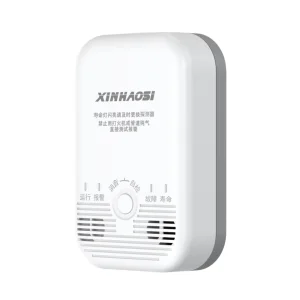
Deploying 1/2" solenoid shut-off valves in commercial and residential apartment complexes. Integrated directly with smart meters and domestic carbon monoxide/combustible gas detectors, the valve instantly isolates the gas line upon detection of an abnormal flow rate or sensor alert.
In restaurant and industrial kitchen setups, local code mandates that the gas supply must automatically shut off if the exhaust hood fan fails. Our high-pressure 1/2 inch valves act as the mechanical barrier, wired directly to control relays in the main HVAC panel.
Providing automated safety shut-off control on industrial boiler pilot lines and main lines. These valves endure continuous high-temperature environments, using high-performance explosion-proof coils to ensure safety in explosive ambient environments.
| Application Area | Recommended Valve Subtype | Standard Voltages | Critical Certification |
|---|---|---|---|
| Residential Gas Lines | Normally Open (Manual Reset) | 9V - 12V Pulse | CE / EN161 |
| Commercial Boiler Feeds | Normally Closed (Direct Acting) | 24VDC / 220VAC | SIL 2 / UL Listed |
| Chemical Processing Plant | Explosion-Proof (SS316 Body) | 24VDC / 110VAC | ATEX / Ex d IIC T6 |
| Pneumatic Assembly Systems | Fast-Acting Pilot Operated | 24VDC | IP65 / ISO9001 |
Future Ready Safety Infrastructure Powered by Precision Sensing & Fluid Automation


We utilize advanced electronic detection technology to make unknown gas leak risks clear and visible.
Founded in 2003, Xinhaosi is one of the most influential and reliable brands in the gas safety industry. We provide customer-focused products and services to safeguard the safe operation of every factory, the comfort of every city, and the peace and happiness of every home. Powered by cutting-edge production systems and technology, we deliver more advanced, intuitive, and precise gas safety solutions for shaping a safer future world.
By blending our gas detection capabilities with heavy-duty physical shut-off mechanics, we create a unified safety chain. When selecting our half inch solenoid valves, you are investing in a system designed by engineers who understand the electrical, physical, and gaseous complexities of fire and safety code compliance. From localized domestic safety triggers to heavy industrial control boxes, our systems stand as the ultimate guard against atmospheric safety failures.

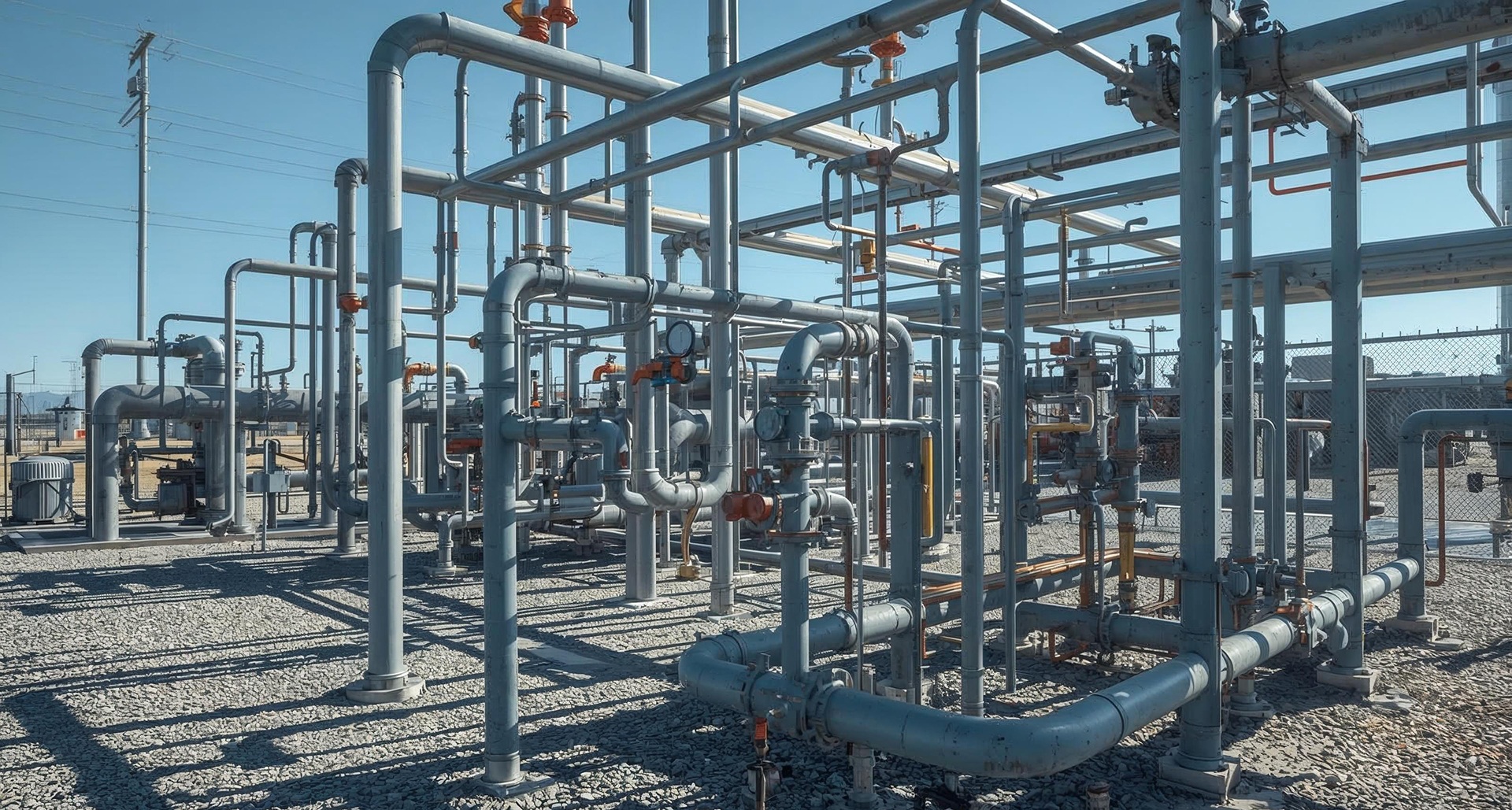
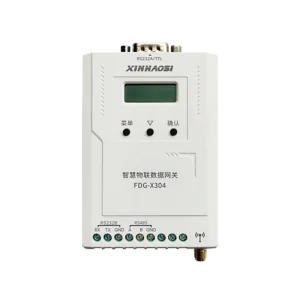
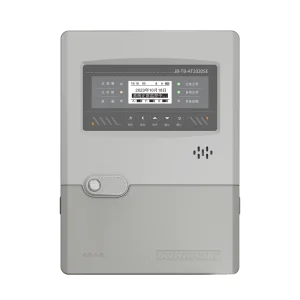
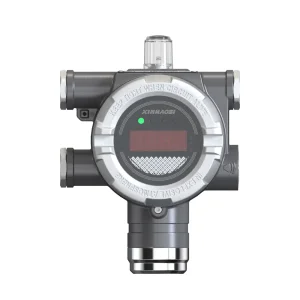
Empowered by technology, our comprehensive solutions deliver full-chain integration, absolute protection, and shape the future of gas monitoring with active digital intelligence. We control risks at the physical layer using fast-acting solenoid systems, and report state anomalies at the digital layer through advanced control units.
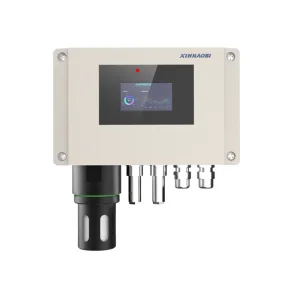
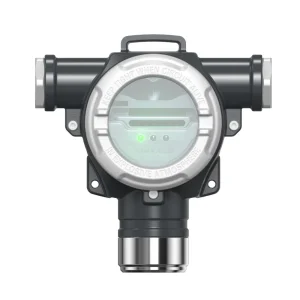
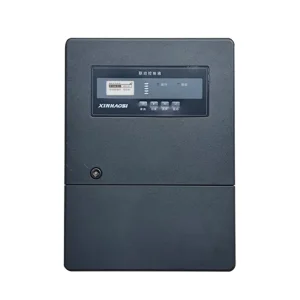
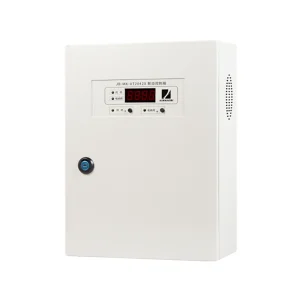
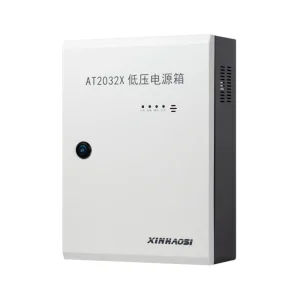
Whether you require standard OEM low-voltage power boxes, wireless pressure monitors, or explosion-proof alarm sirens, our system handles every link. This integrated hardware approach ensures that line pressure drop, voltage drops, and sensor delays are perfectly calibrated prior to shipment.
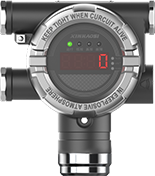
Detection Systems - Safety First from Precision Sensing

Home Safety from Gas Monitoring
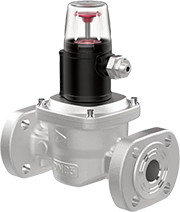
Protecting from the Source
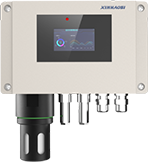
Smart Sensing for Urban Gas
























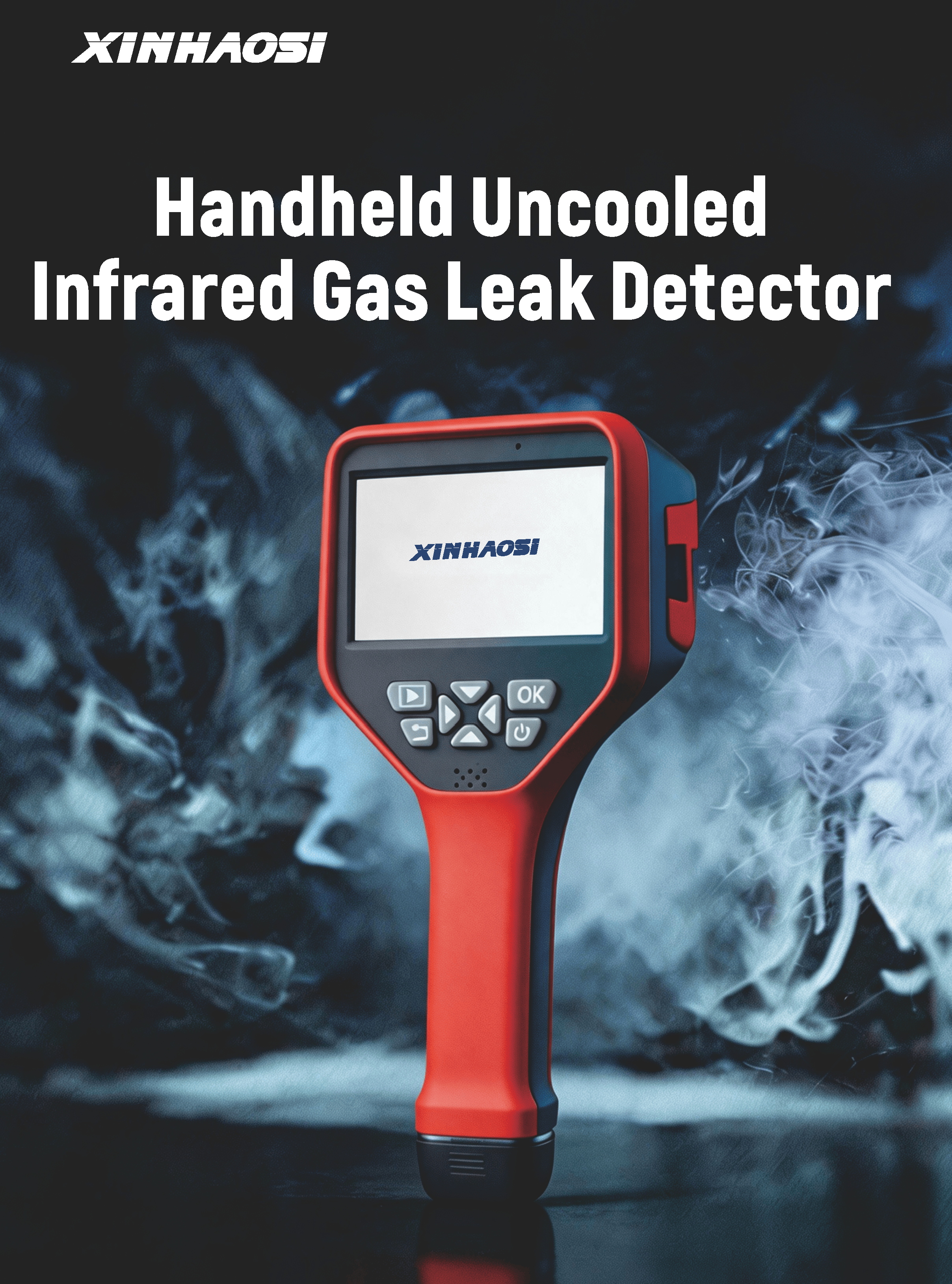
Xinhaosi Electronic Detection Technology Co., Ltd. officially launched its new Handheld Uncooled Infrared Gas Leak Detector, featuring dual-technology fusion, ultra-fast response, and long-distance non-contact detection to enhance safety and efficiency in petrochemical, refrigeration, natural gas and industrial safety scenarios.
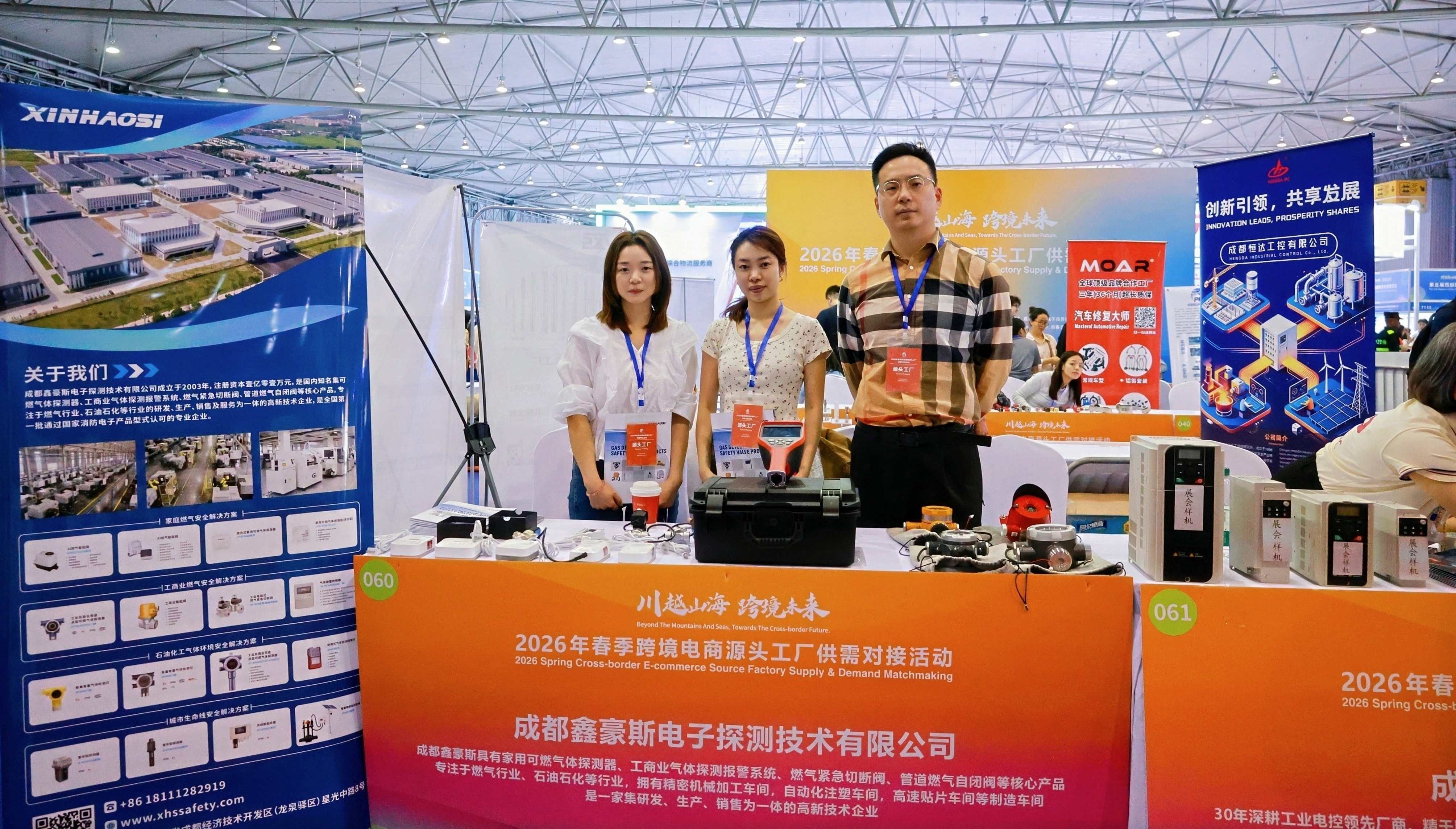
XINHAOSI recently participated in the 5th Western China Cross-Border E-Commerce Expo held in Chengdu. The event brought together cross-border e-commerce platforms, global buyers, manufacturers, and supply chain companies, creating new opportunities for international business cooperation and overseas market development.

XINHAOSI recently participated in the 2026 Sichuan (Chengdu) – Indonesia Industry Matchmaking Conference held in Chengdu. The event gathered enterprises and industry representatives from China and Indonesia to strengthen industrial cooperation and explore new business opportunities in Southeast Asia.
When evaluating a half inch solenoid valve supplier, engineering teams and global procurement directors must evaluate technical data that directly impacts plant safety, operation costs, and system longevity. Sourcing teams should focus on these essential criteria:
By enforcing these strict technical constraints during the RFP (Request for Proposal) stage, purchasers can avoid the common pitfalls of premature solenoid coil burnout, system chatter, or catastrophic valve seat leakage.
A: Normally open valves allow gas to flow without consuming power. They are held open by mechanical springs. In emergencies, a high-voltage electrical pulse (often triggered by a gas detector controller) trips the latch, forcing the valve to close and remain mechanically locked. This prevents continuous power draw and protects the coil from heating up during long-term standby periods.
A: Direct-acting valves use electromagnetic force to lift the plunger directly off the seat, operating from 0 bar up to their maximum pressure rating. Pilot-operated valves use the pressure of the fluid itself to assist in lifting the seal. They require a minimum differential pressure (usually 0.5 bar or higher) to function correctly and are ideal for high-pressure, high-flow systems.
A: In environments where gas leaks may occur (such as petrochemical facilities or industrial gas metering rooms), any electrical spark can trigger a massive explosion. An explosion-proof coil housing is constructed to contain any internal spark or thermal energy, preventing it from igniting the surrounding explosive atmosphere.
A: Both natural gas and LPG can be run through high-quality brass or aluminum bodies. The critical component is the soft sealing material. Nitrile Rubber (NBR) is highly effective and widely used for standard gases, while Viton (FKM) is recommended for systems carrying sour gas or heavy liquid condensates due to its superior chemical resistance.
A: If a gas valve shuts off due to a power outage or a detected leak, a manual reset mechanism prevents the valve from automatically reopening when power is restored. A human operator must physically inspect the facility, confirm that the gas leak has stopped, and manually pull the valve reset handle. This prevents accidental gas leaks from poisoning or burning building occupants.
A: Standard solenoids heat up when kept constantly energized, which increases wire resistance, reduces magnetic force, and can eventually lead to insulation breakdown. Selecting high-grade insulated wire, optimizing power consumption with dual-voltage coils, or deploying latching/pulse solenoids eliminates excessive heat build-up and guarantees long-term durability.