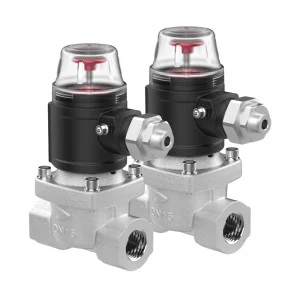
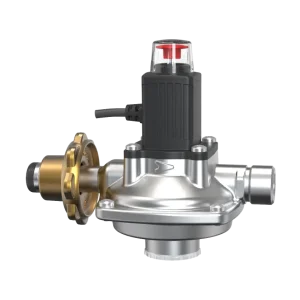
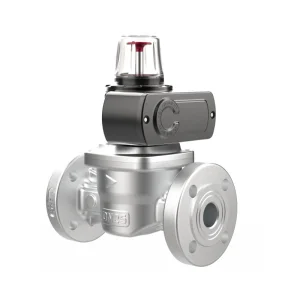
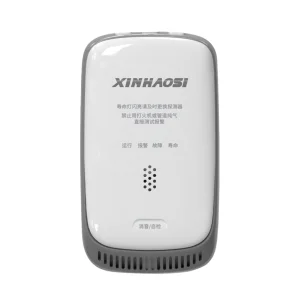
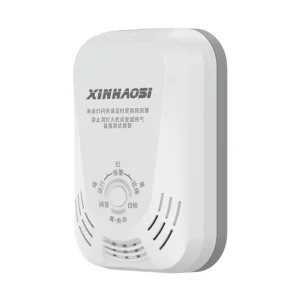
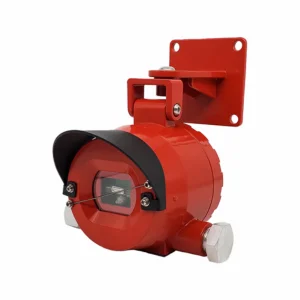
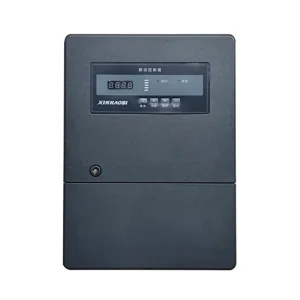
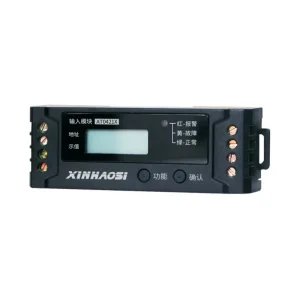
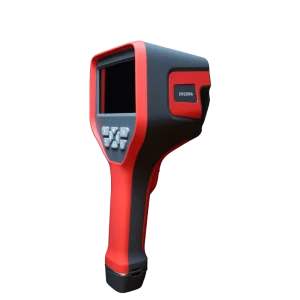
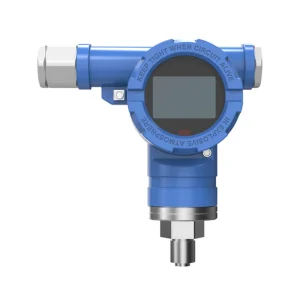
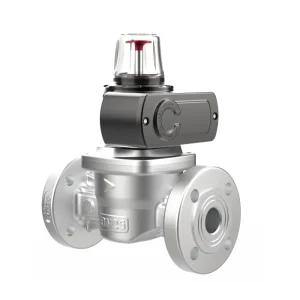
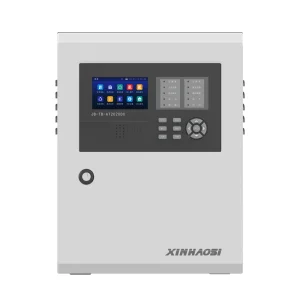
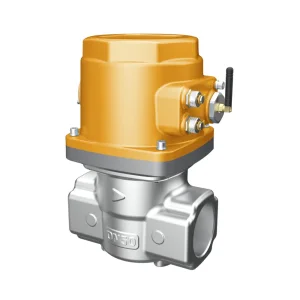
Explore our curated selection of high-performance gas safety solenoid valves, regulatory units, domestic detectors, and precision electronic safety controllers engineered to withstand hazardous environments.
In the current era of industrial modernization, safety compliance is no longer a localized checkbox but a global operational mandate. Heavy industrial sectors—ranging from oil and gas exploration, refinery installations, chemical manufacturing, to pharmaceutical processing plants and modern smart cities—rely heavily on gas sensing infrastructures to detect combustible, toxic, and asphyxiating gases. Modern multi gas monitor systems are designed to analyze the workspace atmosphere continuously, measuring percentages of explosive components (LEL), carbon monoxide (CO), hydrogen sulfide (H2S), oxygen levels (O2), and volatile organic compounds (VOCs).
Regulatory bodies across the globe, such as the Occupational Safety and Health Administration (OSHA) in North America, the ATEX Directive in the European Union, and the IECEx scheme internationally, enforce rigorous thresholds for hazardous gas concentrations. The global market dynamics indicate that industrial facilities are progressively moving away from single-gas sensors toward integrated multi-gas monitoring solutions. This paradigm shift minimizes instrumentation footprint, optimizes calibration overheads, and delivers multi-point data visualization crucial for safety control centers and emergency response coordination.
Ensuring perfect alignment with OSHA PEL, European ATEX, and global IECEx standards to keep operations within zero-hazard limits.
Direct communication links between multi-gas sensors, safety valves, and industrial PLC/DCS controllers for instant, autonomous shutdowns.
Embedded algorithms to cross-reference multi-gas readings, adjust for temperature/humidity drifts, and virtually eliminate false alarms.
Future Ready Safety Infrastructure: We utilize advanced electronic detection technology to make unknown gas leak risks clear and visible. Founded in 2003, Xinhaosi is one of the most influential and reliable brands in the gas safety industry. We provide customer-focused products and services to safeguard the safe operation of every factory, the comfort of every city, and the peace and happiness of every home. Powered by cutting-edge production systems and technology, we deliver more advanced, intuitive, and precise gas safety solutions for shaping a safer future world.


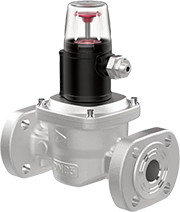
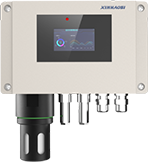
Empowered by technology. Full-chain integration. Comprehensive protection. Shaping the future with intelligence.
Xinhaosi delivers custom industrial solutions designed to integrate gas detection, emergency isolation, and ventilation activation in unified control frameworks. Our systems link distributed sensor networks directly to smart AI safety valves, ensuring that any localized hazard triggers immediate, source-level gas shut-off before toxic vapor clouds or explosive atmospheres can form.

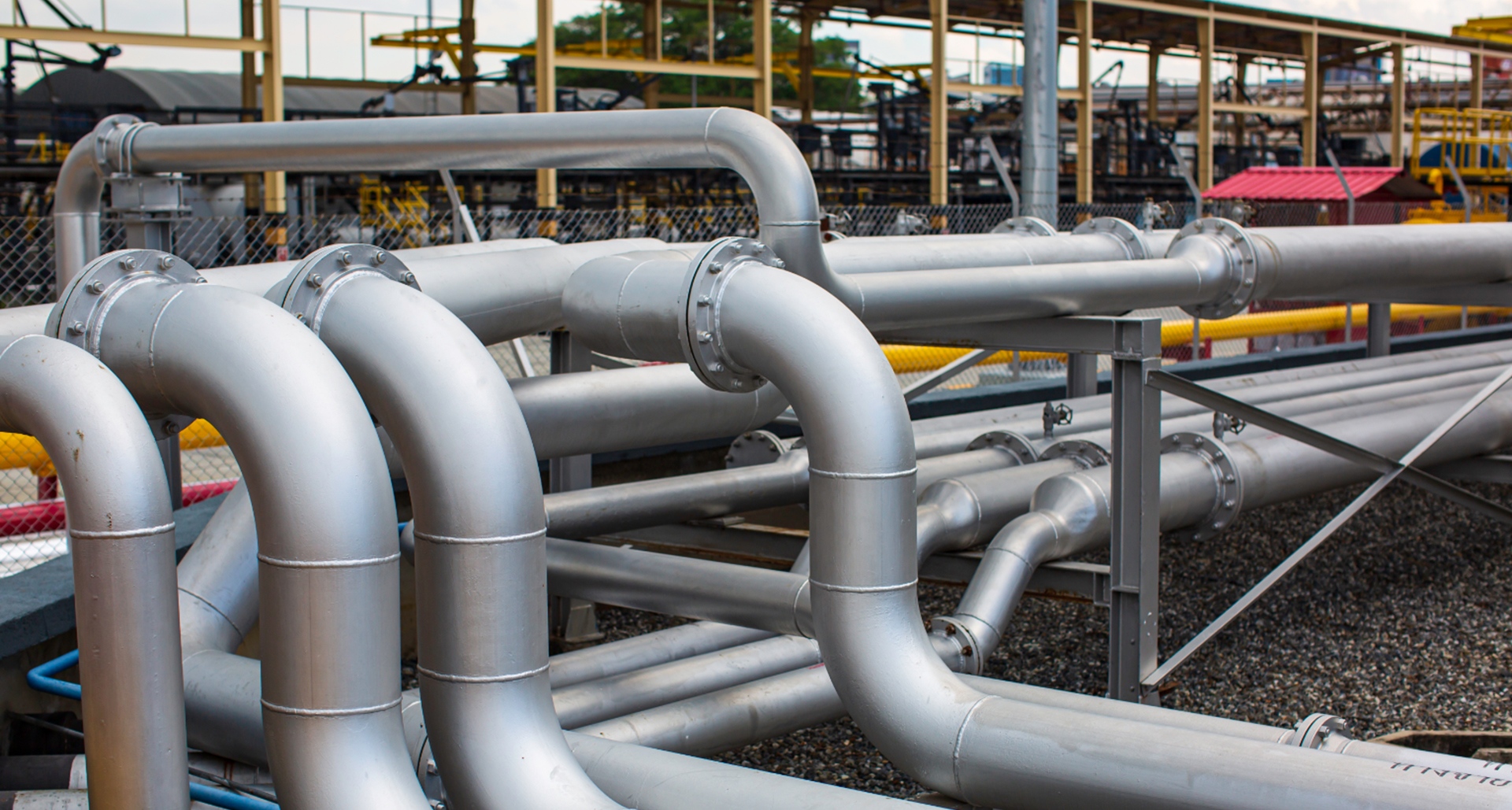
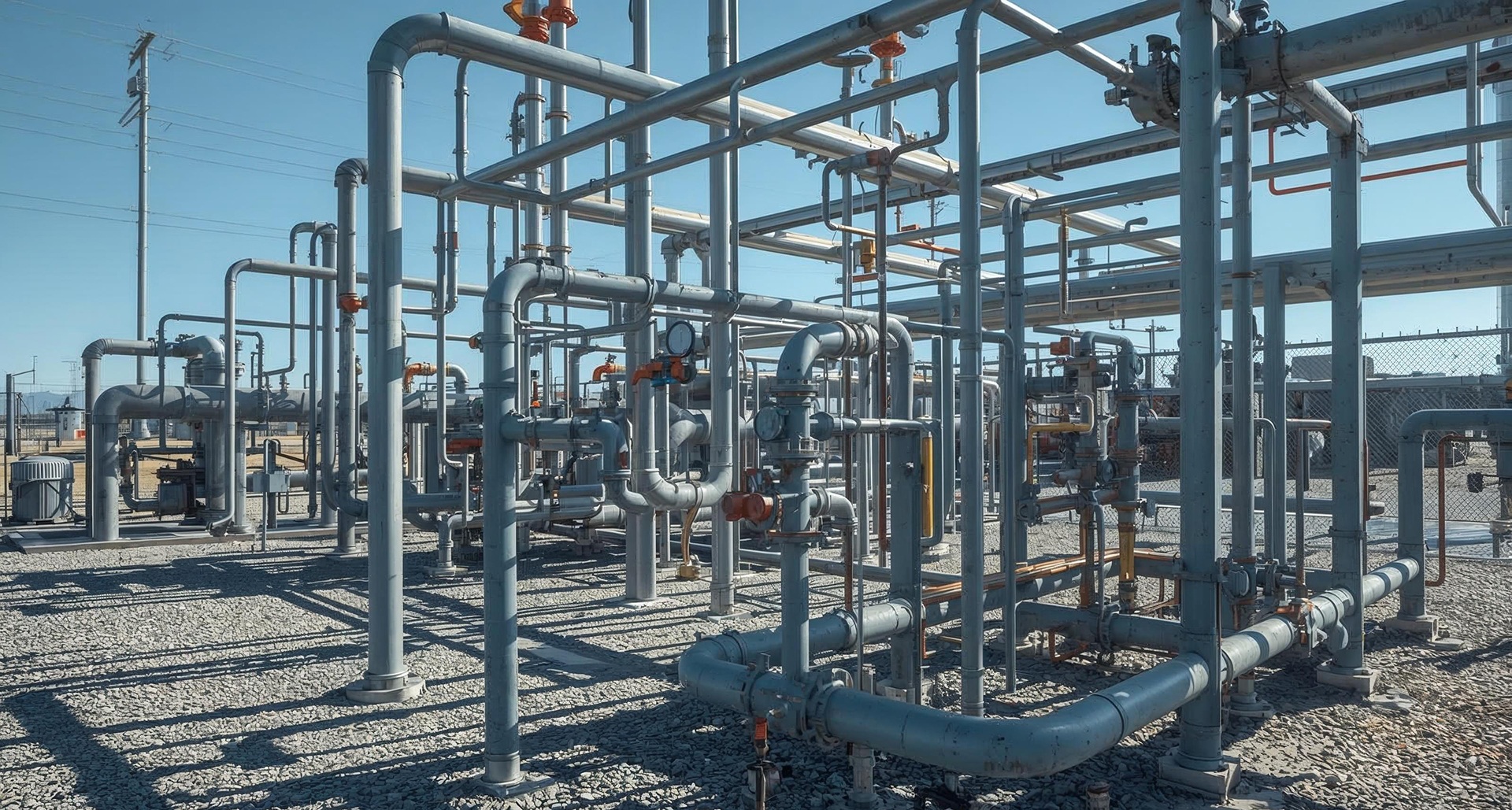
Deploying the correct sensor technology is paramount for reliability. We map down the sensing modalities, engineering tradeoffs, and target deployment scenarios to guide industrial procurement engineers.
Best utilized for target toxic gases (e.g., H2S, CO, SO2, Cl2) and Oxygen deficiency detection. Works by chemical reaction generating current proportional to gas concentration. Offers high accuracy at lower concentrations but subject to eventual sensor chemical depletion.
Ideal for Carbon Dioxide (CO2) and combustible hydrocarbons (Methane, Propane) in oxygen-depleted zones. Measures infrared light absorption levels of target gases. Zero risk of catalyst poisoning, extremely long operational life, but generally has a higher initial investment.
Catalytic Bead remains the standard for explosive limits (0-100% LEL) detection, relying on physical combustion of sample gas on a heated coil. Photoionization Detectors (PID) utilize high-energy UV light to ionize molecules, ideal for tracking sub-ppm levels of volatile organic compounds (VOCs).
Global procurement teams in heavy industries must look beyond initial sensor cost metrics to analyze total cost of ownership (TCO). A high-quality multi-gas monitoring system involves routine calibration gases, scheduled sensor element replacement, physical calibration labor, potential downtime from sensor poisoning, and the cost of regulatory non-compliance.
When evaluating suppliers, technical audits should focus on:
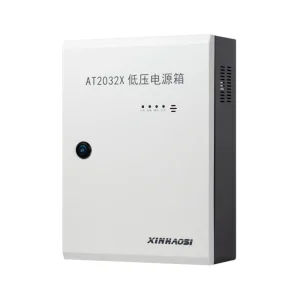
Xinhaosi helps resolve these evaluation bottlenecks by integrating sensor and control elements—including solenoid isolation valves, alarm panels, and interlock boxes—into pre-tested packages that arrive at the job site pre-configured, calibrated, and ready for commissioning.
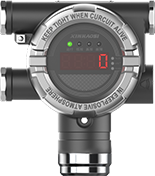
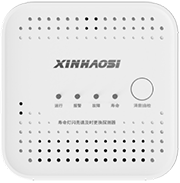
Review our second group of advanced industrial safety components, engineered to support multi-gas infrastructures, pipeline regulation, and early-stage combustion tracking.
A cookie-cutter approach to gas safety leads to system vulnerabilities or unnecessary procurement expenditures. Different industries pose unique challenges that demand tailored sensor arrays and mechanical configurations.
Characterized by dense concentrations of hydrocarbon vapors and highly toxic H2S gases. Detection configurations rely on catalytic bead or NDIR detectors positioned close to potential leak points, combined with explosion-proof enclosures rated Class I, Div 1 (ATEX Zone 1/0) and high-reliability solenoid valves to shut down production lines instantly upon alarm levels.
Wastewater treatment facilities and urban gas distributions frequently suffer from oxygen depletion and elevated methane/carbon monoxide levels. Mobile multi-gas detectors with active internal sampling pumps are specified to check environments prior to technician entry.
Urban residential complexes and commercial kitchens utilize natural gas or LPG. For these setups, safety systems prioritize low-cost, high-reliability, long-life combustible gas sensors connected to automated household shutoff valves to prevent domestic gas explosions.
Xinhaosi partners with major manufacturing companies, industrial engineering firms, and municipal bodies worldwide to construct secure, dependable gas monitoring infrastructures.
























Stay tuned for the latest updates from Xinhaosi & the Industry.
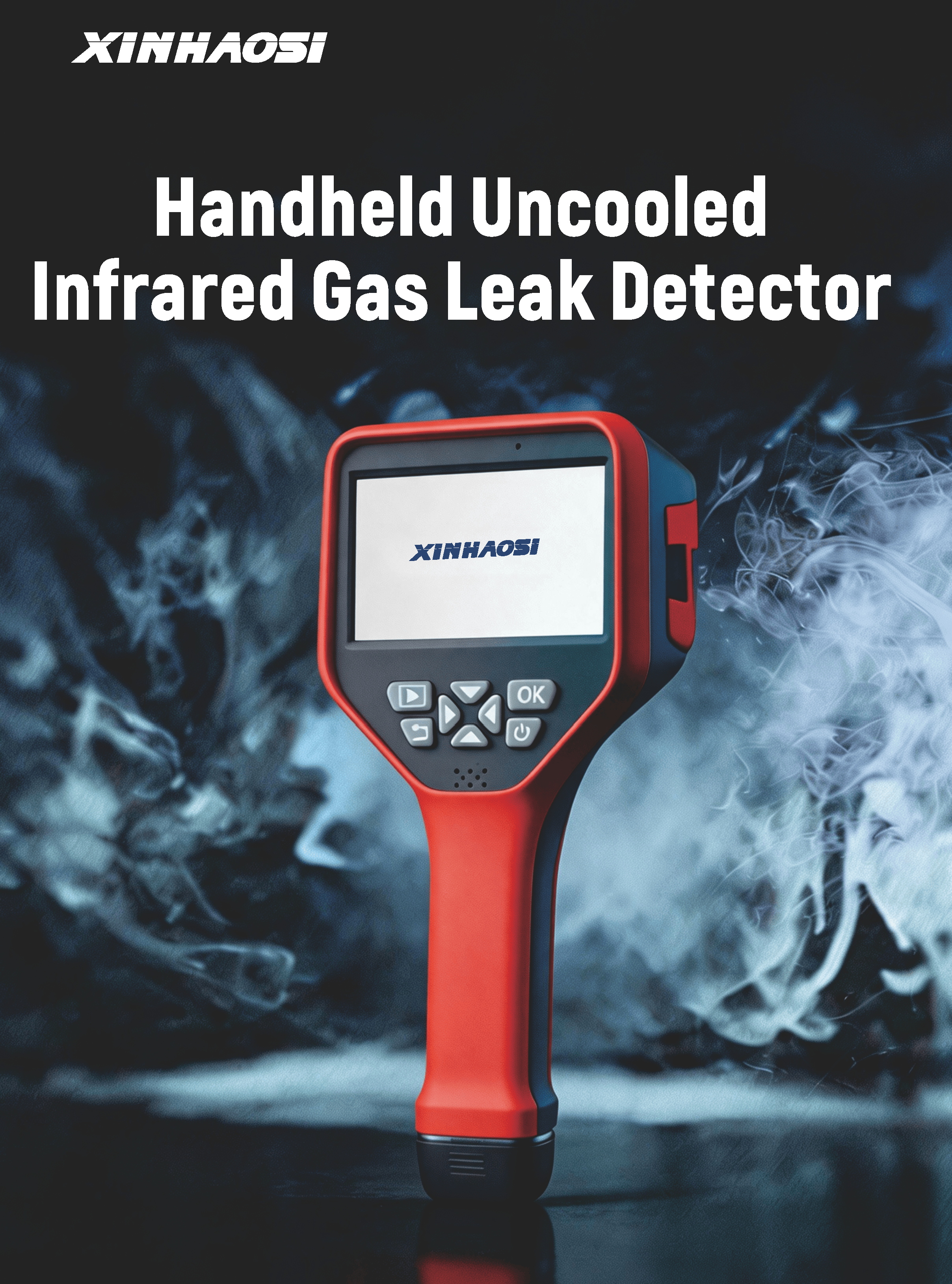
Xinhaosi Electronic Detection Technology Co., Ltd. officially launched its new Handheld Uncooled Infrared Gas Leak Detector, featuring dual-technology fusion, ultra-fast response, and long-distance non-contact detection to enhance safety and efficiency in petrochemical, refrigeration, natural gas and industrial safety scenarios.
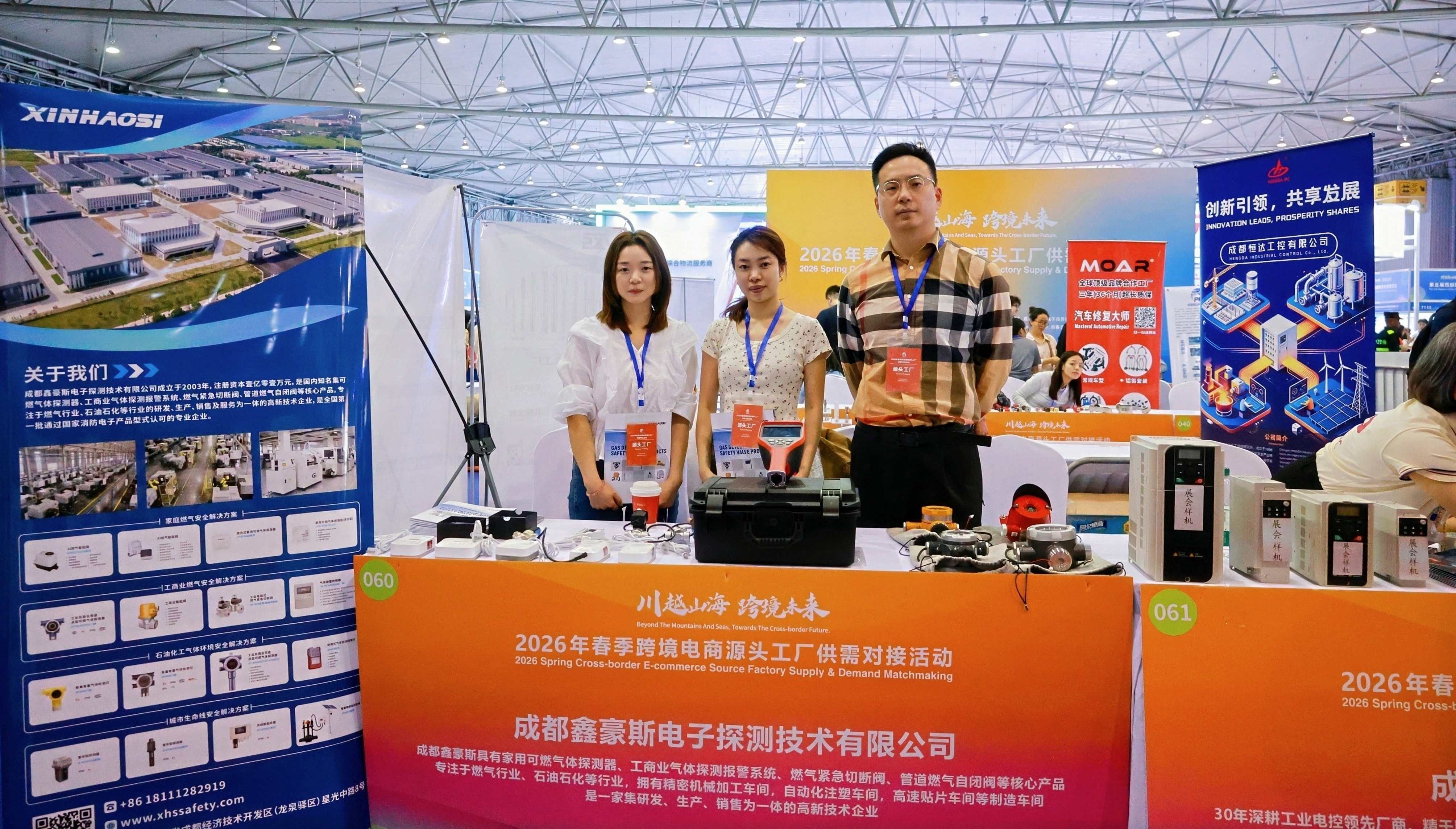
XINHAOSI recently participated in the 5th Western China Cross-Border E-Commerce Expo held in Chengdu. The event brought together cross-border e-commerce platforms, global buyers, manufacturers, and supply chain companies, creating new opportunities for international business cooperation and overseas market development.

XINHAOSI recently participated in the 2026 Sichuan (Chengdu) – Indonesia Industry Matchmaking Conference held in Chengdu. The event gathered enterprises and industry representatives from China and Indonesia to strengthen industrial cooperation and explore new business opportunities in Southeast Asia.
As we approach the integration of Industry 4.0, gas monitoring systems are shifting from reactive alarm devices to predictive safety nodes. Legacy systems trigger actions only after a hazard has reached a critical threshold, which is often too late to prevent system downtimes or health risks.
Next-generation multi-gas systems employ edge-computed machine learning models to analyze subtle, transient changes in local concentrations. By cross-referencing micro-fluctuations in gas levels, atmospheric pressure, temperature, and localized wind parameters, predictive systems can locate a slow-leaking valve flange long before the gas cloud reaches LEL (Lower Explosive Limit) thresholds.
Additionally, the transition to cloud-managed diagnostics enables continuous self-testing of sensor modules. Automated bump-testing, automated sensor aging estimation, and cloud-logged calibrations ensure that multi-gas monitor platforms operate with maximum safety availability.
Got technical questions about specifying, integrating, and operating industrial gas monitoring systems? Review the answers compiled by our senior applications engineering team.