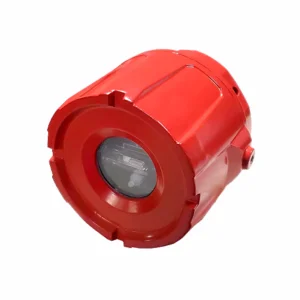
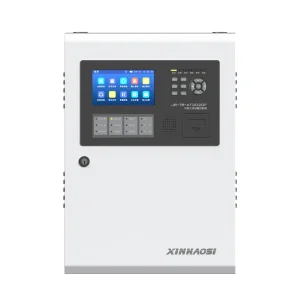
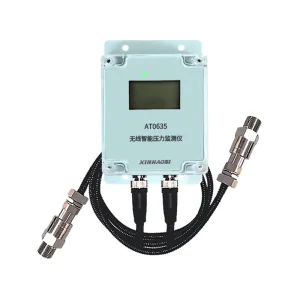
Explore our top-tier industrial controllers, power systems, flame detection sensors, and valves designed for hazardous environments.
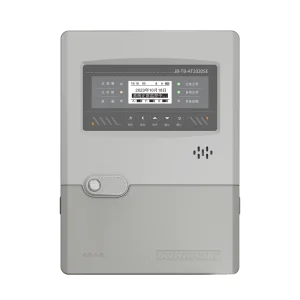
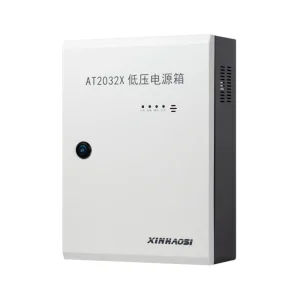
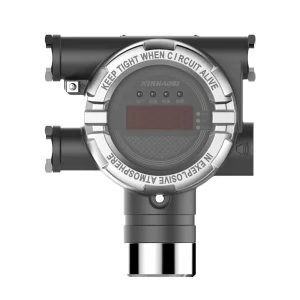
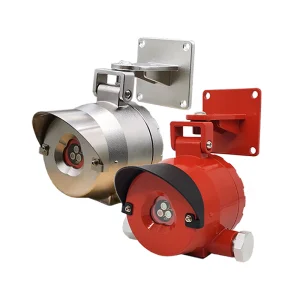
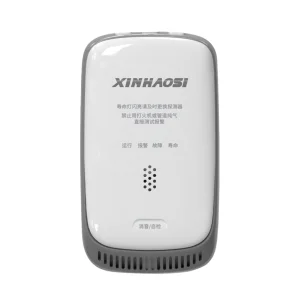
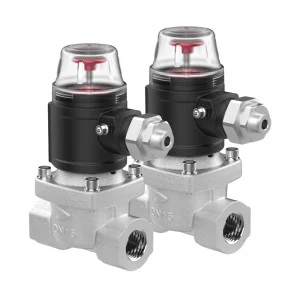
We utilize advanced electronic detection technology to make unknown gas leak risks clear and visible.
Founded in 2003, Xinhaosi has emerged as one of the most influential and reliable brands in the gas safety industry. We provide customer-focused products and services to safeguard the safe operation of every factory, the comfort of every city, and the peace and happiness of every home. Powered by cutting-edge production systems and technology, we deliver more advanced, intuitive, and precise gas safety solutions for shaping a safer world.

Empowered by technology, full-chain integration, comprehensive protection, shaping the future with intelligence.
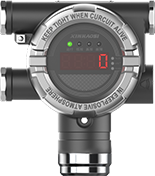
High-precision safety solutions engineered for oil & gas refineries, chemical manufacturing, and heavy plants.
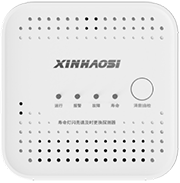
Reliable gas safety monitors designed for home kitchens, smart car parks, hotels, and public buildings.
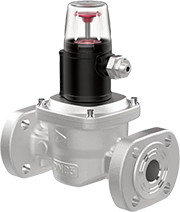
Emergency shut-off mechanisms targeting gas leakage lines from the source in milliseconds.
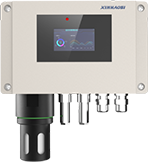
IoT-enabled smart sensing and telemetry for municipal pipeline grids and safety gateways.
A deep dive into regulatory compliance, sensor technologies, procurement demands, and the safety engineering roadmap.
The industrial gas detection ecosystem is shifting from reactive alarms to predictive, multi-gas analytical setups. The incorporation of Non-Dispersive Infrared (NDIR) technology, enhanced catalytic combustion sensors, and photoionization detectors (PIDs) has significantly improved accuracy while reducing false alarms. By integrating intelligent IoT gateways and distributed control architectures, modern toxic gas detectors offer real-time telemetry, ensuring quick emergency containment.
Furthermore, the development of dual-technology detection, which merges uncooled infrared optical gas imaging (OGI) with conventional electrochemical sensors, allows operators to visually trace gas plumes from a distance, minimizing direct risk exposure for industrial personnel.
Global procurement teams in the chemical, petroleum, and pharmaceutical industries operate under strict safety guidelines. Compliance with regional and international frameworks is essential. Gas detection systems must meet international standards such as ATEX/IECEx certification for hazardous environments, SIL-2/SIL-3 ratings for functional safety, and UL/FM approvals for electrical security.
For smart car park ventilation systems, monitoring Carbon Monoxide (CO) concentration is standard. Modern facilities look for integrated solutions like the AT2004BIV-CO detector, which links with automated fan controls and central building management systems to improve air safety and optimize energy consumption.
As cities grow, municipal gas infrastructure demands continuous monitoring to prevent accidents. Smart cities require comprehensive networks that connect household gas detectors, commercial kitchen solenoid valves, and industrial monitoring controllers into a unified IoT platform. This setup enables central monitoring stations to identify pipeline anomalies, isolate leaks via remote valves (like the XF3III solenoid valves), and dispatch maintenance teams before gas concentrations reach explosive or toxic limits.
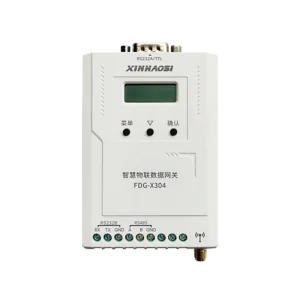
Using cloud gateways such as the FDG-X304, cities can run predictive maintenance schedules and use machine learning models to anticipate sensor wear and tear, reducing down-time and enhancing emergency response systems.
Sourcing gas detectors directly from certified factories like Xinhaosi ensures quality control, access to technical support, and opportunities for custom OEM/ODM configurations. We subject all products—from household combustible monitors to explosion-proof transmitters like the GTYQ-XP3000—to thorough calibration and chamber tests against reference gases.
Direct factory collaboration enables plant managers and engineering leads to design customized gas detection loops that fit their specific DCS (Distributed Control System) configurations, ensuring seamless communication via Modbus, 4-20mA analog loops, or wireless protocols.
Our ongoing R&D efforts focus on next-generation environmental safety sensors and cloud-integrated response systems.
Development of uncooled infrared gas leak camera solutions for non-contact, long-distance petrochemical pipeline tracking, providing visual feedback in hazardous zones.
Designing smart gateways (such as FDG-X304) that leverage 5G, LoRaWAN, and NB-IoT communication networks to enable rapid cloud-based warning alerts.
Introducing sensor arrays with built-in digital compensation that automatically adjust for environmental changes, temperature swings, and sensor aging.
Perfecting ultra-low consumption industrial solenoid valves that stay operational during power cuts and trip instantly upon detector activation.
Trusted by industrial enterprises and safety inspectors globally.












Stay updated with the latest technological developments and corporate events from Xinhaosi.
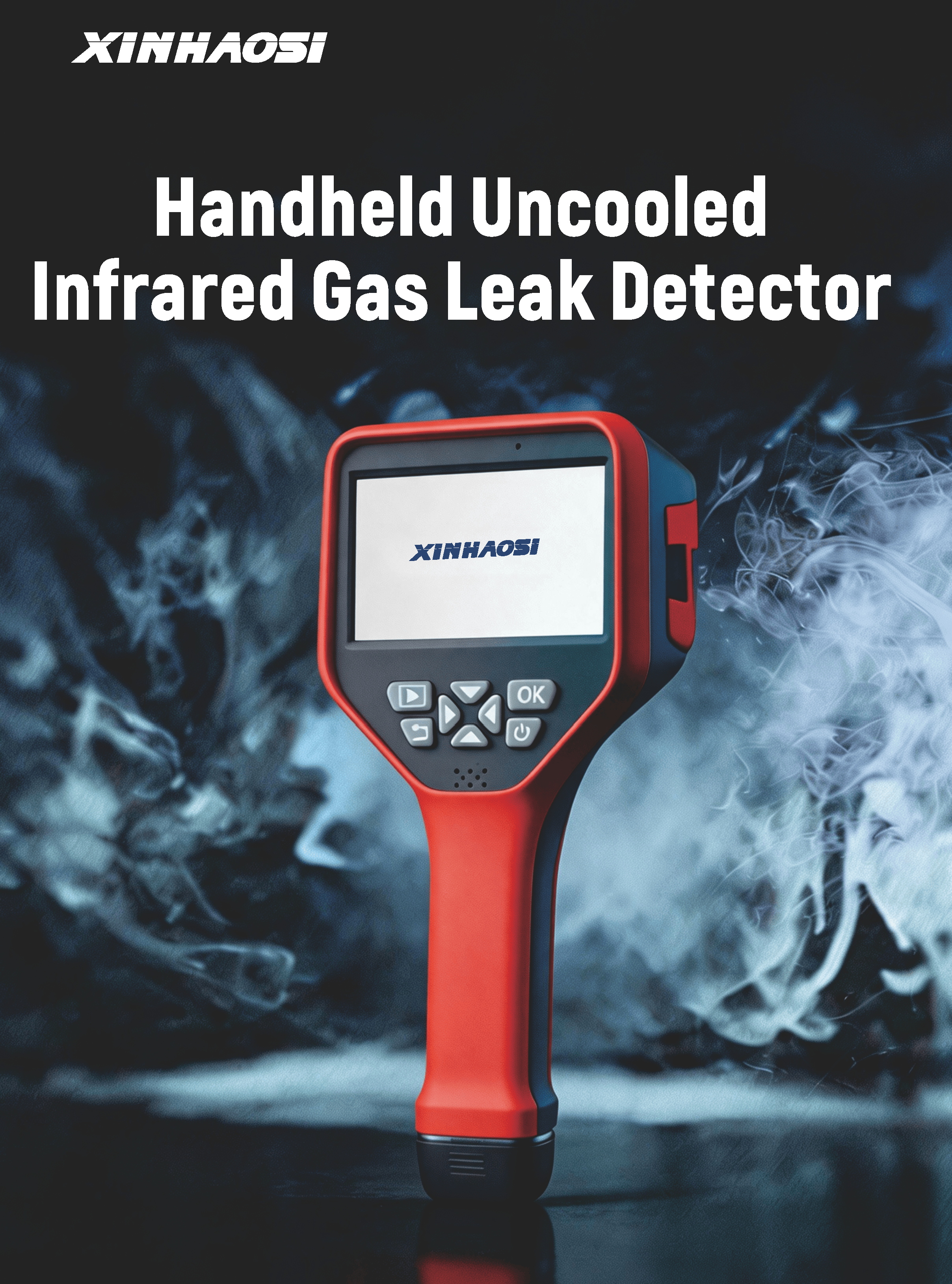
Xinhaosi Electronic Detection Technology Co., Ltd. officially launched its new Handheld Uncooled Infrared Gas Leak Detector, featuring dual-technology fusion, fast response times, and long-range non-contact detection to enhance safety in petrochemical, refrigeration, and industrial scenarios.
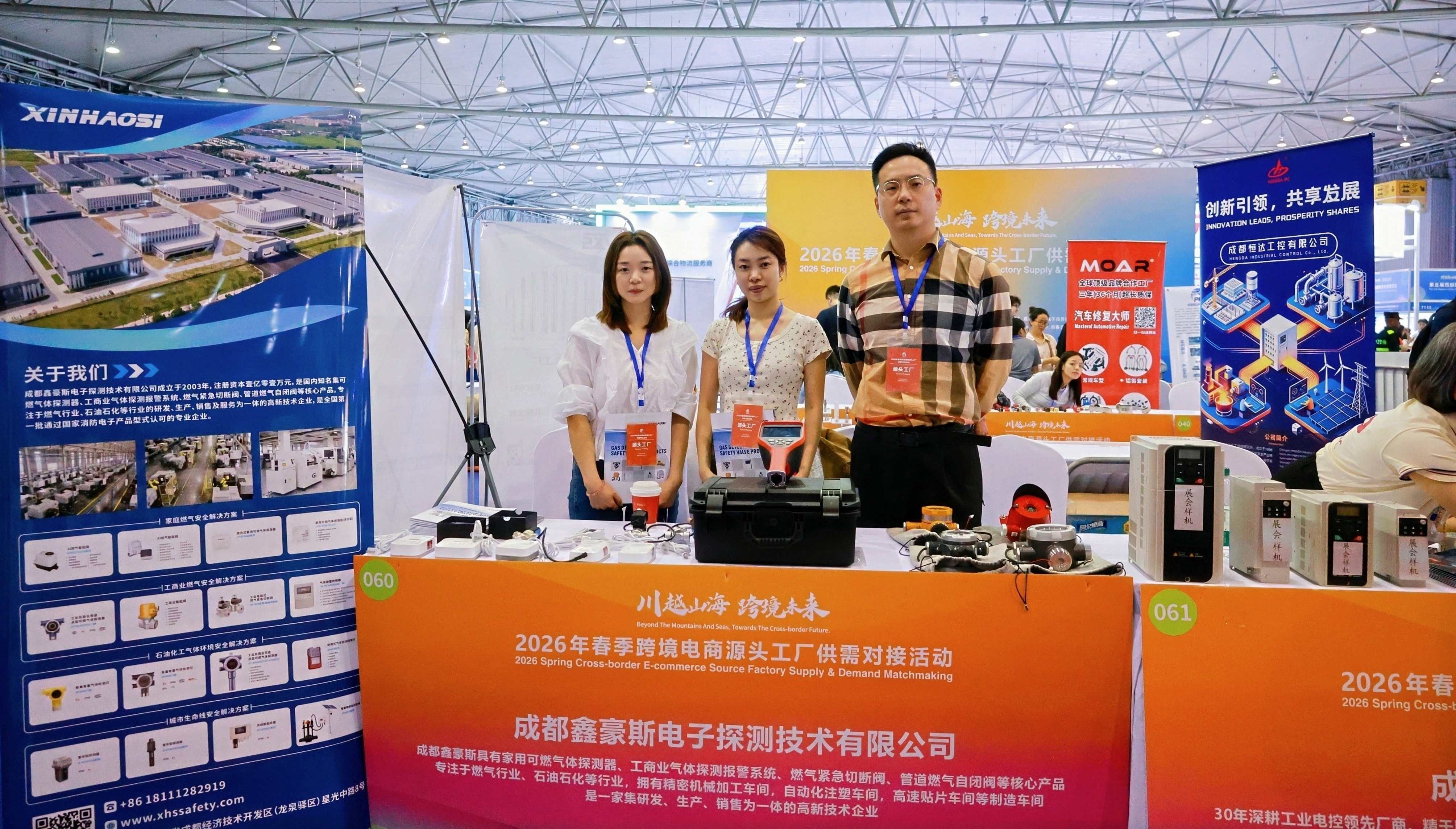
We recently joined international buyers and supply chain partners in Chengdu to showcase our certified toxic gas safety equipment and discuss direct global supply options.

We met with regional representatives in Southeast Asia to address growing industrial infrastructure requirements and showcase our localized support options.
Technical advice regarding installation, sensor lifespans, and direct factory procurement.
Procurement teams focus on target gases (e.g., CO, H2S, NH3), safety certifications (ATEX, IECEx, SIL2), operating temperature range, protection rating (IP66/IP67), and signal outputs (4-20mA, Modbus RTU, or wireless options).
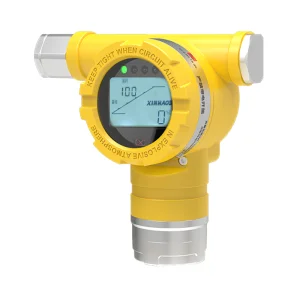
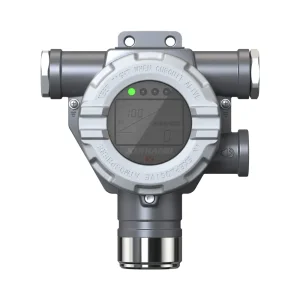
Explosion-proof detectors (e.g., GTYQ-XP3000) are housed in rugged, sealed enclosures. This design prevents any internal spark or high temperature from escaping and igniting volatile vapors or combustible gases in the surrounding atmosphere.
Triple IR detectors (e.g., FD2010) monitor three distinct optical wavelengths to verify flame flickers, making them highly resistant to false alarms caused by hot surfaces, arc welding, or sunlight. Single UV detectors are quick but can be triggered by non-fire UV sources.
Most safety regulations require checking or calibrating toxic gas detectors every six months to correct for sensor drift and ensure accuracy in safety-critical systems.
Discover more products, including smart gateways, carbon monoxide monitors, and automatic shut-off valves.

Connect with our engineering support team to discuss your project requirements, request a quote, or schedule a technical call.
Contact Our Engineers