OEM 2 Valve Manufacturer & Factories

Global Industrial Grade Solutions: High-Precision 2-Valve Manifolds, Dynamic Solenoid Shut-Off Assemblies, and Embedded Intelligent Safety Control Architectures

20+
Years Experience (Est. 2003)
100%
Pressure Tested & Calibrated
SIL-2/3
Safety Integrity Level Ready
80+
Global Enterprise Partners

White Paper: Engineering Standards & Supply Integration for OEM 2-Valve Systems

In modern flow control and hazardous gas safety infrastructures, the integration of high-reliability 2-valve systems (typically configuration manifolds consisting of isolation/block and vent/calibrate pathways or dual-port solenoid emergency shutoff assemblies) forms the foundational baseline of defense. As a specialized manufacturer, Xinhaosi has been at the forefront of translating mechanical and electronic telemetry into complete, zero-defect industrial safety protocols since 2003. This technical white paper examines the structural architectures, compliance dynamics, and global procurement paradigms associated with the design and production of OEM 2-valve and companion monitoring systems.

1. Core Technical Architecture of 2-Valve Systems & Solenoid Controls

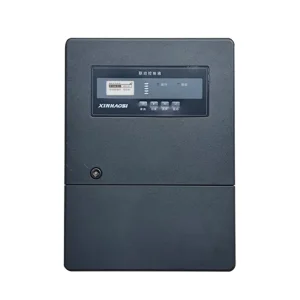
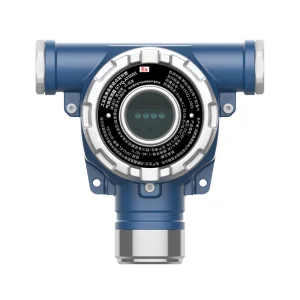
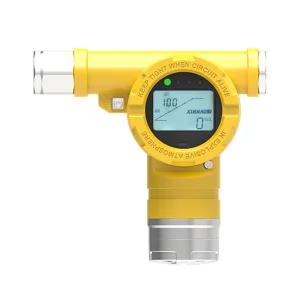
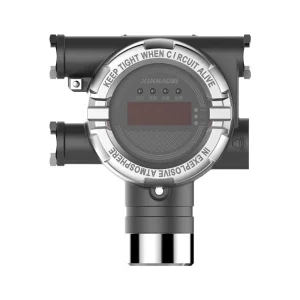
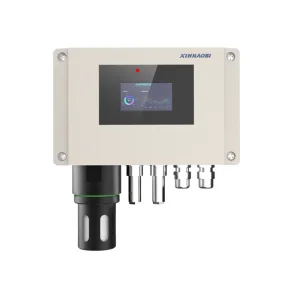
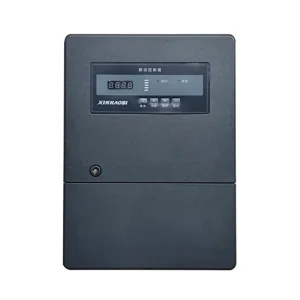
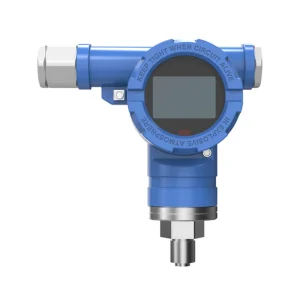
The mechanical terminology of a "2-valve manifold" or "2-way control valve" centers around dual critical interfaces: one for line isolation (blocking the main system flow) and the second for drainage, venting, or calibration interface execution. When utilized alongside automated gas safety systems, these valves work in synchronization with interlocking control boxes (such as the JB-MK-AT2041X series) and explosion-proof transmitters (XCS-P3051) to automate process isolation during emergency excursions.

From a metallurgy standpoint, manufacturing must adhere strictly to materials optimized for the fluid medium. While water or air distribution systems utilize specialized brass or polymer composites, hazardous industrial applications demand forged 316 Stainless Steel or carbon steel bodies compliant with ASTM and NACE MR0175/ISO 15156 standards (for sour gas resistance). The seal configurations—specifically soft seats like PTFE, reinforced Devlon, or metal-to-metal seating—are chosen according to target leakage classifications (ANSI FCI 70-2 Class VI bubble-tight seals).

2. High-Tech China Manufacturing & Supply Chain Resilience

Choosing a Chinese manufacturer for OEM 2-valve solutions yields significant supply chain advantages, provided the facility maintains localized execution of modern vertical manufacturing processes. By centering R&D, precision toolmaking, automated forging, surface treatment, and electronics assembly in a single hub, quality deviations are drastically minimized.

  • Vertical OEM Integration: Xinhaosi manages structural casting, electronic control board design (SMT processes for detectors and controllers), and assembly verification under a unified quality management framework.
  • Helium Leak Testing: Valve seats undergo automated differential pressure testing and helium mass spectrometry to detect micro-leakage thresholds down to 1x10⁻⁶ mbar·l/s.
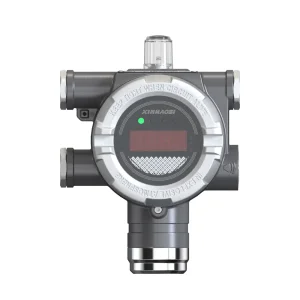
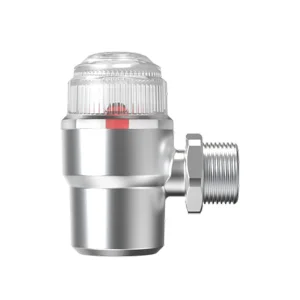
  • Advanced Sensor Matching: Because we develop both the mechanical isolation valves (such as automatic gas shut-off valves) and electronic sensors (combustible gas and flame detectors), the interfaces are optimized for zero transmission lag and seamless impedance matching.

E-E-A-T Technical Competency Note

In safety-critical gas distribution installations, selecting mismatched valves and actuator solenoids often leads to premature coil burnouts or torque degradation. As a qualified manufacturer, we cross-calibrate our solenoids and 2-valve manifolds to run reliably in extreme environments (-40°C to +85°C) without exceeding thermal boundaries.

3. Global Corporate Procurement & Engineering Requirements

When purchasing agents and engineering, procurement, and construction (EPC) contractors select valve configurations, the primary metric is total cost of ownership (TCO) weighed against risk mitigation. Our manufacturing protocol addresses these key requirements:

  • Traceability: Mill Test Certificates (MTC) to EN 10204 3.1 are provided for all pressure-retaining components to verify steel chemistry and heat treat treatments.
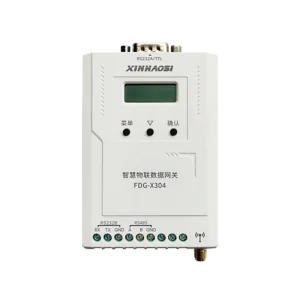
  • Modularity: Control interfaces built with smart data gateways (like the FDG-X304) allow legacy systems to interface seamlessly with modern DCS systems using Modbus, Hart, or wireless networks (4G/LoRaWAN).
  • Explosion-Proof Designations: All detection devices and motorized valves carry strict global certifications (ATEX, IECEx, or local Ex d IIC T6 Gb compliance) allowing safe deployment in Zone 1 and Zone 2 hazardous areas.

Technical Specifications

Body Pressure Rating: Up to Class 2500 (6000 PSI)

Standard Sizes: 1/4" NPT to 1" NPT, Flanged options available

Ingress Protection: IP66 / IP67 / NEMA 4X

Power Configurations: DC 12V / 24V, Latching and Low-Power options

Compliance: ISO 9001:2015, CE, SIL-2 Certified

Strategic Advantages

✔ Direct factory-to-engineering consulting

✔ Proprietary electronics and firmware customization

✔ Comprehensive functional safety verification reports

Xinhaosi Corporate Profile & Integrated Solutions

Direct translation and optimization of original brand properties and technological frameworks

Industrial Gas Safety Production Line
Precision Gas Valve Calibration Lab
Industrial Automated Assembly Line

X is Next-Generation Safety Technology

"X Represents the Unknown Risks. X Represents the Next-Gen Safety Technology."

We utilize advanced electronic detection technology to make unknown gas leak risks clear and visible. Founded in 2003, Xinhaosi is one of the most influential and reliable brands in the gas safety industry. We provide customer-focused products and services to safeguard the safe operation of every factory, the comfort of every city, the peace and happiness of every home. Powered by cutting-edge production systems and technology, we deliver more advanced, intuitive, and precise gas safety solutions for shaping a safer future world.
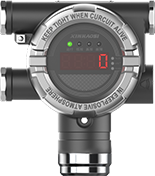
Industrial Gas & Flame Systems

Industrial Gas & Flame

Detection Systems - Safety First from Precision Sensing

Household & Commercial Detectors

Household & Commercial

Gas Detectors - Home Safety from Gas Monitoring
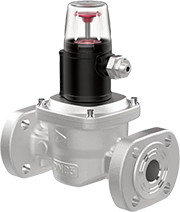
Gas Solenoid Valves

Industrial & Household

Gas Solenoid Valves - Protecting from the Source
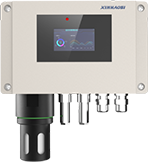
Urban Gas Distribution

Urban Gas

Distribution & Monitoring - Smart Sensing for Urban Gas

End to End Solutions for Total Safety

Empowered by technology, Full-chain integration, Comprehensive protection, Shaping the future with intelligence.

Localized Applications & Regional Compliance

Mitigating cross-border operational risks through stringent mechanical validation and regional certification alignment

Refinery & Petrochemical

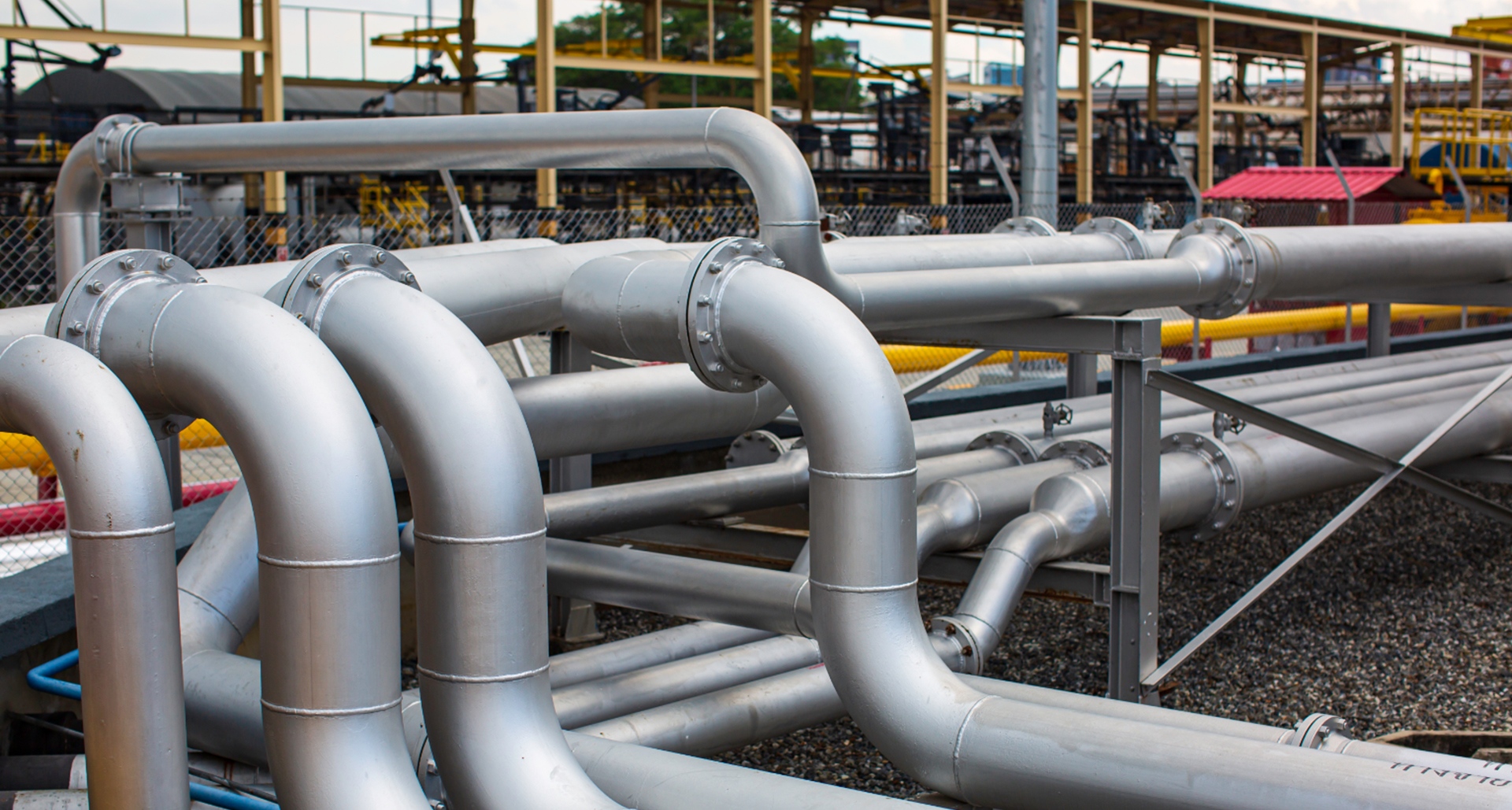
Highly corrosive zones demand 2-valve calibration manifolds constructed of forged SS316L, delivering absolute chemical isolation under high differential pressures.

Municipal Gas Infrastructure

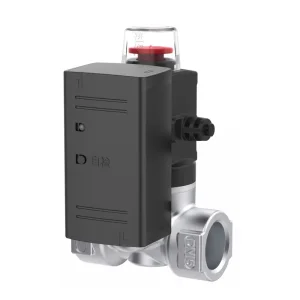
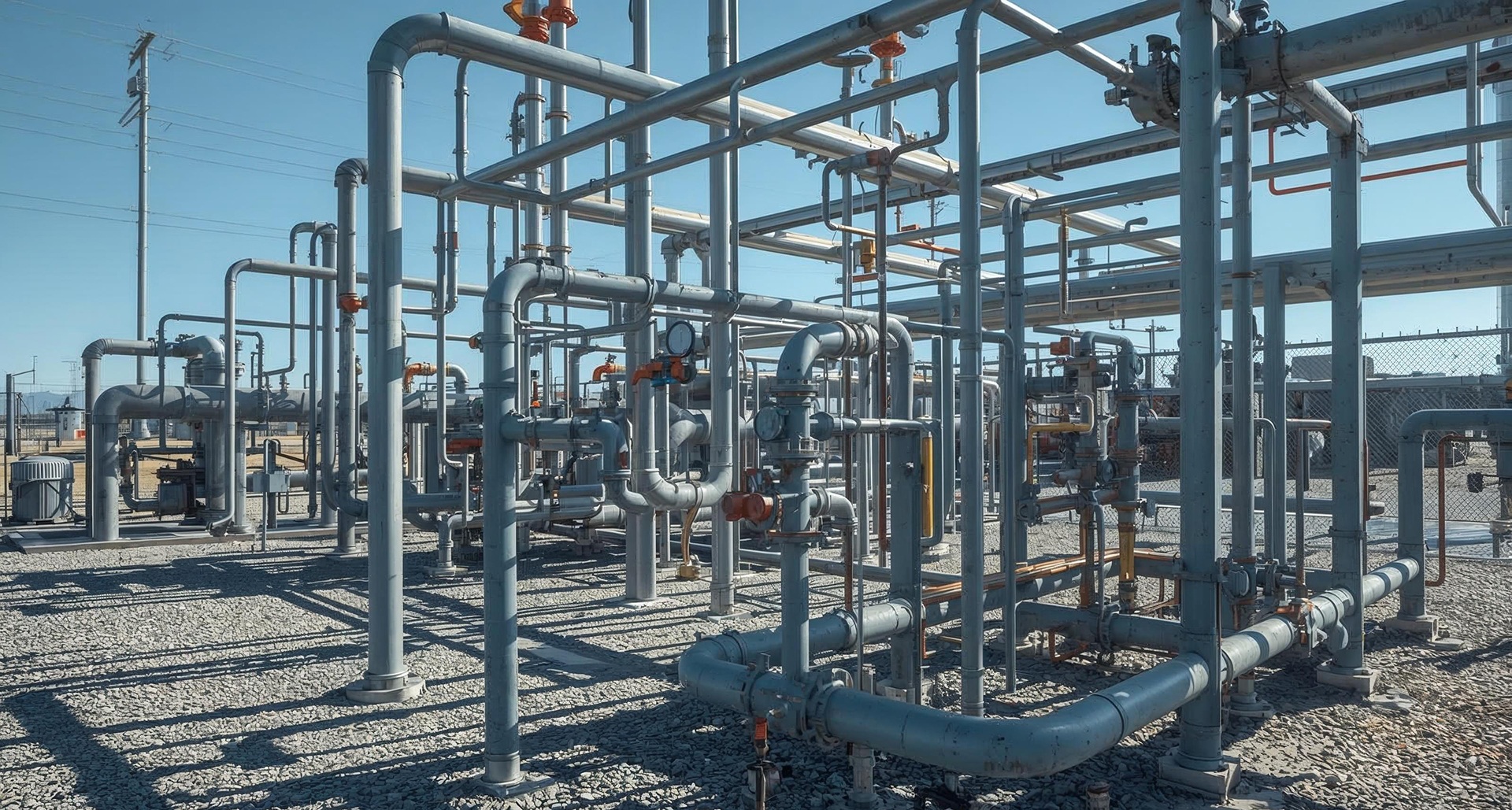
Providing wireless integration through remote-controlled solenoid valves that execute safety actions instantly upon signals from central methane monitors.

Combustion Management

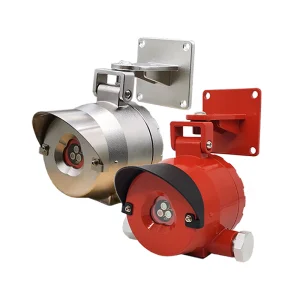
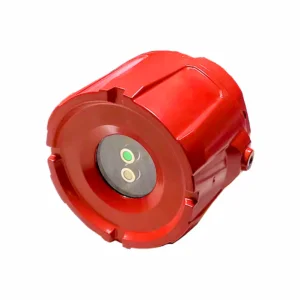
Integrated burner control systems matching triple-infrared flame sensors with interlocking shut-off modules to isolate fuels within milliseconds of failure.

Technical Alignment with Regional Standardization

Compliance and engineering certifications are not optional add-ons; they are core requirements for operating in regulated markets. For European Union operations, solenoid components must carry the CE mark and conform to ATEX Directive 2014/34/EU, particularly for installations in hazardous atmospheres containing hydrocarbon gases. In North America, the transition of pilot-operated solenoids requires strict conformance to UL standards and Class I, Division 1 electrical classifications.

Beyond simple certification stamps, localized engineering support ensures that system configurations account for ambient temperature swings and variations in regional gas compositions. For instance, cold-climate municipal distribution lines in northern regions require valves and actuators rated for low-temperature operation (-40°C), utilizing specialized fluorosilicone elastomers for sealing surfaces. Conversely, high-humidity installations in tropical coastal environments necessitate marine-grade epoxy coatings or passivated stainless steel valve enclosures to prevent galvanic corrosion.

Industry Trends: The Evolution of Intelligent Valve Systems

How IoT integration and green transition requirements are redesigning classic valve engineering

The industrial control sector is currently witnessing a convergence of mechanical reliability and cloud telemetry. Traditional standalone manual 2-valve manifolds are rapidly giving way to smart monitoring assemblies. By incorporating micro-sensors into the valve body cavity, engineers can monitor pressure differentials, seat temperature shifts, and actuator cycle times in real-time. This dynamic shift drives three main industry trends:

  1. Transition to Low-Power Latching Solenoids: With the rise of battery-operated and solar-powered field installations, solenoid actuators are shifting towards pulse-driven latching designs. These configurations only draw current during state transitions (open/close), resulting in minimal thermal dissipation and prolonged battery life.
  2. Hydrogen Blend Compatibility: As global energy grids mix hydrogen into natural gas lines, valve manufacturers are redesigning sealing geometries. Hydrogen molecules are significantly smaller than methane, which increases leak potential through standard seals. The industry now utilizes specialized elastomers and polished stem surfaces to guarantee zero-leakage performance.
  3. Predictive Maintenance via Gateway Diagnostics: Modern control systems no longer wait for a physical leak to occur. Using edge-computing interfaces like our Intelligent Data Gateways, current loops are monitored for minor resistance deviations. This data indicates solenoid deterioration before a component failure can impact the process line.

Trusted by Global Enterprise Partners

Partnering with global leaders to provide robust industrial gas control safety installations

Partner 1
Partner 2
Partner 3
Partner 4
Partner 5
Partner 6
Partner 7
Partner 8
Partner 9
Partner 10
Partner 11
Partner 12
Partner 13
Partner 14
Partner 15
Partner 16
Partner 17
Partner 18
Partner 19
Partner 20
Partner 21
Partner 22
Partner 23
Partner 24

Expert Q&A: OEM Valve Specifications & Procurement

Technical guidance for instrumentation engineers and procurement directors sourcing 2-valve solutions

Q1: What are the engineering design differences between a 2-valve manifold and a standard 2-port solenoid valve?
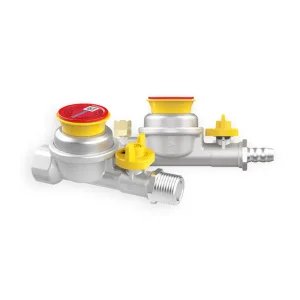
A 2-valve manifold is a manual or multi-ported mechanical valve block designed for instrumentation isolation and calibration, featuring block and test/vent paths. A 2-port (or 2-way) solenoid valve is an electro-mechanically actuated shut-off device with one inlet and one outlet. Our manufacturing capability covers both, including automatic solenoid shut-off valves and specialized manifold blocks.
Q2: How does Xinhaosi verify and maintain seat sealing integrity during OEM production?
Every assembly is pressure-tested according to API 598 standards, including high-pressure hydrostatic seat testing and low-pressure pneumatic seat testing. Additionally, helium mass spectrometry is utilized for micro-leak detection to ensure bubble-tight performance under critical conditions.
Q3: What certifications are available for deployment in petrochemical plants with hazardous zone classifications?
All hazardous environment devices carry Ex d IIC T6 Gb explosion-proof ratings, and our manufacturing facilities conform to ISO 9001, CE, and SIL-2/SIL-3 functional safety configurations to meet global compliance standards.
Q4: Can Xinhaosi customize valve manifold bodies and connections for legacy control box retrofit designs?
Yes, our in-house engineering team provides extensive custom OEM support. We can adjust port dimensions (NPT, BSPT, Flanged), sealing elastomers, body geometries, and control electronics to match existing customer footprints.
Q5: What is the typical lead time for custom production batches out of the Sichuan facility?
For standard configurations, production lead times are typically 4 to 6 weeks. Custom engineering designs requiring prototype verification, custom toolmaking, or specialized material testing are delivered within 8 to 12 weeks, depending on order size and complexity.

News & Events

Stay tuned for the latest updates from Xinhaosi & the Industry
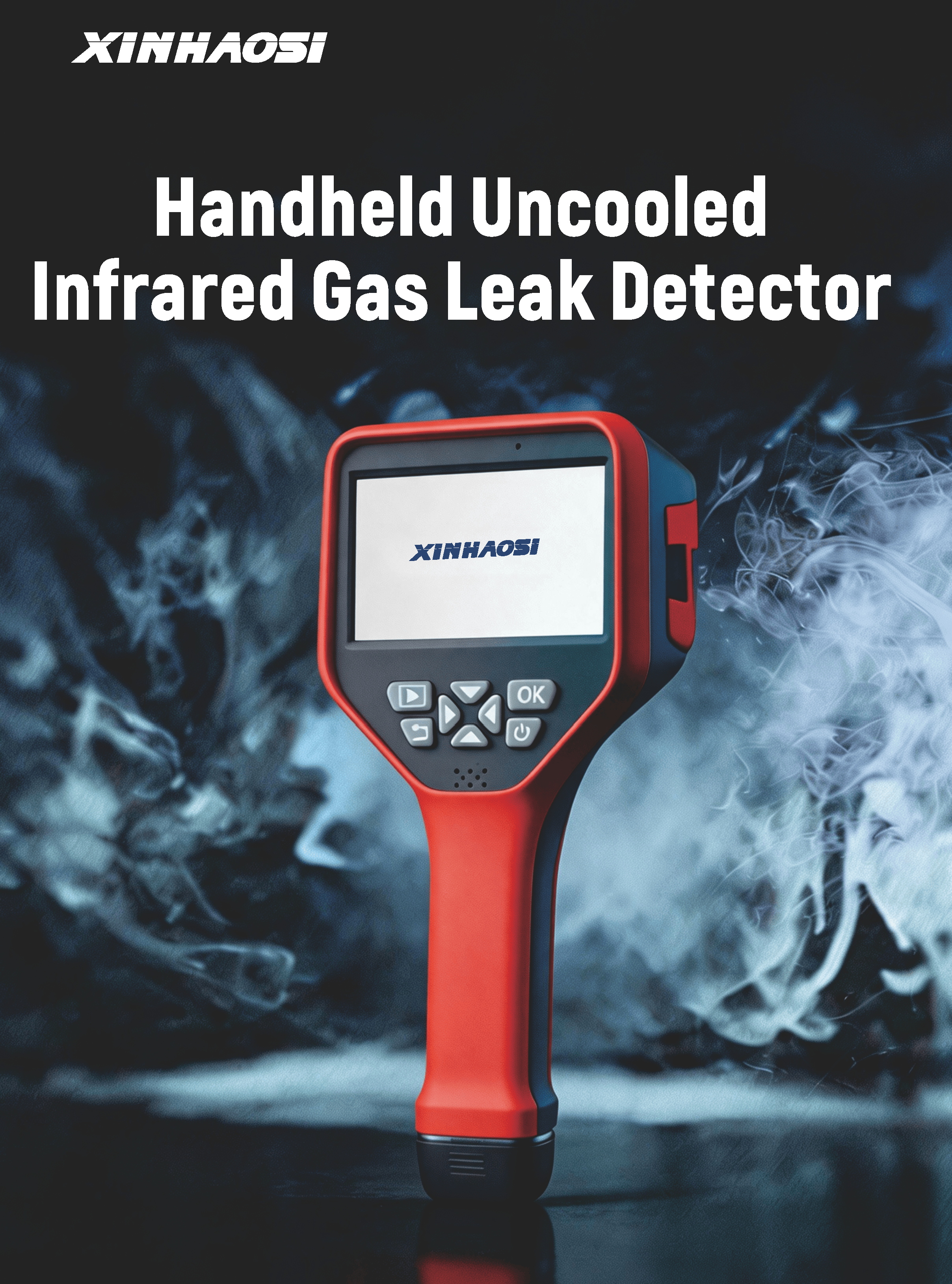
Handheld Gas Detector Launch
May 09, 2026

Xinhaosi Launches New Handheld Uncooled Infrared Gas Leak Detector

Xinhaosi Electronic Detection Technology Co., Ltd. officially launched its new Handheld Uncooled Infrared Gas Leak Detector, featuring dual-technology fusion, ultra-fast response, and long-distance non-contact detection to enhance safety and efficiency in petrochemical, refrigeration, natural gas and industrial safety scenarios.
Cross-Border Expo Chengdu
May 08, 2026

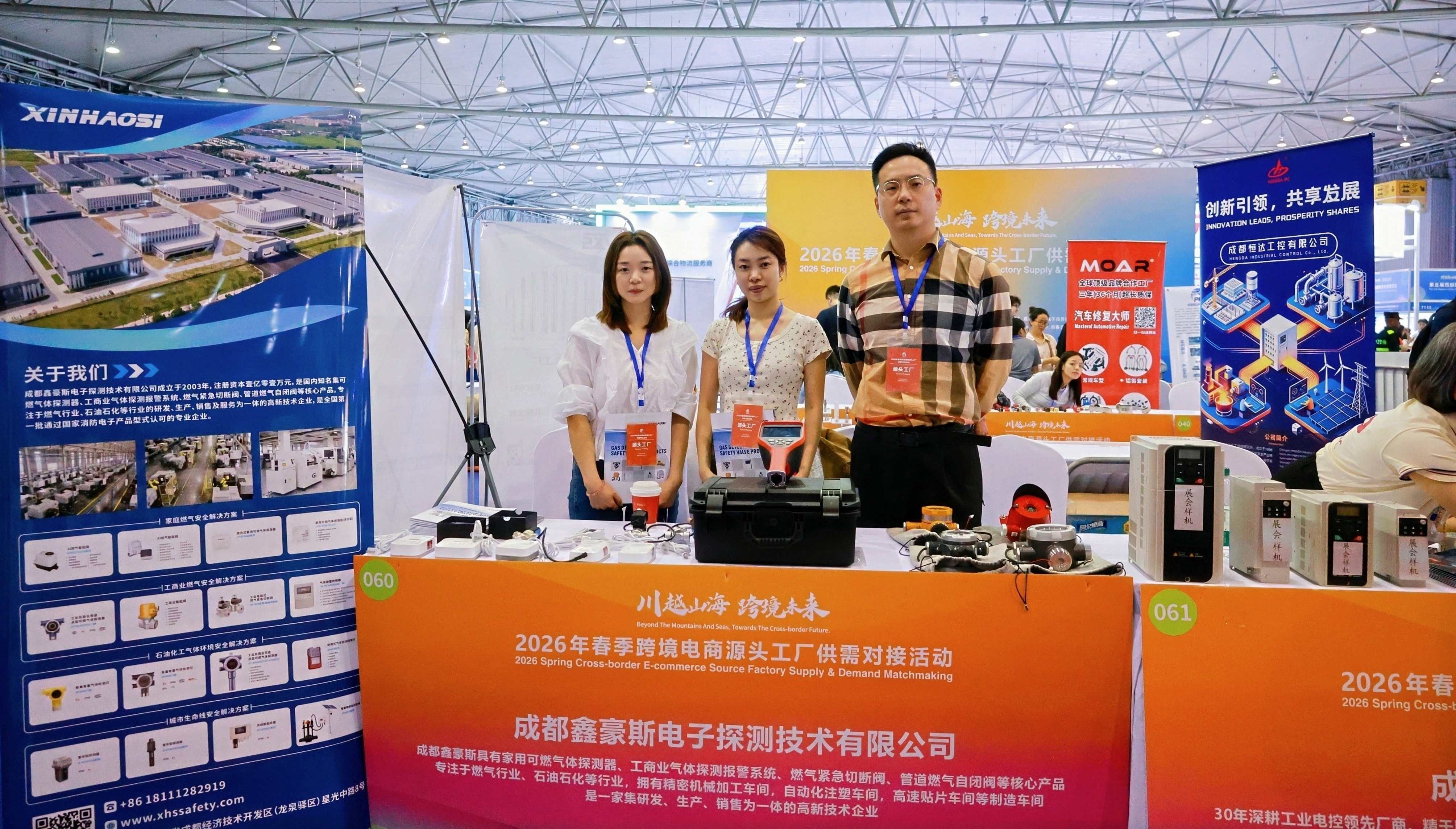
XINHAOSI Participates in the 5th West China Cross-Border E-Commerce Expo

XINHAOSI recently participated in the 5th Western China Cross-Border E-Commerce Expo held in Chengdu. The event brought together cross-border e-commerce platforms, global buyers, manufacturers, and supply chain companies, creating new opportunities for international business cooperation and overseas market development.
Sichuan-Indonesia Industry Conference
May 08, 2026

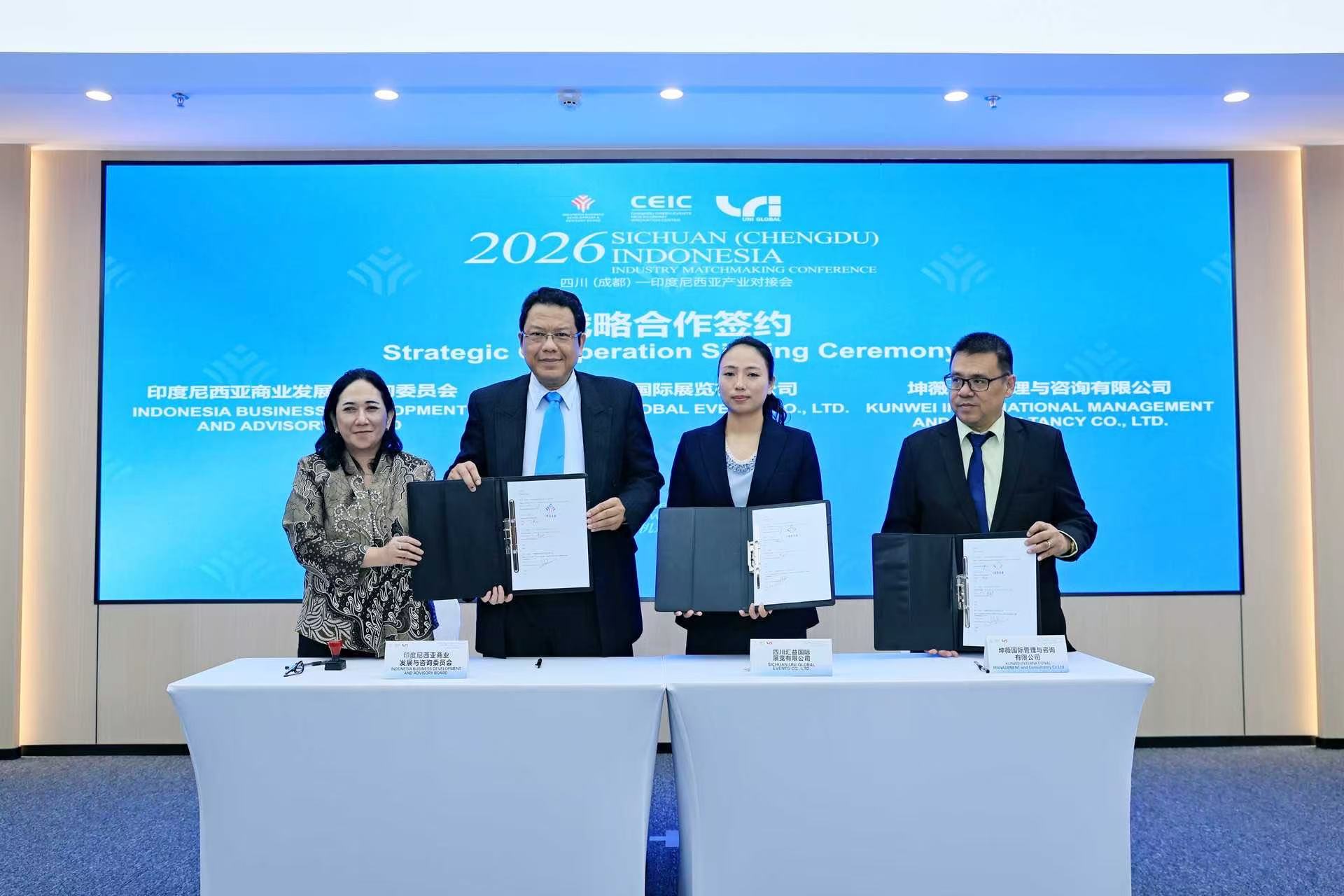
XINHAOSI Participates in 2026 Sichuan-Indonesia Matchmaking Conference

XINHAOSI recently participated in the 2026 Sichuan (Chengdu) – Indonesia Industry Matchmaking Conference held in Chengdu. The event gathered enterprises and industry representatives from China and Indonesia to strengthen industrial cooperation and explore new business opportunities in Southeast Asia.