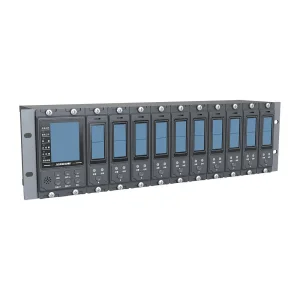
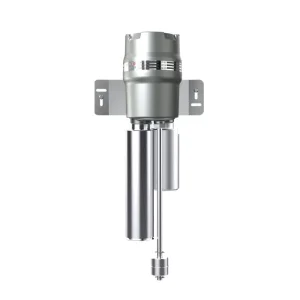
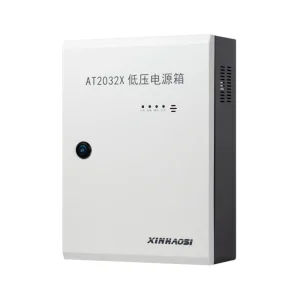
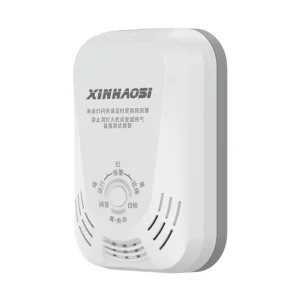
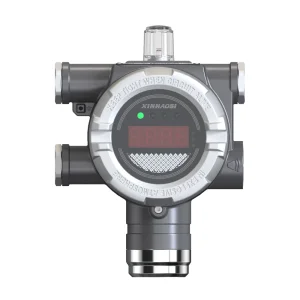
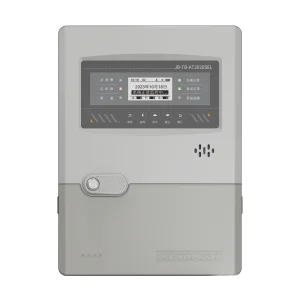
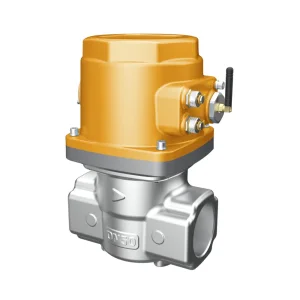
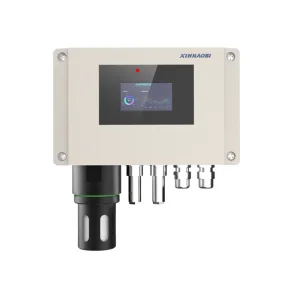
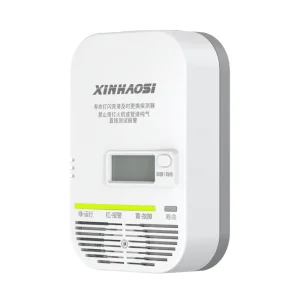
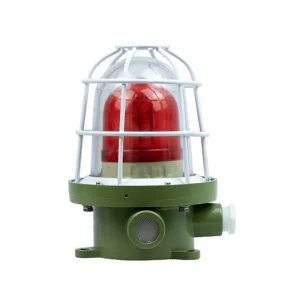
Explore our certified system components, featuring precision integration, automated safety cutoff technologies, and advanced atmospheric monitoring arrays.
In modern thermal engineering, boiler valves serve as critical fail-safes and flow regulators. The shift from standard mechanical relief assemblies to intelligent, automated, and pressure-balanced control manifolds represents a major paradigm shift in industrial fluid dynamics.
Today's ultra-critical power generation systems, district heating setups, and commercial process plants demand boiler valves that can withstand extreme pressures (often exceeding ANSI Class 2500 specifications) and thermal shocks up to 600°C. OEM manufacturers must move beyond traditional casting methods. They must integrate advanced CFD (Computational Fluid Dynamics) modeling, metallurgical upgrades, and automated safety actuation systems like IoT pressure monitors and electronic solenoid shut-offs.

Analyzing the supply chain, production capability, and high-tech manufacturing processes that make Chinese OEM factories global leaders.
Chinese OEM facilities leverage vertical integration, using electric arc furnaces and shell-mold casting lines to work with advanced superalloys like Monel, Inconel, Hastelloy, and ASTM A217 WC9 chrome-moly steels. This guarantees exceptional corrosion resistance and mechanical integrity under cycling loads.
By using 3D sand-printing for rapid mold production alongside 5-axis CNC machining centers, Chinese manufacturers reduce development cycles for custom valve bodies by up to 60%. This helps global engineering procurement teams receive production samples much faster.
Premium Chinese valve suppliers maintain strict quality management systems certified to international standards. These include ASME Section I (Power Boilers), ASME Section VIII (Pressure Vessels), PED 2014/68/EU (European Pressure Equipment Directive), API 598 testing, and ISO 9001 quality controls.
Information Gain Insight: Selecting a boiler valve OEM is no longer just about buying mechanical castings. It requires choosing a supplier whose manufacturing processes integrate with modern digital environments. They must offer digital twins, FEA (Finite Element Analysis) reports, and smart sensory integration for predictive maintenance.

X Represents the Unknown Risks, X Represents the Next-Gen Safety Technology. Founded in 2003, Xinhaosi has spent over two decades developing advanced electronic safety and industrial detection hardware.
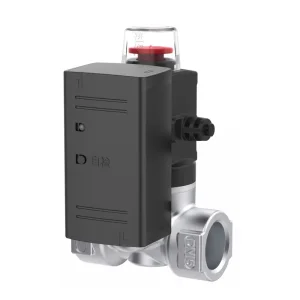
In industrial thermal environments, risks can hide behind slight variations in pressure, temperature, or chemical composition. By pairing high-performance boiler safety valves with smart IoT elements, such as our Wireless Smart Pressure Monitors and AI Gas Safety Valves, we turn invisible risks into trackable, actionable data. This integration ensures complete process safety by instantly shutting off fuel lines if pressure spikes or leaks are detected in the combustion chamber.
Understanding how international engineering firms, EPC contractors, and distributors evaluate their industrial valve suppliers.
Global procurers look past initial purchase prices. They look at life-cycle maintenance costs, spare parts availability, and the ease of online diagnostics. By sourcing from vertically integrated Chinese suppliers, businesses can secure high-grade castings and smart positioners at a highly competitive TCO.
In an era of shifting logistics, purchasing departments value suppliers who can manage raw materials efficiently, offer buffer-stock storage programs, and guarantee transparent lead times. These features help protect large-scale infrastructure projects from unexpected delays.
Modern boiler safety demands transparent, verified materials. Top suppliers provide EN 10204 3.1 material certificates, non-destructive test (NDT) reports (such as Radiographic, Magnetic Particle, and Ultrasonic testing), and detailed hydrostatic test charts for every production run.
Exploring how custom boiler valves and associated safety components operate in demanding real-world industrial environments.
Large municipal steam networks require heavy-duty pressure-reducing valves (PRVs) and safety relief valves to manage seasonal load shifts. Integrating automated control systems helps balance pressure fluctuations, protecting municipal heating lines and preventing catastrophic over-pressurization.
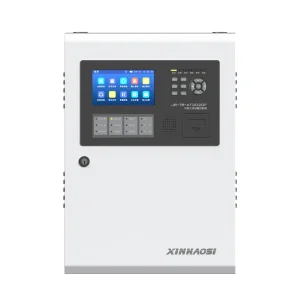
Petrochemical installations require explosion-proof safety components. For example, pairing flame-proof gas detector controllers with wireless smart shut-off solenoid valves creates an automated safety loop. This system immediately isolates combustible gas supplies if a leak is detected.
Supercritical boiler installations operate near critical water-to-steam transition points. These systems rely on spring-loaded safety valves, power-actuated relief valves, and pilot-operated systems to handle high thermal stresses and prevent critical plant downtime.
We work closely with global engineering networks, safety groups, and technology suppliers to integrate our pressure monitoring and valve safety systems into international energy grids.
From industrial parks in Southeast Asia to district energy hubs in Western Europe, our hardware helps safeguard critical infrastructure, reduce fuel waste, and lower carbon emissions. By combining mechanical reliability with smart sensory technology, we deliver complete safety solutions for modern industrial operations.




Get answers to common technical, metallurgical, and certification questions from global buyers and mechanical design engineers.
For superheated steam applications above 450°C, we recommend using alloy steels like ASTM A217 Grade WC6 or WC9 for casting, or ASTM A182 F11/F22 for forged bodies. Trim components should feature Stellite (Cobalt-base alloy) hardfacing on seat rings and disc faces. This provides excellent resistance to thermal erosion, wire-drawing, and galling.
Compliance is managed through certified designs, strict material traceability (EN 10204 3.1), and physical testing. Our partner manufacturing lines hold ASME 'V' and 'UV' stamps. Safety valves undergo rigorous capacity certification and blowdown adjustments on ASME-approved steam flow test rigs.
Typical lead times for standard customized designs range from 6 to 8 weeks, which includes tool setup, casting, machining, and hydrostatic pressure testing. For completely custom casting geometries utilizing 3D sand-mold prototyping, initial samples can be produced in as little as 3 to 4 weeks.
Yes. Many mechanical valves can be retrofitted using standard ISO 5211 mounting pads. This allows for the installation of pneumatic or electric actuators equipped with smart IoT interfaces, enabling real-time diagnostics and remote safety shut-offs.
We offer a comprehensive range of quality control testing, including Radiographic Testing (RT) for checking internal casting integrity, Dye Penetrant Testing (PT) and Magnetic Particle Testing (MT) for detecting surface cracks, and Ultrasonic Testing (UT) for assessing wall thickness and identifying internal defects.
Stay informed with the latest insights, technological releases, and global event updates from Xinhaosi.
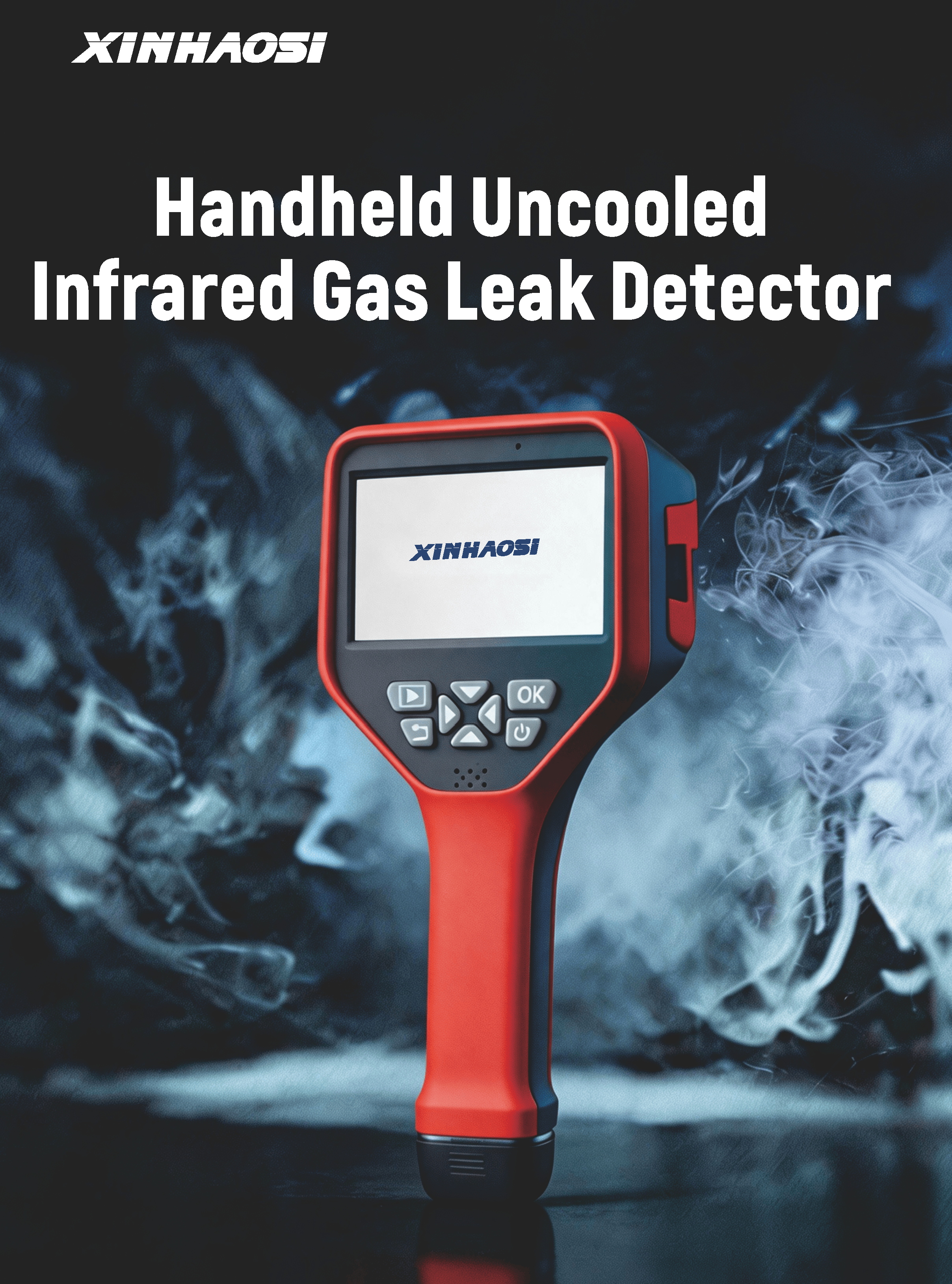
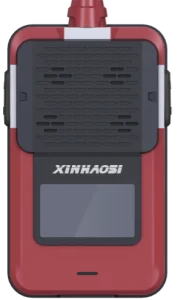
Xinhaosi Electronic Detection Technology Co., Ltd. officially launched its new Handheld Uncooled Infrared Gas Leak Detector, featuring dual-technology fusion, ultra-fast response, and long-distance non-contact detection to enhance safety and efficiency in petrochemical, refrigeration, natural gas and industrial safety scenarios.
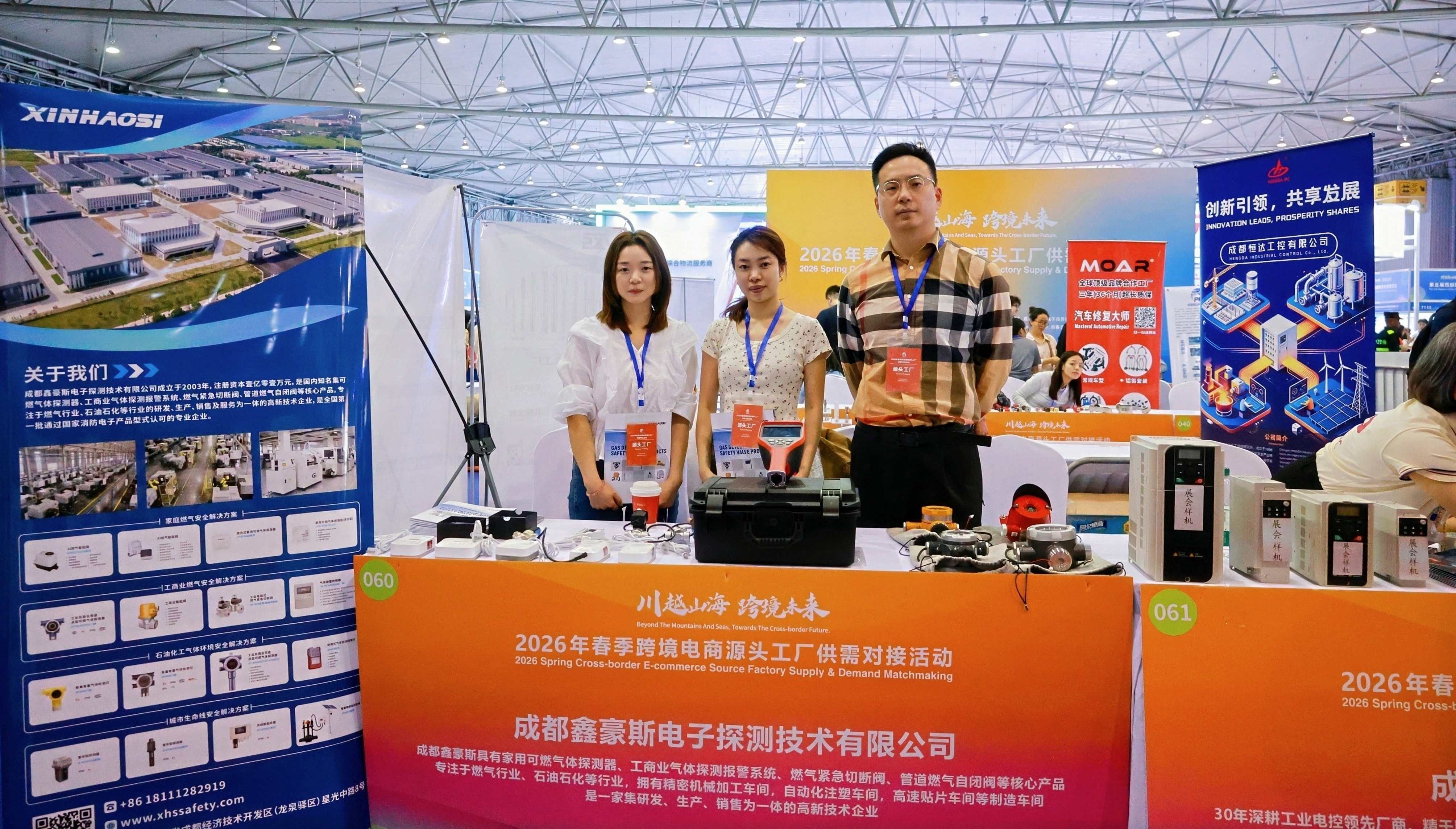
XINHAOSI recently participated in the 5th Western China Cross-Border E-Commerce Expo held in Chengdu. The event brought together cross-border e-commerce platforms, global buyers, manufacturers, and supply chain companies, creating new opportunities for international business cooperation and overseas market development.
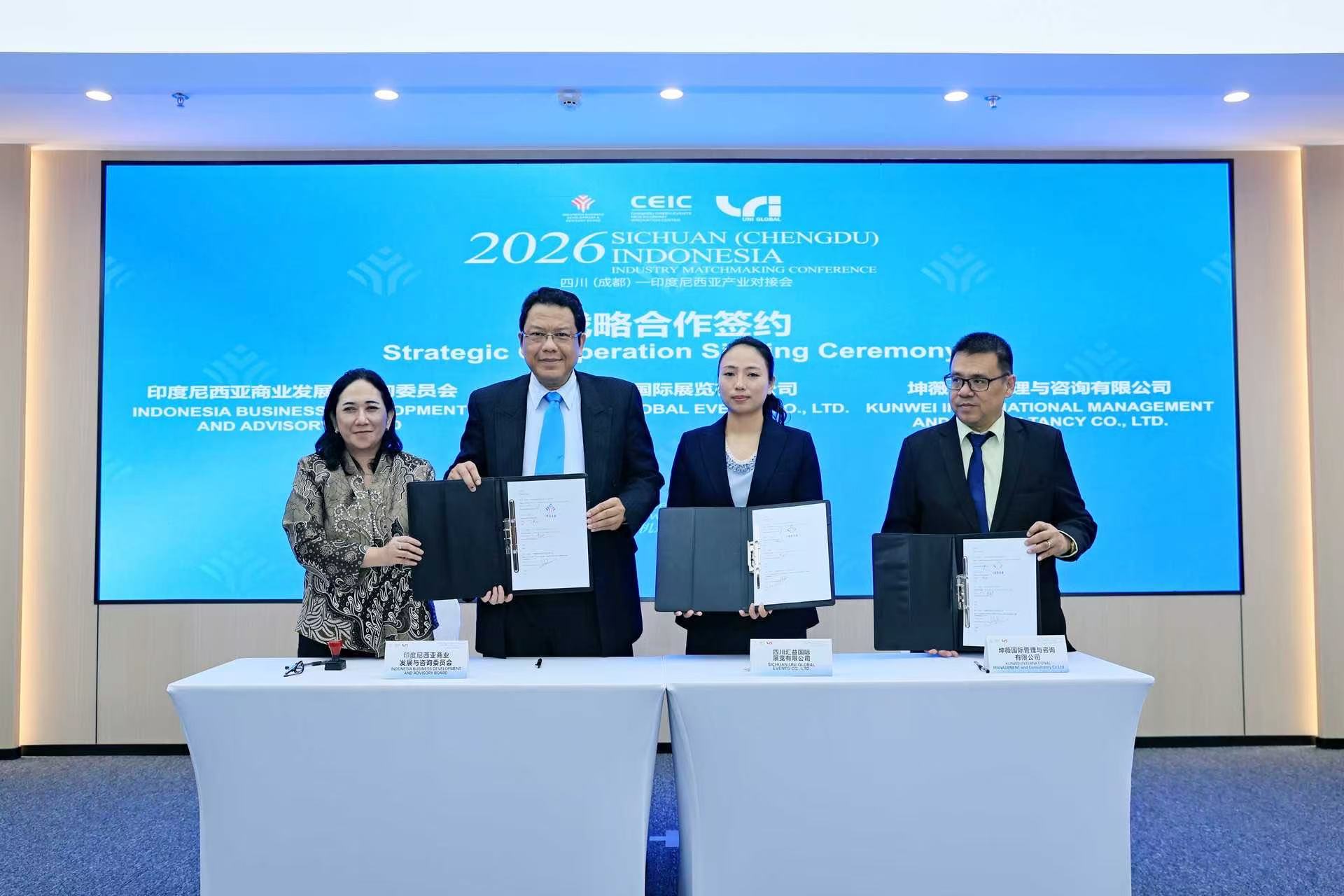
XINHAOSI recently participated in the 2026 Sichuan (Chengdu) – Indonesia Industry Matchmaking Conference held in Chengdu. The event gathered enterprises and industry representatives from China and Indonesia to strengthen industrial cooperation and explore new business opportunities in Southeast Asia.
Explore our complete lineup of gas detectors, system controllers, and safety shut-off valves for industrial thermal installations.