Industrial Safety Innovation Since 2003

OEM Flammable Gas Sensor Suppliers & Manufacturers

Providing global-grade, compliant, and precision-engineered combustible gas detectors, integrated controllers, and safety systems for industrial, commercial, and residential environments.

Industry Analysis

The Global Flammable Gas Sensing Market: Critical Dynamics

The global demand for high-reliability flammable gas sensors has entered an era of rapid escalation. Industrial facilities, smart municipal distribution networks, and smart houses are transitioning toward predictive safety regimes. According to market research, strict legislative updates worldwide—such as the ATEX Directives in Europe, OSHA regulations in North America, and similar occupational health initiatives across Asia-Pacific—mandate the integration of robust, continuously self-monitoring gas detection mechanisms.

OEM flammable gas sensor integration has evolved from a simple protective add-on to a core technological subsystem. Modern sensors must reliably identify lower flammable limits (LFL/LEL) of dangerous compounds, including methane (CH4), propane (C3H8), butane (C4H10), and hydrogen (H2), long before they reach explosive threshold mixtures. Under volatile atmospheric conditions, these systems must maintain accuracy, prevent drift, and resist cross-sensitivity to environmental contaminants like siloxanes or high relative humidity.

Key Market Drivers

  • Hydrogen Infrastructure Transition: The clean energy transition relies on hydrogen systems, which present unique leak detection challenges because of H2's tiny molecular size and wide explosive limit range (4% to 75% in air).
  • Industrial IoT (IIoT) Ecosystems: Modern plants require sensors with digital communication interfaces (RS485, Modbus, HART, and wireless options) to transmit status diagnostics directly to SCADA systems.
  • Safety Standardization: SIL2 and SIL3 safety certifications are becoming standard requirements for gas instrumentation deployed in hazardous industrial processes.

Direct Integration

Our OEM sensor assemblies are built with optimized mechanical structures to allow drop-in replacement and seamless integration into dynamic enclosure designs.

Standard Certification

Built under certified ISO9001 and ISO14001 methodologies, our sensing elements satisfy critical global certification tests to guarantee absolute field dependability.

Technical Architecture

Technology Roadmap: Sensing Principles Compared

Catalytic Combustion (Pellistors)

The industry standard for LEL measurement. Operates by burning target gases on a catalytic bead, modifying the resistor’s temperature. Offers exceptional linearity up to 100% LEL, low cost, and reliable performance across varying temperature profiles, though susceptible to siloxane poisoning.

Non-Dispersive Infrared (NDIR)

Uses infrared light absorption profiles of target hydrocarbons. Completely immune to chemical poisoning, requires no oxygen to operate, and provides long-term calibration stability. Best suited for high-risk zones, carbon dioxide monitoring, and anaerobic environments.

Advanced MEMS & Semiconductors

Leverages metal-oxide semiconductor (MOS) technology minimized onto micro-electro-mechanical chips. Features very low power consumption, extremely small footprints, fast response times, and is ideal for integration into smart home devices and handheld monitoring tools.

X Represents Unknown Risks, X Represents Next-Gen Safety Technology

Founded in 2003, Xinhaosi has established itself as an influential, safety-driven brand within the global gas detection industry. We engineer client-centric hardware and electronic detection platforms that protect industrial plants, municipal gas pipelines, and homes worldwide. With state-of-the-art automated manufacturing processes, our systems provide clear, real-time insight into potential gas hazard exposures.

2003

Founded & Innovating

100%

Factory Calibrated

SIL/CE

Safety Compliance

20+

Patented Technologies

End-to-End Solutions

Integrated Systems & Practical Solutions

Leveraging vertically integrated technology, Xinhaosi develops gas safety architectures that run from raw sensor arrays up to regional interlock control frameworks.
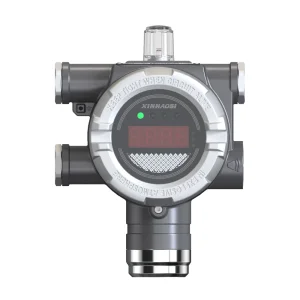
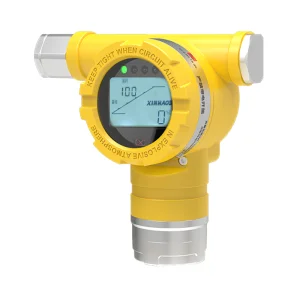
Industrial Gas & Flame Detection Systems

Industrial Gas & Flame

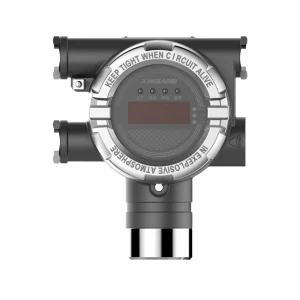
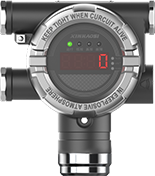
Safety First from Precision Sensing. Built to withstand hazardous environments and explosive atmospheres.

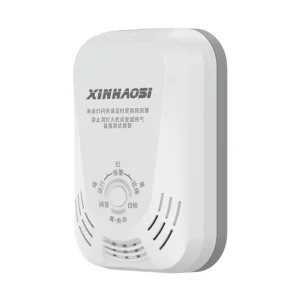
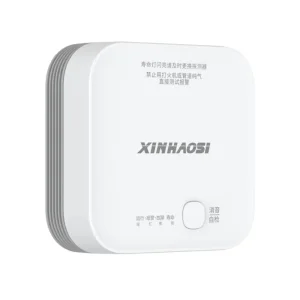
Household & Commercial Gas Detectors

Household & Commercial

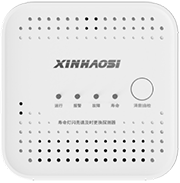
Home Safety from Gas Monitoring. Elegant mechanical form factors designed for modern interior styling.

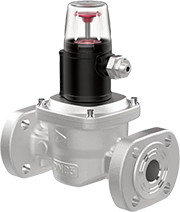
Industrial & Household Gas Solenoid Valves

Gas Solenoid Valves

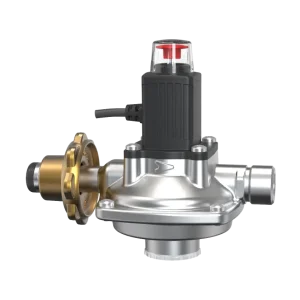
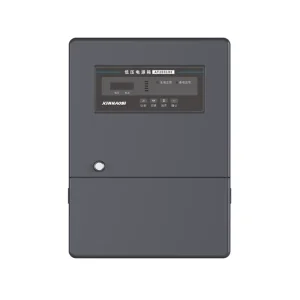
Protecting from the Source. Auto-shutoff control boxes designed to isolate leakage instantly upon alarm triggers.

Urban Gas Distribution & Monitoring

Urban Gas Distribution

Smart Sensing for Urban Gas. Low-power wireless networks designed for underground vaults and pipes.

Operational Deployments

Localized Applications and Global Engineering Profiles

1. Heavy Industrial & Petrochemical Plants

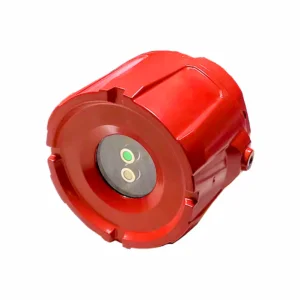
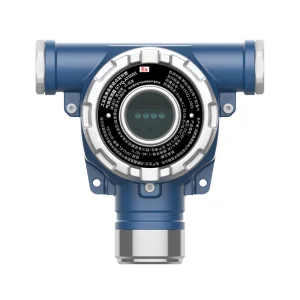
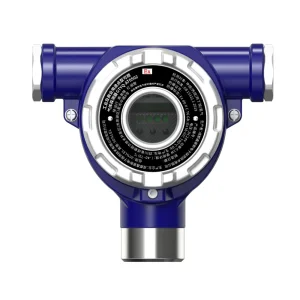
Refineries, chemical processing complexes, and offshore drilling platforms operate under high risks of volatile chemical release. Xinhaosi’s explosion-proof combustible gas detectors use flameproof housings (Ex d) to prevent interior sparks from igniting external atmospheres. These sensors integrate directly into multi-zone monitoring configurations controlled by our centralized interlock control boxes.

2. Utility Corridors and Smart Cities

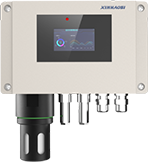
Urban utility tunnels carry water, electricity, communication cables, and gas pipelines in close proximity. Under-ventilation can cause pockets of accumulated methane to build up. Compact, low-maintenance sensors placed along these pathways communicate readings to control centers via RS485 loops, triggering ventilation fans and localized valve shutdowns before explosive limits are reached.

3. Residential Multi-family Developments

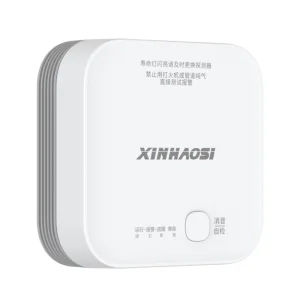
Residential natural gas (methane) and LP gas (propane/butane) systems require consumer-friendly safety equipment. Our household combustible gas detectors provide high-decibel alarms, status indicators, and auxiliary relay outputs. These outputs link with solenoid safety valves to isolate gas line leaks automatically at the utility meter.

Enterprise DNA

"We utilize advanced electronic detection technology to make unknown gas leak risks clear and visible." Every product undergoes rigorous multigas environmental simulation testing to verify accuracy across changing operational profiles.

Global Safety Standards

Designed to meet strict regulatory standards worldwide, including Europe's ATEX and CE certification frameworks, guaranteeing compliant and reliable field performance.
Technical Resources

Frequently Asked Questions (FAQ)

What is the difference between Catalytic and NDIR gas sensors?
Catalytic sensors (pellistors) measure gas concentrations by burning the gas on a heated catalyst bead, which changes the sensor's resistance. They are cost-effective, versatile, and measure a wide range of combustible gases. Non-Dispersive Infrared (NDIR) sensors measure infrared light absorption. NDIR sensors are immune to catalytic poisons (like silicones and sulfur), operate without oxygen, and offer excellent long-term stability, though they carry a higher initial cost.
What are the recommended calibration intervals for flammable gas sensors?
For industrial environments, standard guidelines recommend bump testing sensors before critical work shifts, with full calibrations performed every 3 to 6 months. Environmental factors like chemical exposure, extreme dust, humidity, or temperature extremes can reduce sensor sensitivity over time, requiring more frequent calibration.
How does a gas interlock control box function?
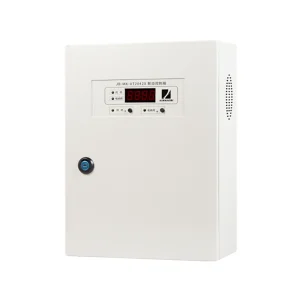
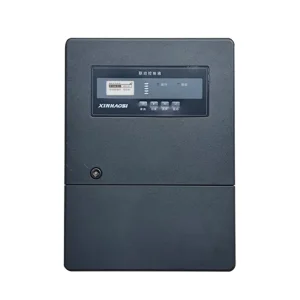
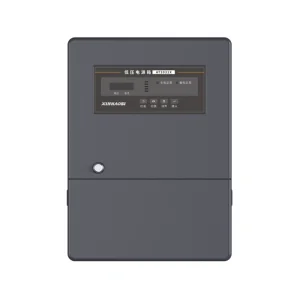
A gas interlock control box (such as our JB-MK series) functions as a central command unit. It continuously monitors inputs from remote gas detectors. When a detector signals a pre-set threshold (typically 10% to 25% LEL), the controller triggers relay outputs. These outputs activate ventilation systems, shut down processes, sound sirens, or close solenoid shut-off valves to contain the gas.
Are Xinhaosi sensors certified for hazardous zone installations?
Yes. Our industrial-grade gas detectors, such as the GTYQ-XP4000 and GTYQ-AT0501 series, feature explosion-proof certification markings. They are designed for installation in Zone 1 and Zone 2 hazardous locations, using robust enclosures designed to withstand high temperatures and explosive environments.
Can these sensors detect hydrogen gas leaks?
Yes. Catalytic combustion sensors can detect hydrogen (H2). However, NDIR sensors cannot detect hydrogen because the H2 molecule does not absorb infrared radiation. For hydrogen applications, we specify catalytic pellistor sensors, specialized electrochemical cells, or metal-oxide semiconductor designs.
What is the lifespan of a domestic vs. industrial gas detector?
Domestic gas detectors typically have an operational lifespan of 5 to 7 years, after which the internal sensing element degrades and the unit must be replaced. Industrial gas detectors feature replaceable sensor modules, where the transmitter housing lasts 10 to 15 years, while the internal electrochemical or catalytic sensor element is replaced every 2 to 5 years depending on operating conditions.
Company News

Stay Tuned for the Latest Updates

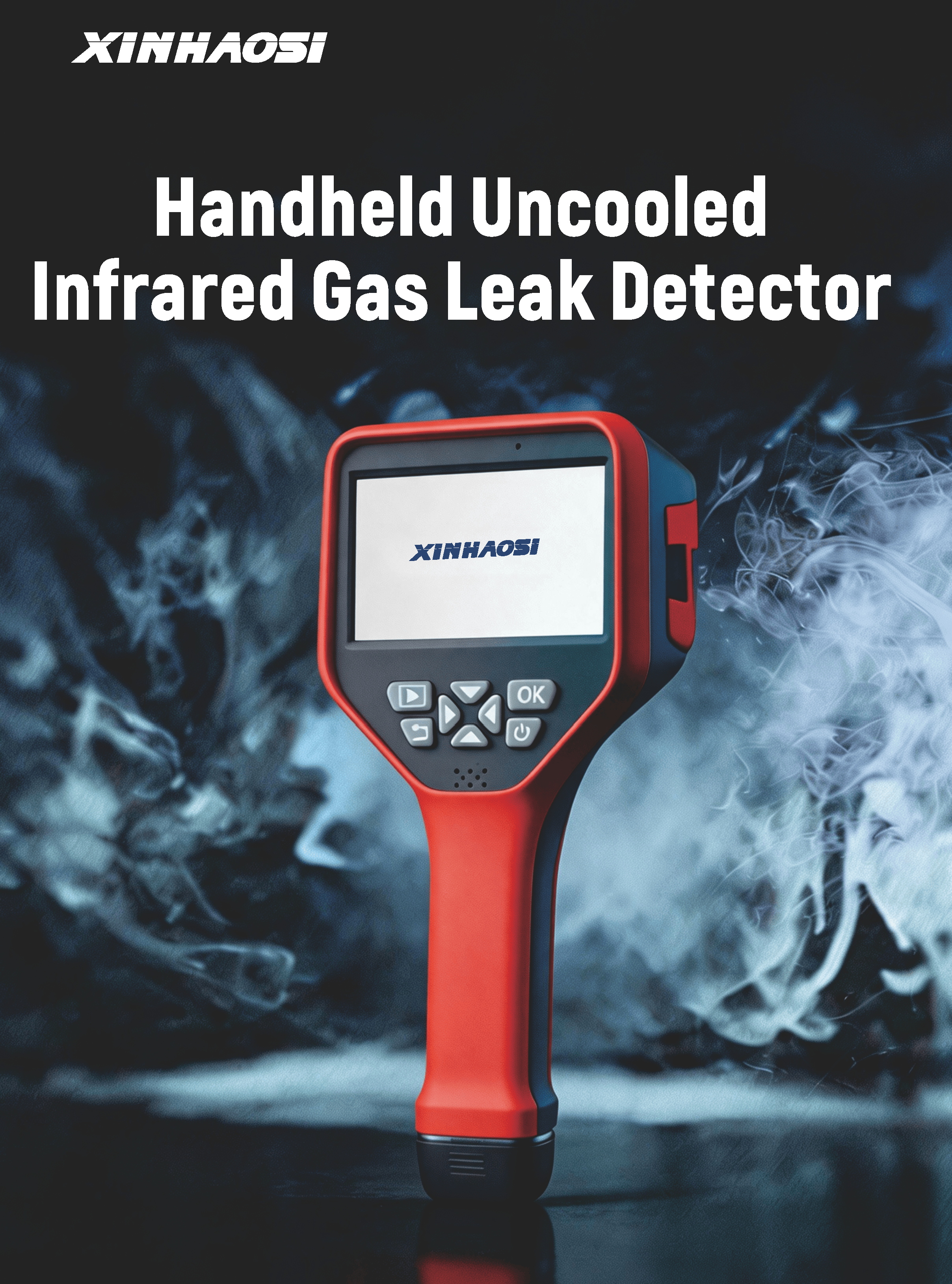
Xinhaosi Uncooled Infrared Gas Leak Detector
May 09, 2026

Xinhaosi Launches New Handheld Uncooled...

Xinhaosi Electronic Detection Technology Co., Ltd. officially launched its new Handheld Uncooled Infrared Gas Leak Detector, featuring dual-technology fusion, ultra-fast response, and long-distance non-contact detection to enhance safety in petrochemical, refrigeration, and industrial gas applications.
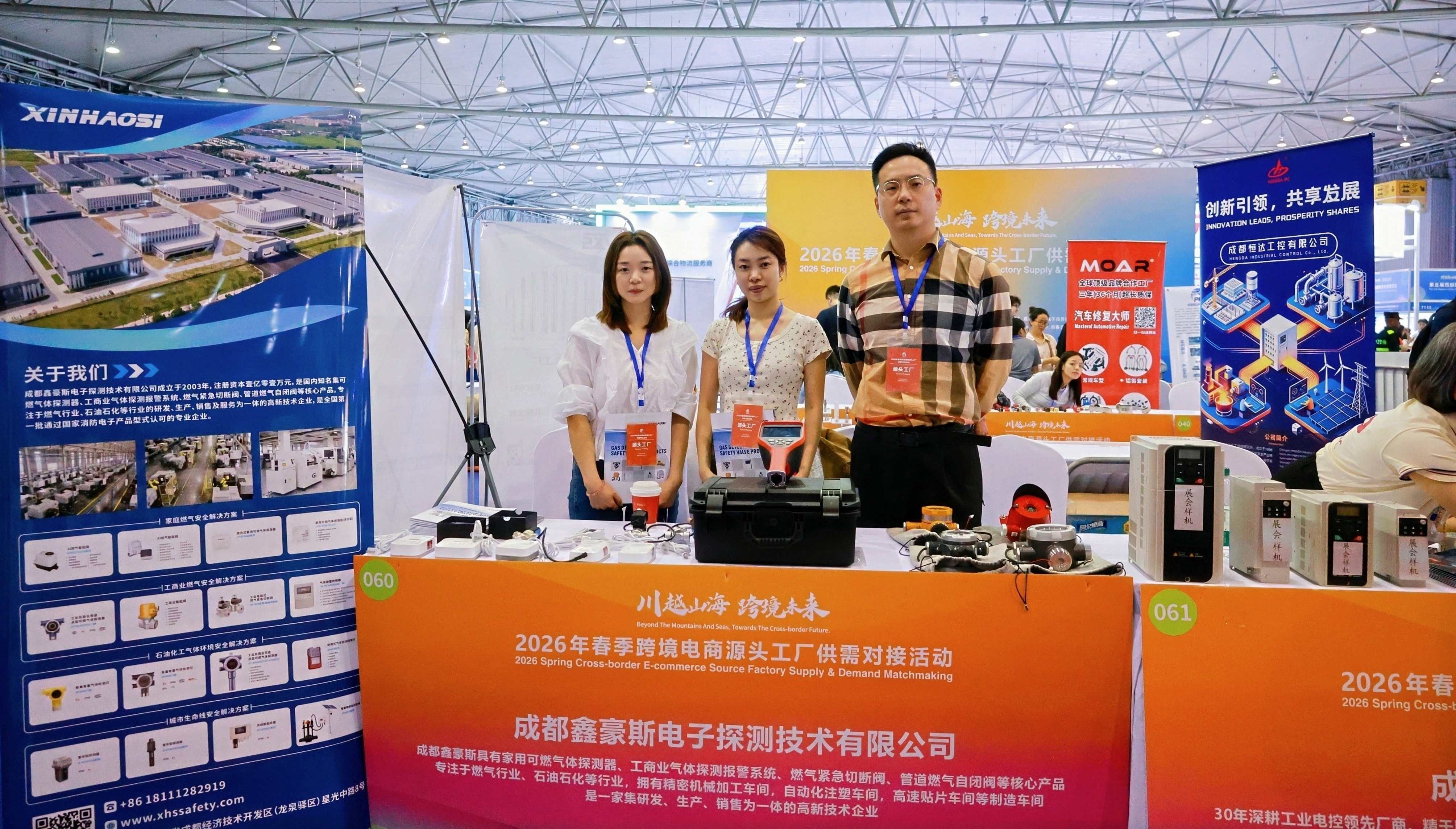
Xinhaosi 5th West China Expo
May 08, 2026

XINHAOSI Participates in the 5th West...

XINHAOSI recently participated in the 5th Western China Cross-Border E-Commerce Expo in Chengdu, connecting with global buyers and industry partners to expand international cooperation and develop overseas markets.

Sichuan Indonesia Conference
May 08, 2026

XINHAOSI Participates in 2026 Sichuan...

XINHAOSI participated in the 2026 Sichuan-Indonesia Industry Matchmaking Conference in Chengdu to strengthen industrial partnerships and explore new business opportunities in Southeast Asia.

Industry Partners

Collaborative Ecosystem