Explore our core engineering portfolio of integrated controllers, hazardous zone alarm systems, intelligent gateways, and precision valves.
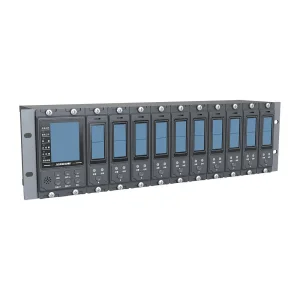
A comprehensive research review on hazard mitigation, sensory innovations, industrial Internet of Things (IIoT) architectures, and global regulatory frameworks.
In modern industrial process engineering, the real-time detection of fugitive emissions and toxic gas accumulation is a core operational priority. As global urbanization accelerates and the complexity of chemical, petrochemical, and municipal gas transmission infrastructures increases, the demand for highly reliable, failsafe gas detection systems is at an all-time high. OEM Gas Detection Alarms play a critical role, providing the modular sensors, smart gateway controllers, and automated shut-off solenoid valves that form the backbone of modern safety envelopes.
Industrial landscapes worldwide operate under strict legislative mandates to protect human capital, ecological zones, and massive capital assets. Standardizing bodies such as the Occupational Safety and Health Administration (OSHA) in North America, ATEX directives in the European Union, and China's GB national standards dictate rigorous compliance profiles for safety instrumentation. Gas detection architectures are no longer isolated warning sirens; they are now fully integrated safety instrumented systems (SIS) that must deliver Safety Integrity Level (SIL) ratings to ensure reliable performance under extreme pressures, temperatures, and electromagnetic interference.
Globally, the push toward carbon neutrality and tighter control over greenhouse gases has driven a significant increase in monitoring requirements. For example, methane leakage detection across upstream oil wells, midstream natural gas pipelines, and downstream urban distribution grids is highly regulated. Achieving the level of sensitivity needed to capture parts-per-million (ppm) fluctuations requires advanced, drift-free detection instrumentation. Consequently, manufacturers must implement rigorous quality management systems to produce hardware capable of functioning reliably for years without calibration decay.
The transition from analog, single-loop electrochemical and catalytic combustion sensors to digitally networked, multi-spectral systems represents a major shift in industrial safety design. Modern industrial gas safety architectures are built around a layered hierarchy of sensing, transmission, control, and automated mitigation.
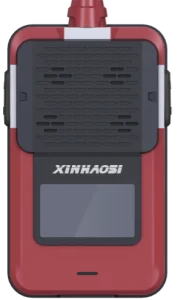
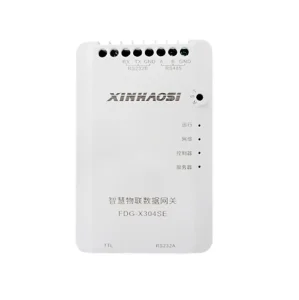
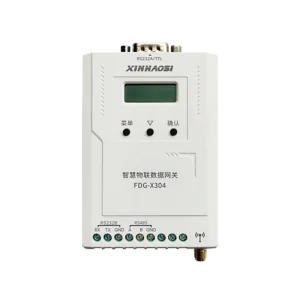
Devices like the FDG-X304 parse raw sensor data at the physical layer, applying digital filters and calibration matrices to eliminate false positives.
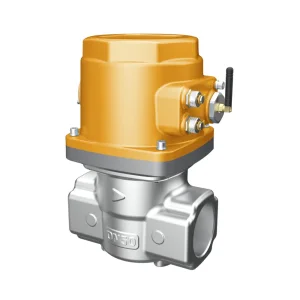
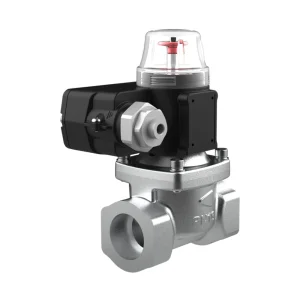
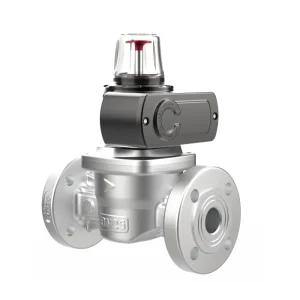
Normally Open Solenoid Valves (e.g., KT-XF5 Series) respond immediately to electrical shutoff signals from gas controllers, stopping high-pressure gas lines at the source.
Utilizing non-dispersive infrared (NDIR) and uncooled thermal imaging to identify gas plumes over long distances without physical contact or sensor poisoning.
A key focus of current research and development is sensor poisoning resistance. Traditional catalytic bead sensors can degrade quickly when exposed to silicones, halogenated hydrocarbons, or heavy sulfur compounds. Modern OEM platforms mitigate this risk by integrating optical sensing (such as NDIR) alongside smart electrochemical detectors. These hybrid configurations ensure long-term stability and reduce maintenance overheads, making them ideal for highly challenging environments like chemical manufacturing facilities and wastewater treatment plants.
Founded in 2003, Xinhaosi has established itself as an influential and reliable brand in the global gas safety industry. The brand is built on a simple, powerful philosophy: "X represents the unknown risks; X represents the next-gen safety technology." Our primary mission is to convert complex, unseen hazards into clear, actionable data, protecting lives and properties worldwide.
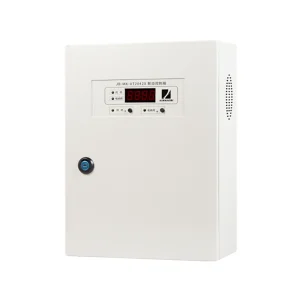
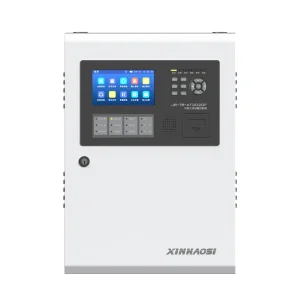
Our state-of-the-art production systems leverage automation, rigorous environmental stress screening (ESS), and multi-point automated calibration chambers. Whether engineering household combustible gas detectors like the JT-AT3068 or high-capacity industrial interlock control boxes like the JB-MK-AT2042X, Xinhaosi delivers reliable performance at every step of the safety pipeline. Our end-to-end integration capabilities enable us to customize solutions for complex industrial plants, public utility networks, and commercial high-rises.
Designed for diverse, high-demand installations where safety and reliability cannot be compromised.
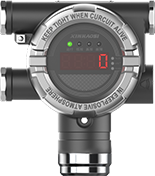
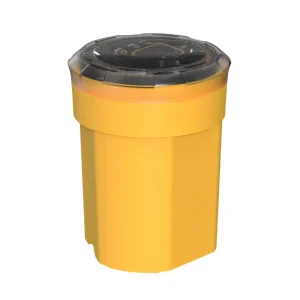
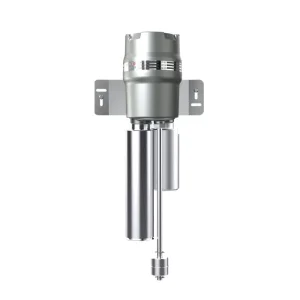
High-precision detection systems engineered for rugged, explosive environments.
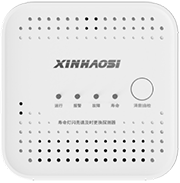
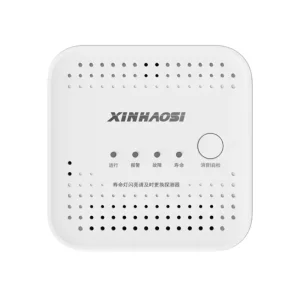
Compact, elegant, and highly reliable monitors for urban homes and businesses.
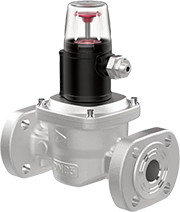
Fast-closing, reliable isolation valves designed to shut off gas flow instantly during an alarm event.
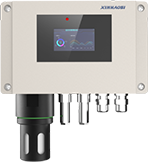
IoT-connected monitoring systems designed to protect municipal infrastructure.
Combining edge hardware, cloud management, and automated actuation into a single, unified safety system.
Traditional safety installations often suffer from compatibility issues between sensors, telemetry gateways, controllers, and valves. The Xinhaosi ecosystem solves this problem through vertical integration. Each component is designed to communicate seamlessly with the others, reducing response latency from seconds to milliseconds.
Our intelligent data gateways (such as the FDG-X304) convert raw RS485 or CAN-bus telemetry from gas sensor nodes into standard protocols like MQTT or Modbus TCP. This enables seamless connection to enterprise SCADA platforms, DCS networks, or cloud servers, providing operations teams with real-time visibility and analytics.

Sensors continuously monitor the ambient environment, detecting target gases at parts-per-million (ppm) levels.
Local transmitters digitize the analog sensor readings and upload the data via Modbus or LoraWAN.
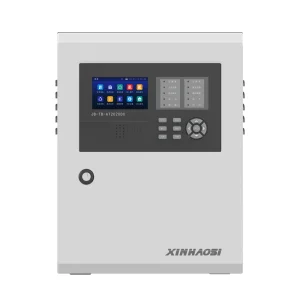
The central controller (e.g., JB-TB-AT2020DX) compares readings against safety thresholds and activates the alarms.
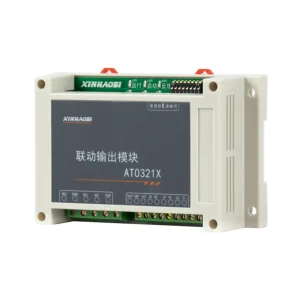
The system triggers interlock control boxes to cut power and shut solenoid valves, isolating the gas leak.
Trusted by leading energy corporations, municipal authorities, and industrial developers worldwide.
























Professional answers to common queries regarding standards, sensor technologies, maintenance, and deployment configurations.
Stay updated on our latest product launches, global trade exhibitions, and international safety partnerships.
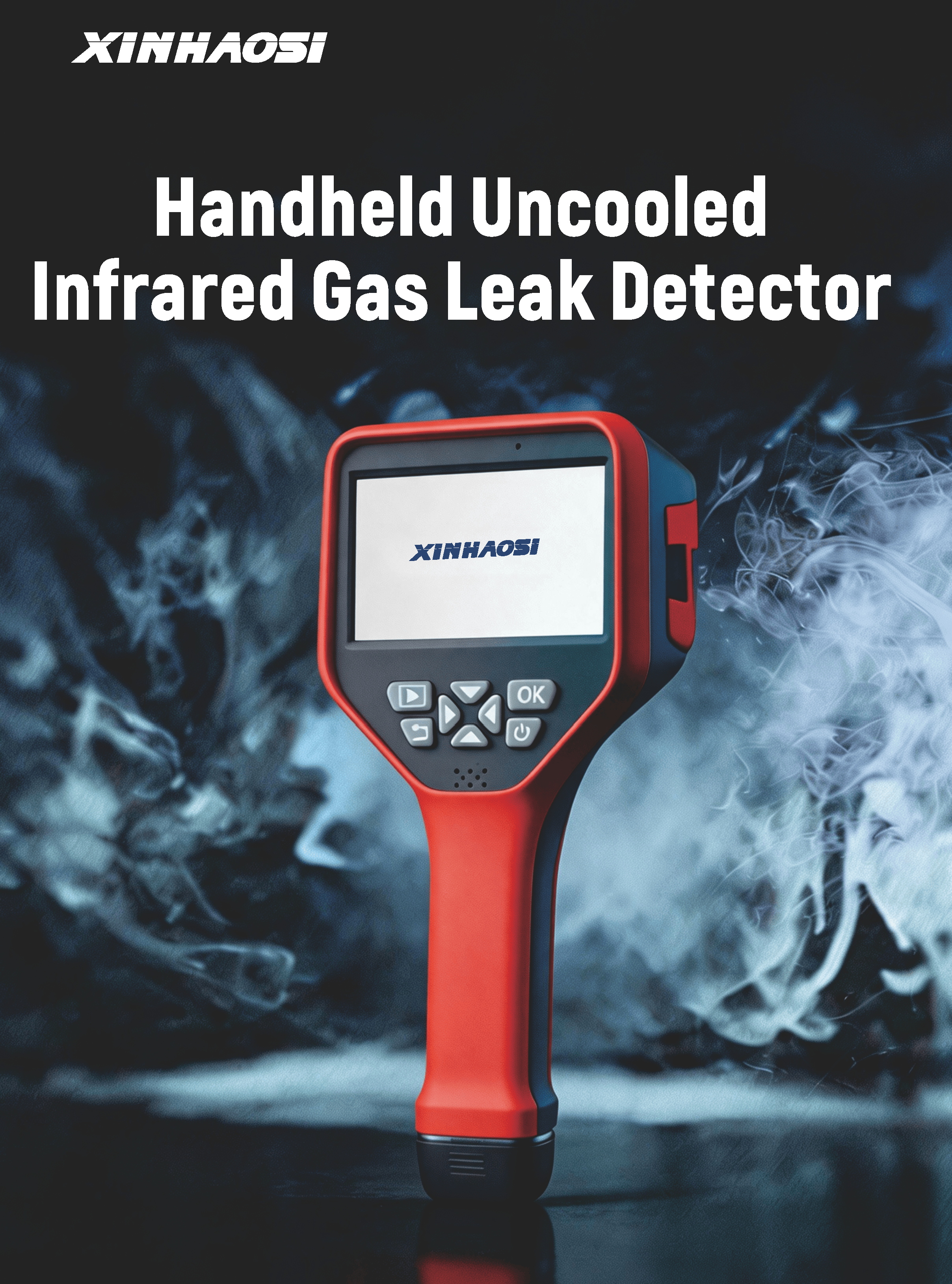
Featuring dual-technology fusion, ultra-fast response, and long-distance non-contact detection to enhance safety in petrochemical, refrigeration, and natural gas facilities.
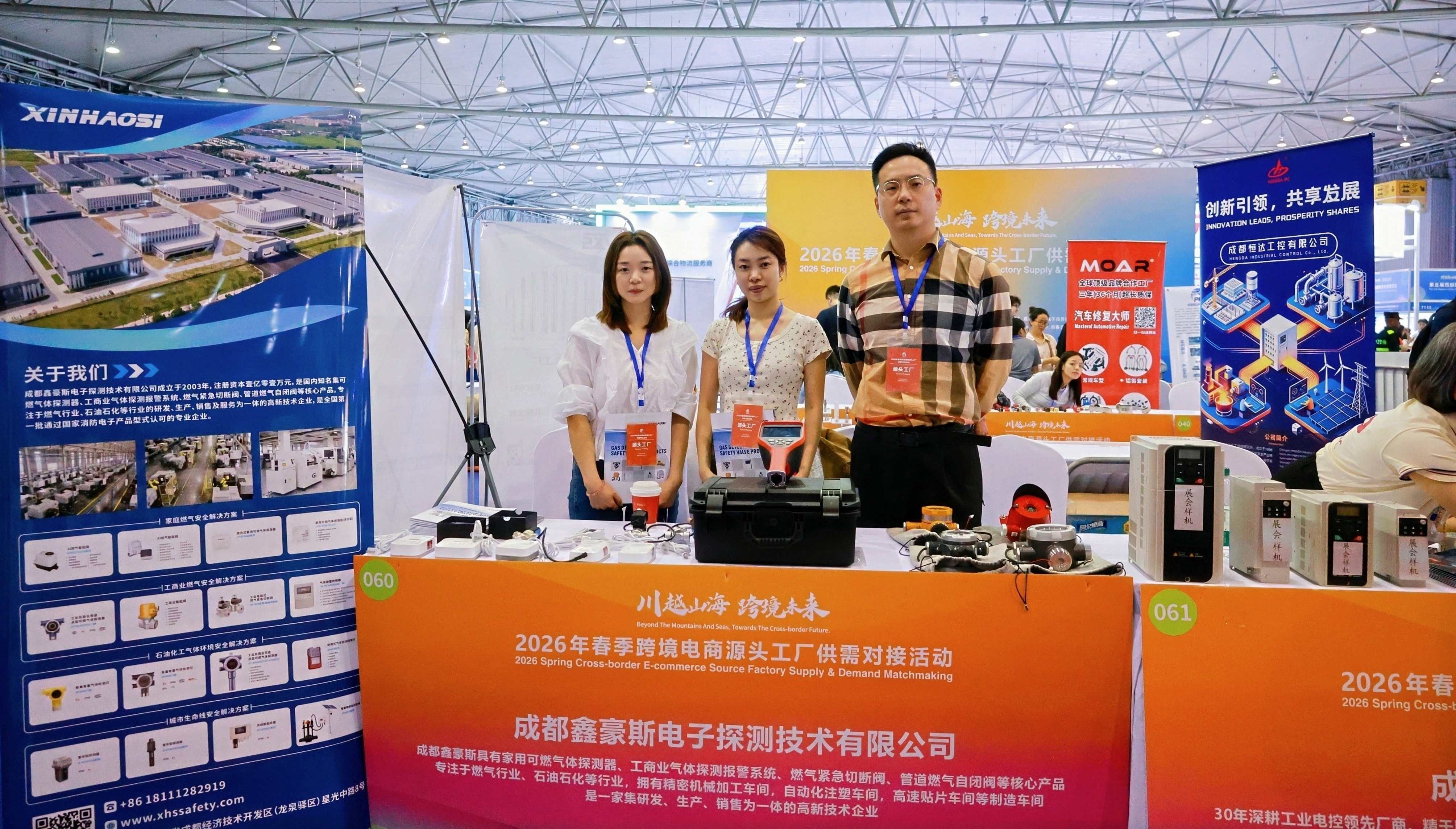
Connecting with international buyers and manufacturing supply chains in Chengdu to develop new overseas trade channels and global partnerships.

Participating in the Sichuan-Indonesia matchmaking conference to explore new industrial partnerships and export opportunities in Southeast Asia.
Complete your facility's safety infrastructure with our explosion-proof detectors, control boxes, and high-pressure solenoid valves.