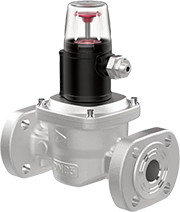
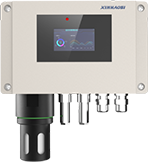
Explore our core engineering catalog, designed to support global OEM specifications and high-tolerance performance standards.
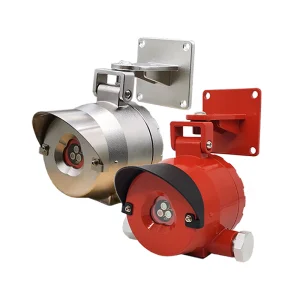
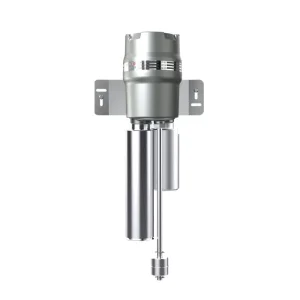

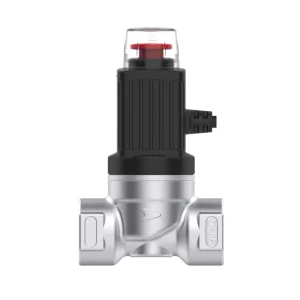
A comprehensive study on standard dimensions, fluid dynamic constraints, and critical validation protocols for modern gas networks.
In combustion engineering and industrial gas distribution networks, selecting the appropriate OEM Gas Valve Size is not merely a matter of pipe connection alignment. It is a critical parameter that directly influences volumetric flow rates ($Q$), pressure drops ($\Delta P$), and system velocity. Proper sizing dictates the flow coefficient ($C_v$ or $K_v$), representing the volume of water at 60°F that will flow through the valve with a pressure drop of 1 psi. In gas systems, fluid compressibility requires strict compliance with standard formulas, where velocity limits are closely monitored (usually kept below 20 m/s for gas lines) to prevent turbulence, excess noise, and premature seat erosion.
Under-sizing a gas valve leads to severe downstream pressure starvation, forcing combustion equipment to run lean, resulting in thermal stress or complete system lockouts. Conversely, over-sizing introduces control instability, characterized as "hunting" or cycling, where the valve operates close to its seat, causing localized seat wear and unstable downstream pressure regulation. By managing the exact internal orifice sizes, port geometry, and spring ratios, OEM gas valve manufacturers can tune the safety shut-off systems to coordinate perfectly with the pressure curves of specific boilers, furnaces, and domestic utilities.
Note on Safety Margins: The American National Standards Institute (ANSI) and the International Organization for Standardization (ISO) recommend that the operational flow rate should consume no more than 70-80% of the maximum valve capacity, ensuring a 20-30% safety margin for peak loads or temporary supply pressure drops.
Different gas applications call for specific thread or flange profiles. OEMs typically categorize valve architectures into two main families: threaded connections for residential and light commercial applications, and flanged connections for high-volume industrial pipelines.
| Nominal Size (DN) | Thread/Flange Style (NPT/BSPT/ANSI) | Typical Application Range | Max Operational Pressure ($P_{max}$) |
|---|---|---|---|
| DN15 (1/2") | Threaded NPT / BSPT / G Thread | Residential smart gas meters, pilot burner assemblies | 0.5 Bar to 4 Bar |
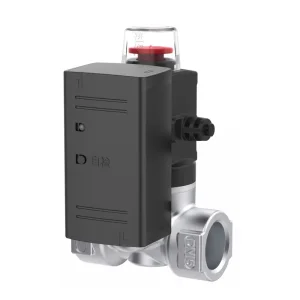
| DN20 (3/4") | Threaded NPT / BSPT / G Thread | Domestic boilers, residential automatic safety valves (XF2 Series) | 0.5 Bar to 4 Bar |
| DN25 (1") | Threaded or Flanged (PN16) | Commercial kitchens, direct firing heaters, district regulators | 4 Bar to 10 Bar |
| DN40 (1-1/2") | Threaded or Flanged (PN16/ANSI Class 150) | Industrial multi-burner systems, main safety shut-off loops | 10 Bar to 16 Bar |
| DN50 (2") | Flanged ANSI Class 150 / 300 / DIN PN16 | District heating plants, gas power plants, manufacturing manifolds | 16 Bar to 40 Bar |
| DN100 (4") and above | Flanged ANSI Class 300 / 600 / DIN PN40 | Natural gas distribution city gates, heavy petrochemical refining lines | Up to 100 Bar |
Additionally, the thread tolerance and pitch profiles must be verified. NPT (National Pipe Tapered) threads create pressure-tight seals via metal-to-metal interference, which requires PTFE tape or joint compound. In contrast, BSPT (British Standard Pipe Tapered) and parallel G-threads rely on specialized elastomer O-rings or flat gaskets, which offer superior durability under high vibration but demand strict structural tolerances from the manufacturing facility.
In 2026 and beyond, procurement managers for utility operations and industrial processing facilities are transitioning away from off-the-shelf components. The current trend focuses on co-engineering: specifying customized mechanical layout dimensions directly to the factory. This direct collaboration ensures compatibility with existing spatial footprints and localized electrical control interfaces.
Key parameters demanded by procurement teams include:

Founded in 2003, Xinhaosi has established itself as an influential manufacturer in the gas safety industry. The brand is dedicated to safeguarding factory operations, urban infrastructure, and homes globally. Using advanced electronic sensing and flow control technologies, Xinhaosi transforms hidden gas leak hazards into visible, manageable data points.

Powered by modern manufacturing facilities and rigorous quality control protocols, we provide precise gas detection and automatic shut-off systems that ensure long-term reliable protection.
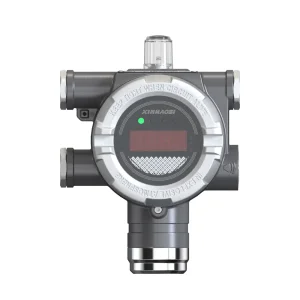
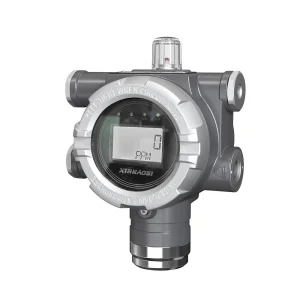
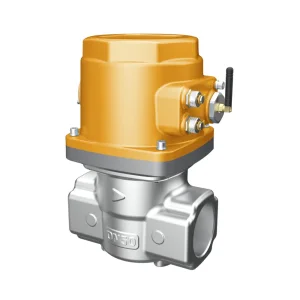
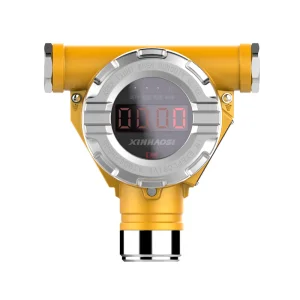
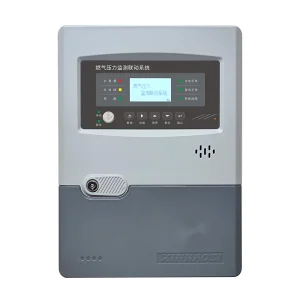
Modern safety protocols require integrated, closed-loop safety architectures. Instead of operating as isolated mechanical units, OEM gas valves now connect directly to centralized monitoring panels, building management systems (BMS), or cloud IoT networks. For example, if a gas sensor (such as the GTYQ-AT0505/d or AT0605) detects gas accumulation exceeding 10% LEL, it sends a low-voltage signal to the PMC-X602C transmitter controller. This controller instantly drops the holding current to the XF2 Series Gas Solenoid Valve, causing it to shut down within 1 second.
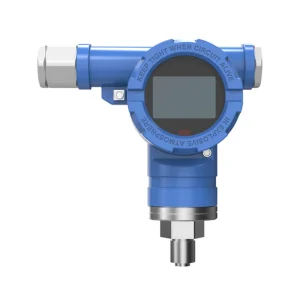
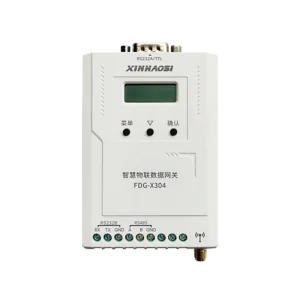
In larger industrial setups, the FDG-X304 Intelligent Data Gateway acts as the central communications link. It collects operational pressure metrics from XCS-P3051 transmitters and combines them with diagnostic data from explosion-proof sensors. Using this real-time data flow, the system can dynamically adjust control valves to compensate for pressure changes. This helps prevent sudden drops in flow that could disrupt downstream burner lines.
Integrating large-scale flanged shut-off valves with wireless monitoring gateways. This combination allows utility operators to isolate specific pipeline segments remotely when pressure drops or leaks are detected.
Matching high-capacity burner manifolds with precision-sized DN50 and DN80 gas valves. This setup ensures stable fuel-to-air ratios, lowering emissions and optimizing fuel efficiency.
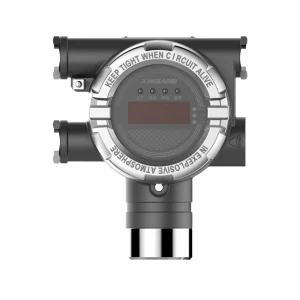
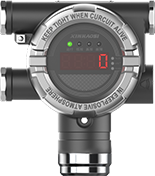
Using explosion-proof ATEX-rated solenoid coils with IP66-rated gas detectors. This configuration maintains continuous safety in zone 1 and zone 2 industrial facilities, such as refineries and chemical plants.
Navigating international gas safety regulations requires strict compliance with domestic and regional safety standards. Gas valves installed in the European Union must bear the CE mark and comply with the Gas Appliances Regulation (GAR) EU 2016/426. In the United States, installations must align with NFPA 54 (National Fuel Gas Code). Selecting an OEM manufacturer that provides full material traceability and structural certification is essential for trouble-free local inspections.
Furthermore, explosion-proof components require specialized certifications, including ATEX for European markets and IECEx for international markets. Using non-certified components in hazardous environments voids commercial insurance coverage and risks severe system failures. Working with established manufacturers ensures that all product lines—from miniature residential solenoid valves to large-scale industrial pressure controllers—meet these critical performance standards.
As carbon reduction targets become standard across industrial sectors, the gas industry is preparing for a shift toward hydrogen-blended networks. Hydrogen molecules are significantly smaller than methane molecules, which increases the risk of micro-leakage through standard valve seats. As a result, manufacturing processes must evolve to use high-density elastomers and precise mechanical seals to ensure reliable containment.
The research and development roadmap focuses on three main technical areas:
Combining detection, monitoring, and flow control systems into a cohesive safety network.

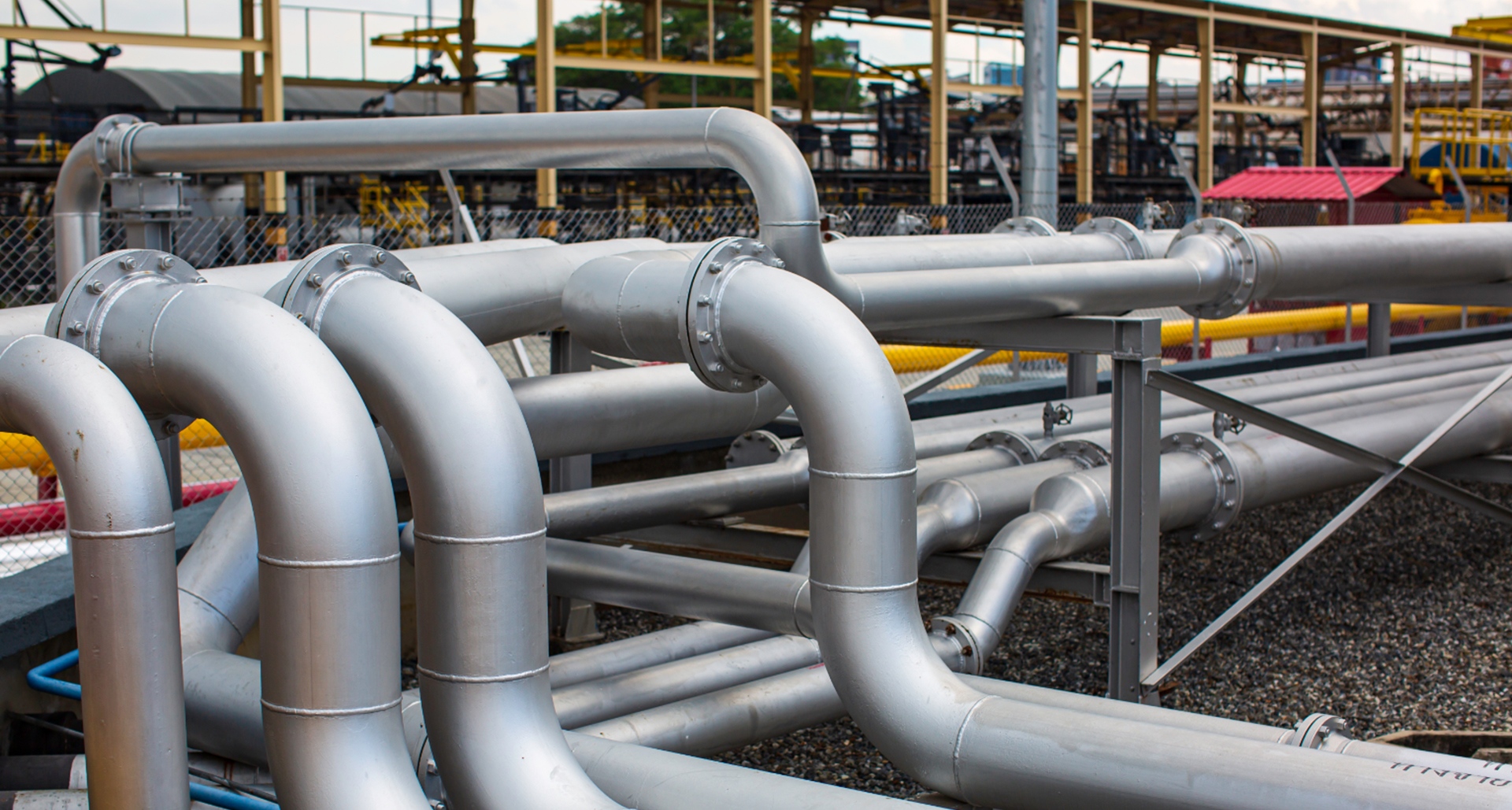
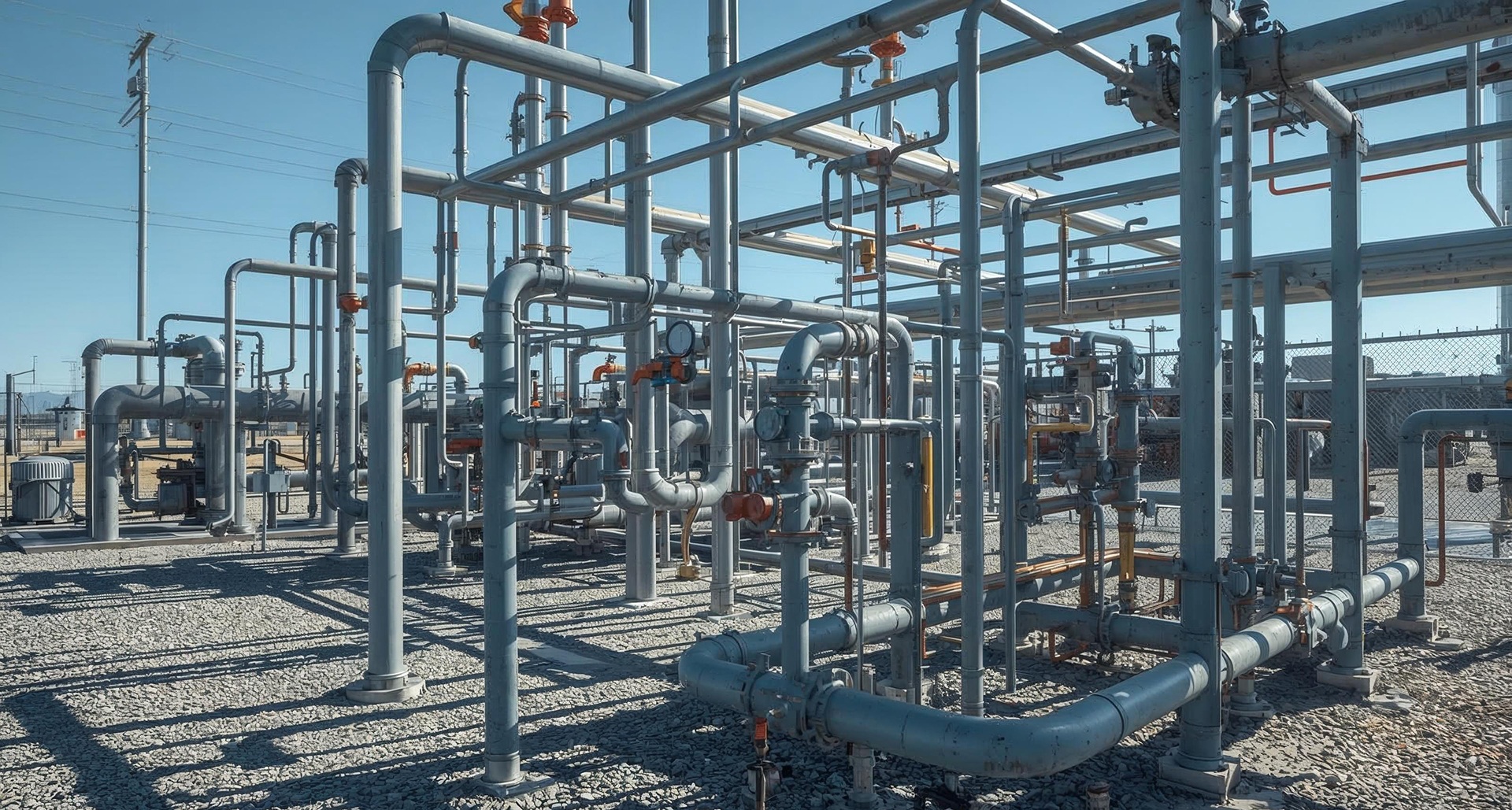
Technical answers to common engineering and procurement questions regarding OEM gas valves.
Providing gas safety infrastructure for leading companies across major industrial sectors.








Read about our recent projects, product launches, and participation in international industry events.
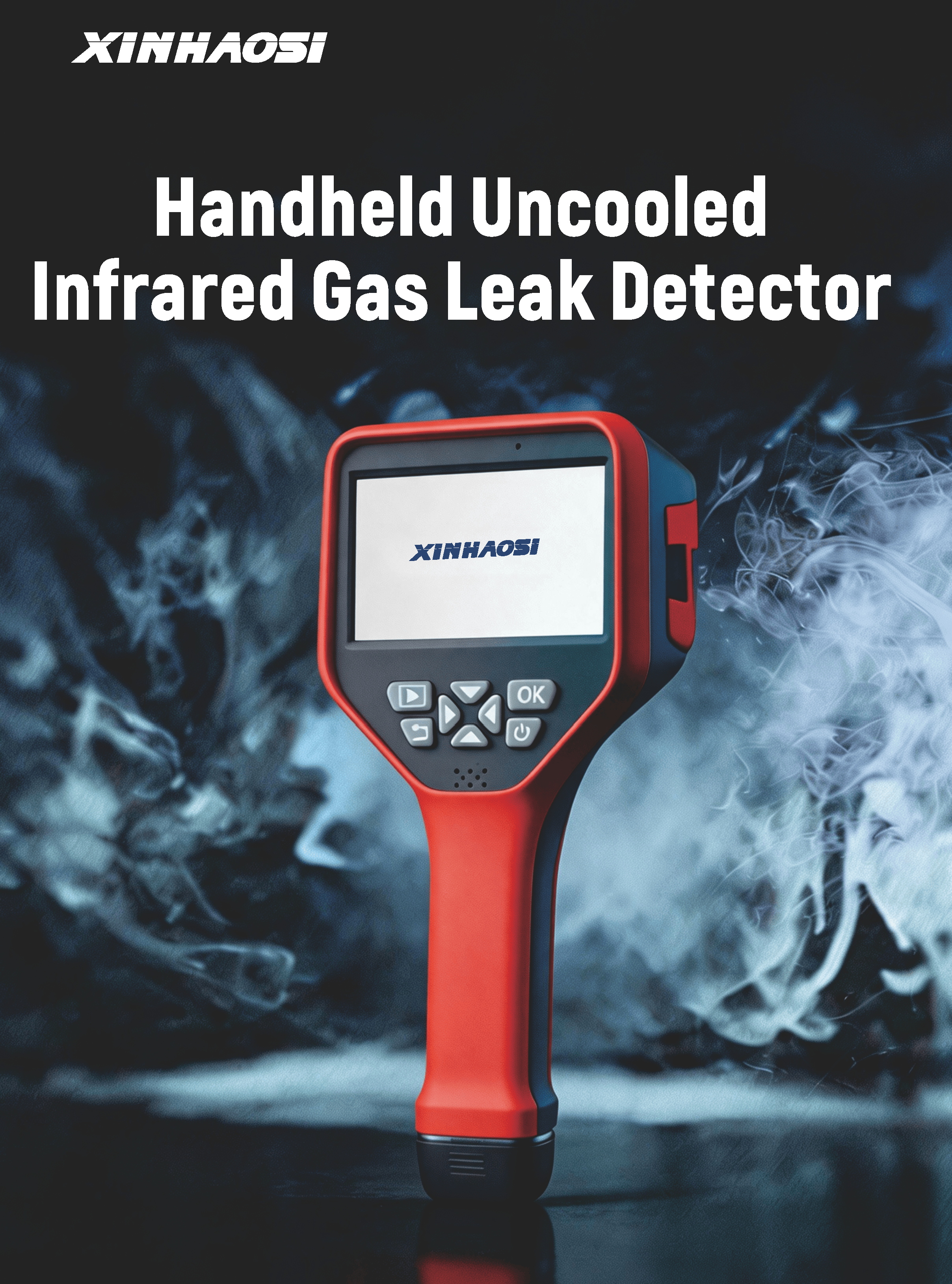
Introducing our latest Handheld Uncooled Infrared Gas Leak Detector, featuring dual-technology fusion for fast, non-contact detection in petrochemical and refrigeration applications.
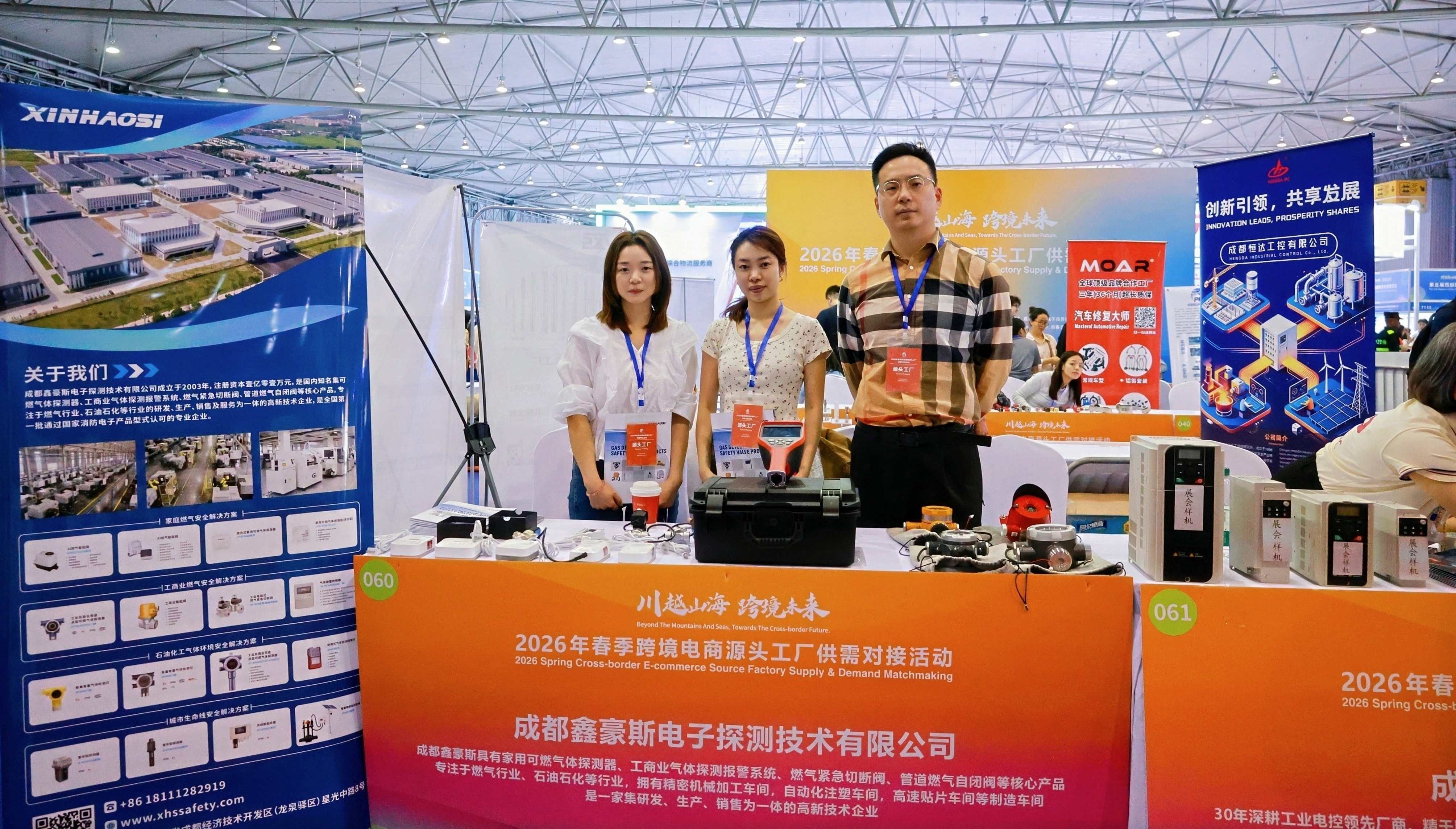
Connecting with international buyers and system integrators in Chengdu to expand international supply chains and display our custom OEM capabilities.

Strengthening industrial partnerships and expanding safety detection systems to municipal and commercial projects throughout Southeast Asia.
Explore our specialized range of explosion-proof monitoring sensors and smart digital integration hardware.