Explore our industrial controllers, high-precision transmitters, and integrated shut-off systems built on over two decades of engineering expertise.
Founded in 2003, Xinhaosi has risen to become one of the most trusted and globally recognized brands in the gas safety, instrumentation, and control industry. We utilize state-of-the-art electronic detection architectures to translate invisible, hazardous, and unpredictable methane leaks into clear, quantifiable, and actionable real-time safety data.
With massive investments in R&D and cutting-edge sensor manufacturing facilities, we deliver more advanced, intuitive, and precise gas safety solutions. We specialize in OEM and ODM alignments, empowering municipal networks, chemical hubs, LNG transport routes, and critical manufacturing zones to secure their processes, reduce fugitive emissions, and guarantee compliance with modern ESG objectives.

Our solutions span across urban networks, heavy refineries, commercial buildings, and domestic spaces, forming a unified grid of detection and rapid mitigation.
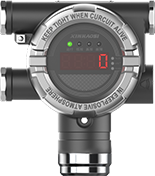
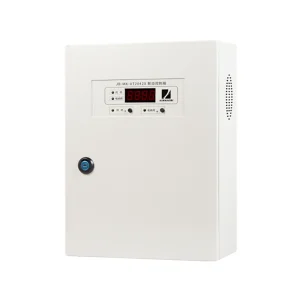
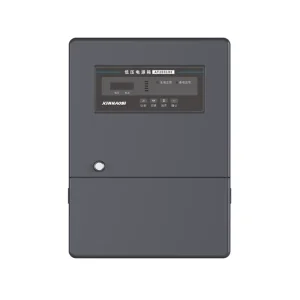
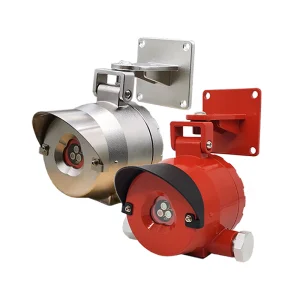
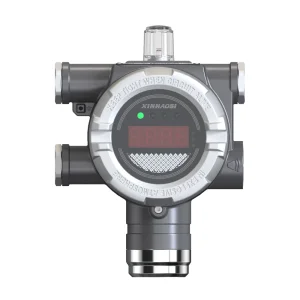
Explosion-proof transmitters and addressable controllers designed for heavy chemical processing plants, refineries, and offshore operations.
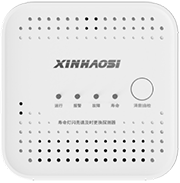
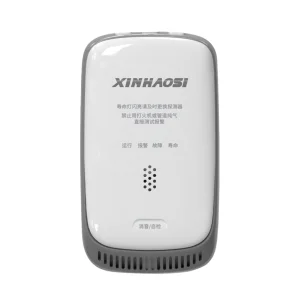
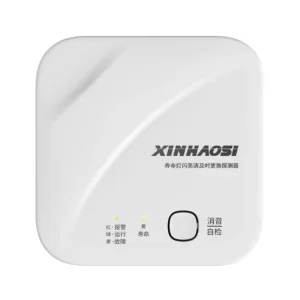
Aesthetic, highly reliable methane and carbon monoxide alarms featuring wireless cloud connectivity and multi-device local linkages.
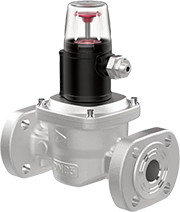
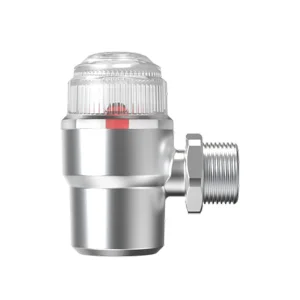
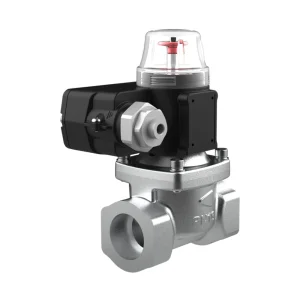
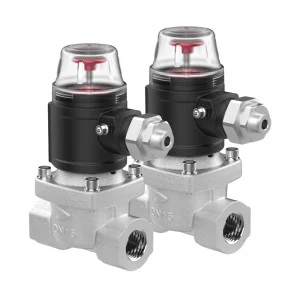
Rapid action emergency shut-off valves configured for automatic execution upon target gas concentration trigger points.
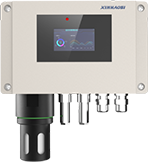
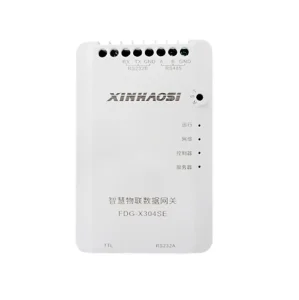
Smart pressure regulation, pipeline leak monitors, and distributed IIoT gateway systems mapping town gas pipelines.
Methane (CH4) monitoring has graduated from being a basic industrial safety protocol to a critical focal point in the fight against climate change and global emissions. The energy sector, municipal gas networks, and heavy landfill infrastructures are facing increasingly rigorous regulatory oversight. Policies such as the US EPA’s OOOOa/b/c regulations, the EU Methane Regulation, and global pledges like the COP26 and COP28 commitments demand continuous monitoring and proactive leak detection.
For decades, spot-checking pipelines via optical gas imaging (OGI) was standard practice. Today, continuous, stationary methane gas monitors connected to local automation loops (DCS/SCADA) and cloud telemetry gateways represent the gold standard. By deploying permanent OEM gas detection systems at crucial flanges, compression zones, and gate stations, facility managers can isolate leaks in seconds instead of weeks, averting safety disasters and reducing valuable product loss.
Current industrial monitoring paradigms prioritize device-level reliability and cross-protocol compatibility. Manufacturers and system integrators now demand OEM hardware that natively interfaces with existing legacy networks. This requires methane monitors to adapt outputs dynamically, offering standard Modbus RTU, 4-20mA analog loops, HART protocols, and wireless protocols like LoRaWAN, NB-IoT, and Wi-Fi.
In addition, global supply chains require local certification flexibility. A single design model must pass strict regional certification pipelines (ATEX for Europe, UL/CSA for North America, and IECEx for international markets). Xinhaosi works in close synergy with international certification laboratories, verifying that all component housings, electronics, and sensor cartridges meet explosive atmosphere safety guidelines (Class I, Div 1 / Zone 1 configurations).
As an OEM Methane Gas Monitor Supplier, we leverage two core sensing principles to deliver accurate, drift-free detection suited for varying environmental conditions:
To assure long-term reliability and minimize maintenance cost overhead, our hardware includes automatic baseline temperature compensation, intelligent humidity filtering, and built-in self-diagnostic routines that report sensor health status to host SCADA systems.
No two facilities share identical layouts, environmental hazards, or software backbones. Xinhaosi provides a full-spectrum OEM development pipeline, starting from initial enclosure design down to low-level board layouts and custom firmware registers:
Cast aluminum or marine-grade 316 Stainless Steel housings certified IP66/IP67/NEMA 4X to protect electronics from harsh offshore salt spray and dust ingress.
Integration of Modbus protocol mapping, local relay trip points, custom alarm delay buffers, and specialized wireless transmission schedules.
Multi-gas gas sensing cartridges combining Methane (CH4) detection with Carbon Monoxide (CO), Hydrogen Sulfide (H2S), or Oxygen (O2) in a single transmitter head.
Different regions present unique challenges for gas detection hardware deployment. In cold climates like Canada or Northern Europe, devices must maintain reliable operation down to -40°C, requiring internal heating modules. In tropical industrial centers of Southeast Asia, sensors must endure continuous high humidity without condensation causing optics failure. By selecting Xinhaosi as your OEM supplier, you benefit from our pre-validated hardware components engineered to perform under these diverse environmental challenges.
Stay informed with the latest technology announcements, exhibition updates, and breakthroughs from the Xinhaosi development team.
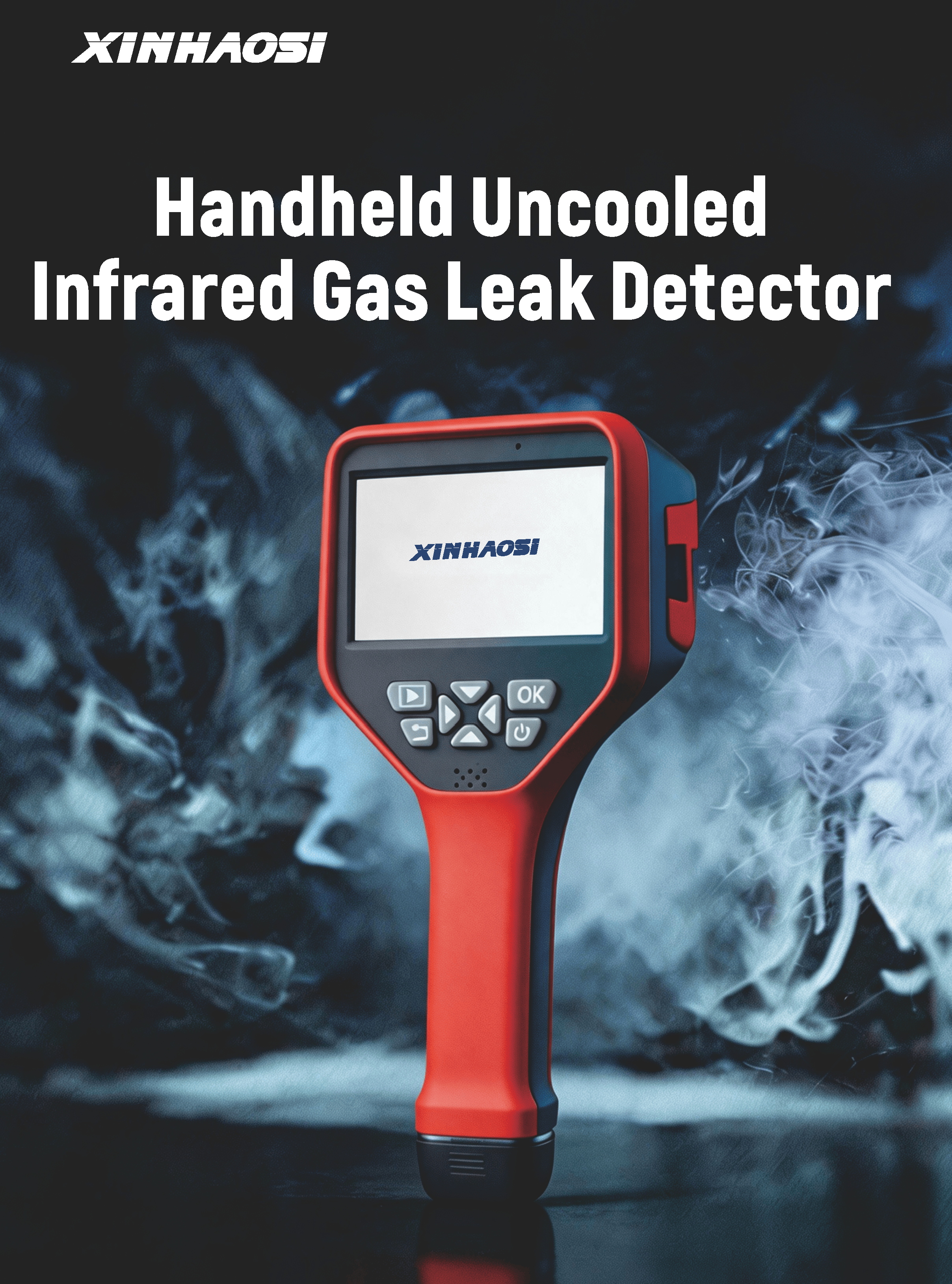
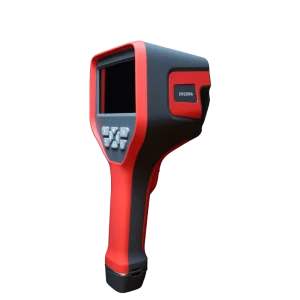
Xinhaosi Electronic Detection Technology Co., Ltd. officially launched its new Handheld Uncooled Infrared Gas Leak Detector, featuring dual-technology fusion, ultra-fast response, and long-distance non-contact detection to enhance safety and efficiency in petrochemical, refrigeration, natural gas and industrial safety scenarios.
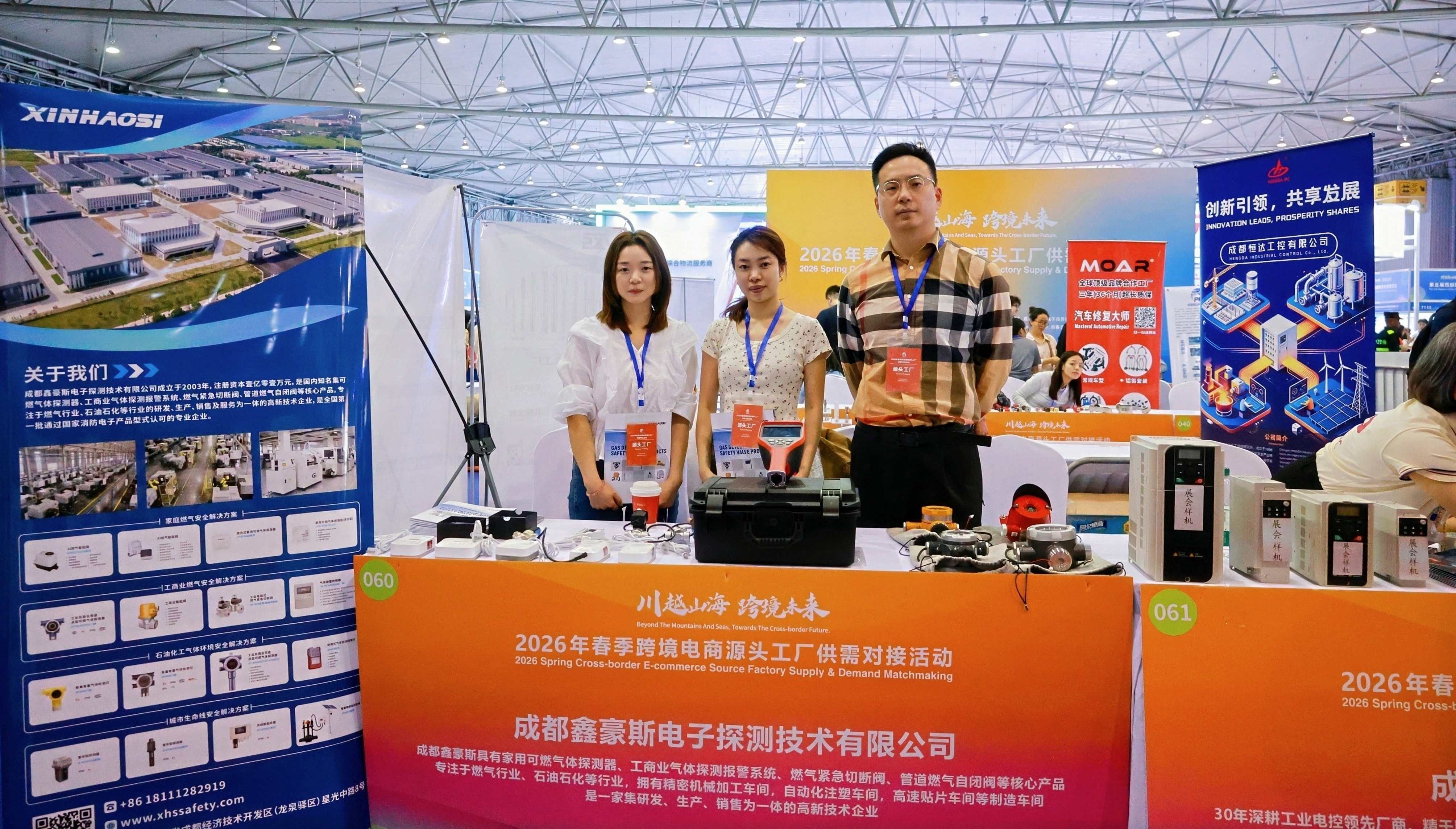
XINHAOSI recently participated in the 5th Western China Cross-Border E-Commerce Expo held in Chengdu. The event brought together cross-border e-commerce platforms, global buyers, manufacturers, and supply chain companies, creating new opportunities for international business cooperation and overseas market development.

XINHAOSI recently participated in the 2026 Sichuan (Chengdu) – Indonesia Industry Matchmaking Conference held in Chengdu. The event gathered enterprises and industry representatives from China and Indonesia to strengthen industrial cooperation and explore new business opportunities in Southeast Asia.
























Comprehensive engineering insights regarding selection, installation, and maintenance of methane sensing frameworks.
Integrate certified flame sensors, household alarms, sounders, and sub-controllers to complete your asset protection strategy.