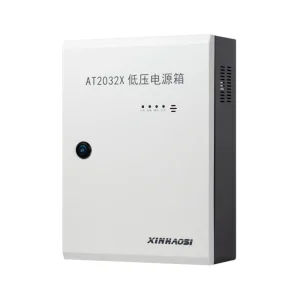
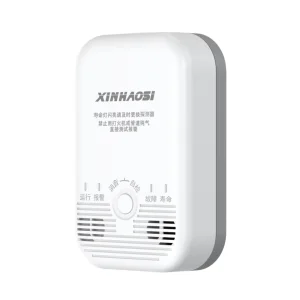
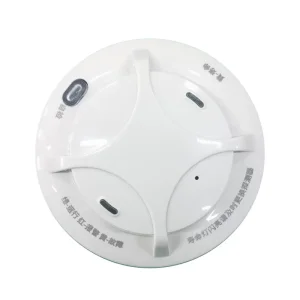
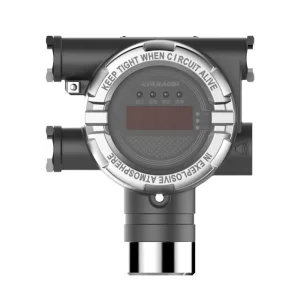
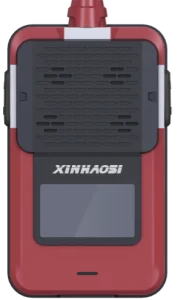
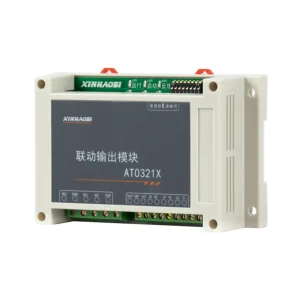
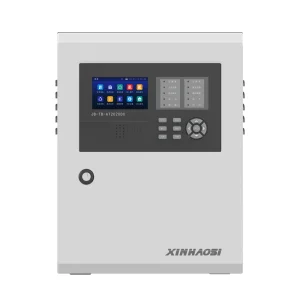
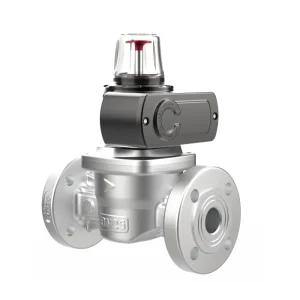
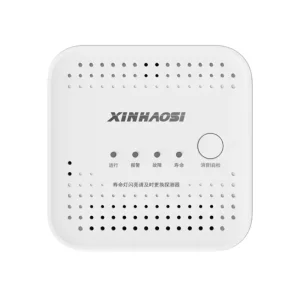
Explore our core selection of OEM-designed low voltage power systems, gas controllers, and highly precise toxic and combustible monitoring detectors.
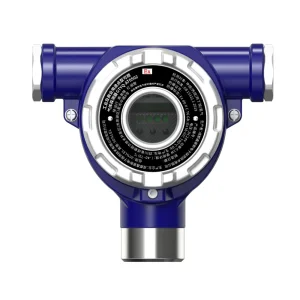
In modern industrial and commercial landscapes, carbon dioxide (CO2) monitoring is no longer just a regulatory checkbox; it is a critical pillar of environmental safety, occupational health, and process automation. Global procurement officers face multiple compliance systems and technological hurdles when sourcing portable CO2 monitors. With changes in IAQ (Indoor Air Quality) codes, ASHRAE Standards 62.1 & 62.2, and EU regulations regarding greenhouse emissions, the demand for highly stable, calibrated, and rugged NDIR (Non-Dispersive Infrared) portable gas detection devices has surged.
Corporate procurement teams seek industrial solutions with features including: long-term battery performance, low sensor drift, multi-protocol integration (BLE, Wi-Fi, LoRaWAN), and intrinsic safety certifications for hazardous zones. Sourcing from a proven OEM manufacturer like Xinhaosi ensures that hardware can be customized to pass strict local certifications, including FCC, CE, ATEX, and UL, avoiding deployment delays.

Understanding the engineering underpinnings of portable CO2 and gas detection ensures correct sensor application, longer device lifespans, and reduced maintenance overhead.
| Sensor Technology | Target Gas / Range | Core Advantages | Recommended Application Zones |
|---|---|---|---|
| NDIR (Non-Dispersive Infrared) | CO2 (0-50,000 ppm) | No cross-sensitivity, extremely long lifespan (>10 years), stable baseline. | Indoor air quality, agricultural greenhouses, breweries, cold chain logistics. |
| Electrochemical Sensors | Toxic gases, CO, H2S, O2 | Fast response speed, low power draw, highly precise low-range detection. | Confined spaces, industrial shafts, plant floor spot checking. |
| Catalytic Combustion | Combustible gases (0-100% LEL) | Durable, resistant to poison, linear output up to LEL range. | Underground pipelines, energy stations, industrial boiler rooms. |
| Photoacoustic Spectroscopy (PAS) | CO2 (Ultra-compact) | Miniaturized form factor, low power, accurate reading outputs. | Wearable IoT gas devices, smart building HVAC nodes. |
The industry is migrating towards smart, connected sensors that utilize artificial intelligence for self-calibration and fault diagnosis. Modern portable CO2 detectors incorporate optical pathways that minimize the impact of dust and humidity. By combining dual-channel optical NDIR technology with low-power microprocessors, our modern portable units run up to 48 hours on a single charge while continuously updating environmental data logs. Additionally, integration with edge computing allows the device to trigger local relay controllers, HVAC dampers, or external solenoid safety valves instantly when safety limits are exceeded.
Since 2003, we have designed and produced certified safety instruments that protect lives and optimize commercial systems.
Our ISO9001-certified factory in China is equipped with automated SMT assembly lines and precision gas calibration chambers to ensure zero-defect output.
We provide full design-for-compliance services. Our product range meets ATEX, IECEx, UL, CE, and RoHS standards, facilitating smooth regional importing.
From injection molding and hardware design to custom firmware, cloud dashboard development, and sensor calibration—we manage the entire development lifecycle.
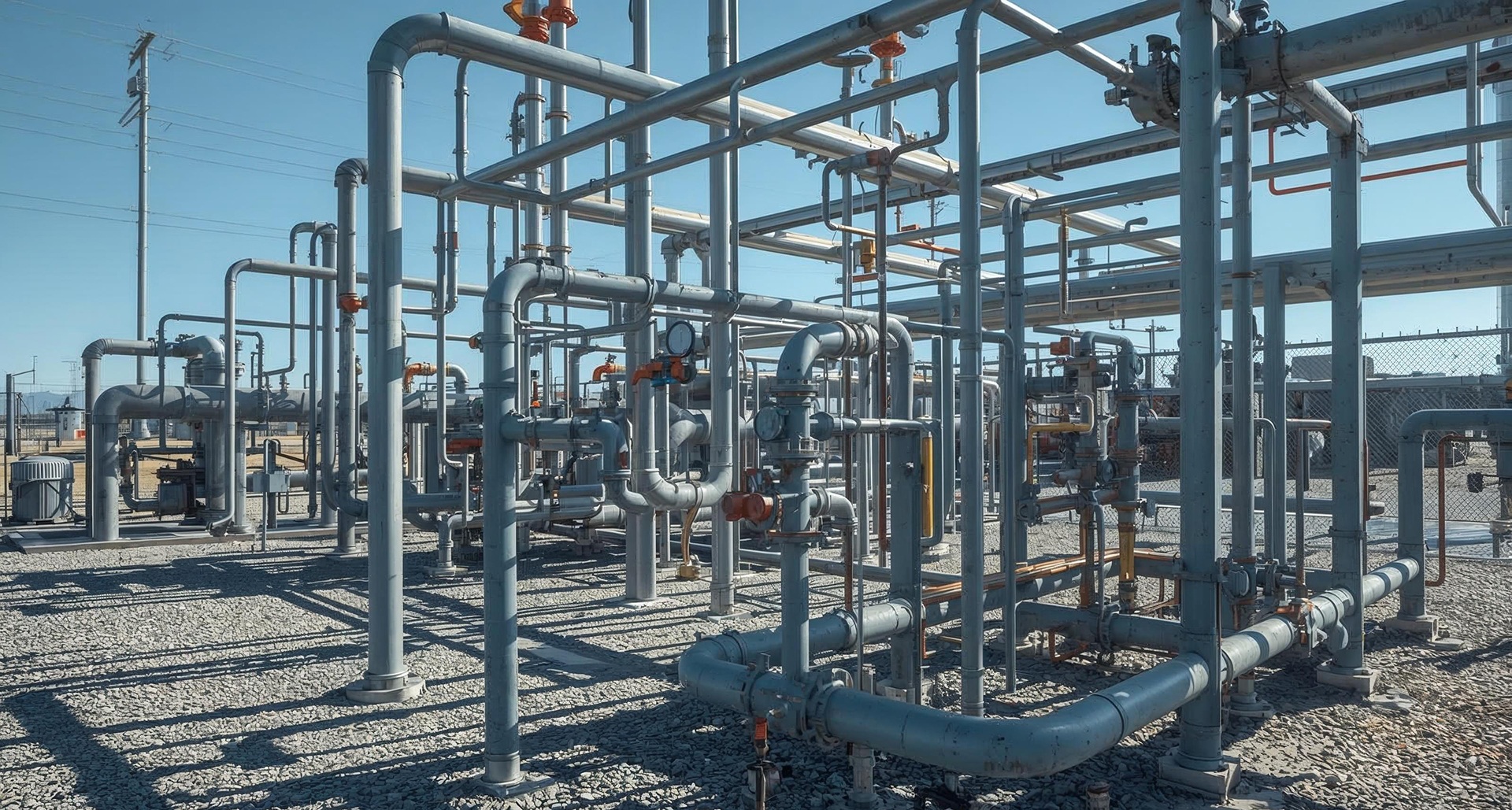
Founded in 2003, Xinhaosi Electronic Detection Technology has emerged as an influential and trusted brand in the global gas safety and environmental monitoring sector. Our foundational philosophy—where "X" stands for both the complex unknown safety challenges of the future and our advanced detection solutions—drives us to continually innovate. We safeguard industrial complexes, smart cities, commercial facilities, and residential environments with precision sensor technologies.
By investing heavily in research and development, we bridge the gap between complex laboratory-grade gas testing and rugged, field-deployable portable gas monitors. Our products feature intuitive user interfaces, high-visibility warning screens, and durable designs that stand up to the most demanding industrial site conditions.
Whether you require standard portable CO2 monitors for HVAC testing or complex custom gas detectors for industrial safety, Xinhaosi has the manufacturing capacity and engineering expertise to meet your goals.
Deploying specialized gas detection architectures tailored to different commercial sectors ensures regulatory safety and improves process efficiency.
Modern commercial buildings utilize Demand Controlled Ventilation (DCV) to optimize energy use. Portable CO2 monitors help building inspectors audit air stagnation, identify zones lacking outdoor air distribution, and calibrate building automation sensors to maintain compliance with health guidelines.
High concentration CO2 is a standard byproduct of fermentation and carbonation processes. Leakages in enclosed spaces pose life-threatening hazards. Portable gas detectors with audible alarms and vibration alerts warn cellar operators and maintenance teams before entering confined spaces.
Carbon dioxide enrichment is widely used in commercial greenhouses to accelerate plant photosynthesis. Maintaining levels between 1,000 ppm and 1,500 ppm requires consistent, precise measurement. OEM hand-held and wall-mount detectors allow growers to safely regulate greenhouse dosing systems.
Dry ice (solid CO2) sublimation in enclosed transport containers can displace oxygen rapidly. Logistics staff require portable gas monitors to check shipping holds, delivery vans, and walk-in freezers, ensuring air safety before and during product unloading.
Trusted by safety managers and industrial operations teams in over 30 countries worldwide.










Stay informed about product updates, international exhibitions, and developments in gas detection technology from Xinhaosi.
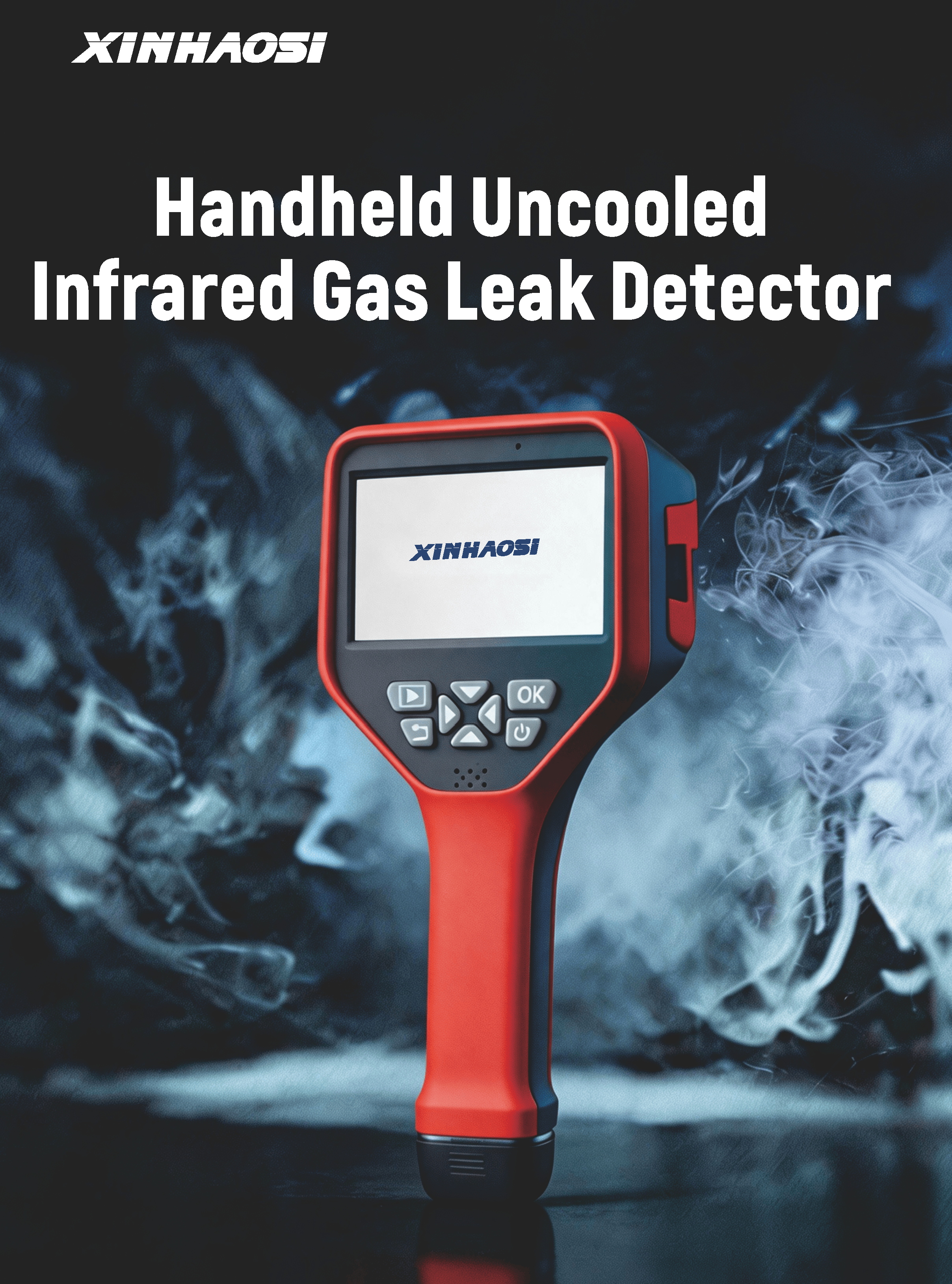
Xinhaosi officially introduced its new Handheld Uncooled Infrared Gas Leak Detector, featuring dual-technology fusion, ultra-fast response times, and long-range detection designed to protect petrochemical operations, cold chain logistics, and natural gas transport networks.
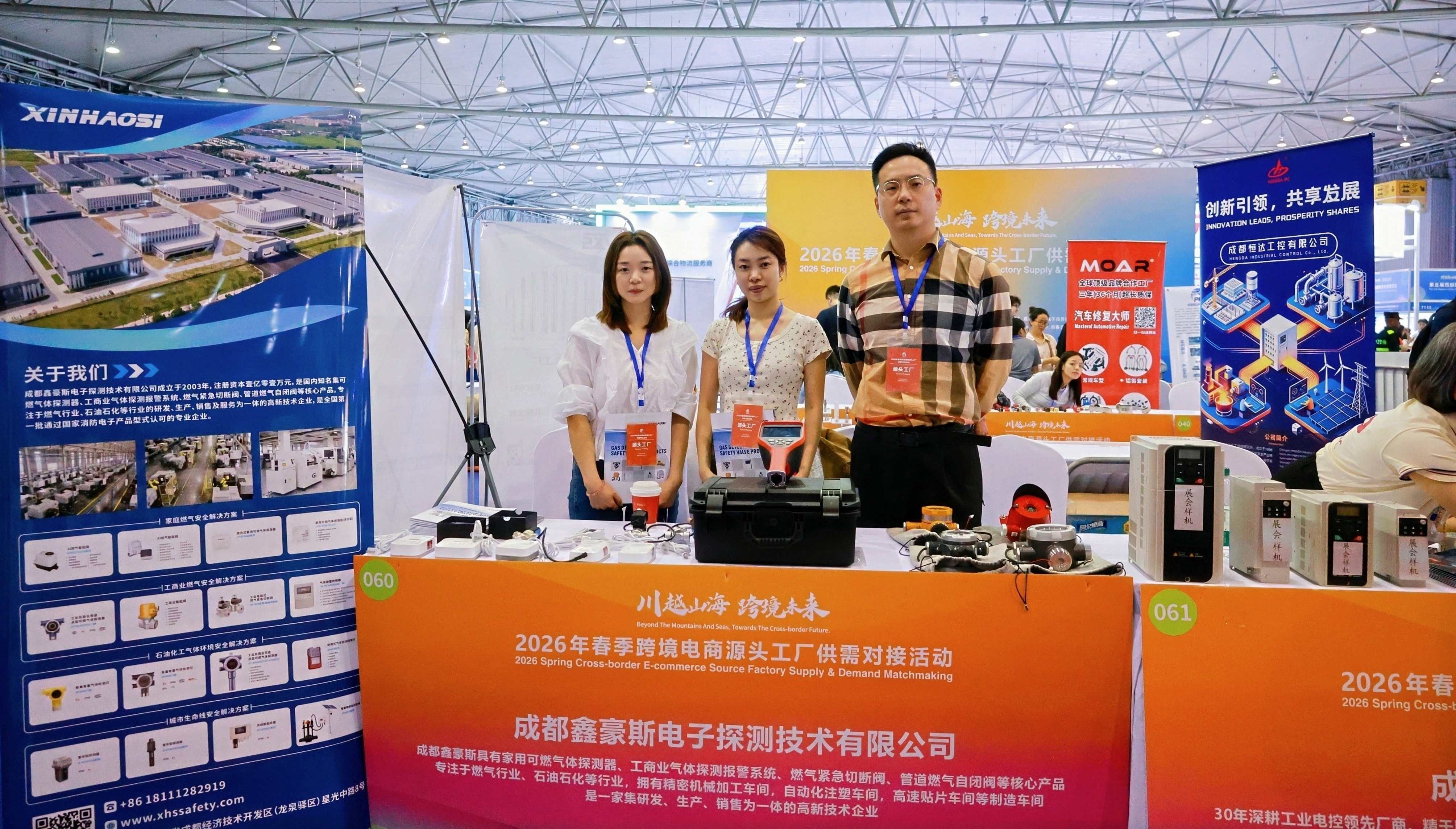
Xinhaosi participated in the Western China E-Commerce Expo, meeting with global buyers and manufacturing procurement teams to explore technical partnerships and expand international distribution routes.

By joining the industry matchmaking conference in Chengdu, Xinhaosi deepened industrial ties and explored safety system supply opportunities with Southeast Asian enterprise clients and local compliance associations.
Common questions from global procurement officers and system engineers about portable CO2 monitors, sensor calibration, and customization.
High-quality NDIR (Non-Dispersive Infrared) sensors typically have a lifespan of 10 to 15 years. Unlike electrochemical sensors, which wear down as their chemical electrolytes deplete, NDIR sensors utilize physical light absorption measurements. Over time, internal light sources may dim, but proper calibration cycles and automatic background compensation preserve measurement accuracy for over a decade.
For standard industrial and commercial applications, calibration is recommended once a year. However, if the device incorporates Automatic Background Calibration (ABC) algorithms, which recalibrate the sensor baseline against ambient air (typically 400-420 ppm) during unoccupied periods, manual recalibration intervals can be extended. In critical safety applications, check local regulations for mandatory sensor bump-testing requirements.
Yes, but the device must feature appropriate hardware protection. For applications like agricultural greenhouses or food processing plants, ensure the portable detector is rated IP65 or higher and uses hydrophobic filters. This design prevents water droplets and particulate matter from entering the optical chamber, protecting accuracy and sensor longevity.
Our OEM customization solutions cover all stages of product design. We provide custom-branded enclosures, modified firmware settings, variable alarm thresholds, localized digital displays, integration with wireless communication protocols (LoRaWAN, Wi-Fi, BLE), and custom packaging design for distribution-ready shipments.
Carbon Dioxide (CO2) is a natural atmospheric gas that can become dangerous at high concentrations by displacing oxygen, typically measured in ppm (e.g., OSHA limits are 5,000 ppm TWA). Carbon Monoxide (CO) is a toxic, odorless byproduct of incomplete combustion, dangerous at much lower concentrations. Because their physical characteristics and sensor technologies differ, monitoring both hazards simultaneously requires a multi-gas monitor with separate NDIR and electrochemical sensor components.
Browse our integrated safety valves, bus-type controllers, and explosion-proof portable detection systems designed for high-risk industrial plant environments.