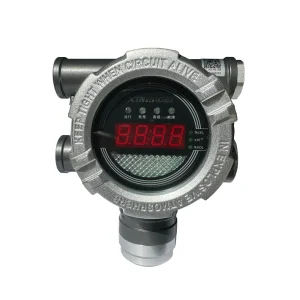
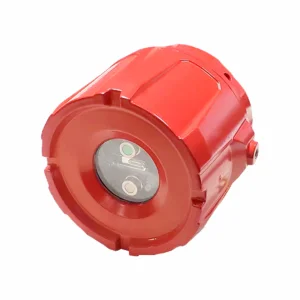
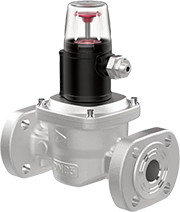
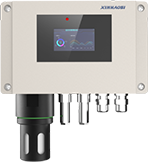
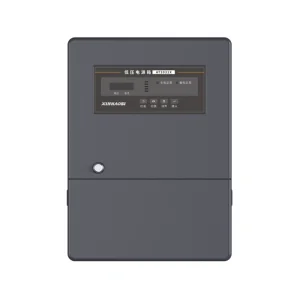
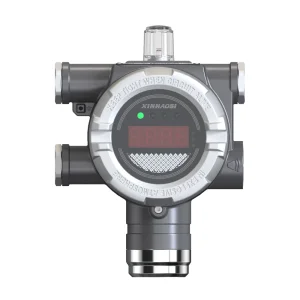
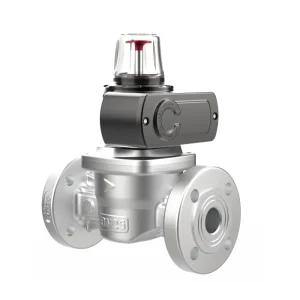
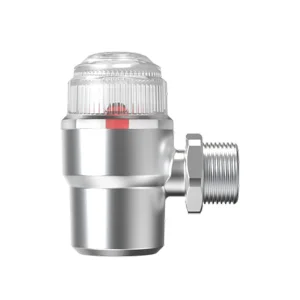
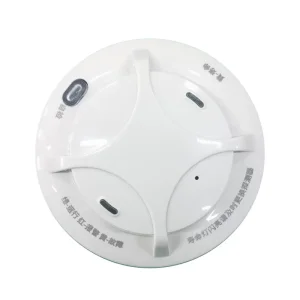
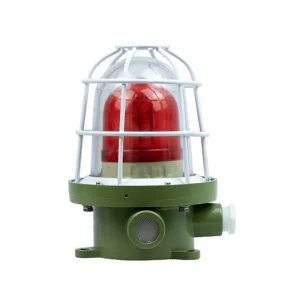
Premium hazardous area systems, gas transmission shut-off controls, and highly calibrated electronic sensor arrays
Solenoid valves serve as the primary electromechanical interface in modern fluid and gas flow control systems. Across global petrochemical processing plants, local gas utility systems, thermal combustion processes, and environmental safety installations, solenoid valves are critical safety elements. Their primary function is to immediately isolate flows under fault conditions or dynamically direct process pathways.
Industrial landscapes prioritize robust safety designs. The integration of normally closed (NC) and normally open (NO) configurations helps engineers construct fail-safe systems. For instance, in gas transmission networks, sudden electrical power loss or the detection of volatile organic compounds (VOCs) triggers normally closed valves to snap shut, preventing hazardous leaks. As smart manufacturing matures, the demand for electromagnetic valves that seamlessly connect with Distributed Control Systems (DCS) and Programmable Logic Controllers (PLCs) continues to climb.
Compliance standards define industrial operation today. High-integrity pressure protection systems (HIPPS) require valves that conform to strict SIL 3 (Safety Integrity Level) ratings, ATEX zone classifications for explosive atmospheres, and international gas standard certifications. Meeting these expectations requires reliable manufacturing, high-quality copper coils, precise magnetic flux control, and robust enclosures designed for demanding operating environments.

Innovating safe, low-power, and interconnected fluid control technologies for the next industrial generation
Traditional solenoid valves consume constant power during holding states, generating heat and increasing operational costs. The latest tech roadmap emphasizes latching solenoid valves and PWM (Pulse-Width Modulation) energy saver circuits, reducing holding power consumption by up to 85%.
Smart solenoid valves now feature integrated magnetic, thermal, and acoustic sensors. By continuously tracking armature stroke travel, coil resistance variations, and valve body vibration profiles, they support predictive maintenance to prevent unscheduled downtime.
From cryogenics to high-temperature steam systems, fluid control demands advanced metallurgy. Standard operations rely on heavy-duty brass and stainless steel (SS316) combined with fluoroelastomer (FKM/Viton) or PTFE sealing elements to ensure durability under harsh chemicals and extreme pressure cycles.
Founded in 2003, Xinhaosi has grown into one of the most influential and trusted brands in the gas safety industry. We provide customer-focused products and services that safeguard operations across industrial plants, municipal infrastructure, commercial properties, and residential spaces.
Powered by advanced production systems and sensing technologies, we deliver intuitive, precise, and durable safety solutions designed to prevent leaks and mitigate risks. By fusing electronic detection with direct electromagnetic gas shut-off mechanisms, we help build a safer world.

Tailored gas safety and electromagnetic isolation systems optimized for municipal, commercial, and industrial sites
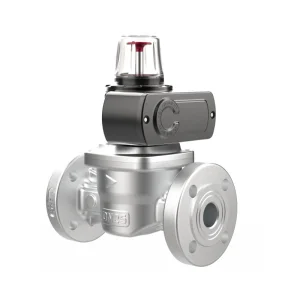
Underground municipal gas lines rely on fast-acting, high-flow solenoid valves. Installed at pressure regulation stations, these valves link to centralized SCADA systems to safely cut off gas flow at the first sign of pressure anomalies or seismic activity.
Thermal power processes require precise safety sequences. Double-block and bleed systems use two solenoid valves in series to ensure safe gas isolation during shutdown phases, preventing fuel accumulation in hot combustion chambers.
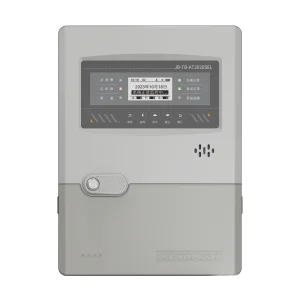
Hotel and school kitchens must comply with strict fire safety regulations. Gas solenoid shutoff valves are paired with LPG/NG sensors, linking to fire control panels to quickly stop gas supply if a leak is detected.
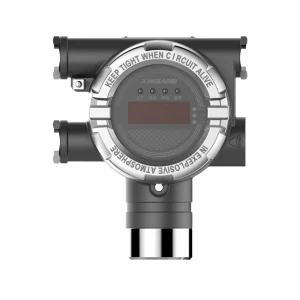
In coal mining and underground exploration, methane gas buildup poses a constant hazard. Mining operations install flameproof and explosion-proof gas detectors alongside heavy-duty solenoid valves to automate ventilation and system isolation.
Combining advanced detection with emergency shutoff valves to deliver complete process isolation
Insights, technology breakthroughs, and global commercial events shaping gas detection and solenoid valve manufacturing
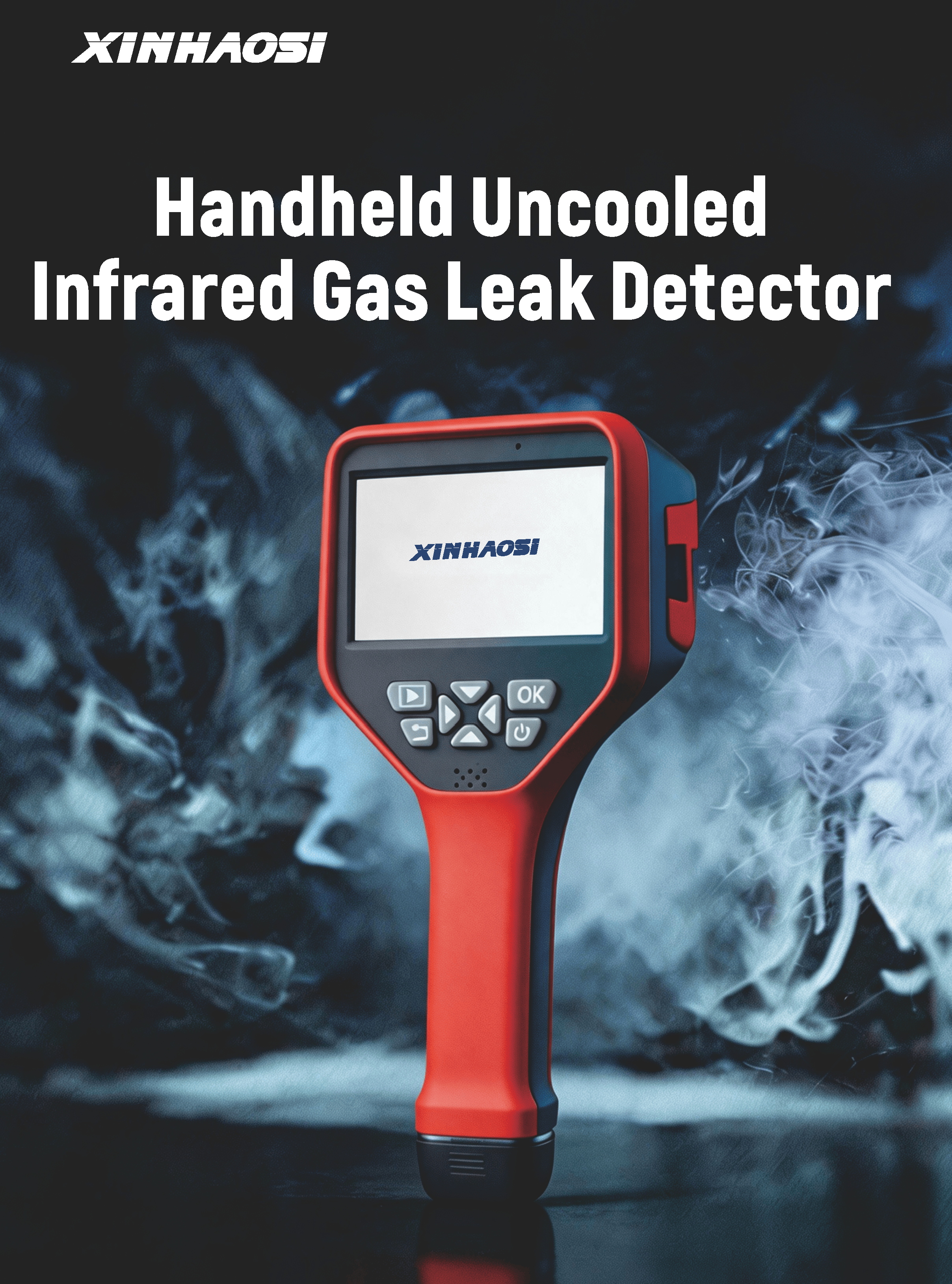
Xinhaosi Electronic Detection Technology Co., Ltd. officially launched its new Handheld Uncooled Infrared Gas Leak Detector, featuring dual-technology fusion, ultra-fast response, and long-distance non-contact detection to enhance safety and efficiency in petrochemical, refrigeration, natural gas and industrial safety scenarios.
Read Article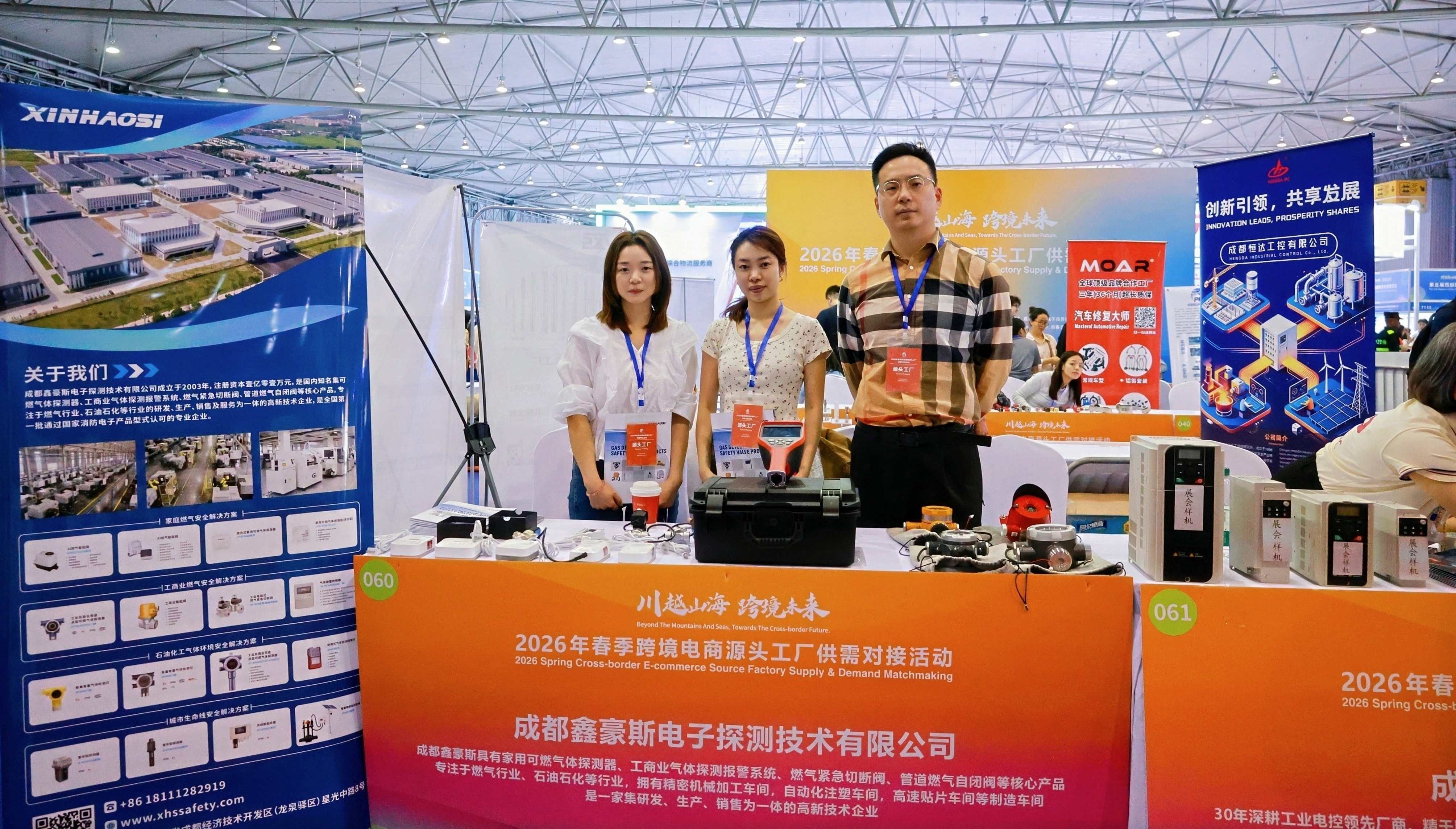
XINHAOSI recently participated in the 5th Western China Cross-Border E-Commerce Expo held in Chengdu. The event brought together cross-border e-commerce platforms, global buyers, manufacturers, and supply chain companies, creating new opportunities for international business cooperation and overseas market development.
Read Article
XINHAOSI recently participated in the 2026 Sichuan (Chengdu) - Indonesia Industry Matchmaking Conference held in Chengdu. The event gathered enterprises and industry representatives from China and Indonesia to strengthen industrial cooperation and explore new business opportunities in Southeast Asia.
Read ArticleProviding specialized gas monitoring and safety valve components to industry leaders worldwide
























Important engineering facts, selection parameters, and maintenance guidance for industrial solenoid valve systems
Heavy-duty low-voltage control setups, combustible gas alarms, and precision automated shutoff solenoid valves