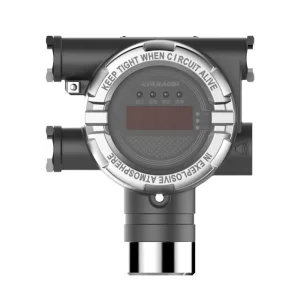
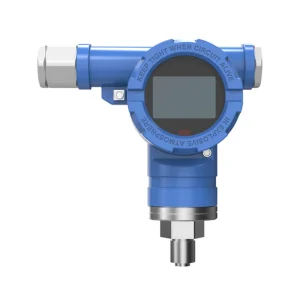
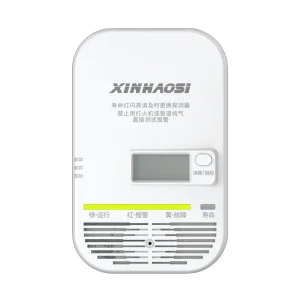
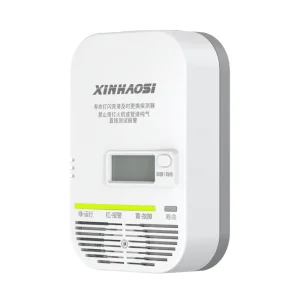
Explore our elite range of handheld uncooled infrared sensors, digital transmitters, dual-spectrum flame detectors, and intelligent communication gateways.
In modern industrial ecosystems, gas monitoring is not merely a box-checking exercise for regional regulatory compliance. It is an indispensable barrier protecting human lives, corporate assets, and the environmental integrity of neighborhoods flanking chemical plants, manufacturing lines, and storage facilities. With the rapid evolution of "Smart Factories" and the Industrial Internet of Things (IIoT), the specifications for OEM Toxic Gas Detection Sensors have evolved. Standard, off-the-shelf options no longer satisfy the complex environmental, thermal, and chemical challenges modern industrial processes present.
SEO Information Gain Insight: Modern toxic gas monitoring relies heavily on selective analytical tech. Broad-spectrum sensors fail when trace concentrations of toxic cross-interferents (such as hydrogen in carbon monoxide loops) skew electrochemical redox pathways. Selecting the correct sensor array hinges on understanding both cross-sensitivity variables and the physical chemistry of the targeted atmosphere.
For Global EHS (Environmental Health and Safety) managers, project procurement directors, and instrument OEMs, selecting a supply chain partner for toxic gas monitoring instrumentation requires resolving several strategic challenges. Chief among these are:
Addressing these critical requirements demands engineered, environment-specific solutions rather than generic hardware. Our OEM sensor programs focus on delivering targeted, turnkey sensor sub-assemblies for key verticals:
Achieving E-E-A-T authority requires analyzing the underlying science. No single sensor principle covers all toxic gases. The matrix below outlines how we deploy core technologies inside our OEM sensor portfolio:
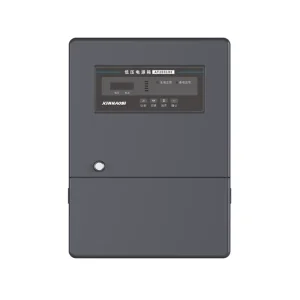
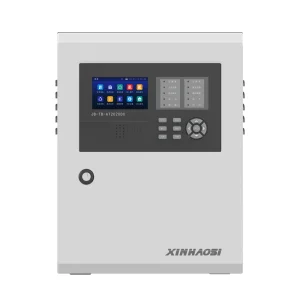
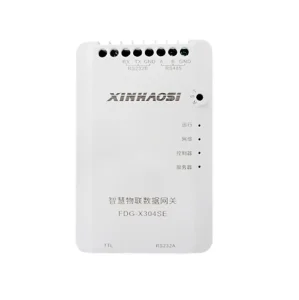
Our Future Technical Roadmap: As we look ahead, we are driving the convergence of smart sensors with machine learning algorithms. By implementing edge AI directly onto microprocessors within our *JB-TB-AT2020DX Gas Detector Controllers* and *FDG-X304SE Intelligent Data Gateways*, our systems analyze raw sensor outputs to dynamically compensate for temperature drift, humidity fluctuations, and cross-sensitivities in real time. This lowers false alarm rates, prolongs calibration cycles, and provides predictive failure alerts before a sensor cell goes end-of-life.
Enterprise deployments must align with complex national safety frameworks. Operating globally means meeting localized certification profiles:
At Xinhaosi, we combine years of field experience with advanced electronic detection technologies to make invisible atmospheric hazards clear, visible, and manageable. We are dedicated to providing proactive, reliable systems that safeguard global industrial plants, municipal structures, and residential communities.
Over two decades of proven field performance.
Pioneering smart algorithms and dual-tech fusion.

Providing industrial safety systems with full-chain integration, comprehensive protection, and intelligent, connected sensing solutions.
Delivering critical safety and detection systems using precision optical and electrochemical sensing elements.
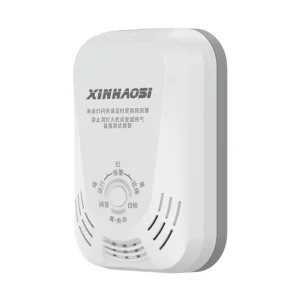
Reliable gas monitoring systems engineered to deliver home safety and proactive environmental security.
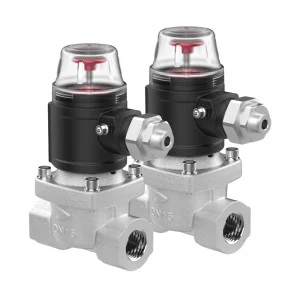
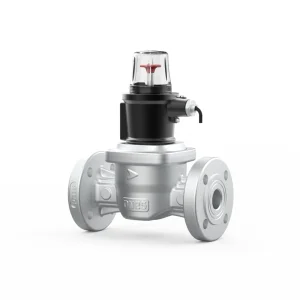
Providing rapid emergency isolation by cutting off risk directly at the source during high-level alert events.
IoT-enabled smart sensing and wide-area gateway networks designed for municipal gas grids.
Keep track of our newest technologies, corporate milestones, and global partnership initiatives.
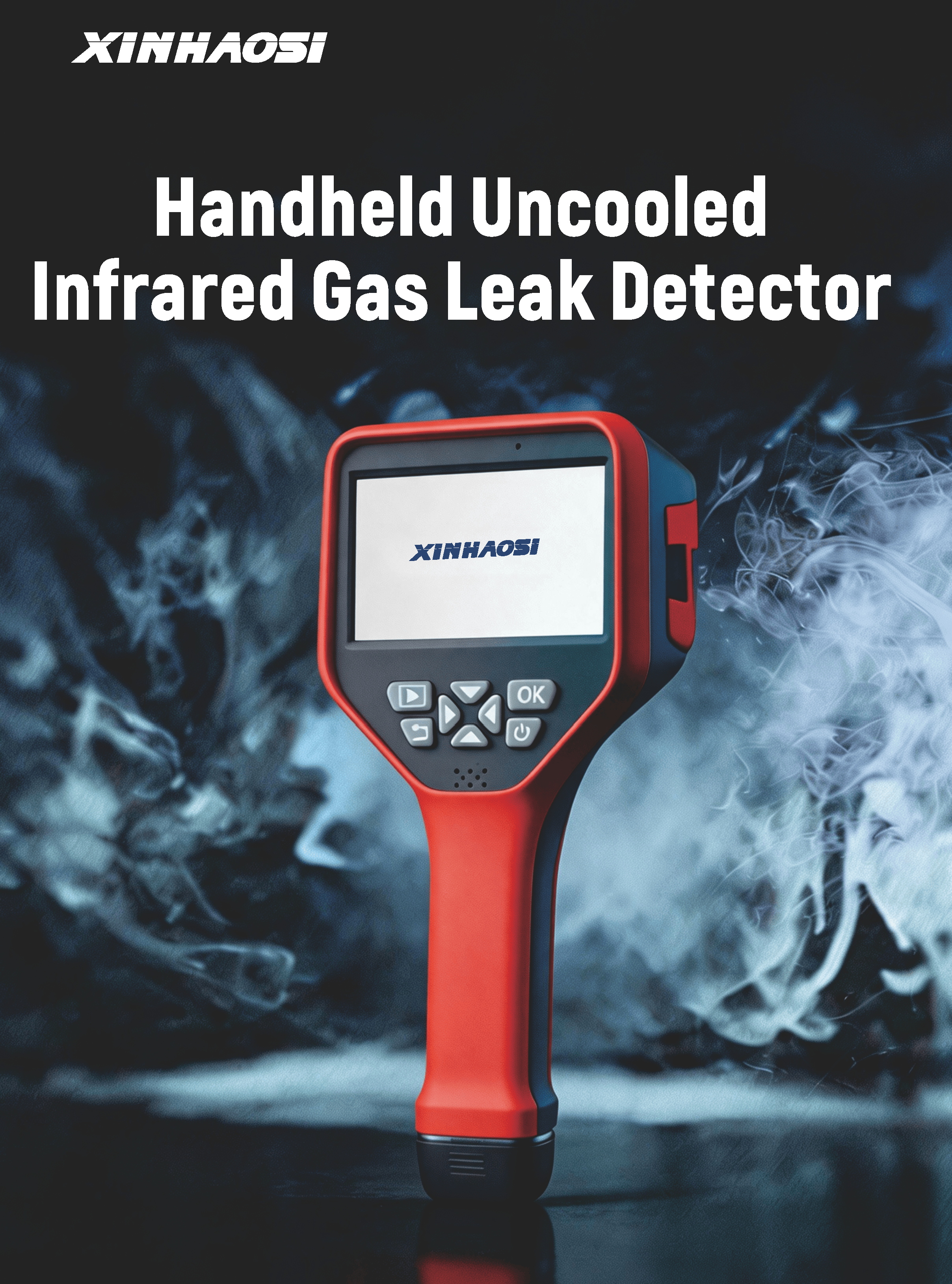
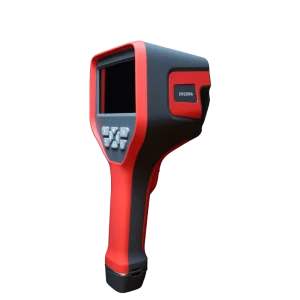
Xinhaosi Electronic Detection Technology Co., Ltd. officially launched its new Handheld Uncooled Infrared Gas Leak Detector, featuring dual-technology fusion, ultra-fast response, and long-distance non-contact detection to enhance safety and efficiency in petrochemical, refrigeration, natural gas and industrial safety scenarios.
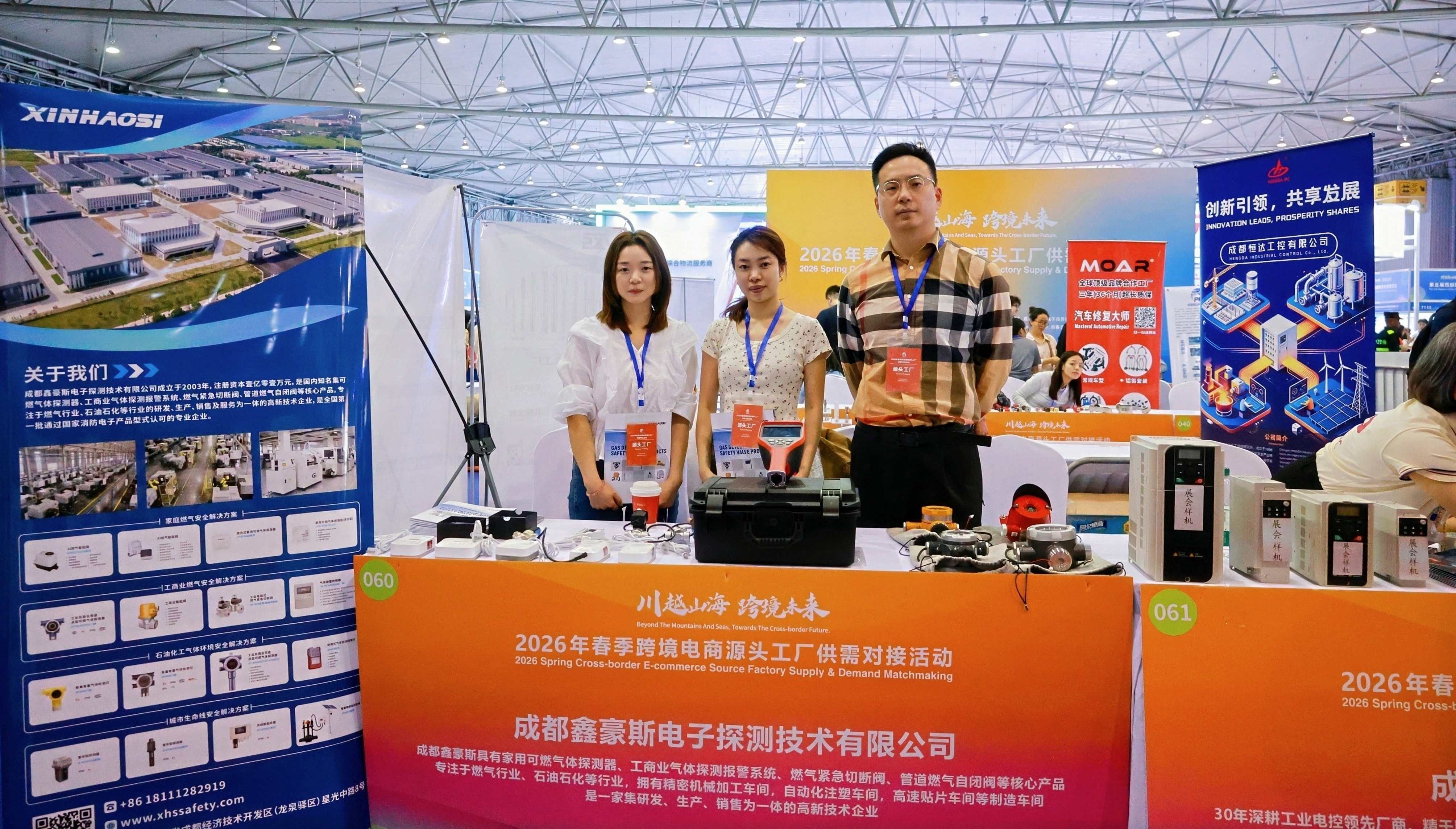
XINHAOSI recently participated in the 5th Western China Cross-Border E-Commerce Expo held in Chengdu. The event brought together cross-border e-commerce platforms, global buyers, manufacturers, and supply chain companies, creating new opportunities for international business cooperation and overseas market development.
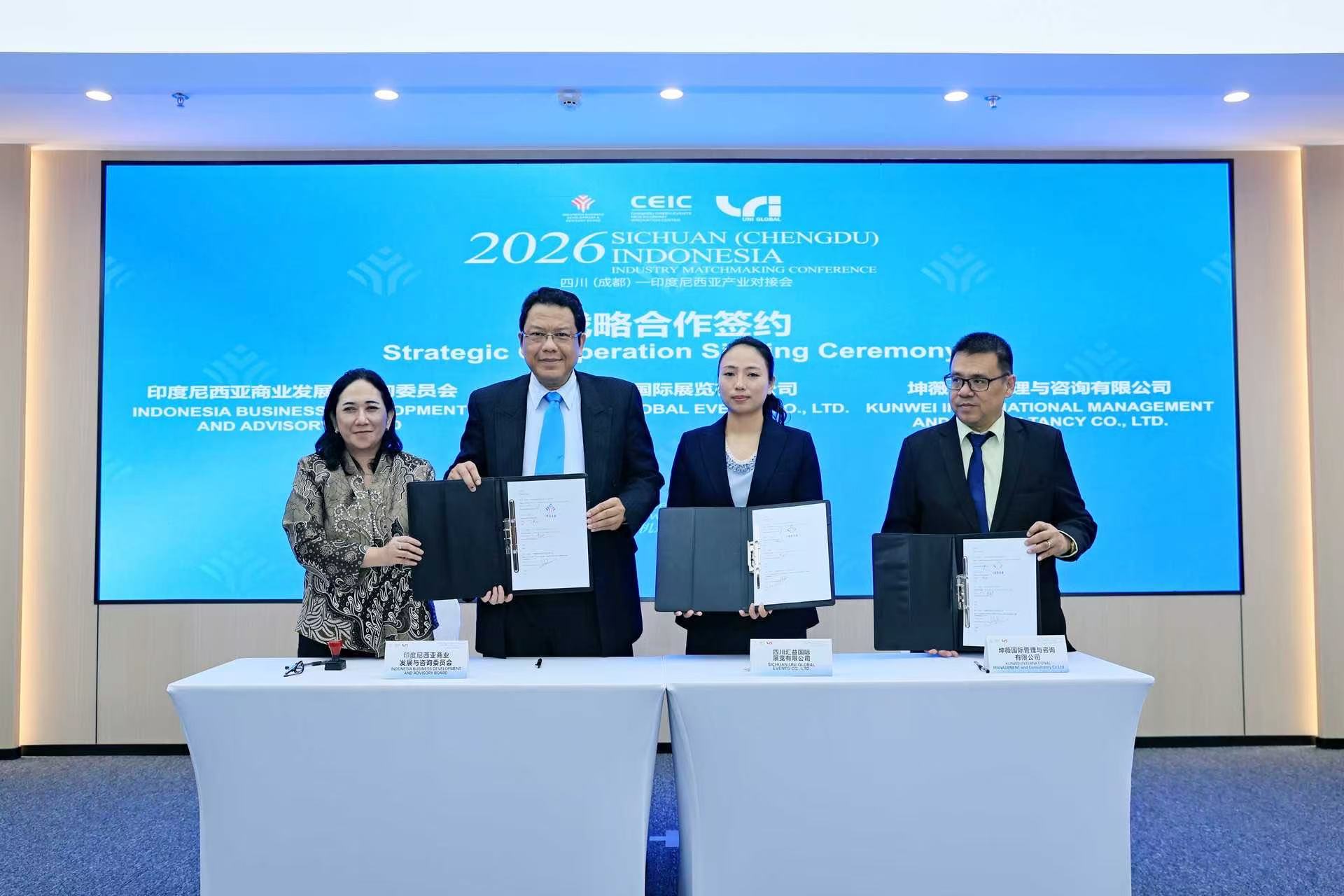
XINHAOSI recently participated in the 2026 Sichuan (Chengdu) – Indonesia Industry Matchmaking Conference held in Chengdu. The event gathered enterprises and industry representatives from China and Indonesia to strengthen industrial cooperation and explore new business opportunities in Southeast Asia.
Get authoritative answers to complex engineering, calibration, and integration questions from our expert technical support team.
Sensor poisoning occurs when compounds like silicones, siloxanes, lead, or sulfur-containing agents bind irreversibly to the active catalyst surface of a catalytic bead sensor. For environments where poisoning agents are present, we recommend transitioning to NDIR (Non-Dispersive Infrared) sensors, which are immune to chemical poisons. Alternatively, we use specialized poison-resistant filters and proprietary catalytic alloy coatings to prolong sensor lifespan.
Electrochemical cells have an average shelf life of 6 months under controlled storage conditions (15°C to 25°C). The operational lifespan typically ranges from 2 to 5 years, depending on the target gas concentration, temperature extremes, and ambient humidity. Continuous exposure to dry conditions below 15% RH can dehydrate aqueous electrolytes, while high-temperature exposure speeds up material aging. We offer specialized polymer electrolytes for extended operational lifespans under challenging conditions.
Cross-sensitivity can lead to costly false alarms. For carbon monoxide (CO) monitoring in areas with high hydrogen levels, we use specialized carbon monoxide cells that include a dedicated hydrogen-compensating auxiliary electrode. This design filters out H2 oxidation signals, allowing the transmitter to accurately measure CO concentration even in complex industrial mixtures.
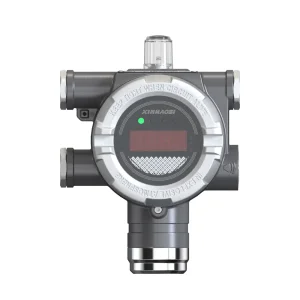
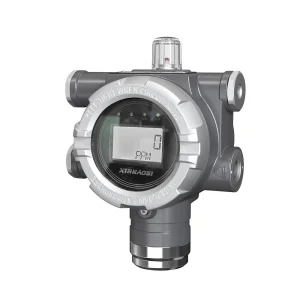
Our explosion-proof devices, including the GTYQ-AT0602A and XP4000P models, undergo pressure tests, flame-propagation tests, and thermal endurance trials in third-party certified labs. They meet Ex d (flameproof encapsulation) and Ex ia (intrinsic safety) standards under ATEX/IECEx directives, making them suitable for hazardous Zone 1 and Zone 2 installations.
Collaborating with global enterprises to deliver stable, high-performance safety systems.
























Our comprehensive portfolio includes explosion-proof oxygen/toxic gas transmitters, pressure transmitters, domestic gas safety controllers, and emergency valves.