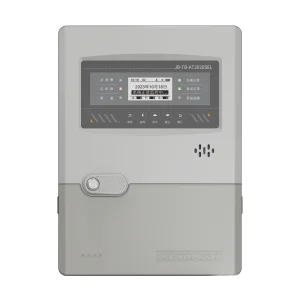
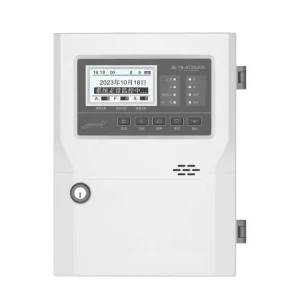
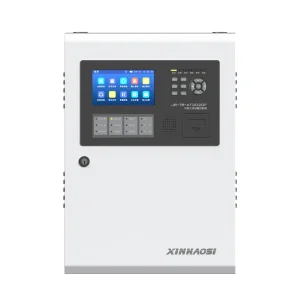
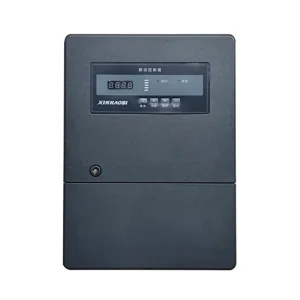
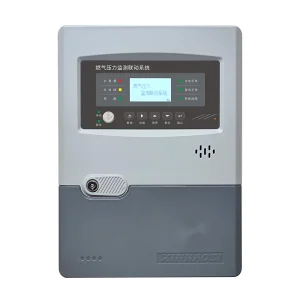
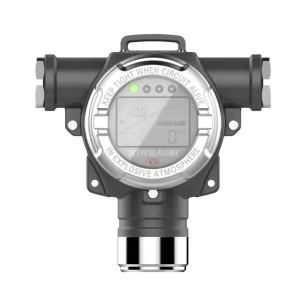
Highly customized, high-precision controllers configured for commercial boiler rooms, high-rise buildings, and processing facilities within the New York metropolitan area.
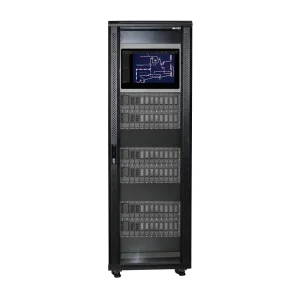
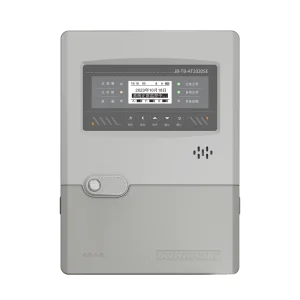
Under strict local laws, gas safety monitoring is no longer just a recommendation—it is a critical legal and insurance imperative in the State of New York.
The New York commercial and industrial landscape is governed by some of the most stringent safety regulations in the world. With the enforcement of NYC Local Law 157, residential buildings and commercial properties with gas lines are strictly required to install natural gas detectors. For properties requiring comprehensive centralized control—such as universities, cold storage facilities, chemical processing plants, and multi-tenant high-rise commercial structures—individual alarms are insufficient. They must feed directly into robust, central Gas Detector Controllers.
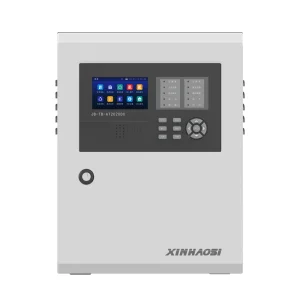
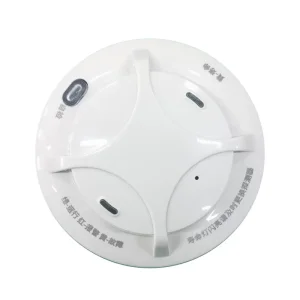
These controllers act as the brain of the hazard mitigation system, constantly processing signals from multi-gas sensors (detecting Methane, LPG, Carbon Monoxide, VOCs, and Oxygen depletion) and triggering relays for solenoid valves, exhaust fans, and fire alarm control panels (FACP) in accordance with NFPA 72.

How Xinhaosi utilizes electronic detection technology to make unknown gas leak risks visible and manageable.

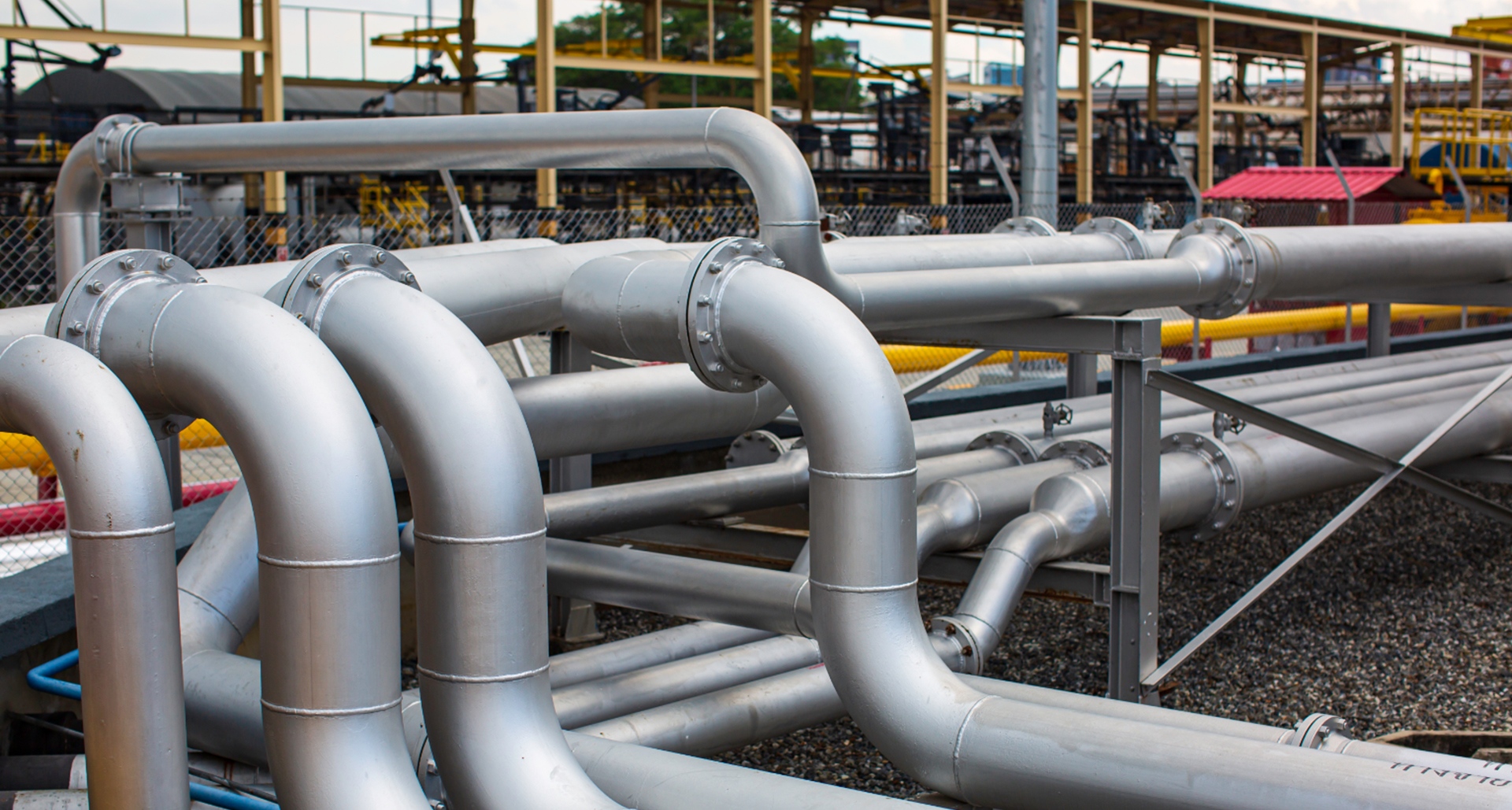
Founded in 2003, Xinhaosi has spent over two decades engineering solutions that safeguard complex infrastructures. We utilize advanced electronic detection technology to make unknown gas leak risks clear and visible. Whether it is monitoring urban gas pipelines, refinery hubs, or massive residential boilers, our range of controllers ensures real-time diagnostic reporting and immediate interlocking shut-off action.
Our systems rely on structured industrial communication protocol topologies—primarily digital M-Bus and RS485 Modbus RTU protocols—which allow up to 256 sensors to be connected to a single controller over long distances without data loss or electromagnetic interference.
M-Bus and RS485 digital output modes ensure wiring simplicity, long-distance signal transmission, and minimal noise interference across large-scale physical facilities.
Integrated dry contacts trigger mechanical shutoff valves, gas solenoid valves, and activate emergency exhaust fans instantly upon high-limit alarm status.
LCD screens present historical alarm records, real-time concentration percentages (LEL/PPM), and module health status, featuring local diagnostics.
Ideal for local HVAC integrations, chemical labs, and mechanical utility rooms requiring versatile interface configurations.
Providing industrial grade safety devices with extreme cost efficiency, compliance agility, and rapid engineering customization.
For New York project planners, engineering firms, and municipal procurement heads, sourcing from our state-of-the-art facility in China guarantees unmatched technical and commercial advantages. We balance strict international component testing with the cost efficiencies made possible by local supply chain density in China's advanced manufacturing regions.
Our benefits include:
| Feature | Xinhaosi OEM Solutions (China) | Traditional US Domestic Brands |
|---|---|---|
| Supply Chain Lead Time | 2 to 4 weeks (High flexibility, raw material stocking) | 8 to 12 weeks (Limited manufacturing agility) |
| Technical Customization | Fully custom enclosure layouts, Modbus register setups, OEM branding | Off-the-shelf catalog models only |
| Unit Cost Performance | Optimized manufacturing costs with high-quality components | Premium pricing structures due to local labor overhead |
| Quality Standards | 100% calibration testing, ISO 9001:2015, CE, SIL-2 certified | Similar certifications, but at higher overhead costs |
From urban distribution to complex industrial loops—shaping a safer future with high-performance intelligence.
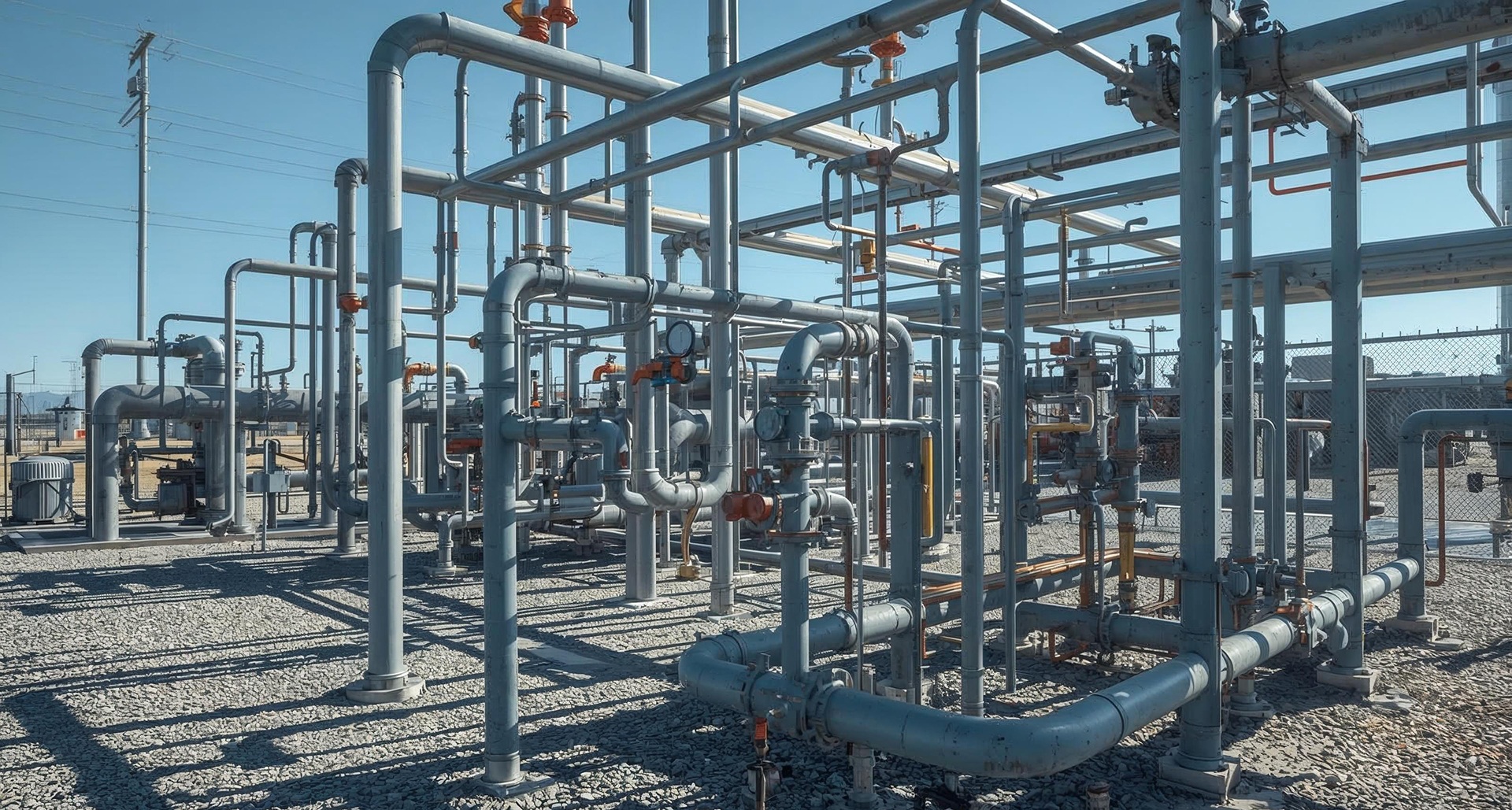
True safety is not achieved with isolated components. The modern standard demands automated systems that link sensing, logic control, and emergency mechanical action into one closed-loop chain.
Our engineering services specialize in compiling full safety sets: Explosion-Proof Detectors gather toxic/combustible leak concentrations, Central Controllers parse levels and trigger alarms, and Solenoid Valves cut gas supply at the building envelope before explosive conditions (LEL) are reached.








A comprehensive suite of solenoid shut-off valves, gas pressure transmitters, explosion-proof sirens, and localized regulators to complete your building safety project.
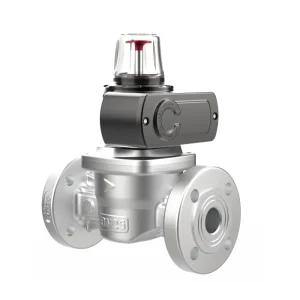
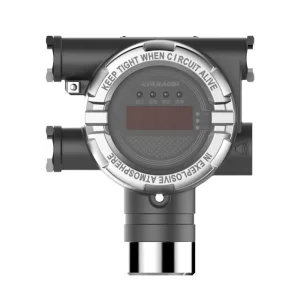
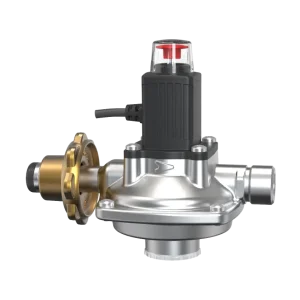
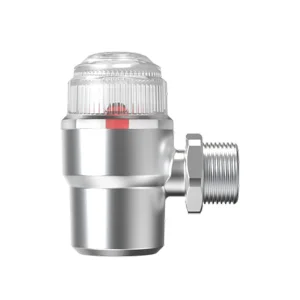
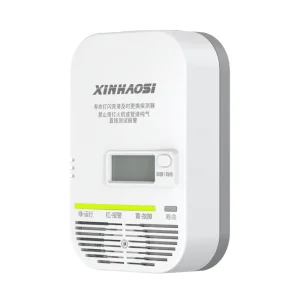
Optimized solutions for complex municipal and industrial safety frameworks in metropolitan regions.
Under NYC mechanical codes, centralized boiler spaces using high-pressure natural gas lines must be continuously monitored for combustible gases. Installing a centralized panel such as the JB-TB-AT2020S lets operators link multiple remote sensors positioned directly above potential leak points (valves, flanges, gas trains) to an automatic gas shut-off valve situated outside the mechanical space.
If gas accumulation exceeds 10% LEL, the panel triggers an early warning. If it crosses 25% LEL, it triggers the secondary relay to instantly slam the solenoid valve closed and activate the emergency exhaust system, preventing explosive mixtures from accumulating.
Industrial refrigeration plants in upstate New York and distribution hubs near NYC handle large volumes of anhydrous ammonia or halogenated refrigerants. Exposure levels must be tracked in real-time. By integrating specialized electrochemical sensor transmitters with our multi-zone diagnostic controllers, operations managers get precise PPM tracking, visual warning strobes, and Modbus feeds directly to the centralized building automation platform.
Keep abreast of the latest equipment designs, regulatory adaptations, and trade show participations from the Xinhaosi engineering team.
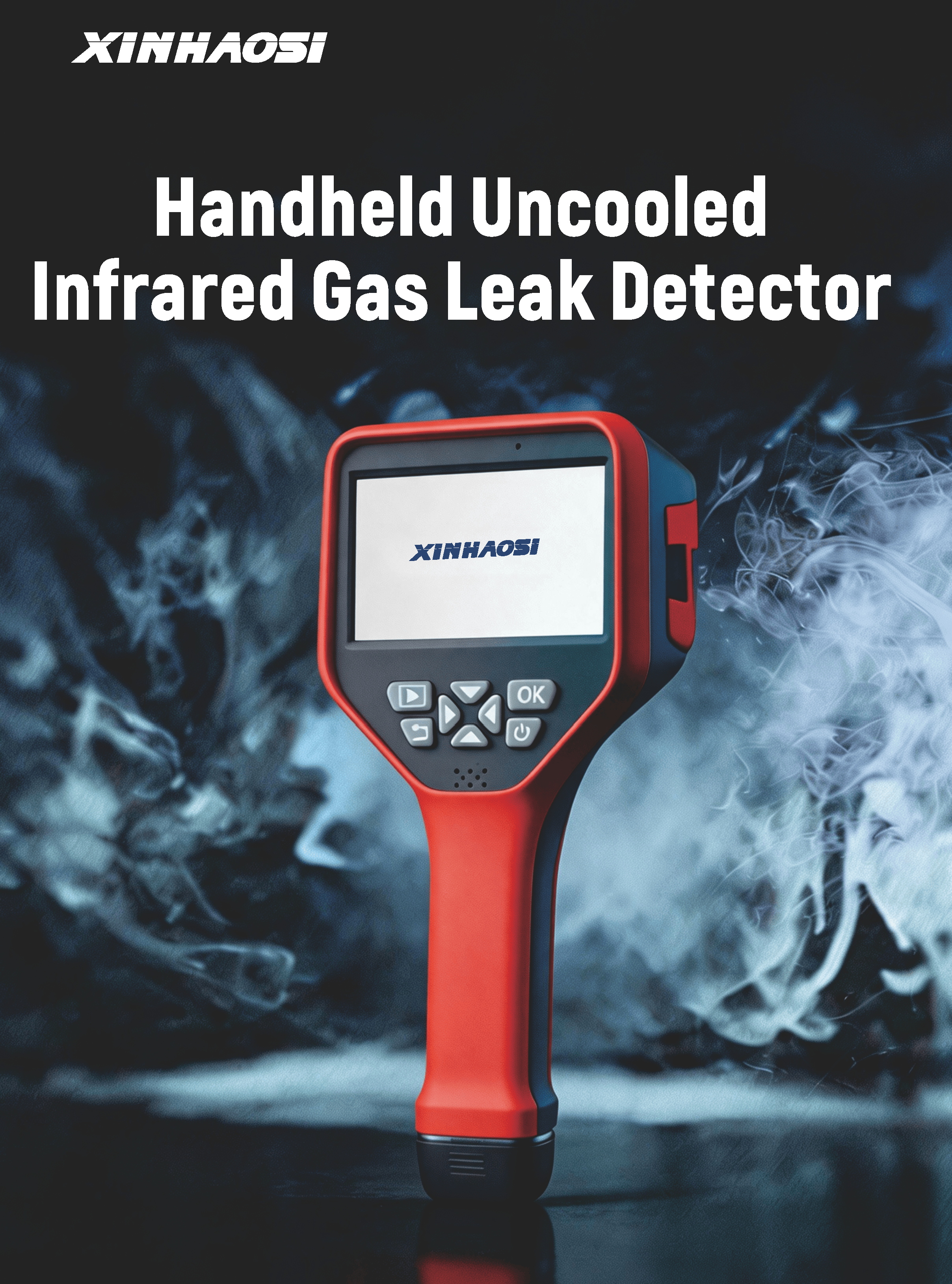
Officially launched its new Handheld Uncooled Infrared Gas Leak Detector, featuring dual-technology fusion, ultra-fast response, and long-distance non-contact detection to enhance safety and efficiency in petrochemical, refrigeration, and natural gas scenarios.
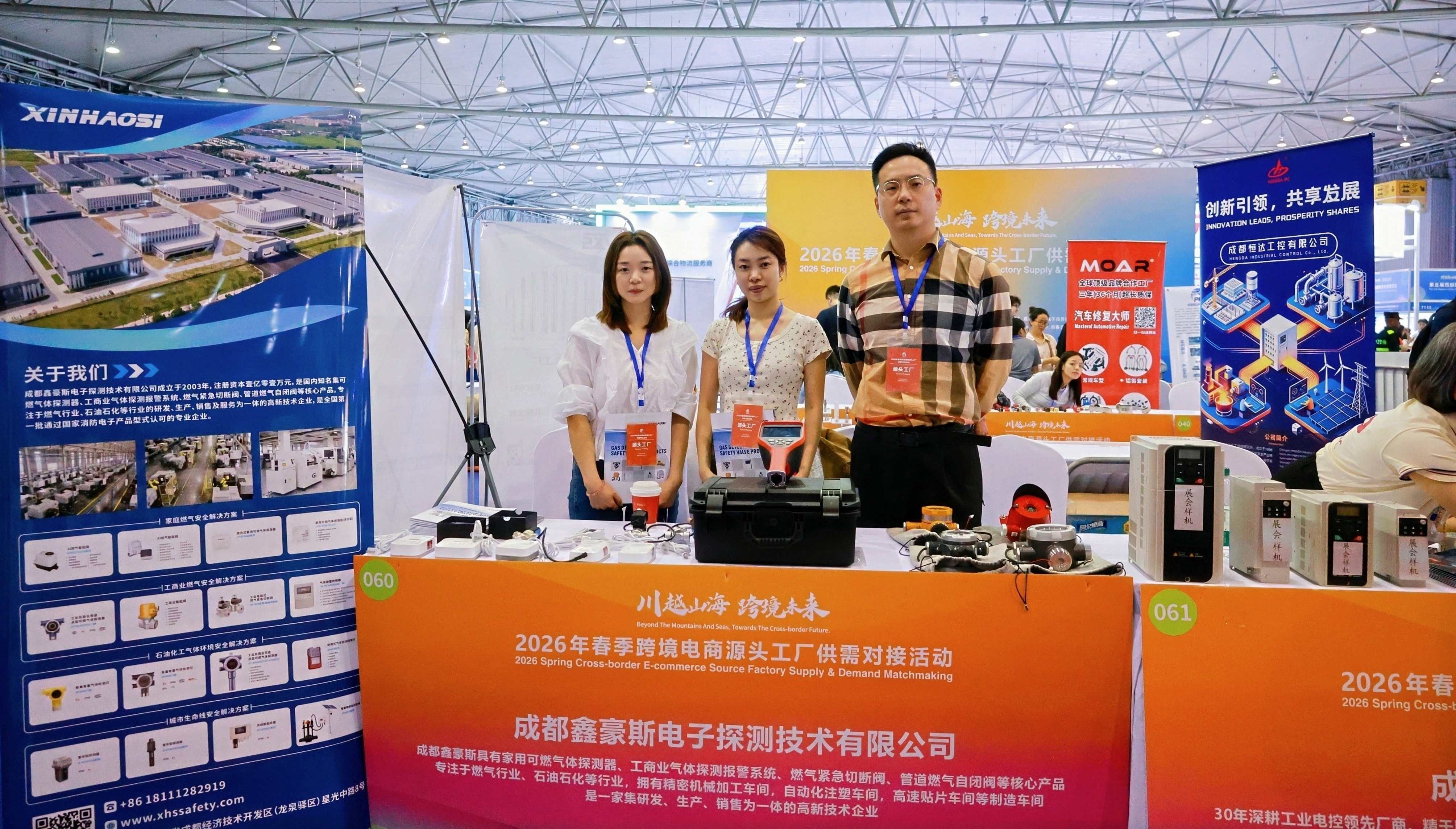
Xinhaosi participated in the Western China Cross-Border E-Commerce Expo, establishing direct connection channels with global mechanical equipment buyers and municipal safety project leaders.

Strengthening industrial cooperation and exploring new business opportunities in Southeast Asia, showcasing smart urban gas controllers and robust industrial safety panels.
Technical and regulatory insights compiled by our engineering directors to help you select, install, and configure your system.