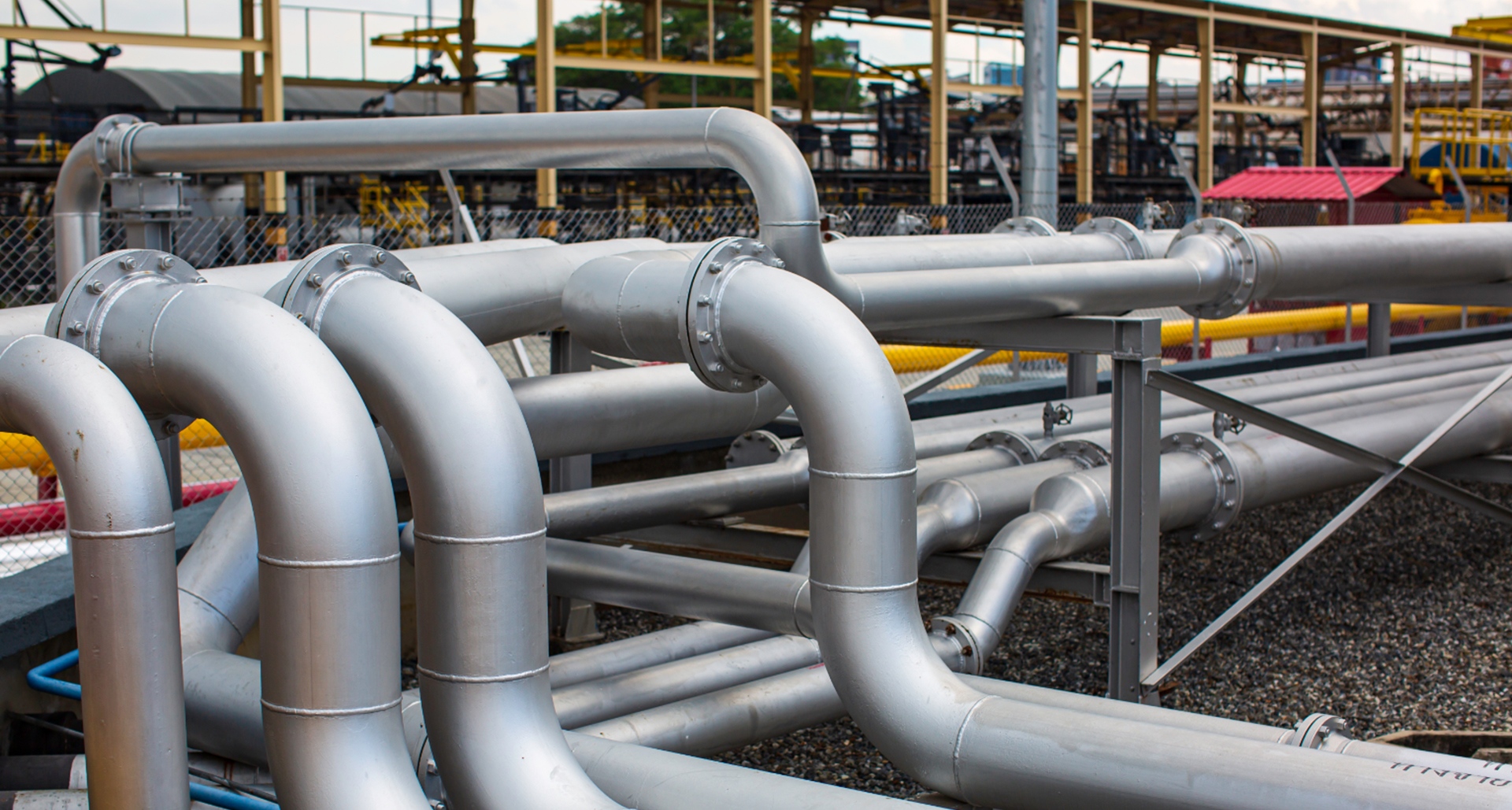
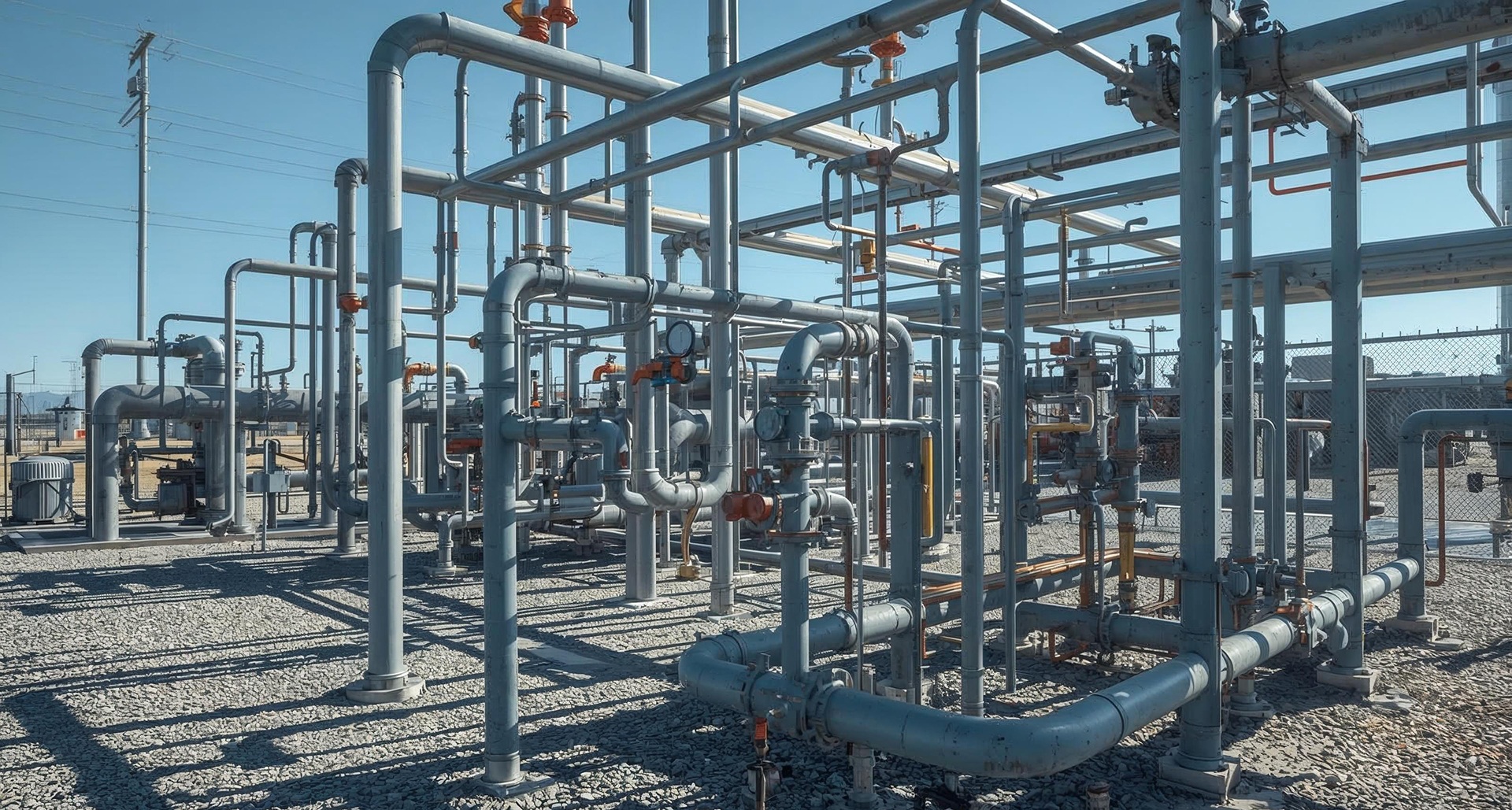
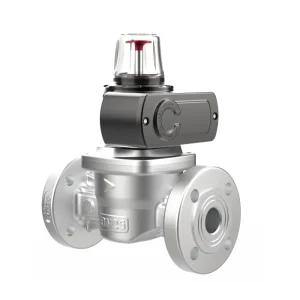
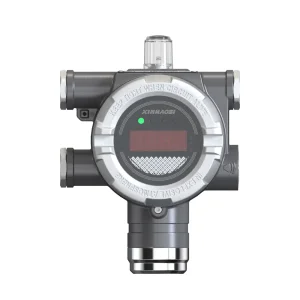
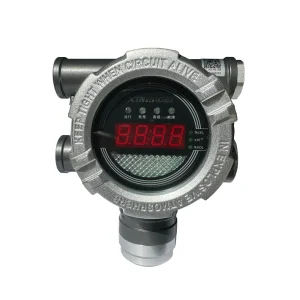
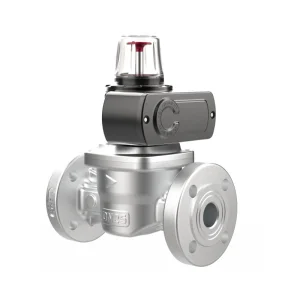
Featuring our premium safety components, configured for immediate response and high durability across Panamanian maritime, commercial, and residential gas lines.
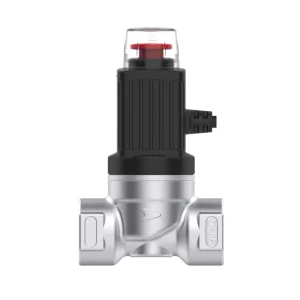
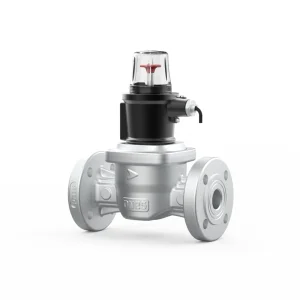
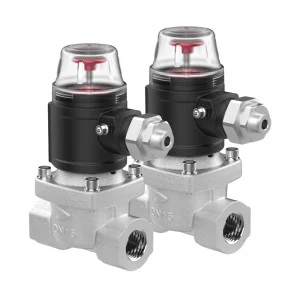
As the premier logistical hub of the Americas, Panama stands at a pivotal crossroads of global trade. The expansion of the Panama Canal, coupled with the rapid growth of the Colon Free Zone (Zona Libre de Colón) and major energy terminals such as the AES Colón LNG project, has exponentially increased the nation's demand for high-reliability industrial gas safety systems.
Panama's regulatory landscape, heavily influenced by global safety compliance codes (such as the National Fire Protection Association—NFPA 54 & NFPA 58), mandates strict parameters for gas storage, vaporization, and pipeline distributions. In commercial sectors—including high-rise hospitality hubs in Panama City and heavy maritime bunkering operations—the transition from traditional fuels to Liquefied Petroleum Gas (LPG) and Liquefied Natural Gas (LNG) necessitates ultra-reliable gas solenoid valves designed to withstand high humidity, oceanic salt mist, and dramatic pressure differentials.
Expanding beyond valves, our smart gas monitoring devices and multi-technology flame detectors form a protective ecosystem to safeguard Panama's complex pipeline environments.
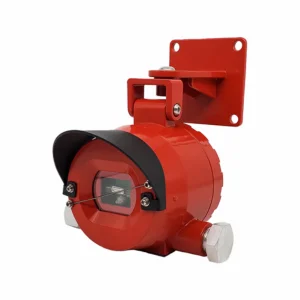

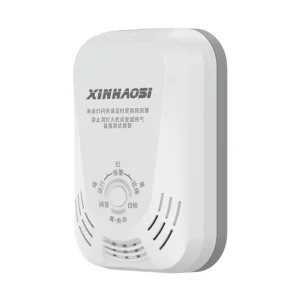
Navigating the digital transformation of pressure management and emergency shutoff hardware.
Modern gas distribution grids are shifting away from standalone pneumatic or basic solenoid setups. Current specifications require solenoid valves equipped with position indicator switches, real-time pressure feedback sensors, and direct Modbus/Profibus fieldbus communication modules. This allows control center operators to receive instant status updates and trigger immediate emergency closures from centralized SCADA systems.
With strict global carbon-neutrality mandates, energy-efficient electromagnetic solenoid coils are in high demand. We design coils that consume minimal holding current, minimizing heat generation and increasing continuous-duty lifespans. Additionally, optimizing internal flow paths minimizes the pressure drop (measured via Cv flow coefficient values), ensuring peak system performance.
Industrial procurements demand robust metallurgical traceability. From high-integrity cast steel and aerospace-grade anodized aluminum to corrosive-resistant brass alloys, every component must withstand severe environments. High-performance elastomer seals, such as Viton (FKM) and NBR, are used to prevent leakage when handling natural gas, LPG, or aggressive industrial biogas.
At our state-of-the-art manufacturing facility, we leverage Factory 4.0 methodologies to provide Panama and the wider Latin American market with a consistent supply of precision-engineered valves. By integrating automated robotic CNC machining, robotic multi-axis welding stations, and computer-vision-based dimension auditing, we minimize dimensional variances and speed up production cycles.
Supply Chain Reliability: Panama serves as a major commercial transit point. However, localized infrastructure projects require reliable shipping schedules. Our deep partnerships with major logistics routes from Shanghai and Ningbo ports to the Ports of Balboa and Cristobal guarantee secure transport, custom-clearance ready documents, and minimized lead times.
Before shipment, every solenoid valve goes through our automated verification cycle:
Founded in 2003, Xinhaosi is one of the most influential and reliable brands in the gas safety industry. We provide customer-focused products and services to safeguard the safe operation of every factory, the comfort of every city, the peace and happiness of every home. Powered by cutting‑edge production systems and technology, we deliver more advanced, intuitive, and precise gas safety solutions for shaping a safer future world.
We utilize advanced electronic detection technology to make unknown gas leak risks clear and visible. Operating as a premier developer, Xinhaosi continuously integrates the latest sensor technology and mechanical engineering designs to offer comprehensive coverage from domestic kitchens to highly combustible petrochemical factories.

Empowered by technology. Full-chain integration. Comprehensive protection, shaping the future with intelligence.
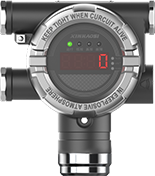
Safety First from Precision Sensing. Advanced optical, electrochemical, and catalytic bead sensors integrated directly with gas solenoid controls.

Home Safety from Gas Monitoring. Quick, easy integration with emergency shut-off valves to ensure residential gas cuts out the millisecond a leak is detected.
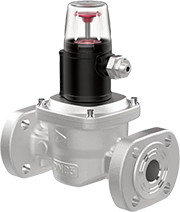
Protecting from the Source. Hardened mechanical valves designed to stop combustible gas flow immediately in hazardous events.
Trusted by key industrial leaders, energy providers, and distribution networks worldwide.












Stay tuned for the latest developments from Xinhaosi and the global safety industry.
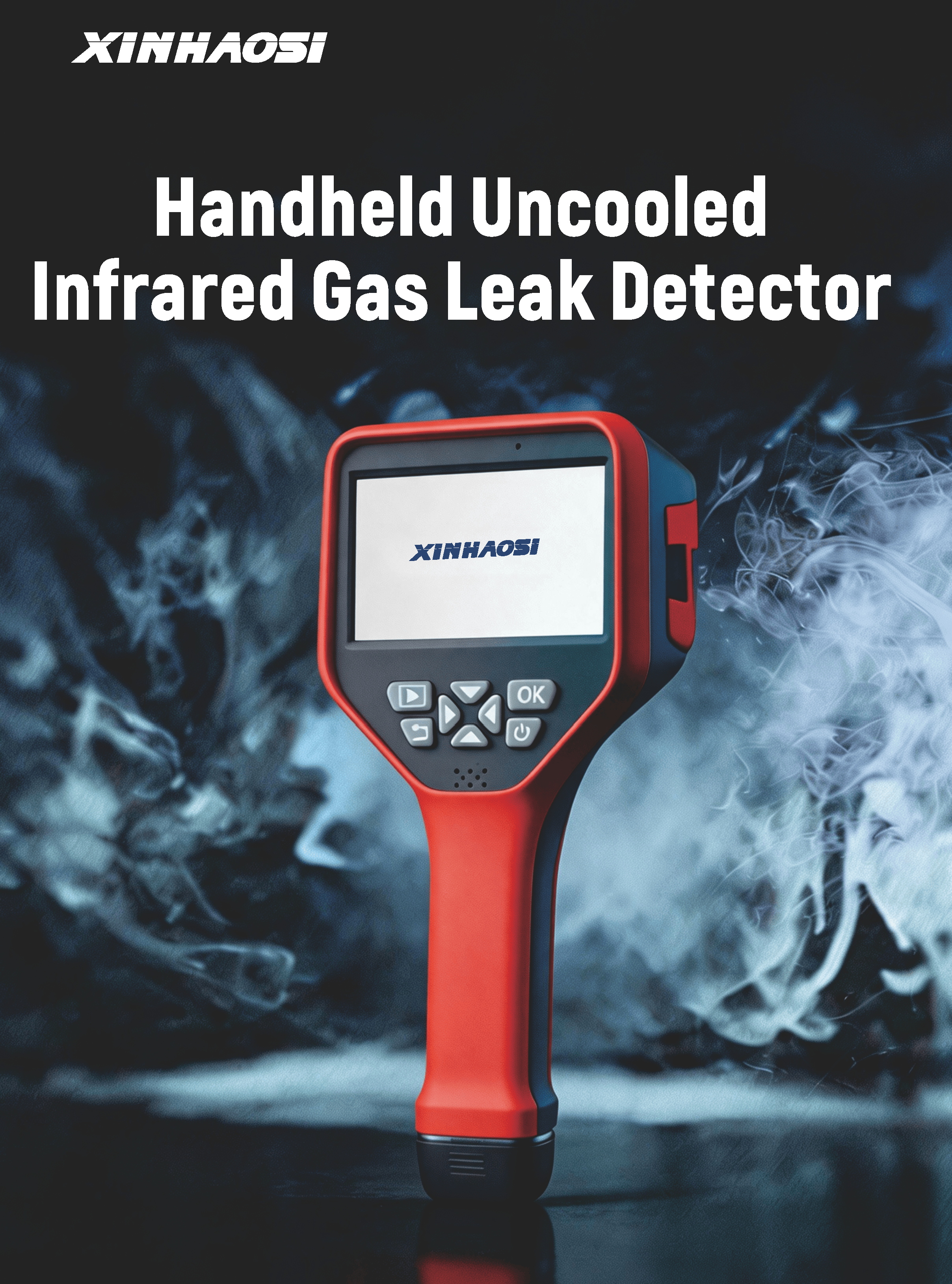
Officially launched its new Handheld Uncooled Infrared Gas Leak Detector, featuring dual-technology fusion, ultra-fast response, and long-distance non-contact detection to enhance safety and efficiency in petrochemical, refrigeration, natural gas and industrial safety scenarios.
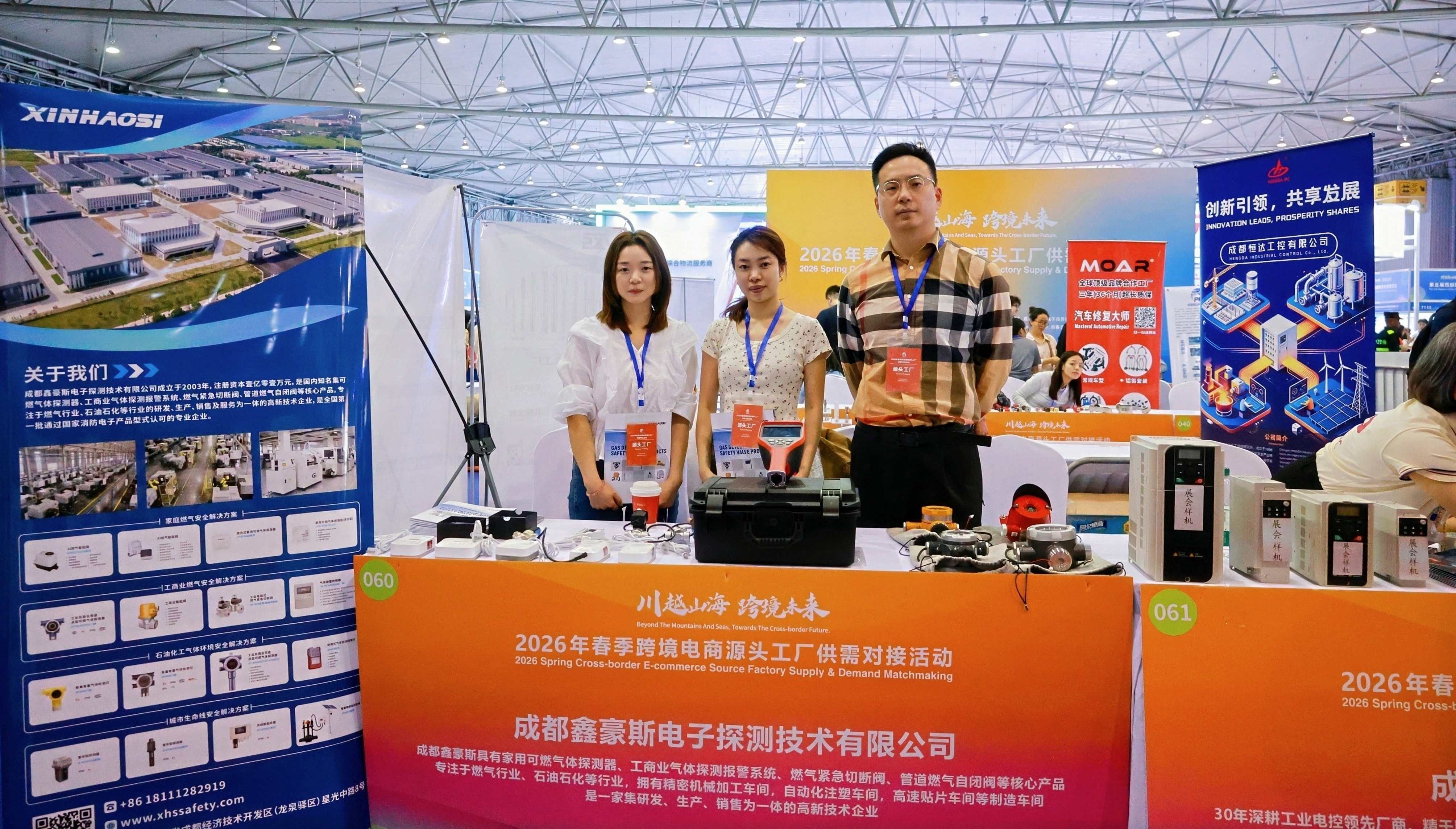
XINHAOSI recently participated in the 5th Western China Cross-Border E-Commerce Expo held in Chengdu. The event brought together cross-border e-commerce platforms, global buyers, manufacturers, and supply chain companies, creating new opportunities for international business cooperation.
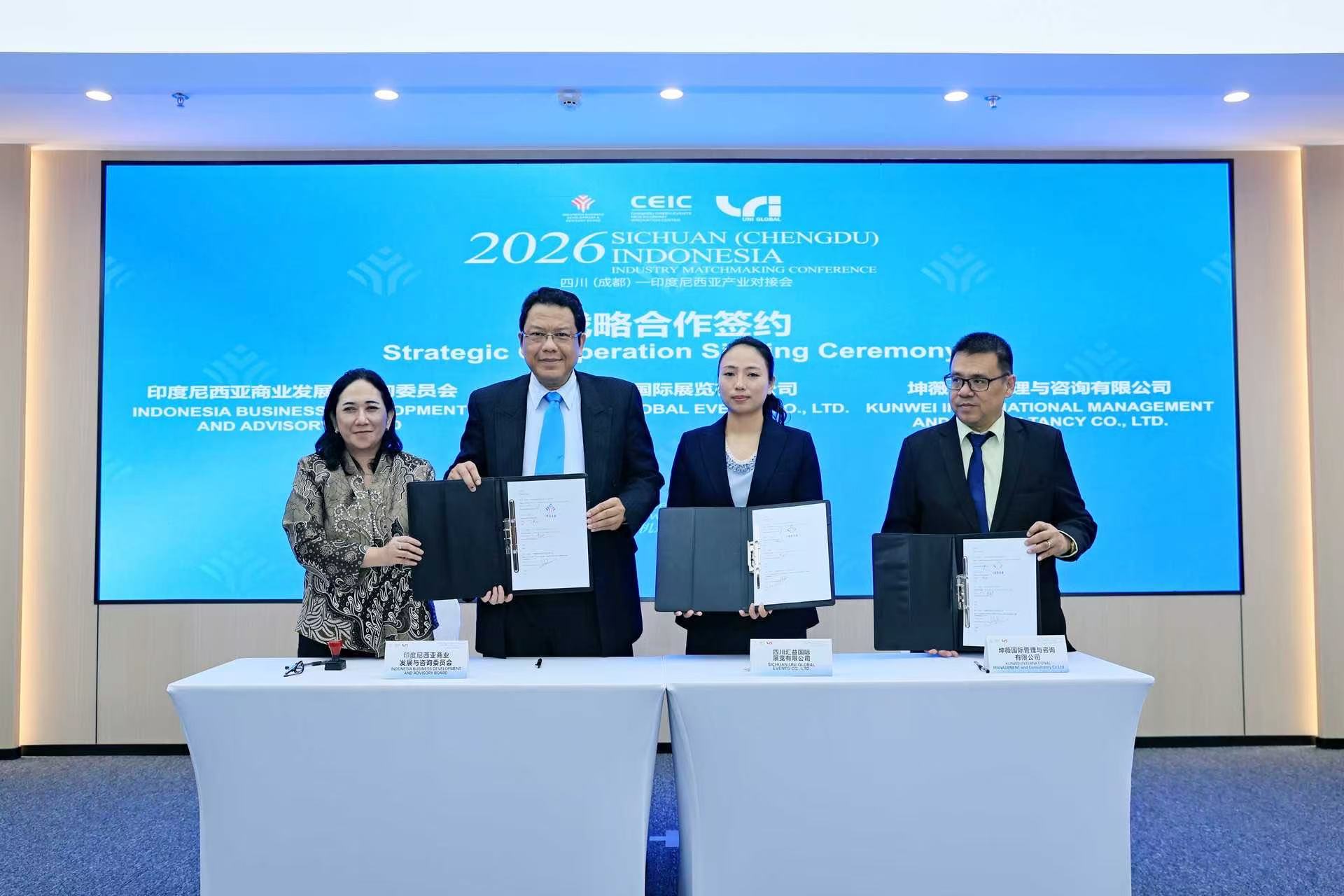
XINHAOSI recently participated in the 2026 Sichuan (Chengdu) – Indonesia Industry Matchmaking Conference held in Chengdu. The event gathered enterprises and industry representatives to strengthen industrial cooperation and explore new business opportunities in Southeast Asia.
Get answers to technical and regulatory questions about gas safety systems in Latin America.
Browse our certified safety components, designed for long-term reliability and zero-leak performance under harsh conditions.
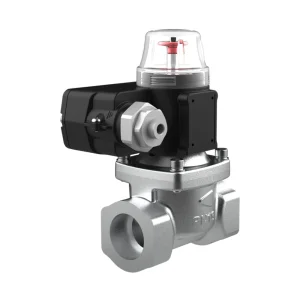
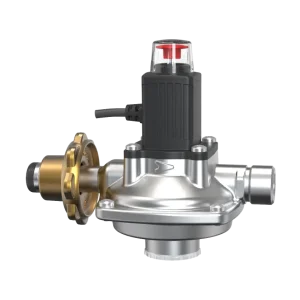
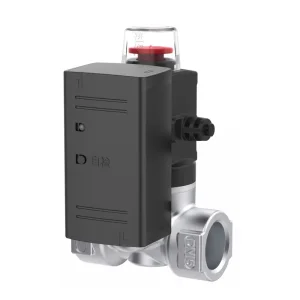
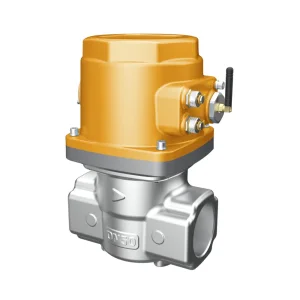
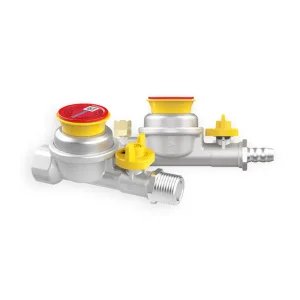
Request a custom technical proposal and price quotation for your projects in Panama. Our engineers will verify code compliance, sizing metrics, and atmospheric resilience requirements.