Essential instrumentation for industrial pressure measurement, transmission safety, and underground valve pit gas detection across the Greater Mumbai metropolitan grid.
Mumbai, the financial powerhouse of India, operates one of the most complex, high-density subterranean utility systems in the world. As the city continues its rapid transition to Piped Natural Gas (PNG) for household, commercial, and industrial use, and Compressed Natural Gas (CNG) for public transportation, the demand for highly reliable Urban Gas Distribution & Monitoring Systems has skyrocketed.
The city's environment is characterized by distinct geographical challenges: extreme coastal salinity from the Arabian Sea, dense commercial clusters, and torrential monsoon seasons. High-humidity and waterlogged underground utility shafts present severe corrosion risks to conventional pipeline systems. For instance, standard pressure monitors and methane detectors are prone to premature sensor degradation when exposed to saline dampness, risking undetected micro-leaks in high-density areas.
Our comprehensive technical approach focuses on providing industrial-grade, PESO (Petroleum and Explosives Safety Organisation) certified transmitters and monitoring systems designed specifically to withstand Mumbai's unique coastal soils, saline water ingress, and municipal constraints. Implementing smart IoT-based sensing solutions is not merely an operational convenience—it is a critical safety imperative under India's Petroleum and Natural Gas Regulatory Board (PNGRB) guidelines.

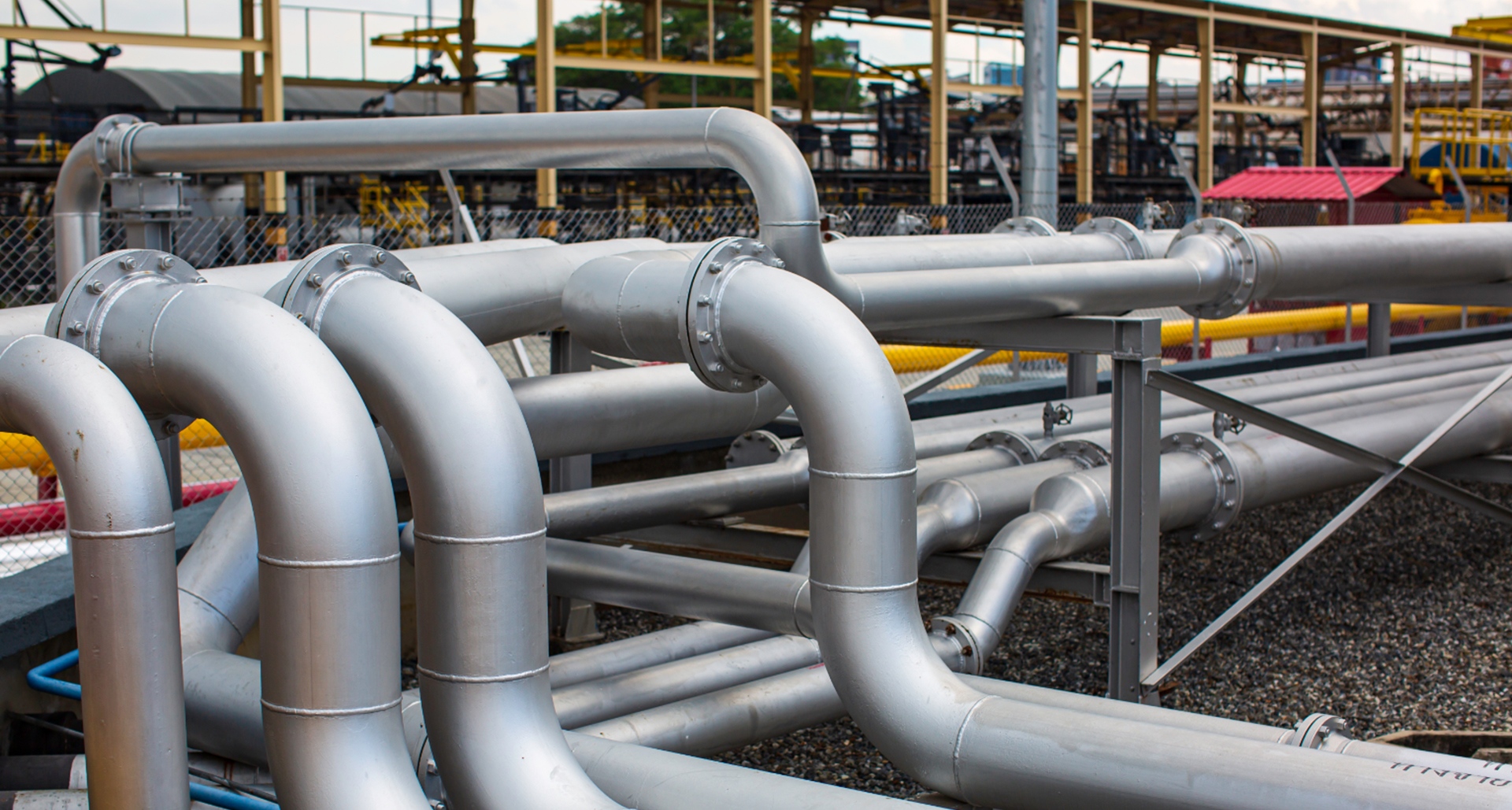
Modern cities globally are transitioning from reactive maintenance (leak patching post-factum) to proactive, predictive pipeline health diagnostics. Internationally, this paradigm shift is guided by strict regulatory framework documents such as the EN 50194 standard (for domestic gas detection) and standard safety regulations for industrial explosive atmospheres (IECEx and ATEX Directives). Modern grids rely heavily on continuous pressure-wave transient monitoring and optical gas sensing to localize micro-leaks before they lead to catastrophic structural failure.
Furthermore, the global energy transition is introducing hydrogen blending (H2-NG mixtures) into existing natural gas distribution networks. Since hydrogen molecules are significantly smaller and have a wider flammability range than methane, standard sensors are insufficient. Next-generation monitoring devices must incorporate dual-sensor arrays or high-performance electrochemical detection mechanisms capable of tracking both methane and hydrogen slip in real-time.
As a leading supplier and factory partner, we align our product development roadmaps with these international transitions. Our explosion-proof gas detectors and smart wireless terminals utilize advanced micro-electro-mechanical systems (MEMS) and low-power wide-area network protocols (NB-IoT/LoRaWAN) to deliver global-tier security to regional distributors in South Asia.
Achieving total-grid safety requires a layered approach, integrating edge hardware, reliable communication protocols, and industrial automation software.
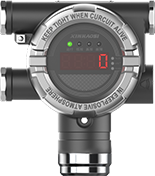
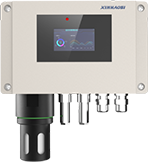
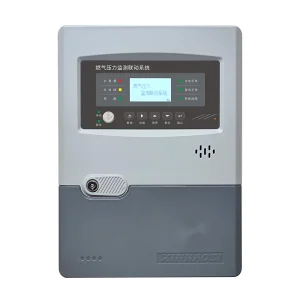
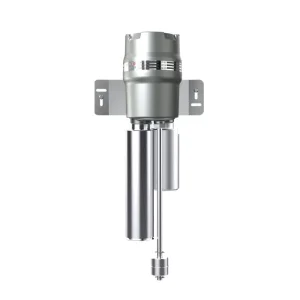
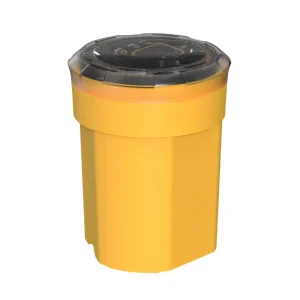
Urban utilities in Mumbai run through dense subsurface channels. The GT-AT0616 and AT0605 series detectors are specifically sealed to prevent water ingress and reliably signal methane accumulations to remote monitoring centers via low-power wireless modules.
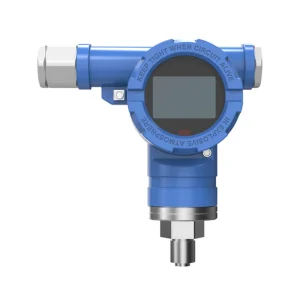
Precise pressure monitoring is crucial at distribution nodes. Our PMC-X602C Controller and XCS-P3051 Transmitters provide continuous pressure readings to SCADA systems, preventing over-pressurization and detecting downstream leaks via pressure drop analysis.
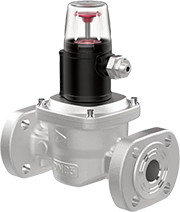
For residential high-rises and commercial kitchens across Mumbai, our domestic combustible gas detectors (JT-AT2005/JT-AT2004BII) trigger shut-off solenoid valves the moment gas levels exceed safety margins, containing potential hazards at the source.
Founded in 2003, Xinhaosi is one of the most influential and reliable brands in the gas safety industry. We provide customer-focused products and services to safeguard the safe operation of every factory, the comfort of every city, and the peace and happiness of every home. Powered by cutting-edge production systems and technology, we deliver more advanced, intuitive, and precise gas safety solutions for shaping a safer future world.
We utilize advanced electronic detection technology to make unknown gas leak risks clear, visible, and manageable. By integrating state-of-the-art sensors and rugged physical protection, we bridge the gap between heavy industrial requirements and smart-city applications.


Comprehensive protection across all sectors: industrial gas detection, smart valves, and domestic warning systems.
Collaborating with global leading energy corporations, municipal authorities, and critical utility contractors.
























Keep up with Xinhaosi's technological iterations and industry milestones in global gas detection.
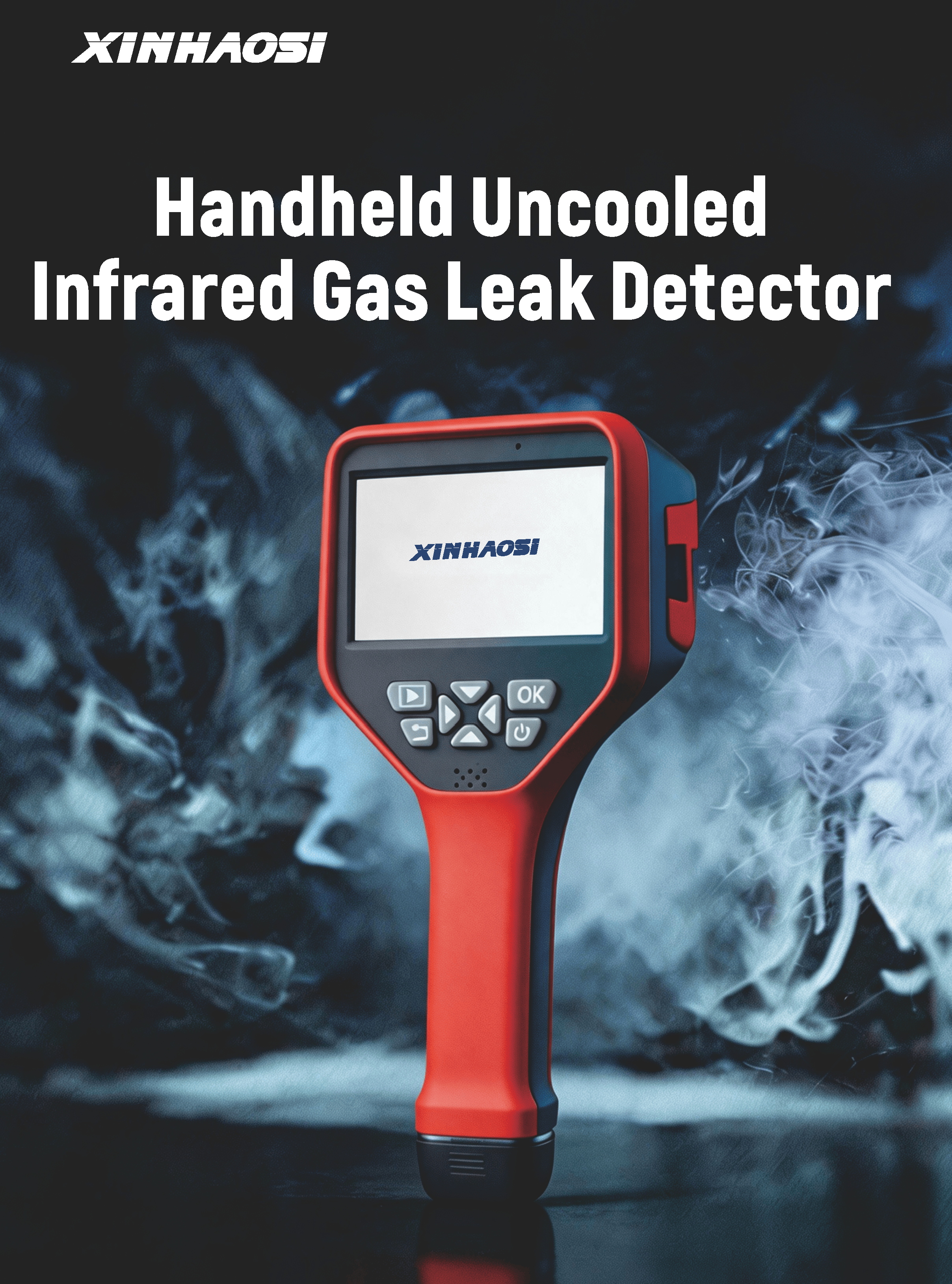
Introducing our latest handheld uncooled infrared gas leak detector, featuring dual-technology fusion, rapid response, and remote non-contact sensing capabilities for industrial pipeline inspections.
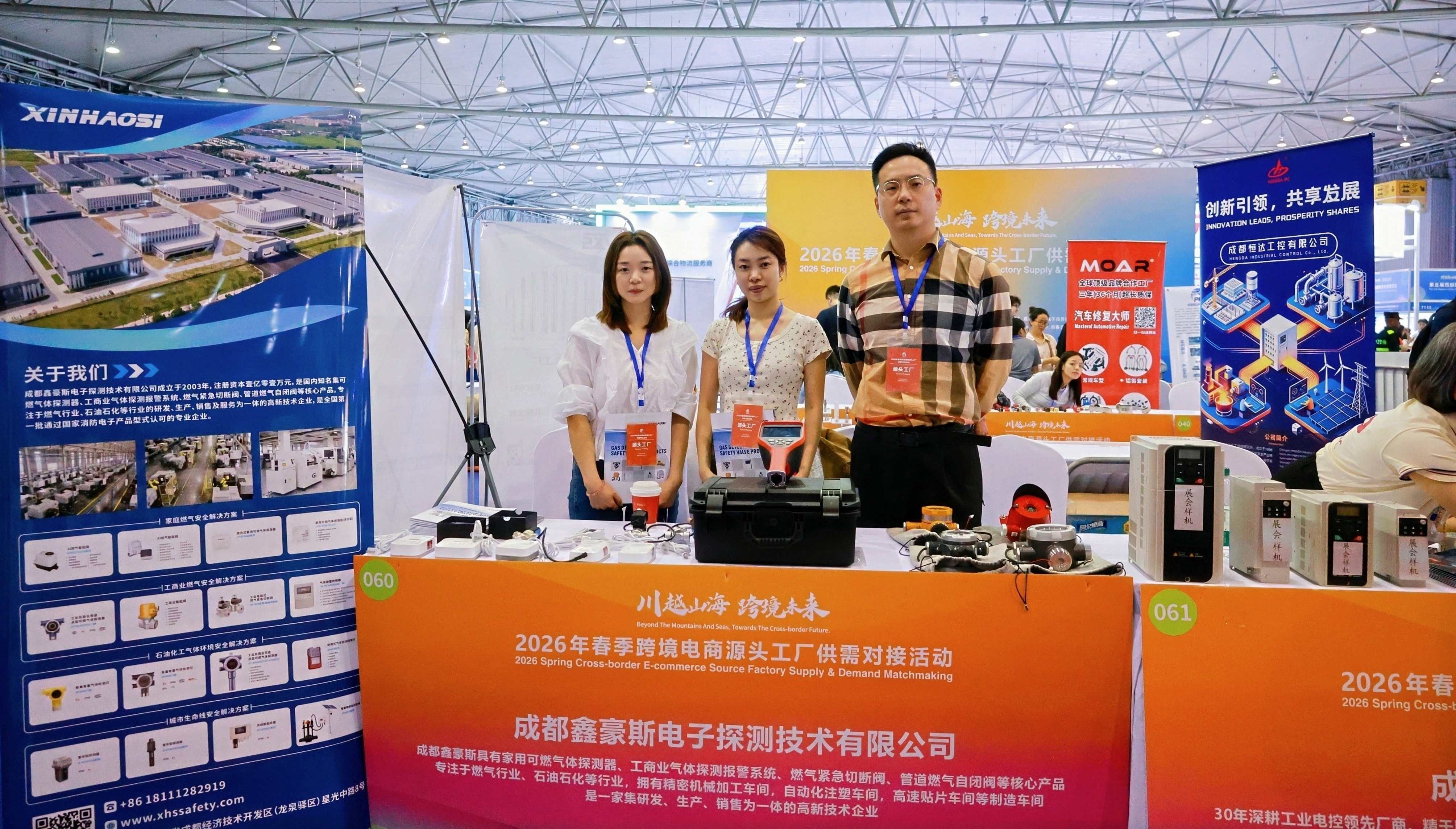
Xinhaosi expanded its global trade network, establishing strategic relationships with international utility buyers and industrial safety distributors at the Chengdu Expo.

Establishing key economic ties with Southeast Asian partners to supply municipal smart gas technologies and household monitoring solutions to growing markets.
Explore our highly integrated field-level components, including wireless pressure sensors, intelligent monitoring terminals, and uncooled infrared detection devices.
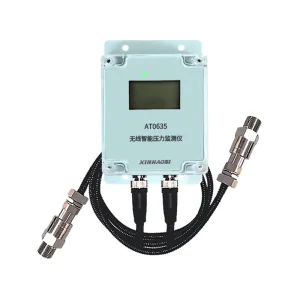
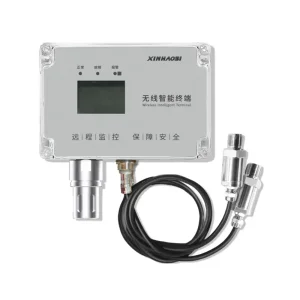
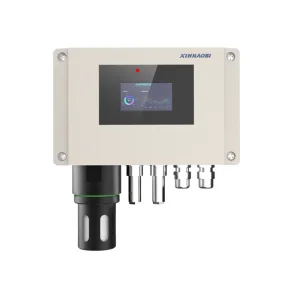

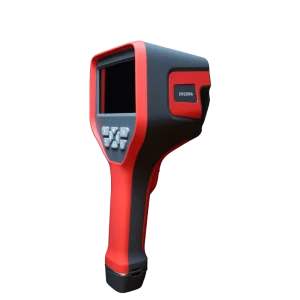
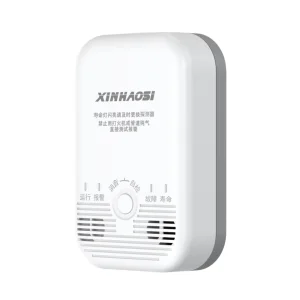
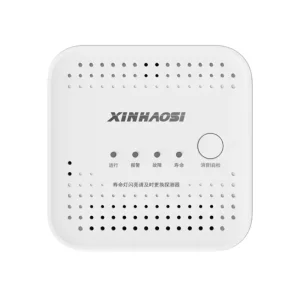
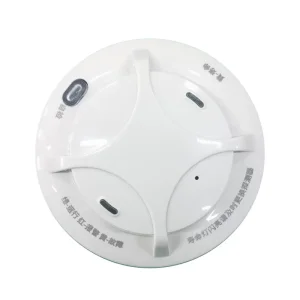
High-reliability safety components, including multi-gas detectors, domestic flame detectors, and LPG pressure regulators, maintaining comprehensive conformity with safety directives.
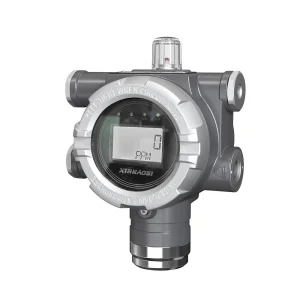
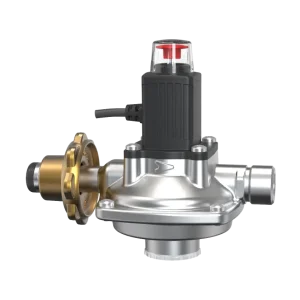
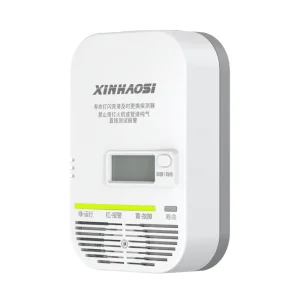
How Xinhaosi implements end-to-end telemetry systems to ensure continuous monitoring from central gate stations to high-rise consumers.
Ensuring complete safety across a complex metropolis like Mumbai requires a systematic layout. Our engineering blueprint integrates three foundational levels:
By implementing this structural approach, municipal operators reduce the time-to-isolation for pipeline failures from hours to seconds. In high-density districts (such as Dharavi or industrial nodes in Navi Mumbai), rapid valve closure mitigates explosive accumulations before gas concentrations reach the Lower Explosive Limit (LEL).
Direct technical answers addressing system implementation, regulatory compliance, and localized environmental adaptation.
The Petroleum and Explosives Safety Organisation (PESO) is the nodal department in India governing safety of compressed gases, petroleum, and explosives. Any sensor, transmitter, or solenoid valve deployed in hazardous areas (Zone 0, Zone 1, Zone 2) must be PESO-certified flameproof or intrinsically safe to ensure they do not become ignition sources in the event of gas accumulation.
Devices like the GT-AT0616 and AT0605 feature dual IP68 environmental seals and robust engineering materials. The specialized gas diffusion membrane permits atmospheric gas diffusion to the sensor element while rejecting liquid water and moisture, preventing circuit short-circuits during prolonged immersion in flooded utility chambers.
Our intelligent monitors support standardized low-power configurations including NB-IoT (Narrowband IoT), LoRaWAN, and LTE-M. This provides long-range telemetry propagation through dense concrete and subterranean shafts, running on lithium battery arrays that perform for several years without physical maintenance.
Yes. With global utility providers beginning to blend up to 20% hydrogen into methane grids, our modern multi-gas detection series are configured with targeted sensor elements calibrated to respond accurately to hydrogen's unique cross-sensitivities and high diffusion velocities.