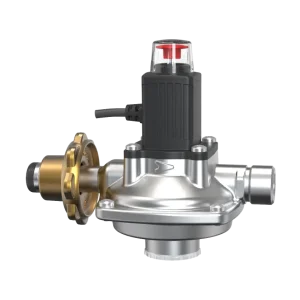
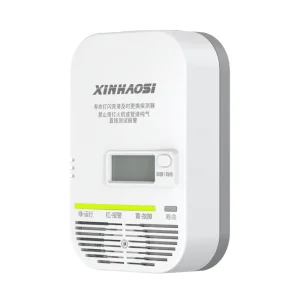
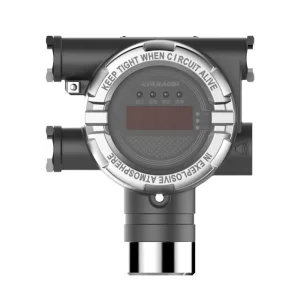
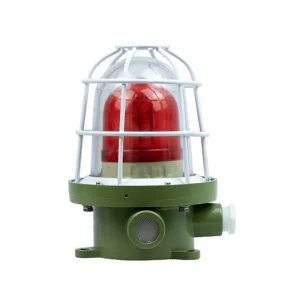
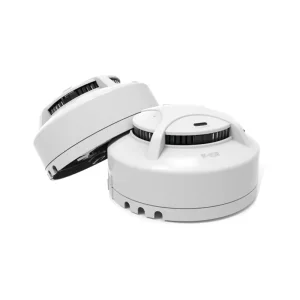
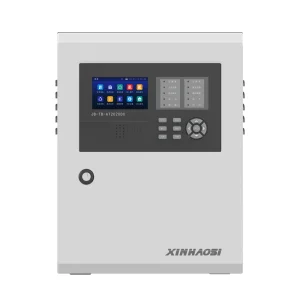
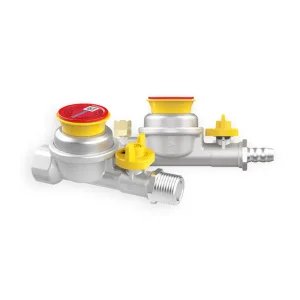
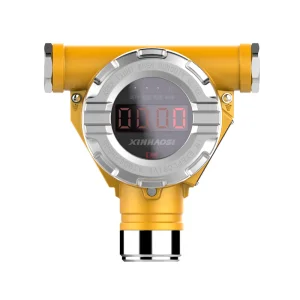
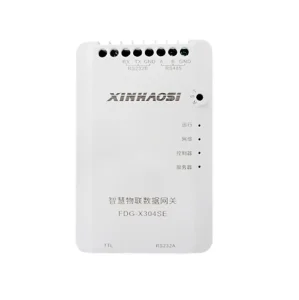
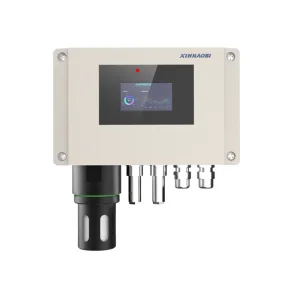
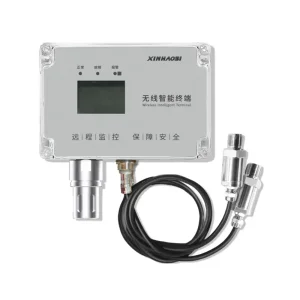
Explore our foundational range of wireless intelligent terminals, explosion-proof monitors, and shut-off valves built to secure critical safety infrastructure.


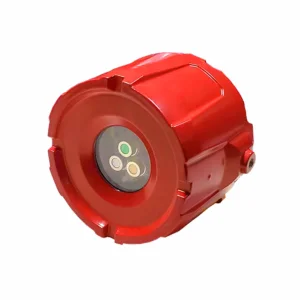
Propane (Liquefied Petroleum Gas, or LPG) remains one of the most widely utilized hydrocarbons globally, powering heavy industries, chemical production plants, commercial kitchens, off-grid heating configurations, and transport networks. While its high energy density and portability present exceptional operational advantages, its thermodynamic and physical properties present severe hazards. Propane is heavier than air (with a relative density of approximately 1.55 times that of air), meaning that escaping gas does not dissipate upwards but rather flows downward, accumulating in low-lying areas, trenches, basements, and floor-level cavities.
This settling characteristic creates highly volatile localized explosive pockets, making quick detection at low altitudes imperative. If a leak goes undetected, even a minor spark can trigger catastrophic blast waves. In response, international safety organizations and standard bodies have enacted stringent regulatory frameworks. In North America, standards such as NFPA 54 (National Fuel Gas Code) and NFPA 58 (Liquefied Petroleum Gas Code) govern the safe handling and installation of propane, mandate localized monitoring, and require hardware certified to UL 1484 (for residential applications) and UL 2075. In Europe, the EN 50194 standard defines the performance criteria for electrical apparatus used to detect combustible gases in domestic and light industrial structures.
"The critical point of propane safety lies not just in sensing the gas, but in the immediate, automated physical mitigation of the leak at the source. This requires integrated systems that link detectors with immediate shut-off mechanisms."
From a market demand standpoint, the industrial gas safety equipment sector is experiencing rapid expansion. Rapid urbanization across the Asia-Pacific region, coupled with extensive infrastructure renovation in North America and Western Europe, has escalated the installation rate of integrated propane safety devices. Modern facilities no longer view gas detectors as simple stand-alone buzzers; instead, they require complex systems that feed data directly to SCADA systems, distributed control systems (DCS), and emergency shutdown (ESD) frameworks. For industrial manufacturers and globally operating factories, compliance with these evolving regulatory landscapes requires rigorous quality assurance, low-drift sensor hardware, and multi-layered safety mechanisms.
The core of any propane detector lies in the technology used to sense the gas. To understand performance reliability, it is essential to analyze the primary sensing topologies deployed in modern factory solutions:
Operate via the oxidation of combustible gases on a catalytically active bead. The combustion reaction changes the electrical resistance of the wire loop, which is proportional to the gas concentration. They are cost-effective, robust, and respond to a wide array of hydrocarbons, but they are vulnerable to catalytic poisoning by silicones, sulfur compounds, and halogenated hydrocarbons.
Utilize the unique light absorption properties of hydrocarbon molecules at specific infrared wavelengths (typically around 3.3 to 3.4 micrometers for propane). Because they do not rely on chemical reactions, NDIR sensors are immune to sensor poisoning, can operate in oxygen-deficient atmospheres, and offer exceptional long-term stability with minimal calibration requirements, though they carry a higher initial capital expense.
Rely on the change in conductivity of a tin-dioxide thin film when gas molecules are adsorbed on its surface. MOS sensors are highly sensitive to low gas concentrations and possess long lifespans, making them ideal for domestic safety devices. However, they can exhibit cross-sensitivity to environmental variations in relative humidity and ambient temperatures.
The gas safety industry is transitioning away from standalone detection units toward intelligent, cloud-integrated ecosystems. By leveraging wireless communication topologies such as LoRaWAN, NB-IoT, and Zigbee, detectors can transmit real-time Lower Explosive Limit (LEL) values back to localized gateways. These gateways then process the data, activate emergency sound-light alarms, shut down main gas lines via mechanical solenoid shut-off valves, and upload live status logs to remote safety managers.
Furthermore, machine learning algorithms are now being implemented at the edge to analyze sensor response curves. This helps differentiate true propane leaks from cooking byproducts or atmospheric fluctuations, minimizing false alarms and reducing unnecessary operational downtime.
Founded in 2003, Xinhaosi has established itself as an influential and reliable brand in the global gas safety industry. We provide customer-focused products and services designed to safeguard industrial operations, commercial infrastructure, and residential spaces worldwide. Driven by advanced electronic detection technologies, we render unknown gas leak risks visible and manageable.
With modern production systems, robust calibration labs, and stringent quality control protocols, we manufacture high-performance propane alarm detectors and complete gas monitoring systems. Our products are engineered to deliver precise, intuitive, and immediate responses, ensuring safety is prioritized at every level of operations.


Providing specialized gas safety solutions designed to meet the demands of residential, commercial, and heavy industrial settings.
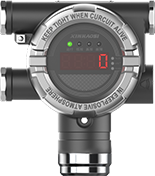
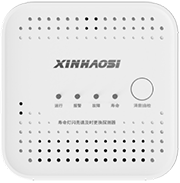
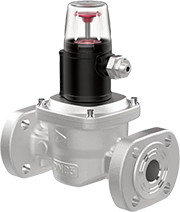
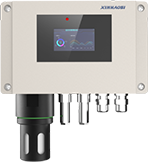
Our macro industrial framework integrates detectors directly with pipeline shut-off systems, local sound-light annunciators, and remote monitoring centers. This ensures that when a gas leak is detected:
Answers to common technical questions regarding sensor technologies, installation practices, and compliance standards.
Our solutions are trusted by leading utility providers, industrial factories, and engineering partners worldwide.
























Stay informed on our latest technology announcements, trade expos, and global partnership initiatives.
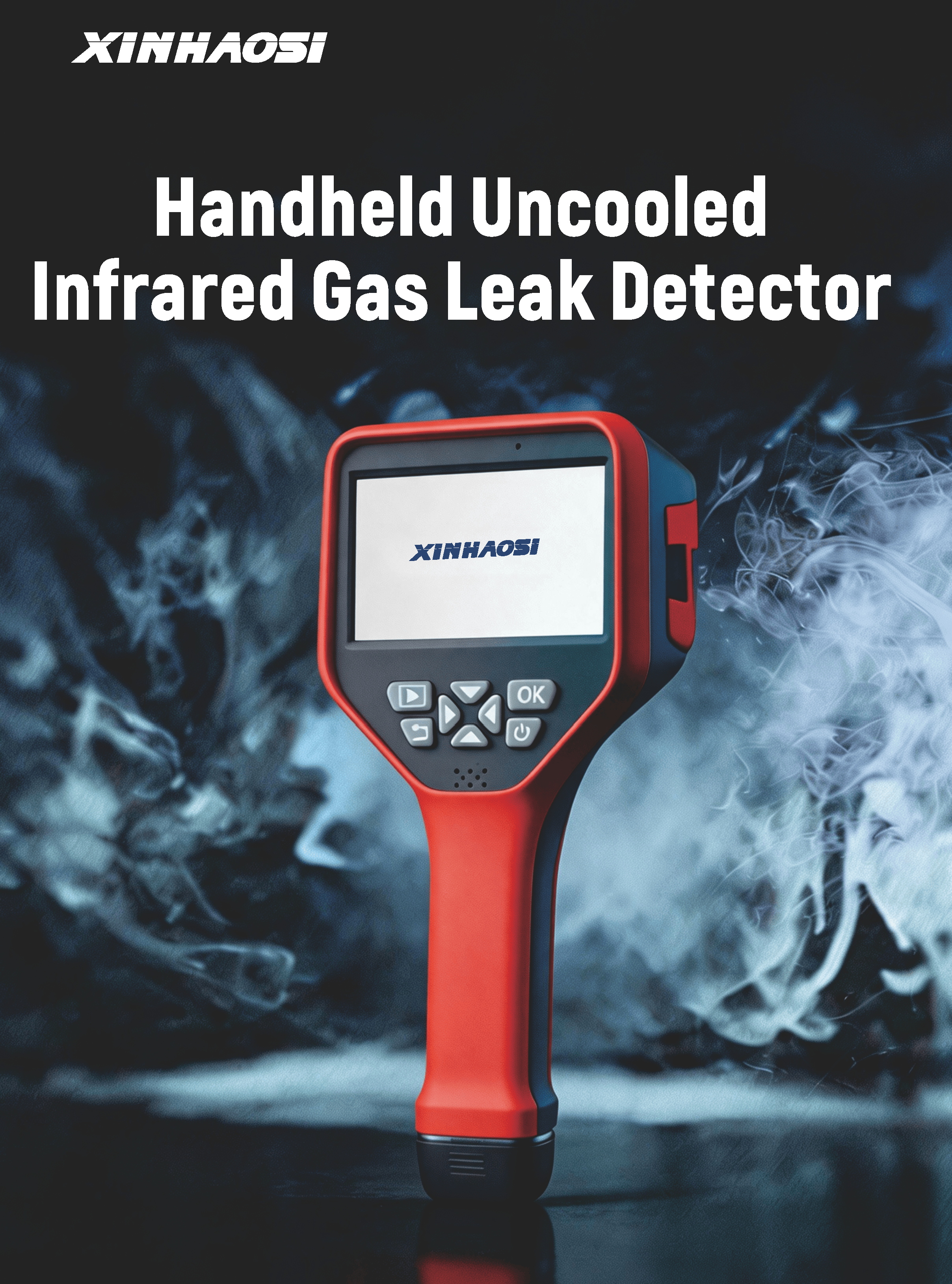
Xinhaosi Electronic Detection Technology Co., Ltd. officially launched its new Handheld Uncooled Infrared Gas Leak Detector, featuring dual-technology fusion, ultra-fast response, and long-distance non-contact detection to enhance safety and efficiency in petrochemical, refrigeration, natural gas, and industrial safety scenarios.
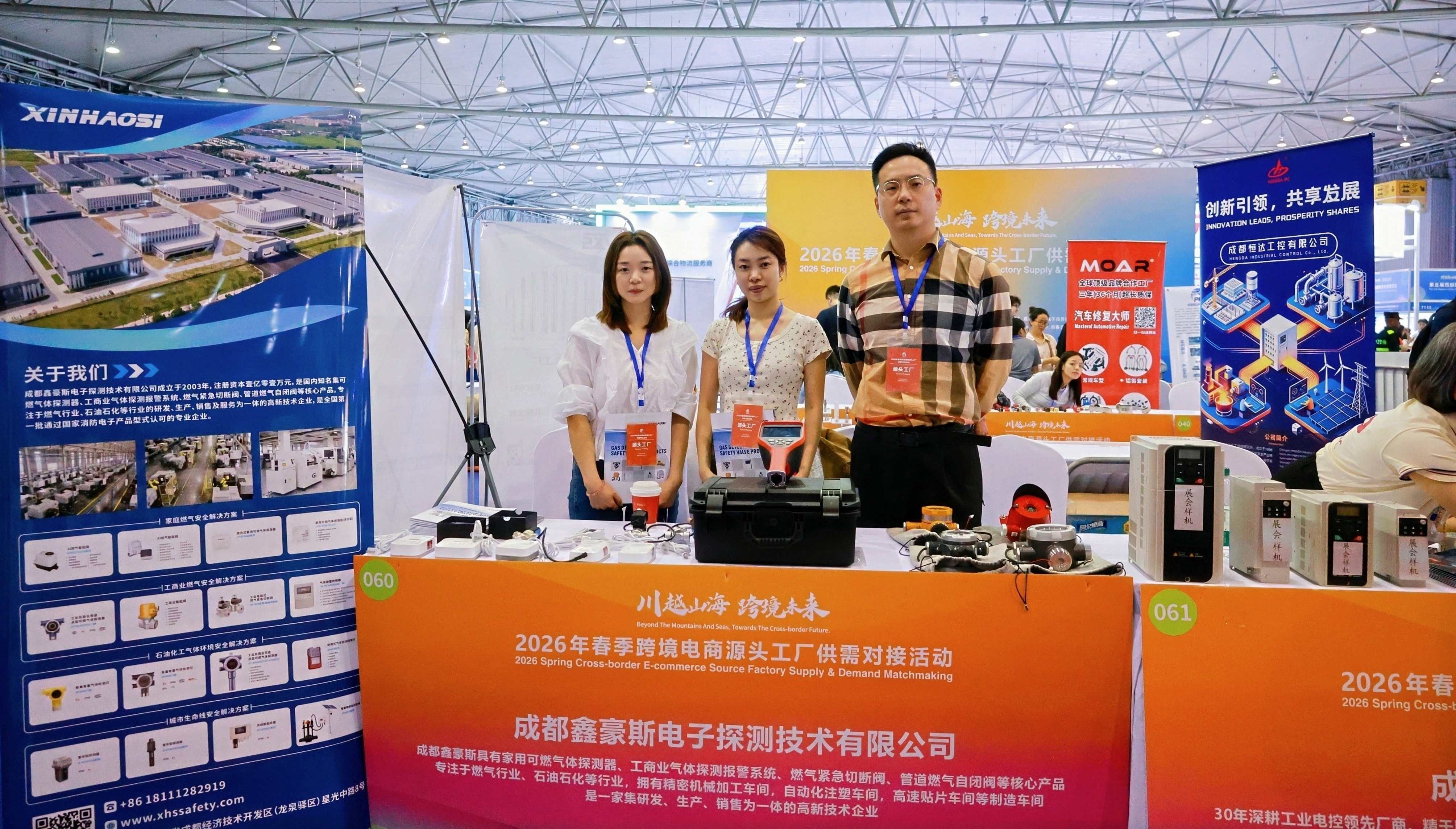
XINHAOSI recently participated in the 5th Western China Cross-Border E-Commerce Expo held in Chengdu. The event brought together cross-border e-commerce platforms, global buyers, manufacturers, and supply chain companies, creating new opportunities for international business cooperation and overseas market development.

XINHAOSI recently participated in the 2026 Sichuan (Chengdu) – Indonesia Industry Matchmaking Conference held in Chengdu. The event gathered enterprises and industry representatives from China and Indonesia to strengthen industrial cooperation and explore new business opportunities in Southeast Asia.
Explore our targeted commercial regulators, domestic alarms, and multi-zone controllers built for responsive safety protection.