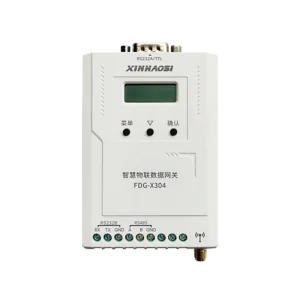
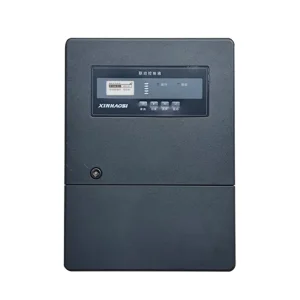
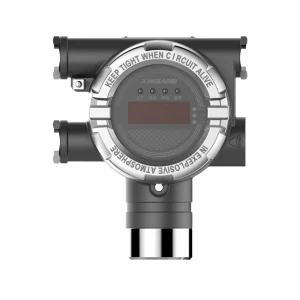
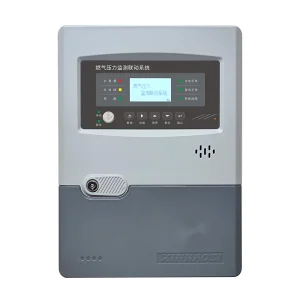
Propane (C3H8), as a critical fuel source in both residential and industrial sectors, presents significant safety challenges due to its highly flammable nature and its density relative to air. Unlike natural gas, propane is heavier than air, meaning leaks often accumulate in low-lying areas, increasing the risk of explosive concentrations. As a leading Propane Gas Sensor Manufacturer, our commitment to safety is rooted in 20 years of R&D, adhering to strict E-E-A-T principles to provide reliable, authoritative, and expert-driven detection technologies.
Modern propane detection involves complex chemical and physical sensing mechanisms. Our sensors utilize advanced Catalytic Combustion and Non-Dispersive Infrared (NDIR) technologies. Catalytic sensors offer robust, cost-effective detection for general combustible gases, while NDIR sensors provide superior longevity and resistance to sensor "poisoning," making them ideal for harsh industrial environments where silicone or sulfur compounds are present.
Years of R&D Expertise
Global Safety Patents
Annual Global Shipments
Founded in 2003, Xinhaosi is one of the most influential and reliable brands in the gas safety industry. We utilize advanced electronic detection technology to make unknown gas leak risks clear and visible.

We deliver customer-focused products and services to safeguard every factory, city, and home. Powered by cutting-edge production systems, we shape a safer future through intelligent sensing.

China's sophisticated electronic ecosystem allows us to source high-purity components and precision filaments locally, reducing lead times and ensuring competitive pricing without compromising on ISO 9001 quality standards.
Our R&D team iterates on sensor algorithms every quarter, integrating AI-driven noise reduction to eliminate false alarms caused by household aerosols or cooking vapors.
With automated SMT lines and vacuum testing chambers, our factory can scale from small OEM batches to multi-million unit orders for national utility projects.
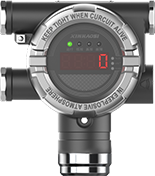
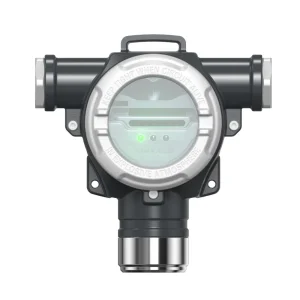
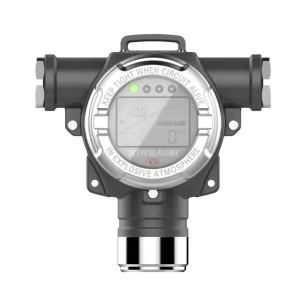
Detection Systems for oil refineries, chemical plants, and underground shafts where explosive atmospheres are a constant risk.
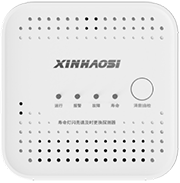
Sleek, reliable gas detectors for smart homes and restaurant kitchens, preventing tragic accidents before they occur.
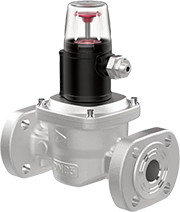
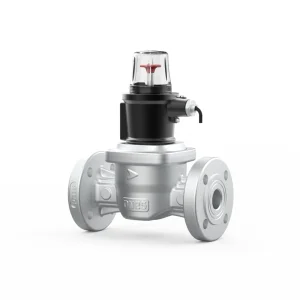
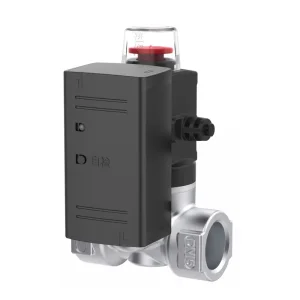
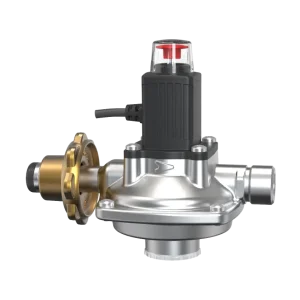
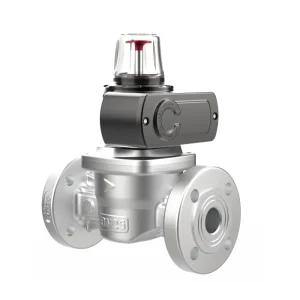
Protecting the source by automatically cutting off gas supply upon leak detection, ensuring full-chain integration.
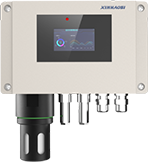
Smart sensing for urban infrastructure, monitoring city-wide pipelines and distribution stations in real-time.
Propane sensors are critical in diverse environments. In North America and Europe, there is a high demand for sensors in Recreational Vehicles (RVs) and campers. In Southeast Asia and Latin America, where bottled LPG is the primary cooking fuel, household plug-in detectors are essential for residential safety. In the Middle East, explosion-proof industrial sensors are vital for the petrochemical sector.
When sourcing propane gas sensors, professional buyers prioritize three key factors:
1. Certification Compliance: UL1484 (US), EN50194 (EU), and ATEX/IECEx for hazardous areas.
2. Sensor Lifespan: A minimum of 5 years for residential and 2-3 years for replaceable industrial sensor heads.
3. Customization (OEM/ODM): Ability to customize alarm thresholds, enclosure colors, and communication protocols (Modbus, LoRaWAN, NB-IoT).





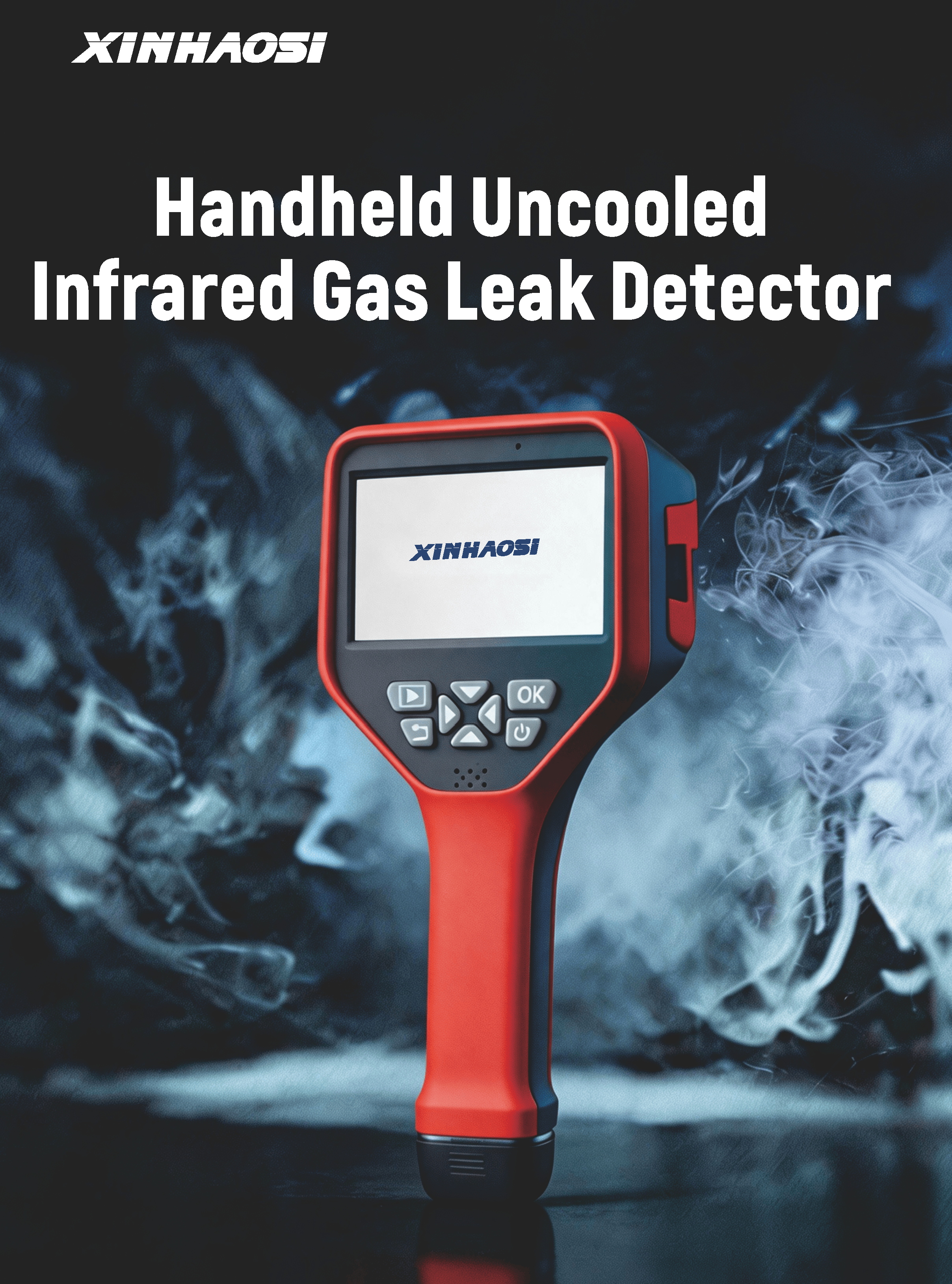
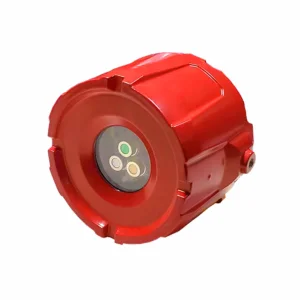
Featuring dual-technology fusion and long-distance non-contact detection for petrochemical and industrial scenarios.
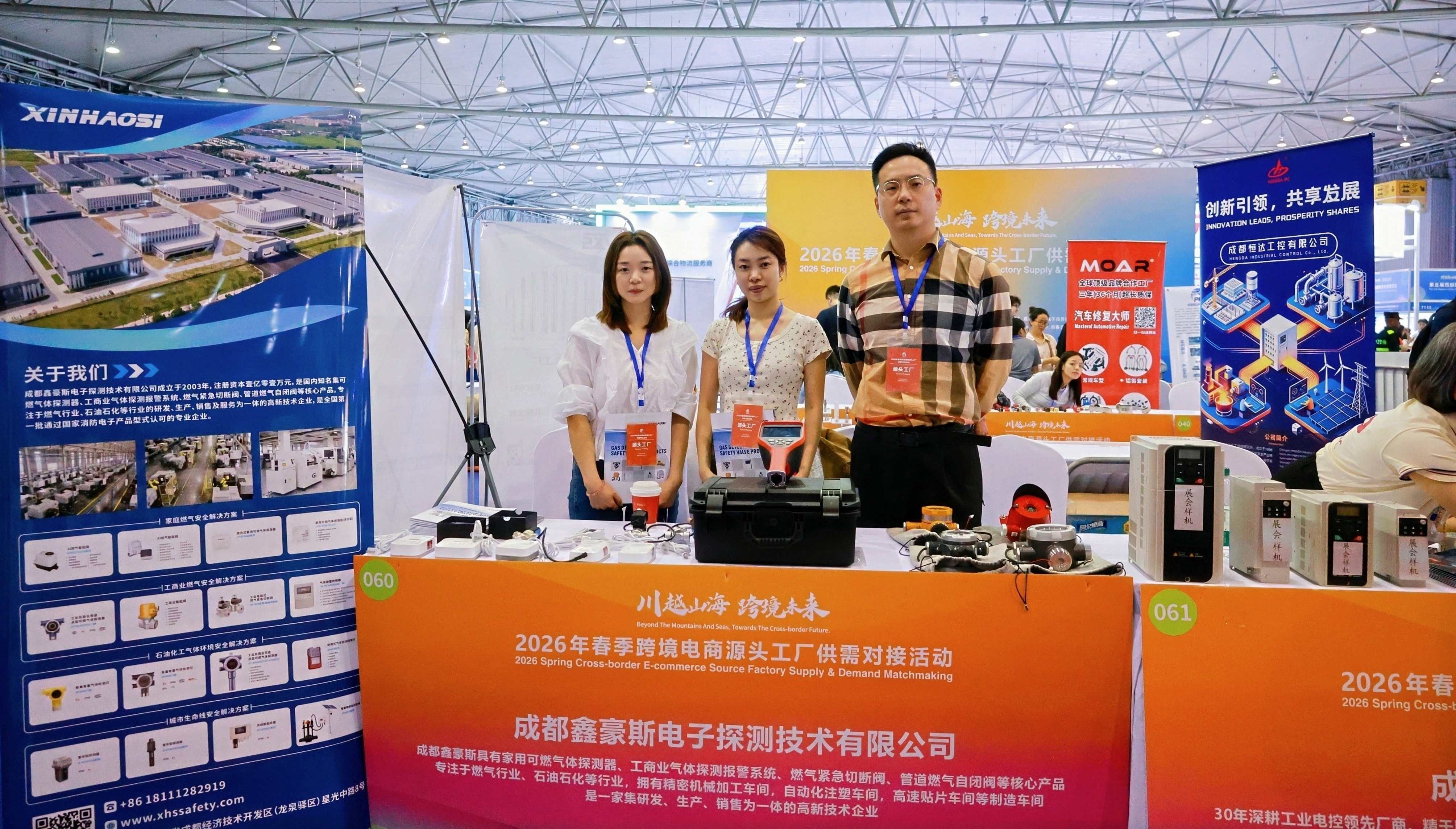
Xinhaosi explored new opportunities for international business cooperation and global market development.

Strengthening industrial cooperation and exploring business opportunities in Southeast Asia.