OEM Carbon Monoxide Detector Supplier & Factories

Next-Generation Gas Safety Solutions, Precision Sensing Architectures, & Strategic B2B Production Integration for Global Operations

Architecting Safe Environments: Industrial OEM Carbon Monoxide Detection Whitepaper

Carbon Monoxide (CO) represents one of the most volatile and insidious risk vectors within industrial, commercial, and residential ecosystems. As an odorless, colorless, and tasteless toxic gas, the mitigation of CO hazards demands instrumentation of unparalleled sensitivity, rapid response profiles, and absolute long-term reliability. Globally, enterprises, facility managers, and safety compliance officers are shifting from reactive safety models to integrated proactive telemetry systems. This transformation is driven by shifting regulatory conditions and the integration of smart building automation systems.

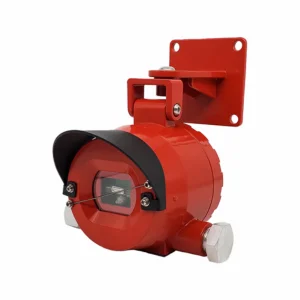
As a leading OEM Carbon Monoxide Detector Supplier, our role goes beyond raw assembly; we design, build, and deliver safety systems that protect lives. Modern industrial environments require multi-tier safety infrastructures where CO detection is seamlessly connected with intelligent gas safety shut-off systems, flame sensors, and localized exhaust ventilation control boxes. This comprehensive integration ensures that if toxic gas accumulates, immediate countermeasures are triggered at the hardware level, long before threshold limits endanger human life.

"Total industrial and municipal gas safety cannot rely on isolated warning signals. True safety lies in hardware and system integration, where gas detectors, smart valves, and central control panels form a responsive grid against invisible atmospheric threats."

Sensing Technologies: Physics of CO Detection & Sensor Integrity

Developing highly reliable CO detectors requires choosing the right sensor technology for specific ambient challenges. Our OEM factories utilize three main sensor architectures depending on the installation environment:

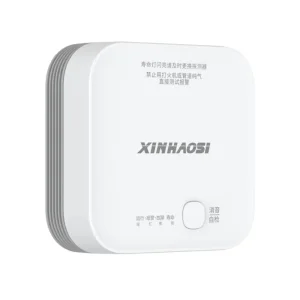
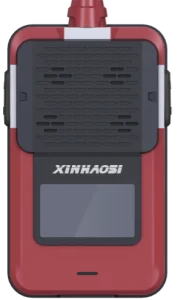
  • Electrochemical Cells: These sensors are the industry standard for toxic gas detection. They measure CO concentrations by oxidizing carbon monoxide at a sensing electrode, generating an electrical current directly proportional to the gas density. These cells offer high selectivity, excellent linear response, and low power requirements, making them ideal for residential detectors and portable devices (such as the XM314 Portable Detector).
  • Non-Dispersive Infrared (NDIR): Primarily configured for hydrocarbon gases and combustible materials, NDIR sensors target specific gas absorption wavelengths. By analyzing the reduction in infrared light intensity, they calculate precise gas volumes. In critical industrial applications, NDIR systems provide reliable monitoring with minimal drift and no risk of sensor poisoning.
  • Metal Oxide Semiconductor (MOS): These sensors feature a tin dioxide (SnO2) semiconductor layer that increases its electrical conductivity in the presence of reducing gases like CO. Known for their durability and fast response times, MOS sensors are ideal for heavy-duty industrial settings where environmental resilience is critical.

Macro Solutions & Systems: From Detection to Automatic Shut-Off

A comprehensive safety infrastructure must handle every step from detection to automated hazard mitigation. In commercial kitchens, multi-family residential complexes, boiler rooms, and underground parking structures, our integrated OEM solutions ensure seamless operation:

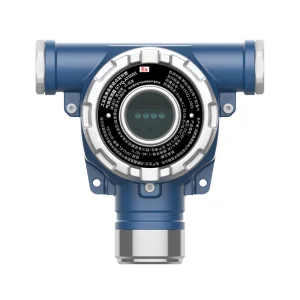
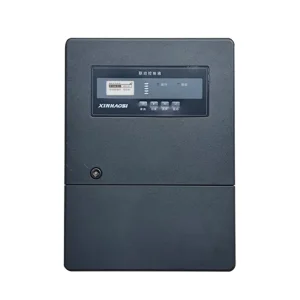
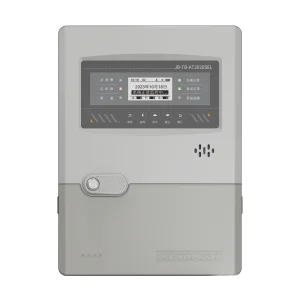
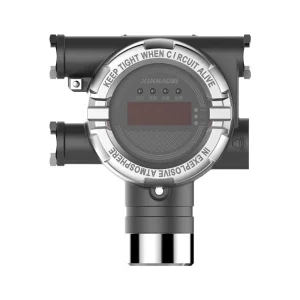
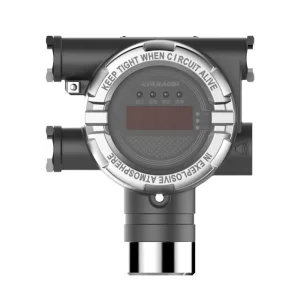
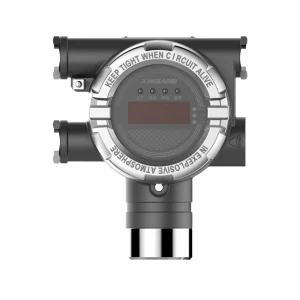
When an active gas leak or CO accumulation is detected by sensors like the JT-AT2008 series or industrial transmitters like the GTYQ-XP4000, they send a signal back to a central controller, such as the JB-TB-AT2020LH. This central controller serves as the primary system brain, managing alarm outputs, ventilation overrides, and emergency shut-off protocols.

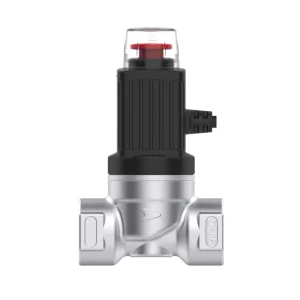
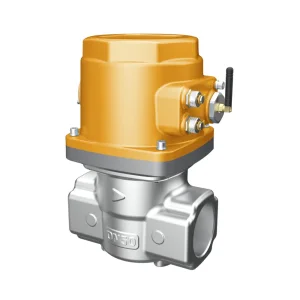
Simultaneously, the controller triggers a dedicated automatic control box (such as the JB-MK-AT2041X Interlock Control Box), which immediately cuts power to high-pressure gas feeds using heavy-duty solenoid valves (such as the Household Gas Solenoid Valve XF2 Series or Industrial Smart AI Gas Safety Valves). This rapid shut-off prevents gas buildup at the source, preventing potential explosions or toxic exposure.


Enterprise OEM Focus

Providing high-precision detection equipment and manufacturing capacities designed to meet international safety certifications and strict compliance standards.

2003 Established
SIL2 Safety Standard
100% OEM Tested
20+ Global Patents

Compliance Protocols

Our manufacturing and testing methodologies strictly comply with major regulatory standards globally:

  • EN 50291: Standard for electrical apparatus for the detection of carbon monoxide in domestic premises.
  • UL 2034: Standard for Safety Single and Multiple Station Carbon Monoxide Alarms.
  • ATEX / IECEx: Certification for equipment deployed in explosive atmospheres.
  • ISO 9001:2015: Total Quality Management system across our Chinese production facilities.

X Represents the Unknown Risks, X Represents the Next-Gen Safety Technology

Utilizing advanced electronic detection technology to make unknown gas leak risks clear, visible, and manageable

Industrial Protection

We provide durable, explosion-proof, and toxic gas detection devices designed for heavy industries, including petrochemical refining, smelting, and wastewater management. Our systems ensure continuous operation and occupant safety under harsh environmental conditions.

Urban & Smart City Networks

We supply advanced infrastructure gas sensors and controllers designed for municipal distribution, district heating utility pipelines, and dense commercial buildings. These technologies support modern IoT integrations for real-time monitoring and public safety.

Household Solutions

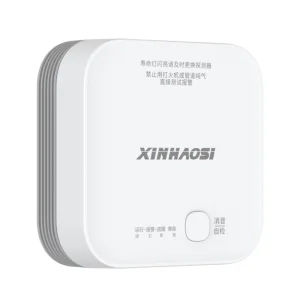
Our residential gas and carbon monoxide detectors offer reliable, consumer-friendly safety systems. They feature early-warning capabilities, simple integration with home alarms, and high sensitivity to prevent accidental exposures.

Xinhaosi Innovation

Founded in 2003: Shaping the Future of Gas Safety

Founded in 2003, Xinhaosi is one of the most influential and reliable brands in the gas safety industry. We provide customer-focused products and services to safeguard the operations of factories, the comfort of modern cities, and the peace of families globally.

Powered by advanced production systems and sensing technologies, we deliver intuitive and precise gas safety solutions. By making invisible gas dangers visible and manageable, we help create a safer, more secure future for industries and homes alike.

Xinhaosi Logo Icon Innovative Gas Safety Engineering

Technological Roadmap & Future Outlook

Leading the next generation of gas safety systems through smart diagnostics and multi-spectrum optical technologies

Phase 1

IoT Integration & Edge Diagnostics

Integrating Modbus, BACnet, and wireless LoRaWAN protocols directly into detector heads to allow real-time warning tracking and cloud-based drift monitoring.

Phase 2

Advanced Uncooled Infrared Sensing

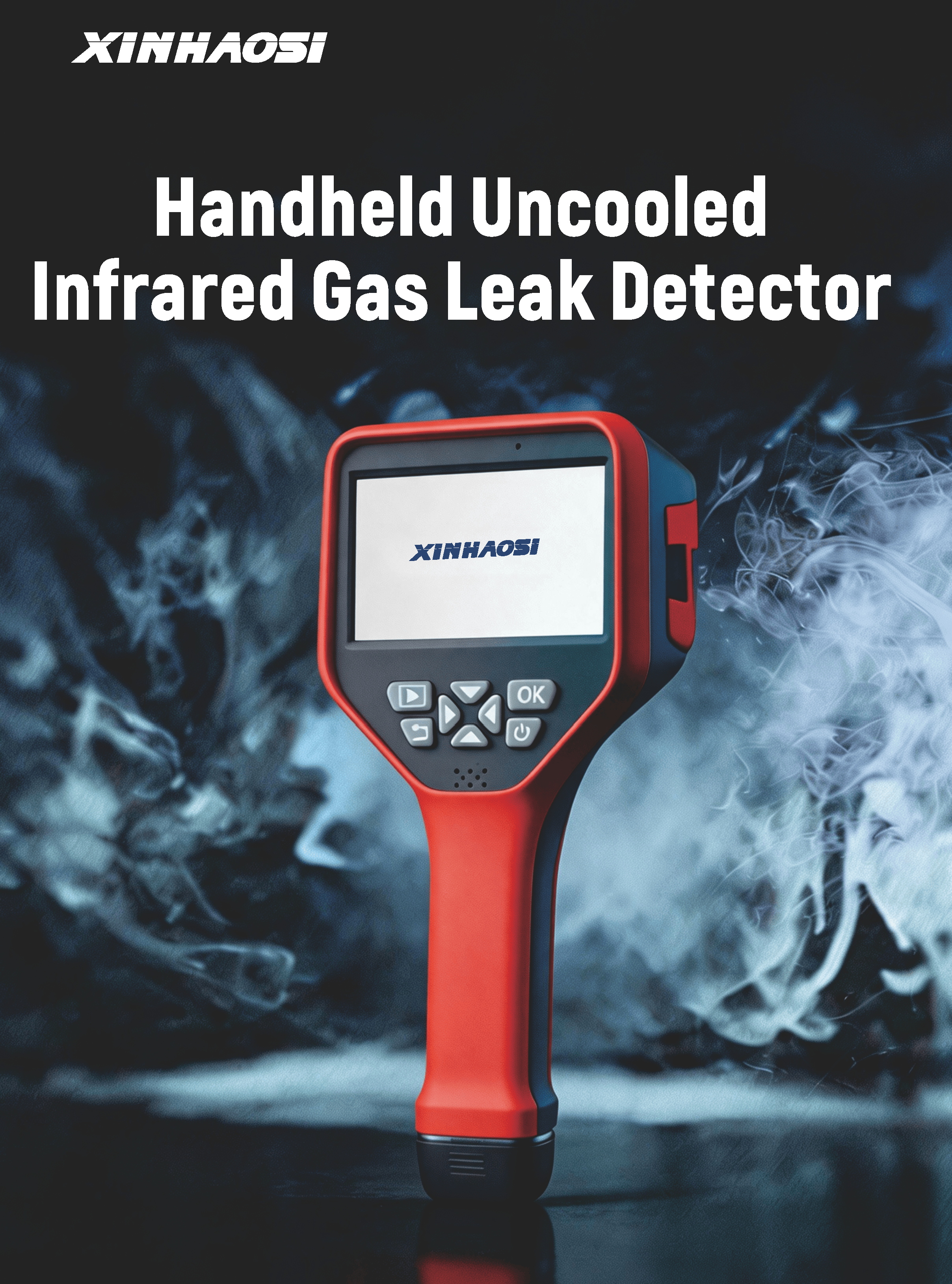
Deploying optical gas imaging (OGI) technology in handheld and fixed form factors to allow remote detection of methane and VOCs without direct sensor contact.

Phase 3

AI-Driven Predictive Safety Networks

Applying AI models on industrial safety controllers to analyze environmental patterns, optimize ventilation schedules, and identify sensor wear before failure occurs.

Our Global Industry Partners

Providing verified safety technology for top brands, industrial operators, and municipal projects worldwide

Partner
Partner
Partner
Partner
Partner
Partner
Partner
Partner
Partner
Partner
Partner
Partner

Latest Industry & Corporate Updates

Explore Xinhaosi's recent safety innovations, market developments, and global industry partnerships

Uncooled OGI leak detection camera launch
May 09, 2026

Xinhaosi Launches New Handheld Uncooled Infrared Gas Leak Detector

Xinhaosi Electronic Detection Technology Co., Ltd. officially launched its new Handheld Uncooled Infrared Gas Leak Detector, featuring dual-technology fusion, ultra-fast response, and long-distance non-contact detection to enhance safety and efficiency in petrochemical, refrigeration, natural gas and industrial safety scenarios.

Chengdu Cross-Border E-Commerce Expo 2026
May 08, 2026

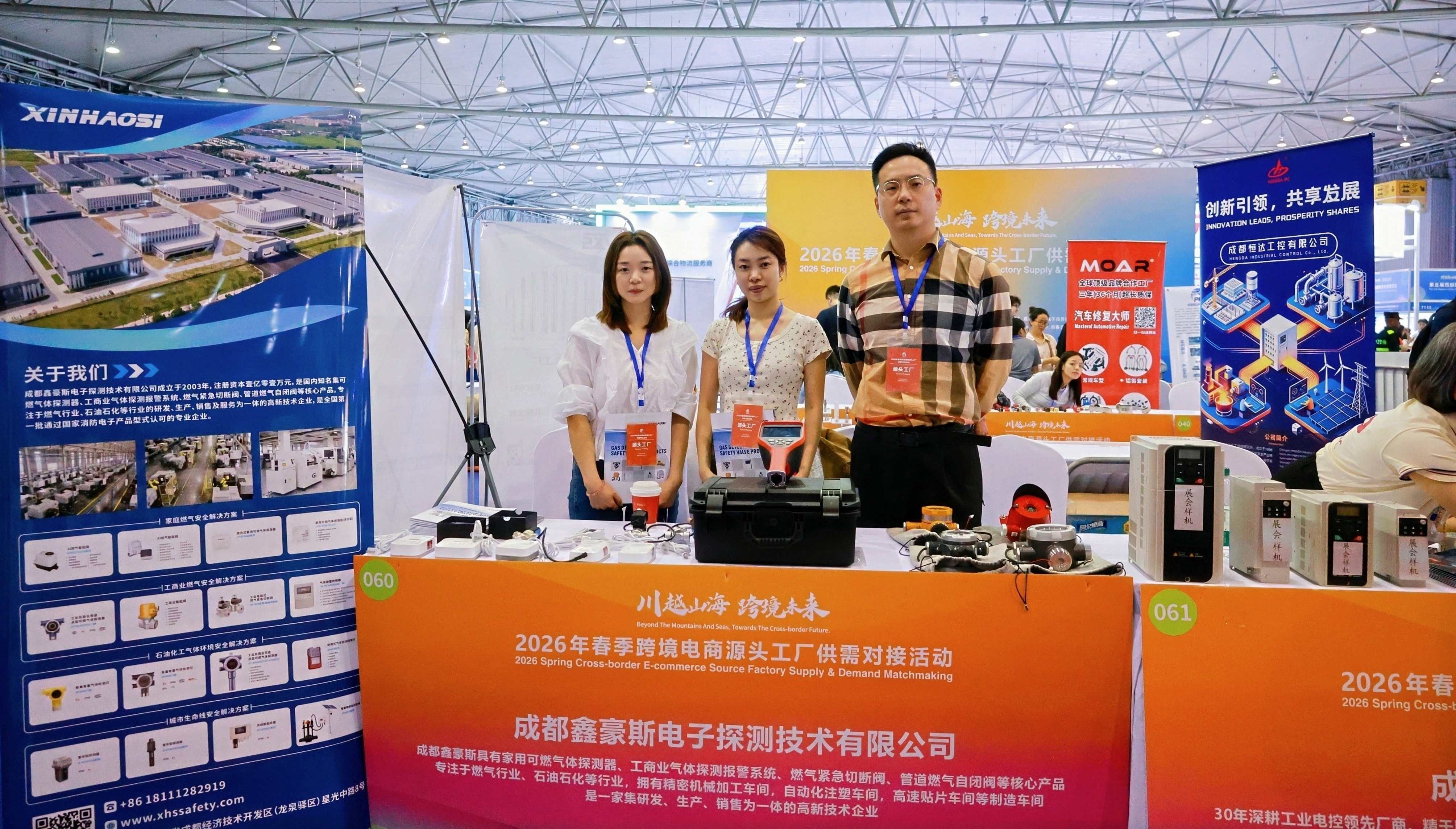
XINHAOSI Participates in the 5th Western China Expo

XINHAOSI recently participated in the 5th Western China Cross-Border E-Commerce Expo held in Chengdu. The event brought together cross-border e-commerce platforms, global buyers, manufacturers, and supply chain companies, creating new opportunities for international business cooperation and overseas market development.

Sichuan-Indonesia Industry Matchmaking event
May 08, 2026

XINHAOSI Participates in 2026 Sichuan - Indonesia Conference

XINHAOSI recently participated in the 2026 Sichuan (Chengdu) – Indonesia Industry Matchmaking Conference held in Chengdu. The event gathered enterprises and industry representatives from China and Indonesia to strengthen industrial cooperation and explore new business opportunities in Southeast Asia.

Expert Q&A: Carbon Monoxide & Gas Safety Engineering

Detailed technical answers for procurement directors, safety coordinators, and mechanical engineers

Q1: What are the primary differences between electrochemical and NDIR sensors in carbon monoxide detection?
Electrochemical sensors measure carbon monoxide through chemical oxidation, producing a current that directly reflects the gas concentration. They are highly sensitive, linear, and cost-effective, making them standard for toxic levels of CO. In contrast, Non-Dispersive Infrared (NDIR) sensors measure gas based on infrared absorption. While NDIR sensors are ideal for monitoring hydrocarbons and combustible gases over the long term without risk of sensor poisoning, electrochemical cells remain the standard choice for targeted Carbon Monoxide safety due to their high specificity and lower cost.
Q2: How does the interlock system work between gas detectors, control units, and solenoid safety valves?
The interlock system creates a complete automated defense grid. When a gas detector (such as the GTYQ-AT0505) identifies gas levels exceeding pre-set thresholds, it sends an electrical signal to the central controller (e.g., JB-TB-AT2020LH). The controller processes this data and triggers the JB-MK-AT2041X interlock box, which immediately shuts off power to the solenoid valve (like the XF2 series). This mechanical shutdown stops gas supply at the source within milliseconds, isolating the hazard area automatically.
Q3: Why is explosion-proof certification required for toxic gas detectors like CO?
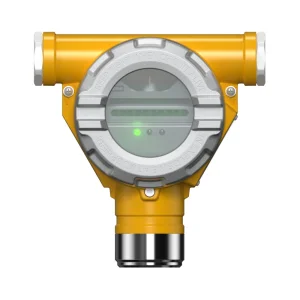
Explosion-proof certification (such as ATEX, IECEx, or China Ex) is critical because CO hazards often occur alongside combustible gases. In environments like mines, refineries, or manufacturing plants, any spark from internal electronics could trigger an explosion if flammable gases are present. Certified explosion-proof detectors are designed with flameproof enclosures that contain any internal spark or combustion, preventing it from igniting the surrounding atmosphere.
Q4: What customization options do Xinhaosi OEM factories offer for gas detection systems?
As an experienced OEM manufacturer, we offer extensive custom designs, including tailored PCB layout designs, custom enclosure options, specific sensor calibration, variable signal outputs (like 4-20mA, Modbus RTU, or BACnet), brand labeling, and custom housing colors. We also adapt system architectures to meet regional regulatory certifications (such as UL, CE, or EN standards) depending on the target market.