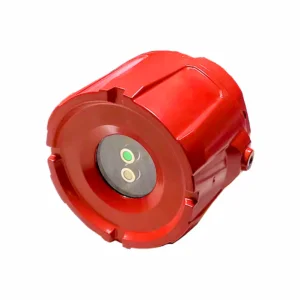
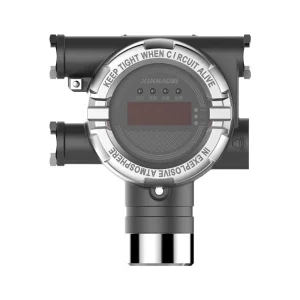
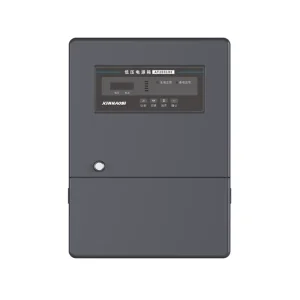
Explore our primary range of OEM gas controllers, intelligent transceivers, gateway modems, and flame sensors engineered to perform under extreme ambient conditions.
As heavy industry shifts toward decarbonization and strict regulatory compliance, the transition to alternative fuels like Propane (LPG) has accelerated. While propane offers a clean-burning profile, its high density relative to air makes it a persistent risk in low-lying structural zones. Global procurement managers struggle to find reliable partners who can balance cost efficiency, rugged hardware architectures, and immediate integration capabilities.
Under safety standards such as NFPA 58 (Liquefied Petroleum Gas Code) and regional ATEX directives, systems must operate under ultra-reliable parameters. Typical procurement requirements necessitate multi-signal interfaces (Modbus RTU, 4-20mA, HART protocol) alongside flexible OEM options. Standard shelf-life components often fail to withstand the temperature ranges required in regions like Northern Europe, Canada, or the Middle East. Specialized, certified manufacturing platforms are critical to bridge the safety gap.
Founded in 2003, Xinhaosi Electronic Detection Technology Co., Ltd. has developed state-of-the-art sensory technologies designed to convert unseen threats into actionable data. We secure critical infrastructure, urban networks, and commercial developments worldwide.
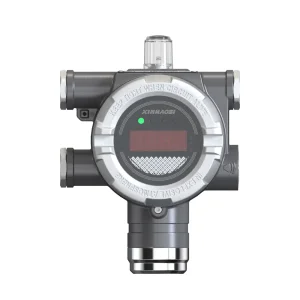
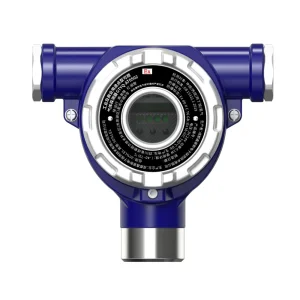
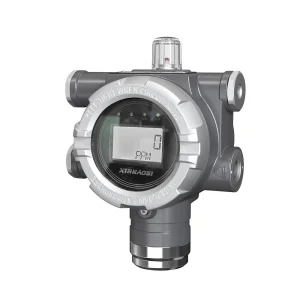
Our propane detectors integrate high-performance Catalytic Combustion elements and Non-Dispersive Infrared (NDIR) sensors. NDIR technology offers immunity to chemical poisoning, significantly extending operational life cycle in high-corrosive environments like chemical plants and refinery facilities.
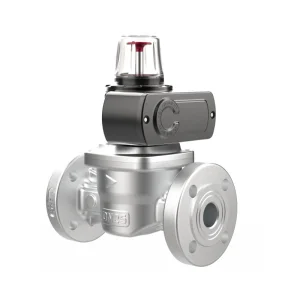
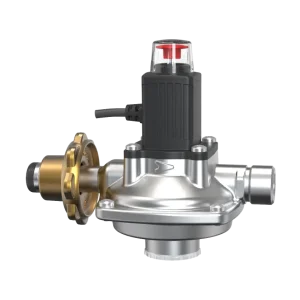
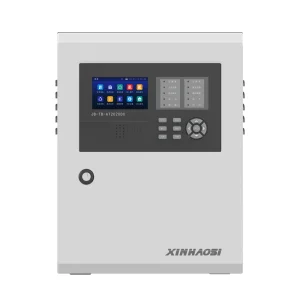
We supply modular safety loop controls. Upon gas leak discovery, the JB-MK-AT2041 control panel instantaneously switches relays to actuate BT-XF5 industrial solenoid valves, stopping combustible gas flows at the source, preventing escalation of events.
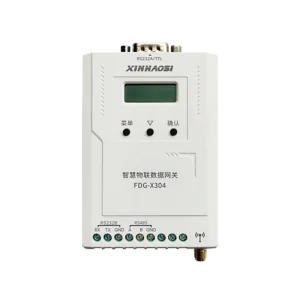
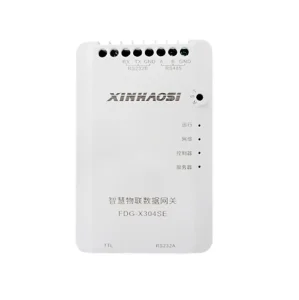
Utilizing our FDG-X304 Modbus and LoRaWAN smart data gateways, remote facilities can stream gas concentration profiles, calibration status, and diagnostic alarms directly to cloud environments or local SCADA networks for predictive site management.
As industrial sites scale, relying on localized acoustic buzzers is no longer sufficient. Contemporary safety regulations require integrated telemetry loops. Xinhaosi is actively researching AI-enabled analytics models directly on the edge hardware. Through integrated firmware algorithm optimizations, our systems learn historical baseline fluctuations, reducing false alarms driven by industrial solvents like ethanol or IPA (Isopropyl Alcohol).
Furthermore, local safety systems must now interface with the global Smart City networks. Our latest development pipeline incorporates cellular NB-IoT and Cat-M1 interfaces into low-power sensor housings. This allows remote municipal pipeline monitoring nodes to run autonomously for up to 5 years without battery replacement, ensuring long-term low OPEX for municipal gas agencies.

Detection Systems - Safety First from Precision Sensing
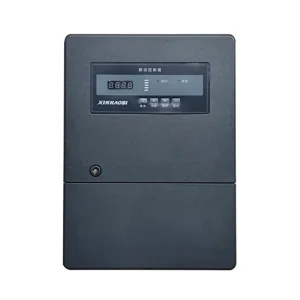
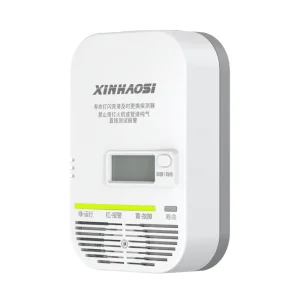
Gas Detectors - Home Safety from Gas Monitoring
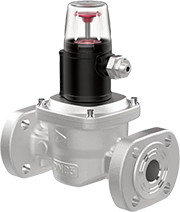
Gas Solenoid Valves - Protecting from the Source
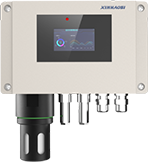
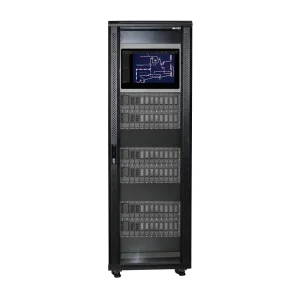
Distribution & Monitoring - Smart Sensing for Urban Gas

Navigating varying regional compliance standards can be complex for global logistics departments. Our production lines feature automated laser calibration rigs, maintaining zero environmental deviancy during sensor initialization. Each OEM propane sensor leaves our facility calibrated to cross-checked specifications of methane, butane, and propane standard mixtures.
Our engineering services accommodate custom requirements for enclosure markings (Class I Div 1 for North America, ATEX Zone 1/21 for Europe, IECEx for global markets). By collaborating directly with international testing labs like TUV, DNV, and Intertek, Xinhaosi dramatically shortens custom product development cycles from proposal to certified field readiness.












Crucial answers regarding calibration, mounting guidelines, safety compliance, and interface standards for engineering procurement.
Unlike natural gas (methane), which is lighter than air, propane is heavier. Propane has a relative density of approximately 1.55 relative to dry air. Propane gas leaks tend to settle at the lowest points. Detectors must be mounted close to the floor (typically 0.3 meters to 1.0 meter above the floor) near areas prone to leaks (valves, connections, storage containers) to ensure immediate detection before accumulation occurs.
Catalytic bead sensors detect propane through oxidation, offering a cost-effective and reliable solution. However, they are susceptible to chemical poisoning from silicones, lead, and sulfur. In contrast, Non-Dispersive Infrared (NDIR) sensors measure infrared absorption spectra, meaning they do not require oxygen to function, are immune to poisoning agents, and typically offer a longer lifespan (often exceeding 8 years in clean environments) with reduced calibration requirements.
Our industrial ranges support multi-channel signal routing. Typical outputs include linear 4-20mA analog currents, RS485 digital loops using Modbus RTU standards, dry contact relays for external alarms or solenoid valve shutdowns, and wireless protocols (HART, LoRaWAN, and ZigBee configurations via our FDG-X304 Gateway products).
Our GTYQ series explosion-proof combustible gas detectors are engineered for fast response times. In standard test conditions, the T90 response time is less than 30 seconds. This fast response enables automatic interlock boxes to isolate pipelines before the ambient gas concentration reaches the Lower Explosive Limit (LEL).
Yes. As a leading manufacturer with deep vertical integration, we provide custom board-level designs, firmware customization (changing alarm thresholds, custom telemetry protocols), and physical enclosure customizations (including private label casting, custom color powder coating, and specific thread options like NPT 1/2 or M20).
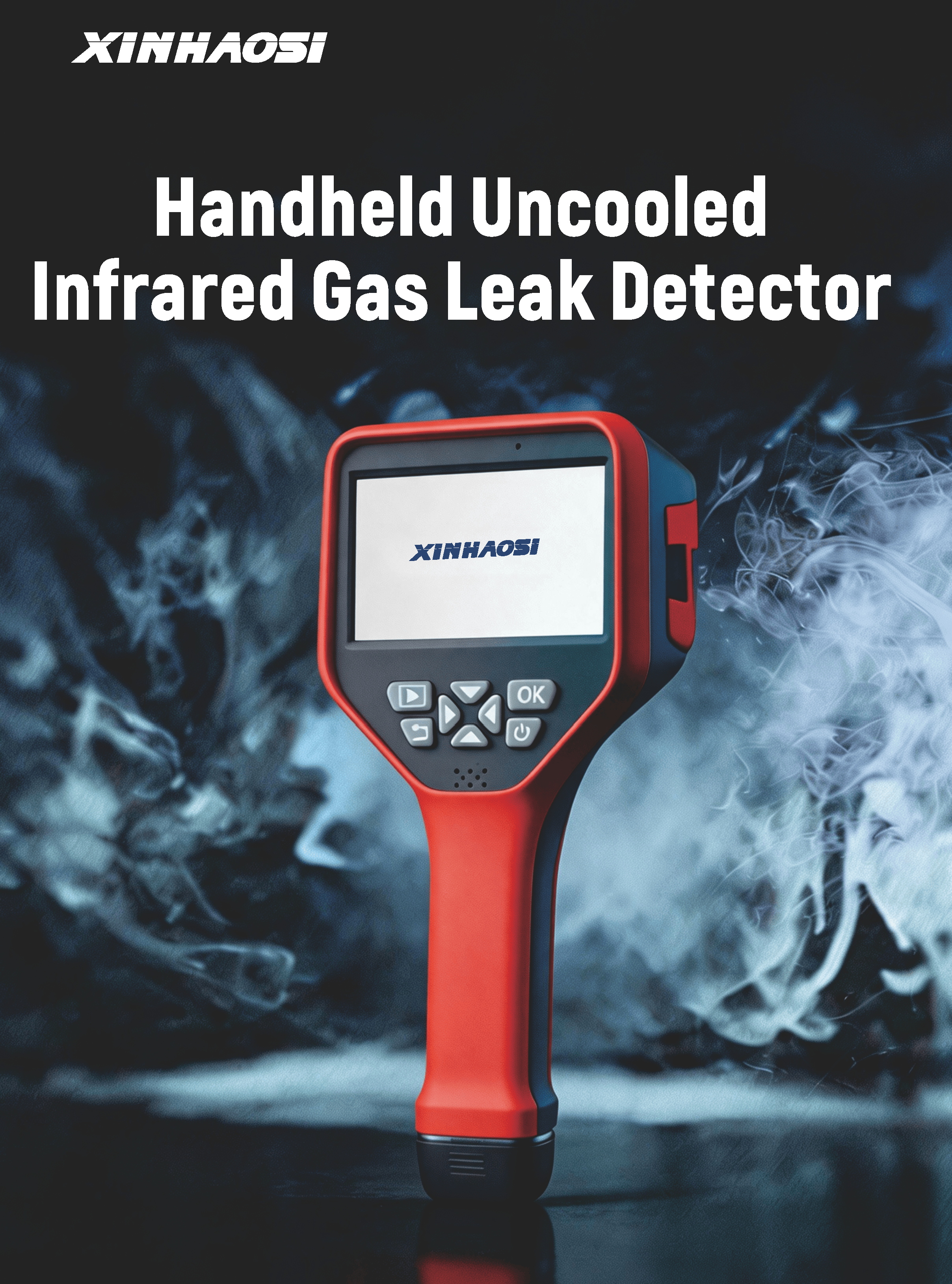
Officially launched its new Handheld Uncooled Infrared Gas Leak Detector, featuring dual-technology fusion, ultra-fast response, and long-distance non-contact detection to enhance safety and efficiency in petrochemical, refrigeration, natural gas and industrial safety scenarios.
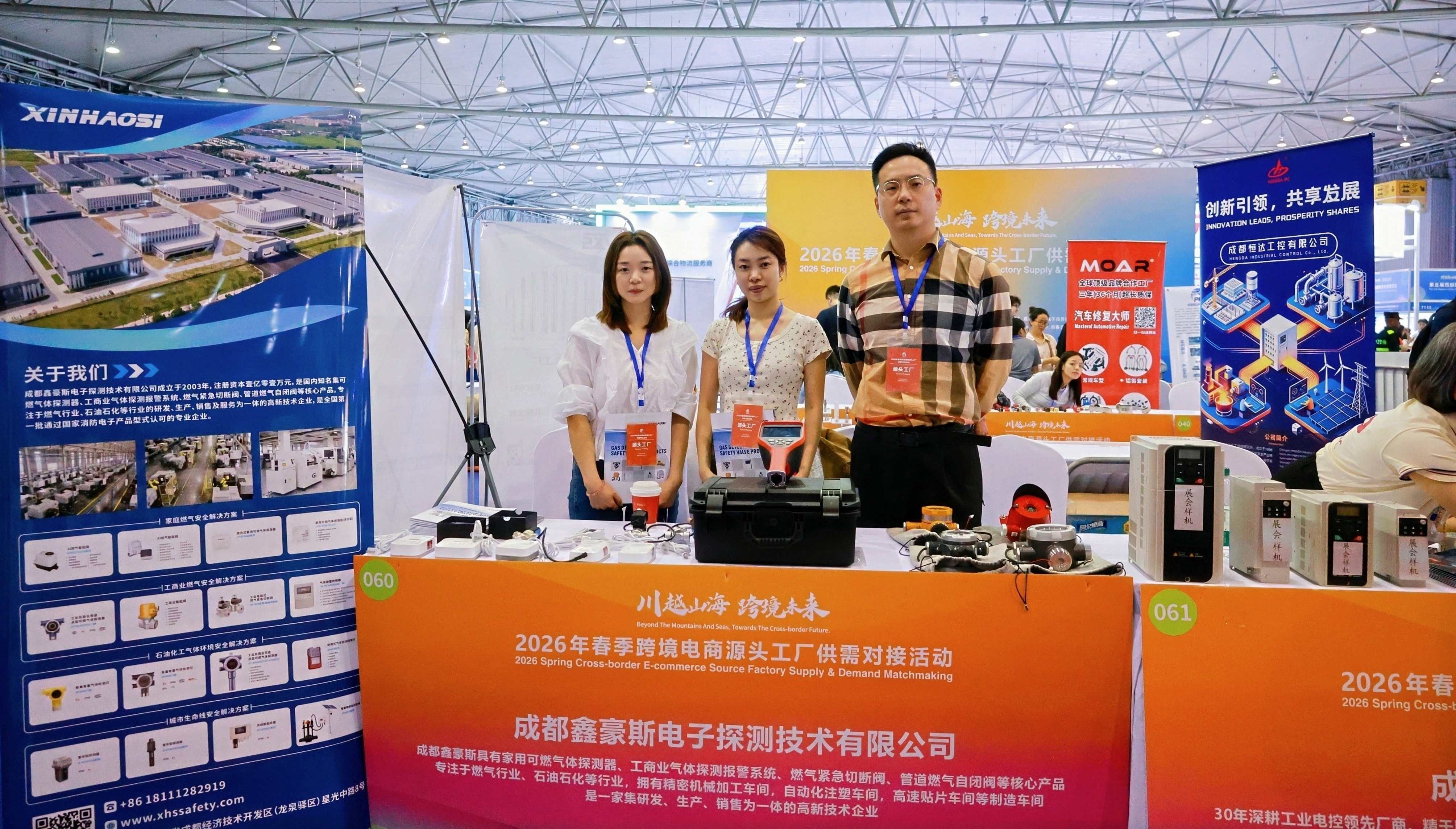
Recently participated in the 5th Western China Cross-Border E-Commerce Expo held in Chengdu. The event brought together cross-border e-commerce platforms, global buyers, manufacturers, and supply chain companies, creating new opportunities for international business cooperation.

Participated in the 2026 Sichuan (Chengdu) – Indonesia Industry Matchmaking Conference. The event gathered enterprises and industry representatives from China and Indonesia to strengthen industrial cooperation and explore new business opportunities in Southeast Asia.
Explore our critical interlock infrastructure components, regulators, and high-safety valves required for integrated industrial safety frameworks.