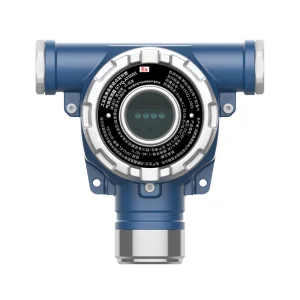
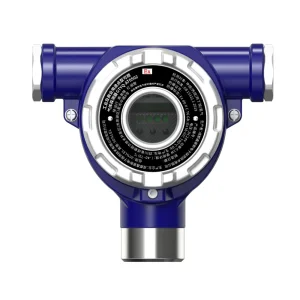
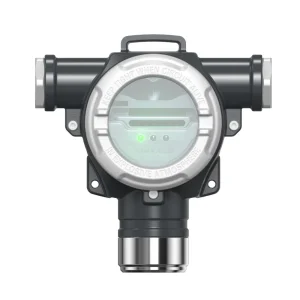
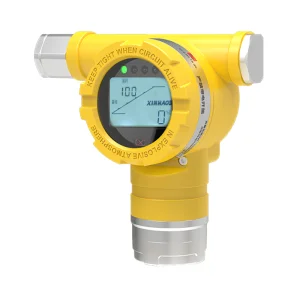
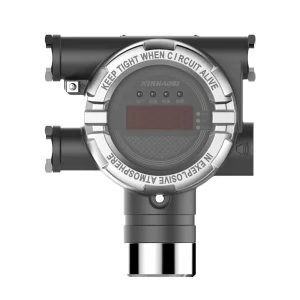
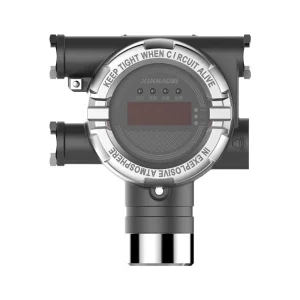
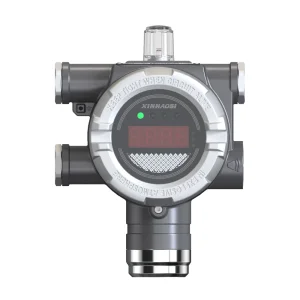
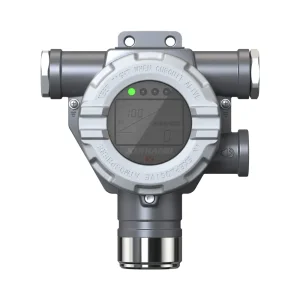
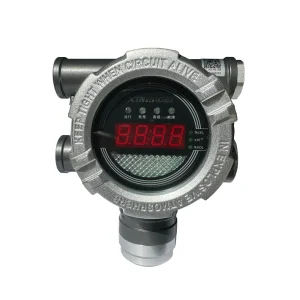
Fixed-type Gas Detector Manufacturer & Factories for the Nagoya Market

Industrial-Grade Gas Detection Systems and Explosion-Proof Safety Monitoring for Aichi Prefecture Heavy Industries

20+
Years Experience
100+
Global Markets
50k+
Installs Worldwide
JIS & CE
Compliant Standards

Whitepaper: Next-Generation Fixed-type Gas Detection in Nagoya's Industrial Framework

The Nagoya Metropolitan Area, as the epicenter of Japan's Chukyo Industrial Zone, commands a leading role in global automotive manufacturing, heavy chemical processing, aerospace engineering, and iron metallurgy. With high industrial concentration comes the critical need for advanced safety barriers. For factories operating within Aichi Prefecture, the management of flammable gases, volatile organic compounds (VOCs), and toxic emissions is not only a regulatory mandate but also a pillar of operational resilience. Modern fixed-type gas detection is undergoing a profound paradigm shift, evolving from simple local alarms to networked, intelligent safety matrices integrated with industrial control systems (ICS) and predictive maintenance protocols.

Nagoya’s Localized Industrial Context & Gas Safety Challenges

The Tokai region’s industrial complex demands gas detection architectures that withstand severe operational stress:

  • Automotive Paint & Battery Assembly: Nagoya’s extensive automotive network utilizes volatile organic solvents. Furthermore, the massive surge in battery assembly centers introduces risks of thermal runaway, requiring ultra-fast detection of carbon monoxide (CO), hydrogen ($H_2$), and volatile carbonates.
  • Maritime & Petrochemical Port Operations: Nagoya Port, handling millions of tons of energy shipments annually, requires robust explosion-proof (Ex d) gas detectors optimized for seaside conditions. Salt spray, high humidity, and extreme temperatures demand housing materials with exceptional anti-corrosive properties, such as marine-grade aluminum alloys or SUS316 stainless steel.
  • Aerospace Curing & Composites: With major aerospace hubs in the area, precision monitoring of curing autoclaves and specialty gas lines (such as helium and nitrogen purging systems) prevents structural oxygen deficiency and trace chemical leaks.

Global Gas Sensing Technological Paradigms

Across the globe, safety standards (such as IECEx, ATEX, and Japan's local High Pressure Gas Safety Act and Fire Service Act) dictate the performance thresholds of fixed gas transmitters. The technological roadmap focuses on increasing selectivity and reducing sensor drift. In the past, industrial plants suffered from false alarms caused by cross-sensitivity. Today, non-dispersive infrared (NDIR) and photoionization detection (PID) technologies have matured to offer targeted compound detection. Laser-based systems like Tunable Diode Laser Absorption Spectroscopy (TDLAS) are also gaining ground, offering path-monitoring capabilities for pipeline systems and open-path petrochemical applications.

Technological Roadmap and Material Durability

Standard gas transmitters often degrade in harsh environments. To ensure high reliability, next-generation fixed gas detectors integrate:

  1. Sensor Poisoning Prevention: Catalytic bead sensors optimized with filter layers to resist silicone and halogen poisoning, extending lifetimes beyond 5 years.
  2. Smart Calibration Profiles: Temperature and humidity-compensated digital algorithms that adapt in real time to the changing maritime environment of coastal Nagoya.
  3. Intelligent Outputs: Integration of classic 4-20mA analog loops alongside digital protocols like Modbus RTU, HART, and wireless industrial networks (ISA100.11a/WirelessHART) to support predictive maintenance dashboards.

Core Solutions

Custom engineering for Japanese heavy industrial sectors:

  • Explosion-Proof Certification: Ex d IIC T6 Gb compliant for Zone 1 and Zone 2 hazardous areas.
  • Intelligent Diagnostics: Continuous optical, electrical, and sensor-health self-tests.
  • JIS Standard Conformity: Calibrated and adjusted to match Japanese industrial monitoring codes.
  • Dual Gas Capabilities: Integrated models detecting both toxic compounds and oxygen levels simultaneously.
Corporate Note: Established in 2003, Xinhaosi remains dedicated to pushing gas sensing innovation. We partner with leaders in heavy industry to ensure zero-harm work environments.

Electrochemical Sensors

Highly selective detection of toxic gases ($CO$, $H_2S$, $NH_3$, $O_2$) utilizing micro-fuel cell technology for precise low-ppm readouts.

Catalytic & NDIR Sensors

Robust LEL range combustible gas detection. Infrared technology offers poison-resistant monitoring without oxygen requirements.

Photoionization (PID)

Broadband detection of Volatile Organic Compounds (VOCs) down to ppb levels, ideal for paint shops and chemical processing plants.

Our Specialized Solutions & Segments

Ensuring End-to-End Safety Across Urban Utilities, Heavy Industries, and Smart Infrastructures
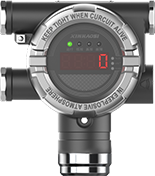
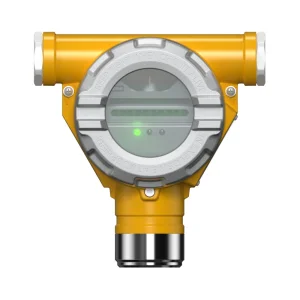
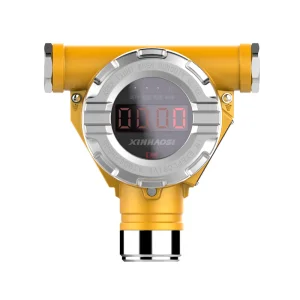
Industrial Gas & Flame Detection Systems

Industrial Gas & Flame

Detection Systems - Precision Sensing for Chukyo Industrial Sites

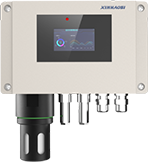
Household & Commercial Gas Detectors

Household & Commercial

Gas Detectors - Safety Monitoring for Smart Homes & Commercial Spaces

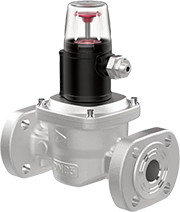
Industrial & Household Gas Solenoid Valves

Gas Solenoid Valves

Protecting the Line directly from the Gas Pipeline Source

Urban Gas Distribution & Monitoring

Urban Gas Systems

Smart Sensing Infrastructure for Nagoya Urban Gas Networks

Factory Operations
Advanced Testing Equipment
Calibration Lab

X Represents the Unknown Risks, X Represents the Next-Gen Safety Technology

Future Ready Safety Solutions

Founded in 2003, Xinhaosi has established itself as one of the most influential and trusted brands in the gas safety industry. We provide client-focused products and systems to secure the operational continuity of heavy factories, the reliability of municipal gas grids, and the safety of commercial and residential environments. Fueled by cutting‑edge production systems and rigorous quality verification, we deliver state-of-the-art gas safety solutions to safeguard a rapidly changing industrial world.

By implementing advanced electronic detection platforms, we render unknown hazard zones completely visible, helping risk managers proactively protect people and valuable physical assets.


Xinhaosi Advanced Technology
X Safety Mark

End-to-End Solutions for Total Industrial Safety

Integrating detection, alarm reporting, and automated solenoid shut-off systems into a single responsive network. Shaping safety through smart analytics.

Empowered by Sensing Technology

Full-chain integration allows our gas transmitters to communicate directly with DCS and PLC architectures via standard analog and digital fieldbus networks. Our intelligent control systems react in milliseconds to isolate leaks using automated shut-off solenoid valves before gas levels approach dangerous LEL thresholds.

Consult Our Solutions Team

Our Global & Domestic Partners

Reliable operations trusted by leaders across diverse industries

News & Industry Breakthroughs

Stay updated with technological advancements from Xinhaosi and global safety regulations
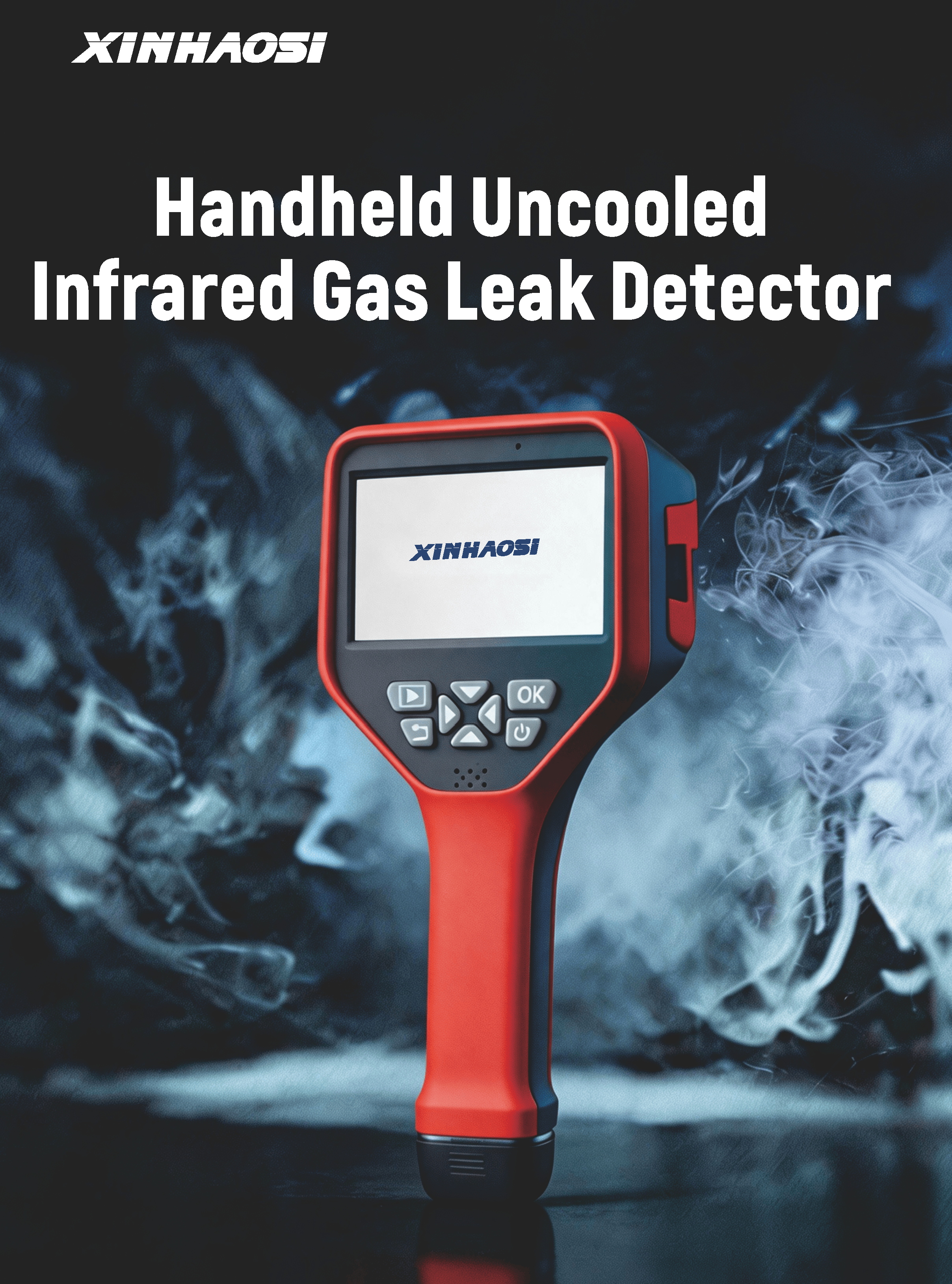
Xinhaosi Launches New Handheld Uncooled Infrared Gas Leak Detector

Xinhaosi Launches New Handheld Uncooled Infrared Gas Leak Detector

Our research division has announced the official launch of the Handheld Uncooled Infrared Gas Leak Detector. Incorporating dual-technology optical fusion, this device provides rapid, long-distance non-contact detection across chemical plants, cold-chain refrigeration facilities, and city gas systems.
May 09, 2026
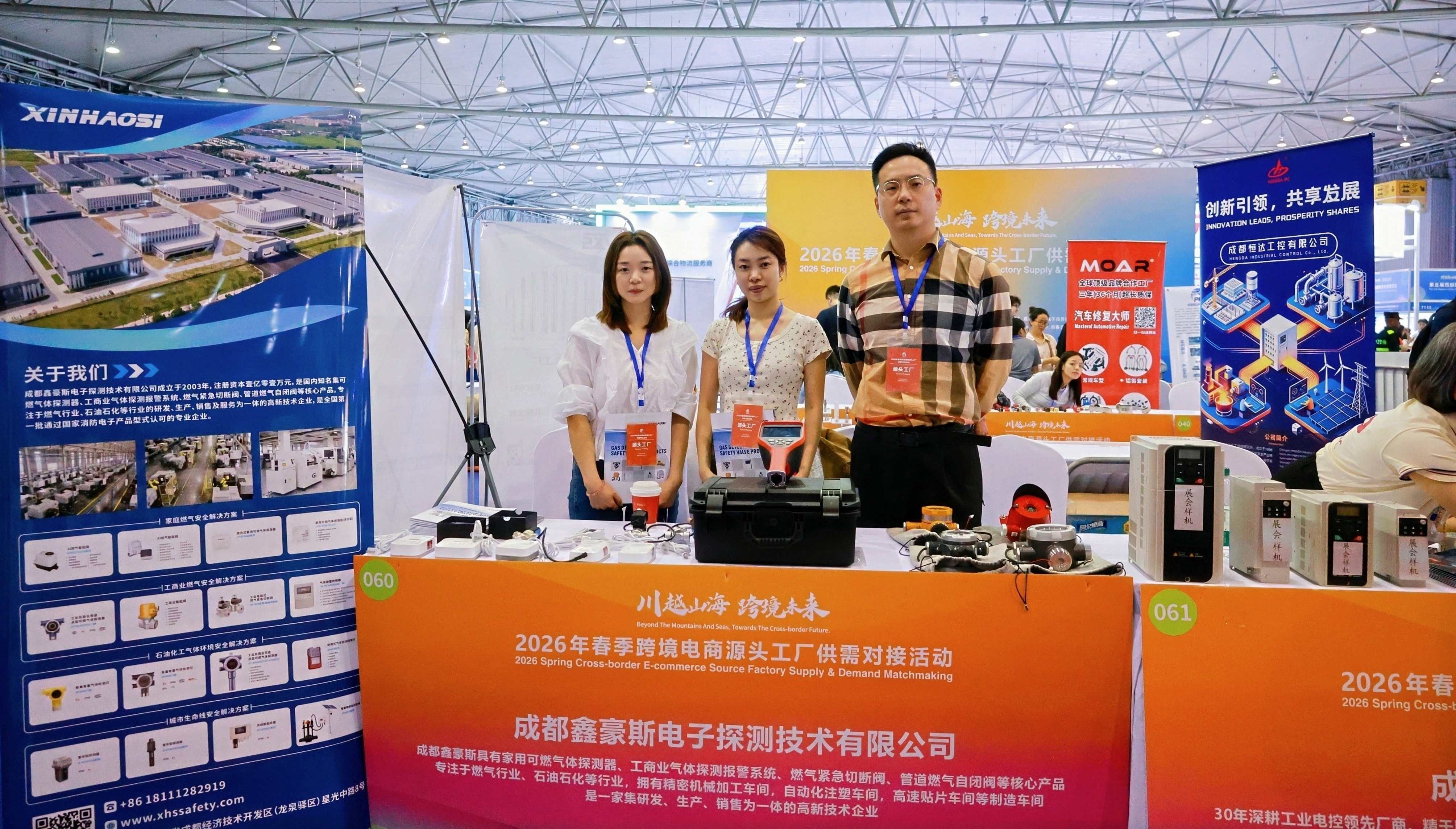
XINHAOSI Participates in Cross-Border E-Commerce Expo

XINHAOSI Participates in the 5th Western China Cross-Border E-Commerce Expo

Highlighting our expanding global logistics and supply chain networks, Xinhaosi participated in this major expo in Chengdu. Engaging with global buyers and engineering partners, we reinforced our export strategies for the APAC and European industrial markets.

May 08, 2026
XINHAOSI Participates in Sichuan-Indonesia Industry Conference

XINHAOSI Participates in 2026 Sichuan – Indonesia Industry Matchmaking Conference

Xinhaosi met with representatives from Southeast Asia to establish long-term safe infrastructure plans, introducing certified explosion-proof gas detectors to emerging chemical and petrochemical storage complexes in Indonesia.

May 08, 2026

Frequently Asked Questions

Essential Answers Regarding Certification, Applications, and Installation in Nagoya's Heavy Industrial Zones

1. What certifications do your fixed-type gas detectors have for Japanese industries?
Our industrial fixed gas detectors comply with major international directives (ATEX, IECEx) and conform to Japanese technical requirements, including standards set by the High Pressure Gas Safety Act and domestic Fire Service ordinances.
2. How do automotive paint booths in Aichi select the correct sensors for VOCs?
For paint shops in Nagoya's automotive hubs, we recommend Photoionization Detection (PID) transmitters or specialized NDIR sensors. These provide rapid detection of volatile solvent mixtures without the risk of sensor poisoning common to catalytic bead models.
3. What is the typical lifespan of your electrochemical gas sensors?
Under typical operating conditions, our electrochemical sensors last between 2 and 3 years, while our NDIR sensors offer an operational lifetime of 5 years or more, requiring minimal maintenance.
4. Can your detectors operate in high-humidity coastal environments like Nagoya Port?
Yes. Our marine-grade transmitters feature aluminum or stainless steel SUS316 housings with epoxy coating and IP66/IP67 ingress ratings to withstand salt fog, rain, and humidity.
5. What signal output protocols are supported by your transmitters?
We offer versatile options: standard 3-wire 4-20mA analog output, RS485 Modbus RTU, and relays for direct alarm triggers. Smart configurations also support HART and industrial wireless networks.
6. What is the difference between catalytic bead and NDIR sensing for LEL?
Catalytic bead sensors are cost-effective and detect a wide variety of flammable gases, but require oxygen and can be poisoned by silicones. NDIR sensors are highly robust, do not require oxygen, and are immune to poisoning, though they cannot detect hydrogen.
7. How often is calibration required for fixed gas transmitters?
We suggest calibrating fixed transmitters every 6 to 12 months, depending on the environment, to maintain accuracy and check sensor response.
8. Do you support gas monitoring systems integration?
Yes, our design team works directly with engineers to integrate gas transmitters, alarm panels, and automated shut-off solenoid valves into industrial control networks.
9. What safety measures are needed for lithium-ion battery production?
During battery cell manufacturing, monitoring for hydrogen ($H_2$) and carbon monoxide ($CO$) is essential to detect early-stage thermal runaway. We recommend multi-point fixed systems equipped with rapid response electrochemical cells.
10. How can we request custom OEM/ODM solutions for specific industrial plants?
Contact our sales and engineering support teams directly through our official inquiry page. We provide tailored modifications to housing design, sensor ranges, and communications interfaces.

Protect Your Facilities with Advanced Sensing Systems

Contact Xinhaosi today to speak with an engineering specialist. Get a comprehensive site assessment and customized quote designed specifically for your facilities in the Nagoya industrial market.

Send Inquiry Now