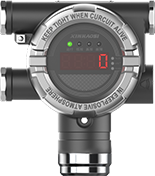
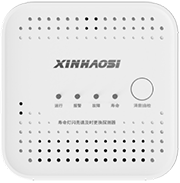
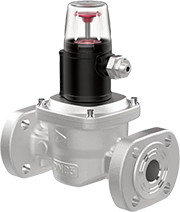
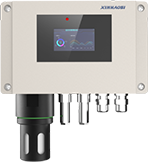
Engineered for harsh industrial environments, these fixed gas detectors provide robust monitoring solutions for Kenyan factories and manufacturing facilities.
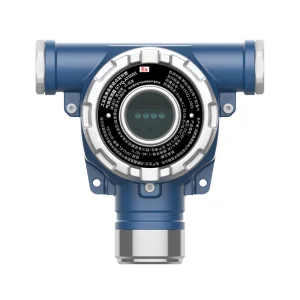
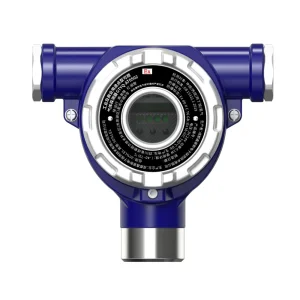
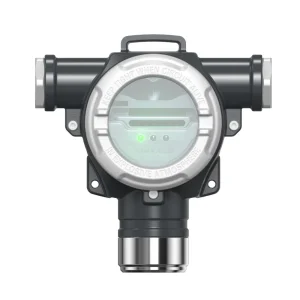
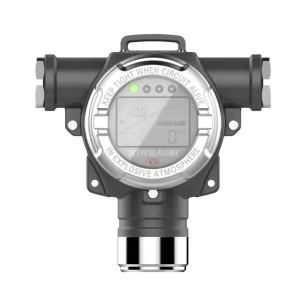
Kenya is rapidly modernizing its industrial sector, aligned with the Kenya Vision 2030 development blueprint. Key manufacturing hubs in Nairobi, Mombasa, Kisumu, and Eldoret are scaling production capacity. However, this industrial growth brings major compliance obligations. Under the Occupational Safety and Health Act (OSHA, 2007), the Directorate of Occupational Safety and Health Services (DOSHS) mandates strict protocols for workplaces dealing with hazardous processes.
Fixed-type gas detectors are no longer optional additions—they are critical, audited safety requirements. Facilities handling liquefied petroleum gas (LPG), ammonia, hydrogen sulfide, carbon dioxide, and various volatile organic compounds (VOCs) are legally obliged to deploy reliable fixed gas monitoring systems. These installations ensure real-time sensing, early warning alarms, and automatic shut-off triggers via solenoid valves, preventing catastrophic events.

From the Geothermal fields of Naivasha to the chemical warehouses of Mombasa, our fixed gas detectors are designed for Kenya’s exact climatic and operational realities.
Geothermal power generates over 40% of Kenya’s electricity. Geothermal drilling and processing emit high levels of toxic Hydrogen Sulfide (H2S) and Carbon Dioxide (CO2). Our ATEX zone-certified fixed detectors monitor these gases in harsh, humid, high-temperature geothermal wells and turbine rooms, preventing worker exposure.
With Mombasa serving as the entry port for LPG in East Africa, large bottling plants require robust explosion-proof combustible gas detectors. Units such as the GTYQ-AT0501 monitor for leaks at the flanges, pump seals, and loading bays, instantly linking to local DCS and emergency shut-off valves.
Naivasha is the heart of Kenya's multi-million-dollar flower export industry. Greenhouses require tight control of CO2 dosing to optimize crop yields. Simultaneously, worker safety requires continuous oxygen monitoring in enclosed cultivation and cold storage rooms using the AT0602 Series detectors.

Founded in 2003, Xinhaosi has spent over two decades developing advanced electronic detection technologies that translate invisible, hazardous gas hazards into clear, actionable data points. As a manufacturer trusted globally, we design systems that operate under the most challenging physical demands.
Our focus extends beyond standard sensor manufacturing. We customize fixed-type gas detection units with diverse communication protocols (4-20mA, RS485 Modbus, and wireless LoRa/cellular options) to ensure that whether you are operating a brewery in Nairobi or a cement factory in Athi River, safety is integrated, responsive, and robust.
Our hardware roadmap focuses on long-life sensing elements, wireless field connectivity, and multi-sensor configurations.
For combustible gases (LEL), we deploy high-accuracy catalytic bead sensors and Non-Dispersive Infrared (NDIR) sensors. NDIR sensors are highly recommended for applications where catalytic sensors are prone to poisoning, such as in plants with trace silicones or organic compounds. Toxic gas sensing relies on high-resolution electrochemical cells with quick response times (T90 < 30 seconds).
Traditional field calibration of fixed units can be labor-intensive, particularly in elevated industrial structures. Our future roadmap integrates pre-calibrated smart sensor cartridges. This allows local engineers in Kenya to replace sensor modules without needing to perform complicated field gas calibrations, minimizing downtime and maintaining exact records for DOSHS inspections.
Modern plants demand data integration. Our current line supports standard analog 3-wire 4-20mA and digital RS485 Modbus outputs. New models are moving toward wireless networks, incorporating cellular IoT (NB-IoT/LTE-M) modules. This enables remote, agricultural, and decentralized installations—such as remote water treatment plants or distant tea factories—to send real-time warnings directly to central monitoring centers in Nairobi.
Years of R&D Experience
Countries Supplied Worldwide
Active Installations Globally
Functional Safety Standard
Sourcing your fixed gas detectors from our China production facilities guarantees a robust balance of cost efficiency, strict quality controls, and swift logistics. Because we own the manufacturing loop—from PCB design to final sensor assembly and explosion-proof casting testing—we bypass middle-tier markups, translating into direct savings for industrial buyers in East Africa.
Our strategic manufacturing base allows us to fulfill orders of any scale, from a single unit replacement to multi-point refinery projects. Furthermore, our logistics team coordinates closely with sea and air freight forwarders operating route channels to Mombasa Port and Jomo Kenyatta International Airport (JKIA), ensuring fast delivery timelines and hassle-free customs clearances.
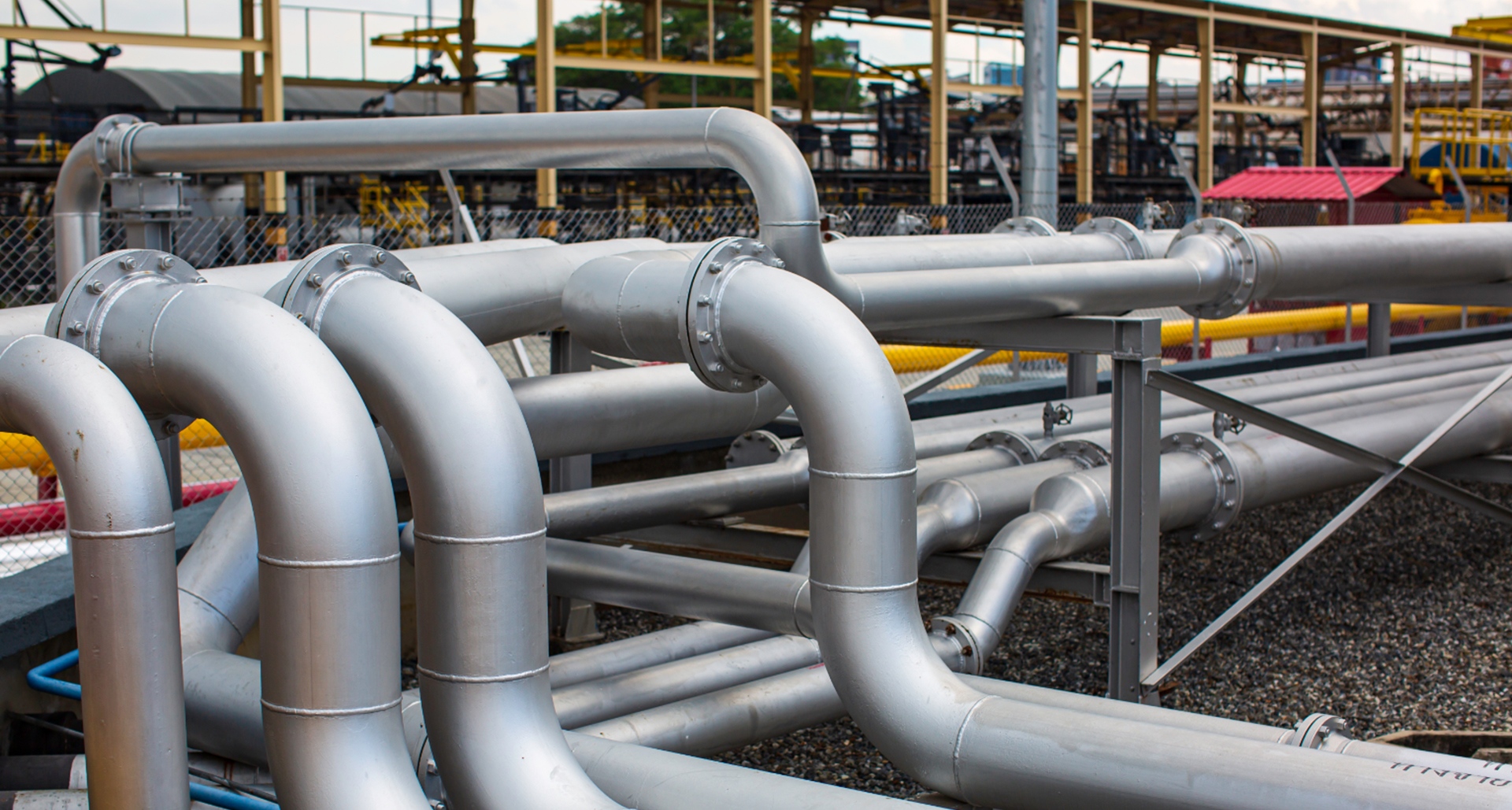
Our systems are integrated and approved by engineering procurement teams and safety officers worldwide.
























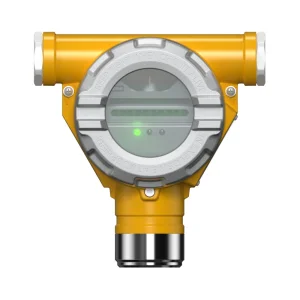
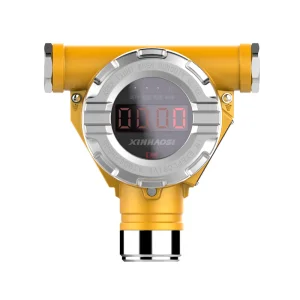
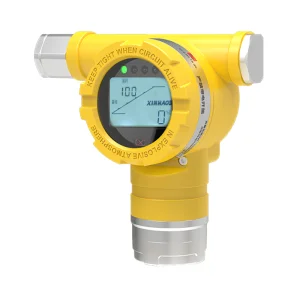
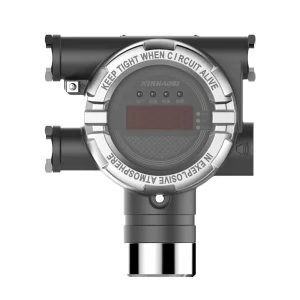
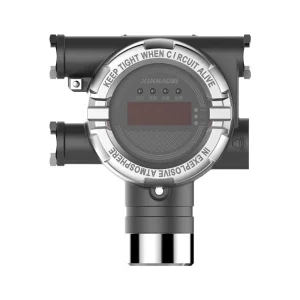
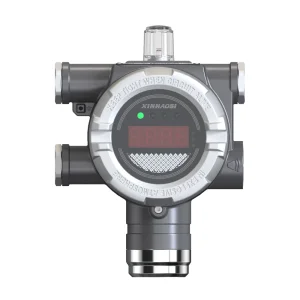
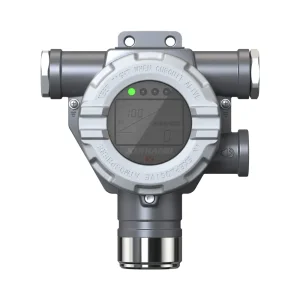
Explore our extensive range of high-precision combustible and toxic gas detectors for targeted industrial protection.
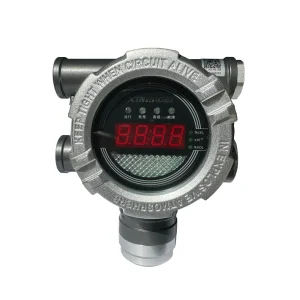
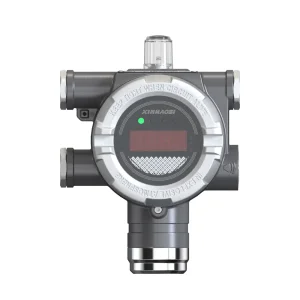
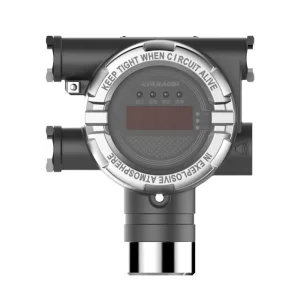
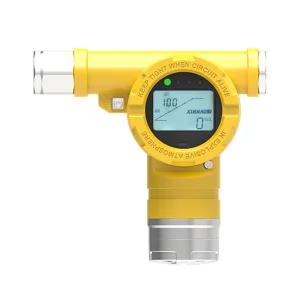
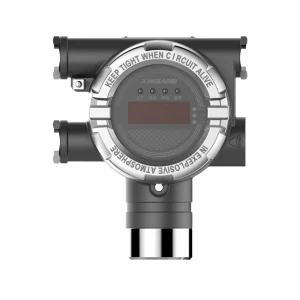
Stay informed about technological advancements and corporate activities from the Xinhaosi engineering teams.
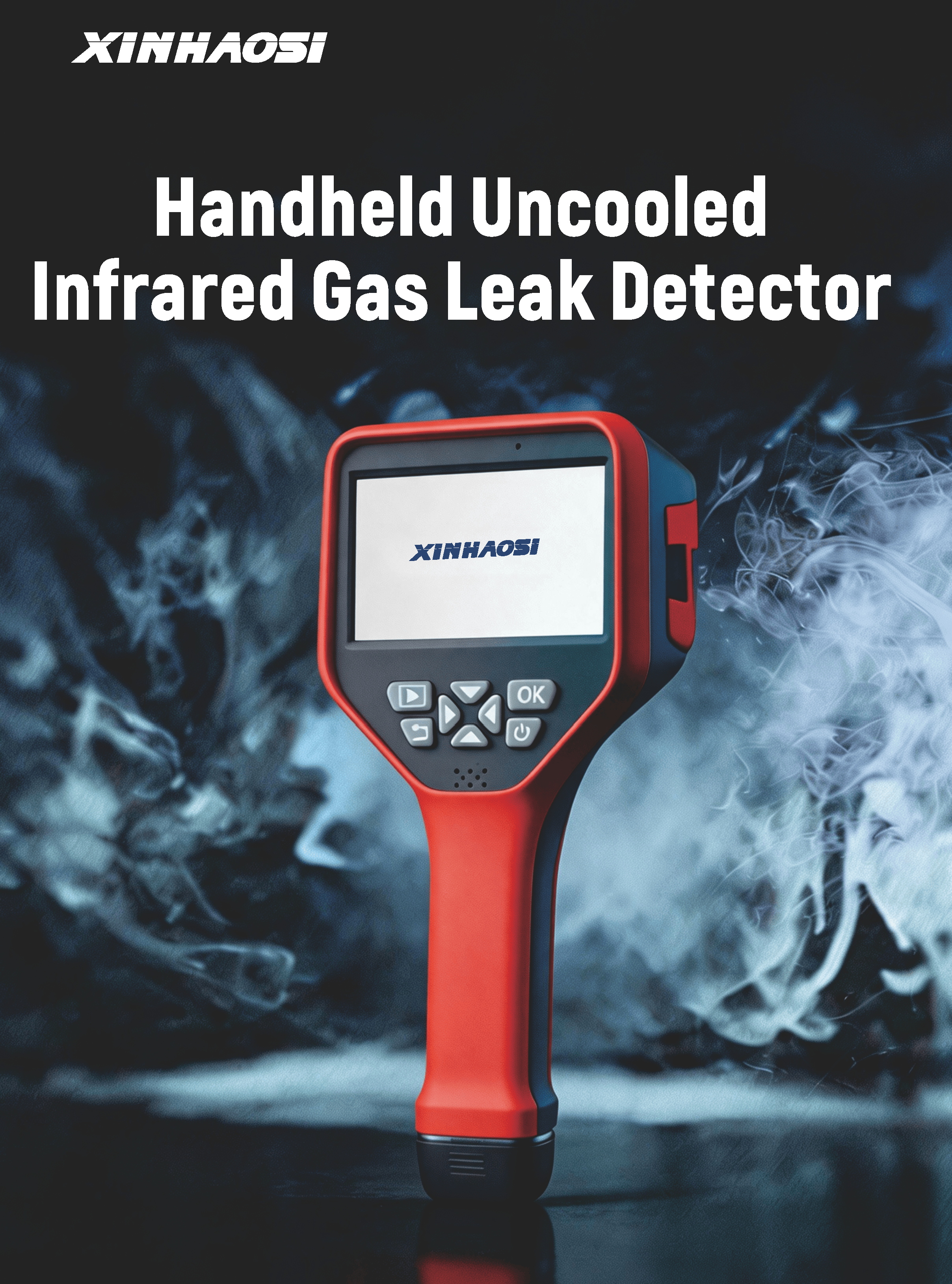
Officially launched its new Handheld Uncooled Infrared Gas Leak Detector, featuring dual-technology fusion, ultra-fast response, and long-distance non-contact detection to enhance safety in chemical, refrigeration, and industrial scenarios.
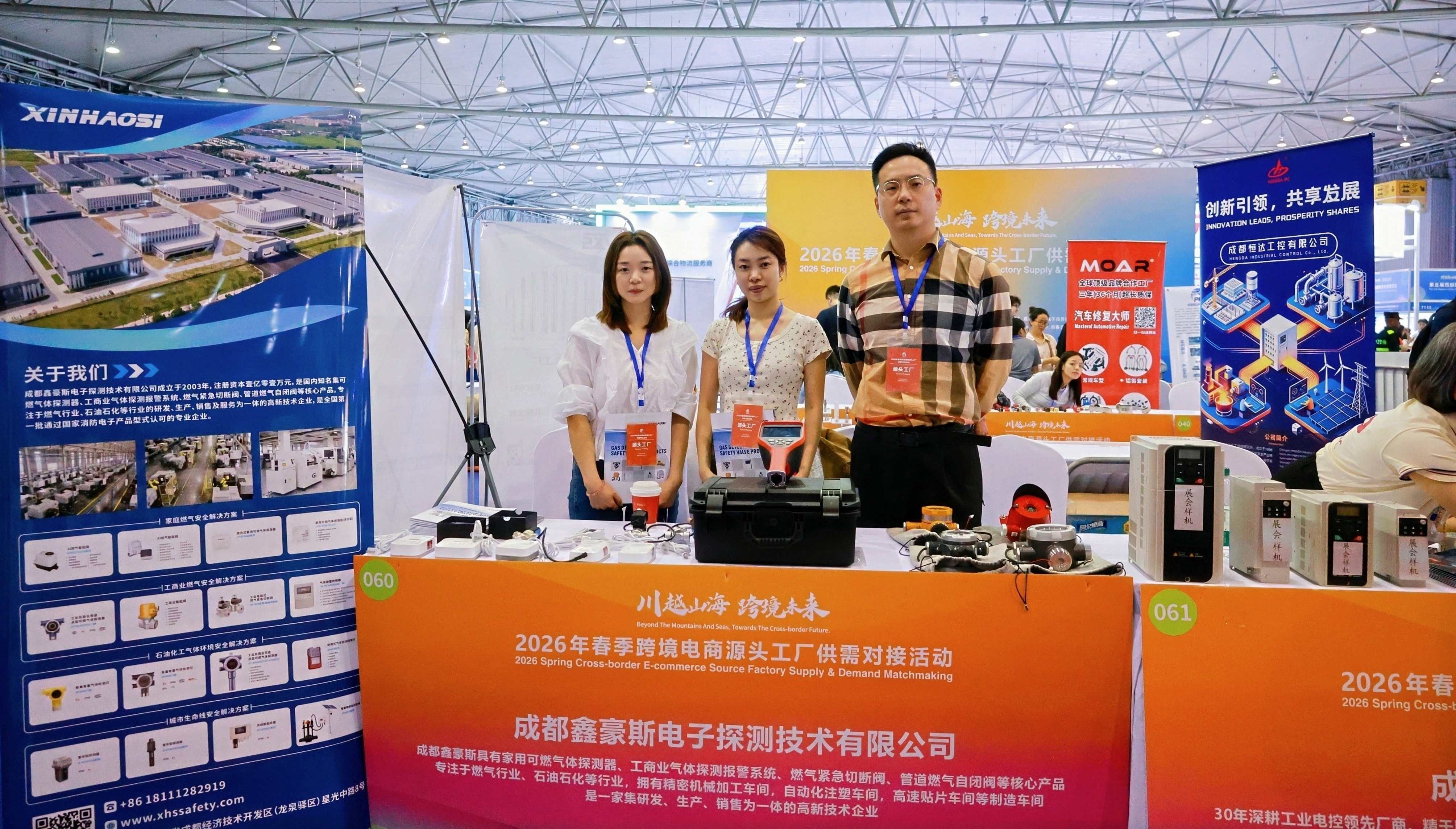
XINHAOSI recently participated in the Chengdu Expo, creating new opportunities for international business cooperation, supply chain optimization, and global market outreach.

Strengthening industrial cooperation and exploring new opportunities for gas safety equipment deployment across Southeast Asian and regional trade blocks.
Guidance from our technical director on how to ensure safety, minimize false alarms, and maintain regulatory compliance.
The positioning of fixed gas transmitters is heavily dependent on the relative density of the target gas compared to ambient air. Light gases, such as Hydrogen (H2) or Methane (CH4), will rapidly rise. In these instances, detectors must be mounted near the ceiling or above potential leak spots. Conversely, heavier gases, like Propane (C3H8), Butane (C4H10), or Carbon Dioxide (CO2), pool on floor surfaces, requiring installations close to the ground (typically 30-50 cm high).
Under DOSHS workplace guidelines, safety devices must undergo regular checkups. We recommend sensor testing every 6 months using certified span gas mixtures. Electrochemical toxic sensors exhibit natural drift over time due to electrolyte depletion. Scheduled bump testing guarantees that catalytic elements have not been poisoned by local compounds, validating alarm outputs and emergency cut-off sequences.
Kenyan geographic extremes present distinct engineering hurdles. Coastal installations in Mombasa suffer from high humidity and salt spray, which can accelerate electrical oxidation. In these scenarios, cast-aluminum or stainless steel housings with IP66/IP67 ingress ratings are necessary. Conversely, geothermal sites in the Rift Valley involve high Hydrogen Sulfide (H2S) levels, requiring sulfur-resistant sensors and protective filters to prevent early sensor failure.
Answers to technical questions regarding local compliance, sensor technologies, and operational configurations in Kenya.