
Deploying SIL2-certified, explosion-proof fixed gas transmitters designed to withstand rugged Turkish industrial climates, from petrochemical refining in Aliağa to shipping docks in Tuzla.
Future Ready Sensing Systems
Founded in 2003, Xinhaosi has established itself as one of the most influential and reliable brands in the gas safety industry. We provide customer-focused products and services to safeguard the safe operation of every factory, the comfort of every city, and the peace of every home.
Powered by cutting-edge production systems and technology, we deliver more advanced, intuitive, and precise gas safety solutions. By utilizing advanced electronic detection technologies, we make unknown gas leak risks visible, ensuring full compliance with European and Turkish workplace safety regulations.

Turkey occupies a vital geographic and industrial junction between Europe, the Middle East, and Central Asia. Regions like Kocaeli, Gebze, Aliağa (İzmir), and Iskenderun are hubs for chemical processing, steel manufacturing, heavy refining, and energy transit. The Turkish regulatory framework (notably the "Regulation on Health and Safety Conditions in the Use of Work Equipment" and alignment with EU directives like ATEX 2014/34/EU and ATEX 1999/92/EC) demands absolute reliability in hazardous gas atmosphere classifications.
Fixed-type gas detectors installed in these areas must withstand extremely harsh environmental challenges: high saline ocean winds in Yalova shipyards, seismic stress in Marmara pipeline installations, and extreme thermal variation in Central Anatolian petrochemical sites. Our gas sensors meet these exact criteria, integrating seamlessly with local SCADA networks and Turkish standards (TSE).
Worldwide, the industrial safety sector is shifting towards smart sensing, remote telemetry, and predictive maintenance. No longer is a simple local alarm sufficient. Modern operations demand Modbus RTU, HART, and wireless telemetry integrations. Furthermore, the global expansion of the hydrogen economy requires advanced gas detectors capable of monitoring H₂ leaks without cross-sensitivity to carbon monoxide or volatile organics. As a primary global exporter, our R&D roadmap is focused on developing multi-gas infrared and laser-based transmitters that align with this zero-emission industrial safety trend.
Custom setups for Tüpraş and SOCAR STAR plants. Monitoring fugitive emissions of hydrocarbons (methane, propane, butane) and toxic gases (hydrogen sulfide) in cracking, storage, and transfer terminals.
Aegean region (Aydın, Denizli) geothermal operations require heavy-duty monitoring for highly toxic Hydrogen Sulfide (H₂S) gas. Our electrochemical sensors provide stable baseline readings under hot and humid environments.
Safeguarding workers against combustible methane (CH₄) accumulation and oxygen deficiency in wastewater treatment facilities across major metropolitan areas such as Istanbul and Ankara.
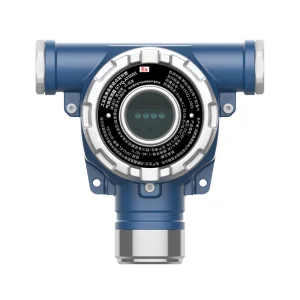
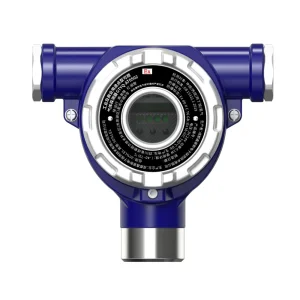
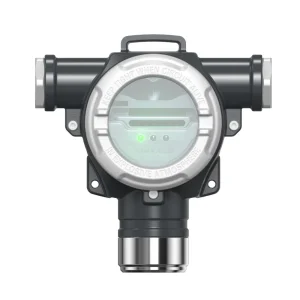
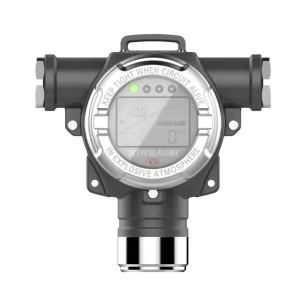
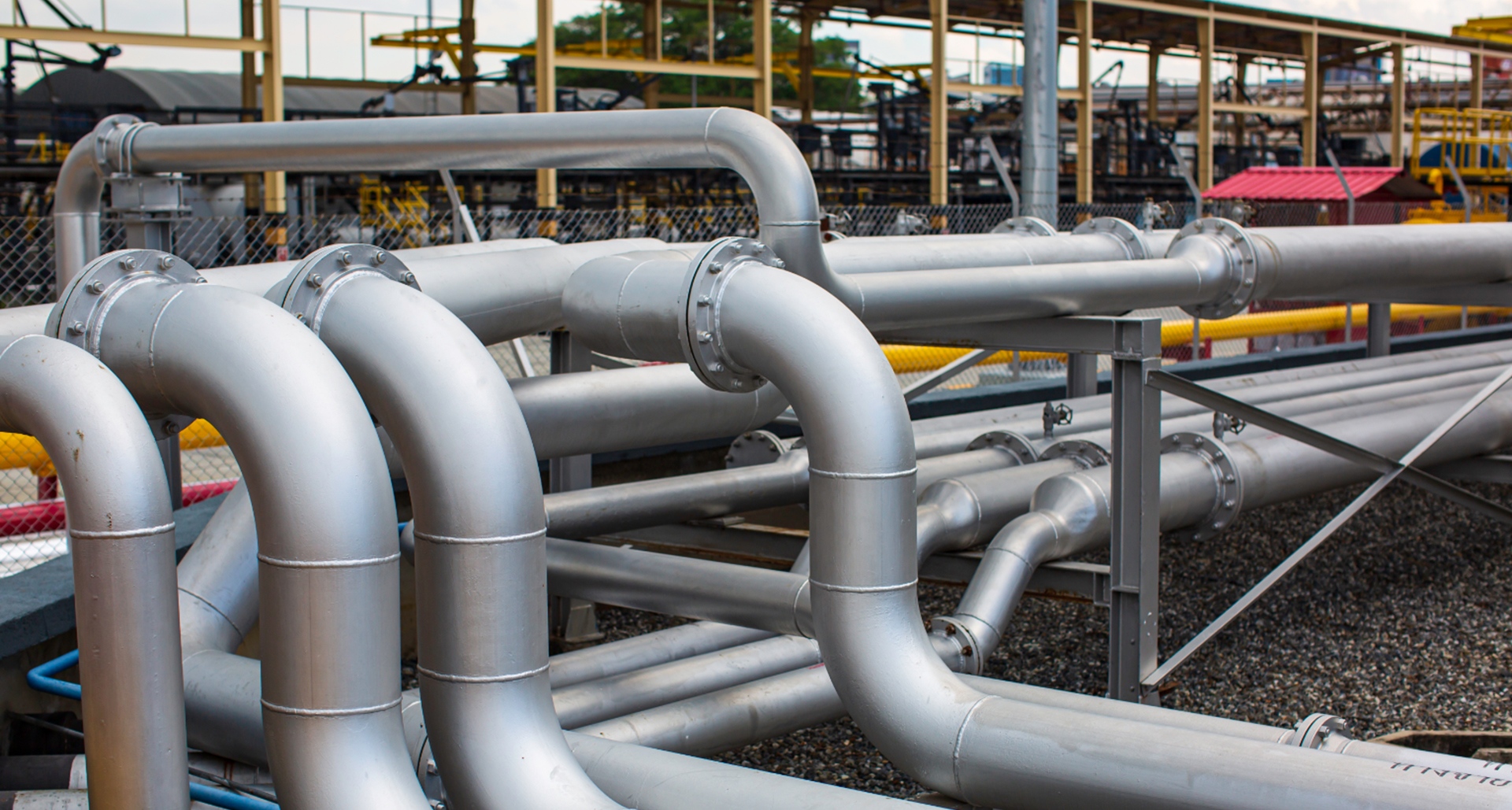
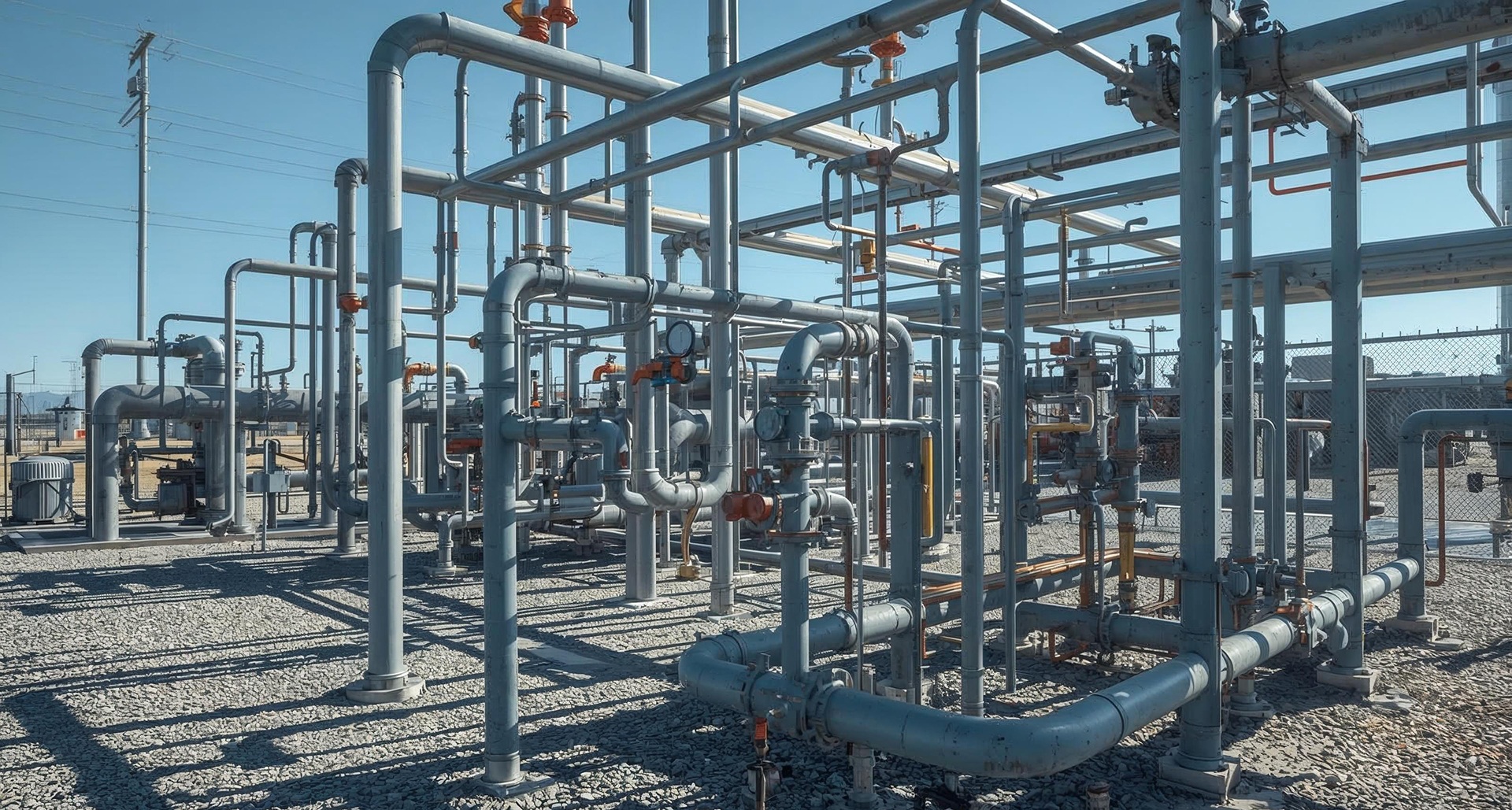
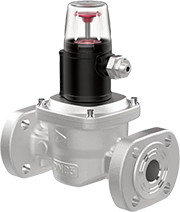
Original catalog representations showing heavy-duty industrial instrumentation, valve units, and residential sensors integrated by Xinhaosi.

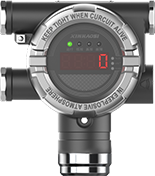
Safety First from Precision Sensing
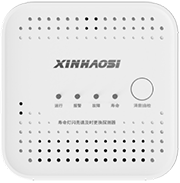
Home Safety from Gas Monitoring
Protecting from the Source
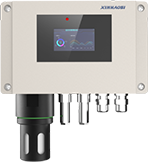
Smart Sensing for Urban Gas
To deliver modern E-E-A-T class solutions, our engineering division has designed our next-generation transmitters to focus on three developmental milestones:
Eliminating humidity interference and poison vulnerability in hydrocarbon gas tracking, extending device lifespan to over 10 years.
Integrated chips analyze sensor sensitivity drift, alerting control room staff in advance of required calibration cycles.
Ensuring safety instrumented systems (SIS) in heavy chemical sectors have safe, reliable shut-off trigger metrics.
Our safety framework relies on the combination of reliable physical units, smart transmitters, and automatic solenoid valves. Integrated loops guarantee that in case of any gas leak discovery, the pipeline path is locked instantly via our solenoid valves, mitigating explosion risks before a source of ignition is triggered.
"Full-chain integration, comprehensive protection, shaping the future with intelligence."
Select from our premium, internationally certified transmitter lines optimized for reliable long-term detection.
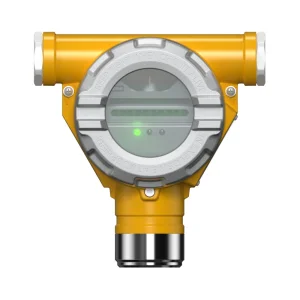
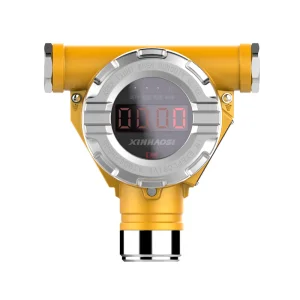
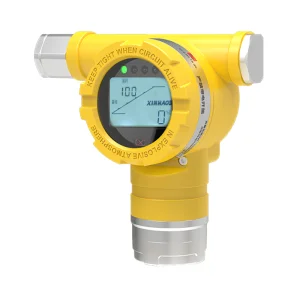
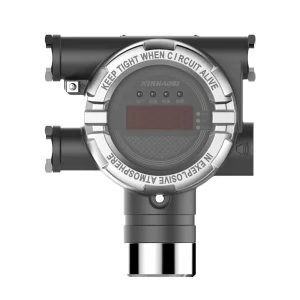
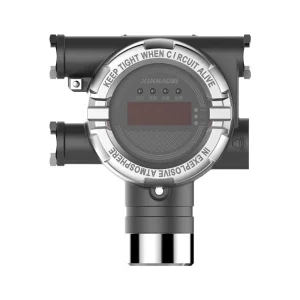
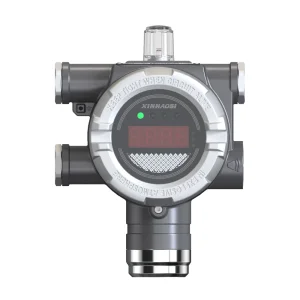
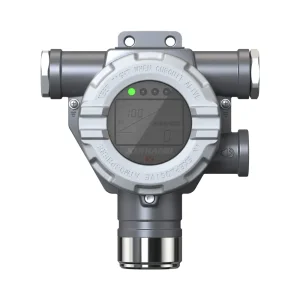
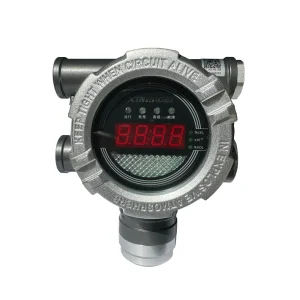
Specialized fixed monitoring units tailored for toxic vapors and industrial compound detection.
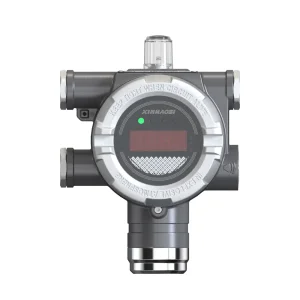
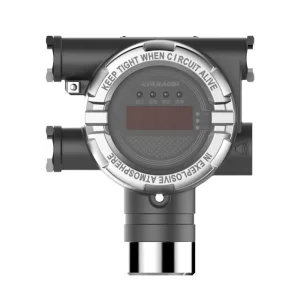
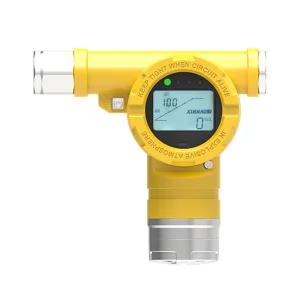
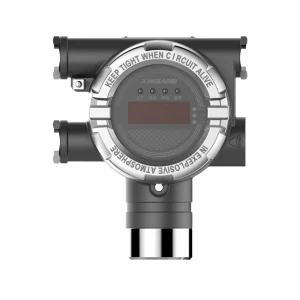
Collaborating with leading industrial system integrators, municipal engineering companies, and energy providers.
























Insightful technological advances, exhibitions, and international development updates from Xinhaosi.
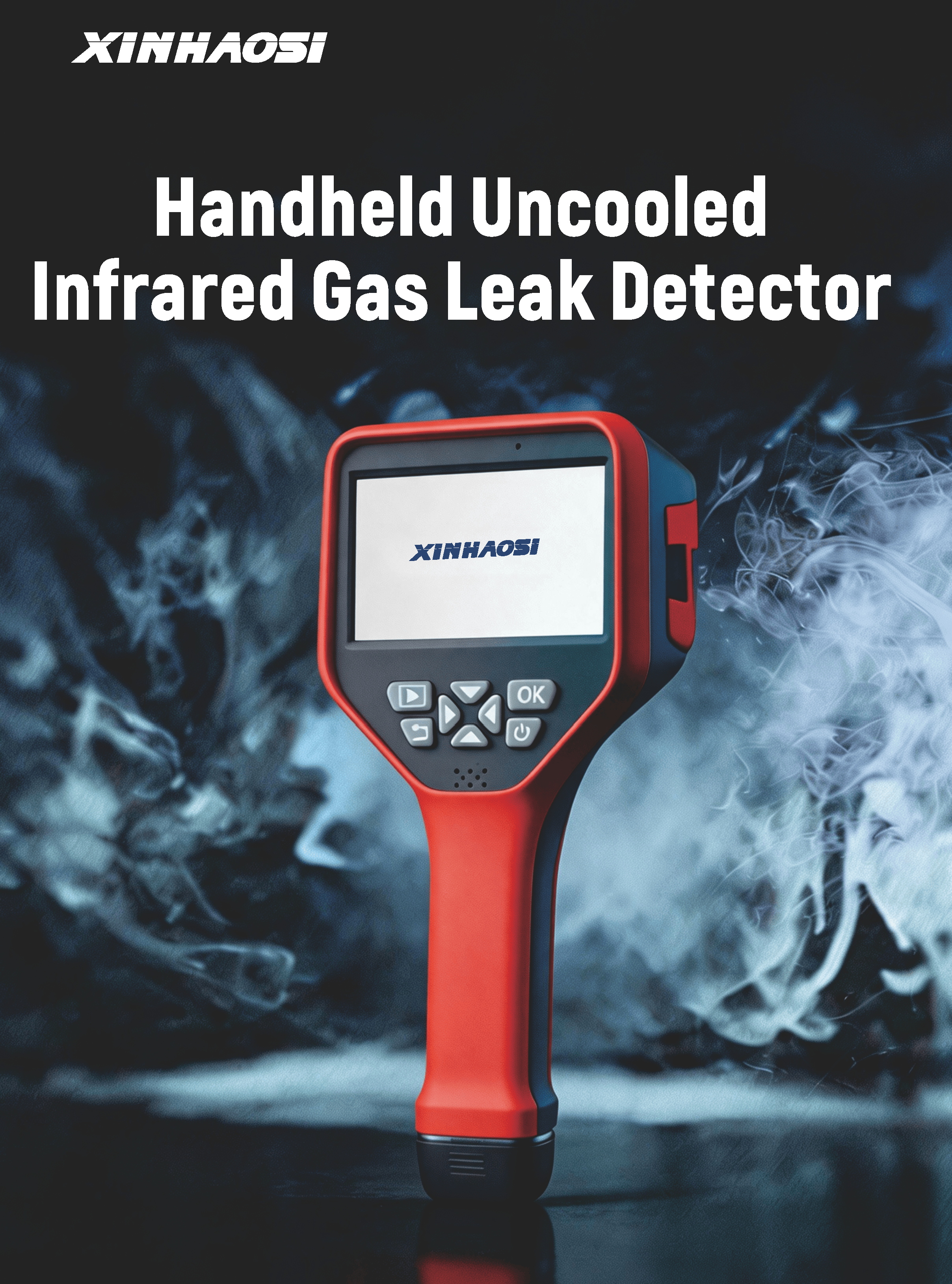
Featuring dual-technology fusion, ultra-fast response, and long-distance non-contact detection to enhance safety in petrochemical, refrigeration, and natural gas scenarios.
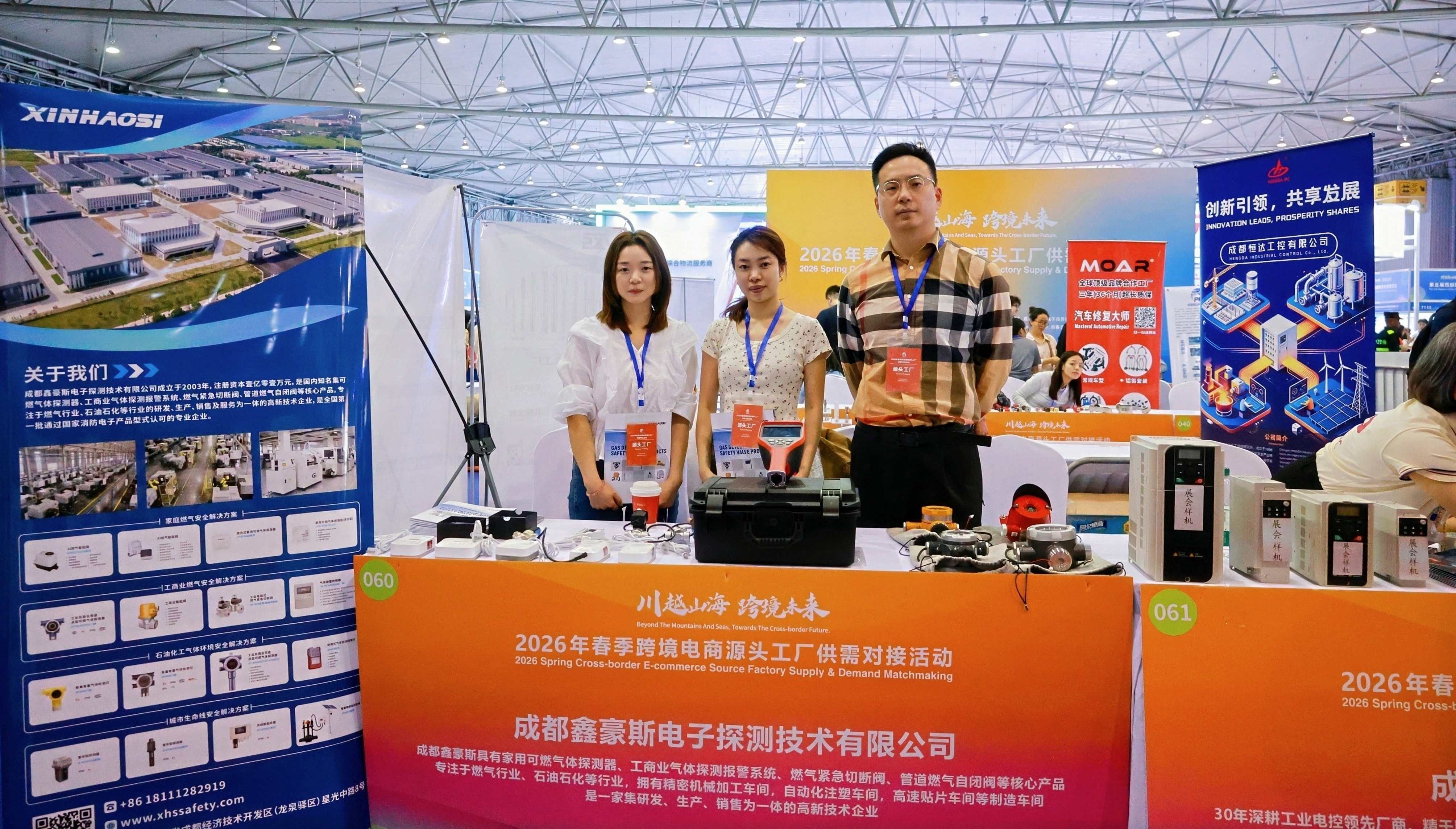
Connecting with international global buyers, manufacturers, and industrial supply chain networks to explore overseas market development and regional partnerships.
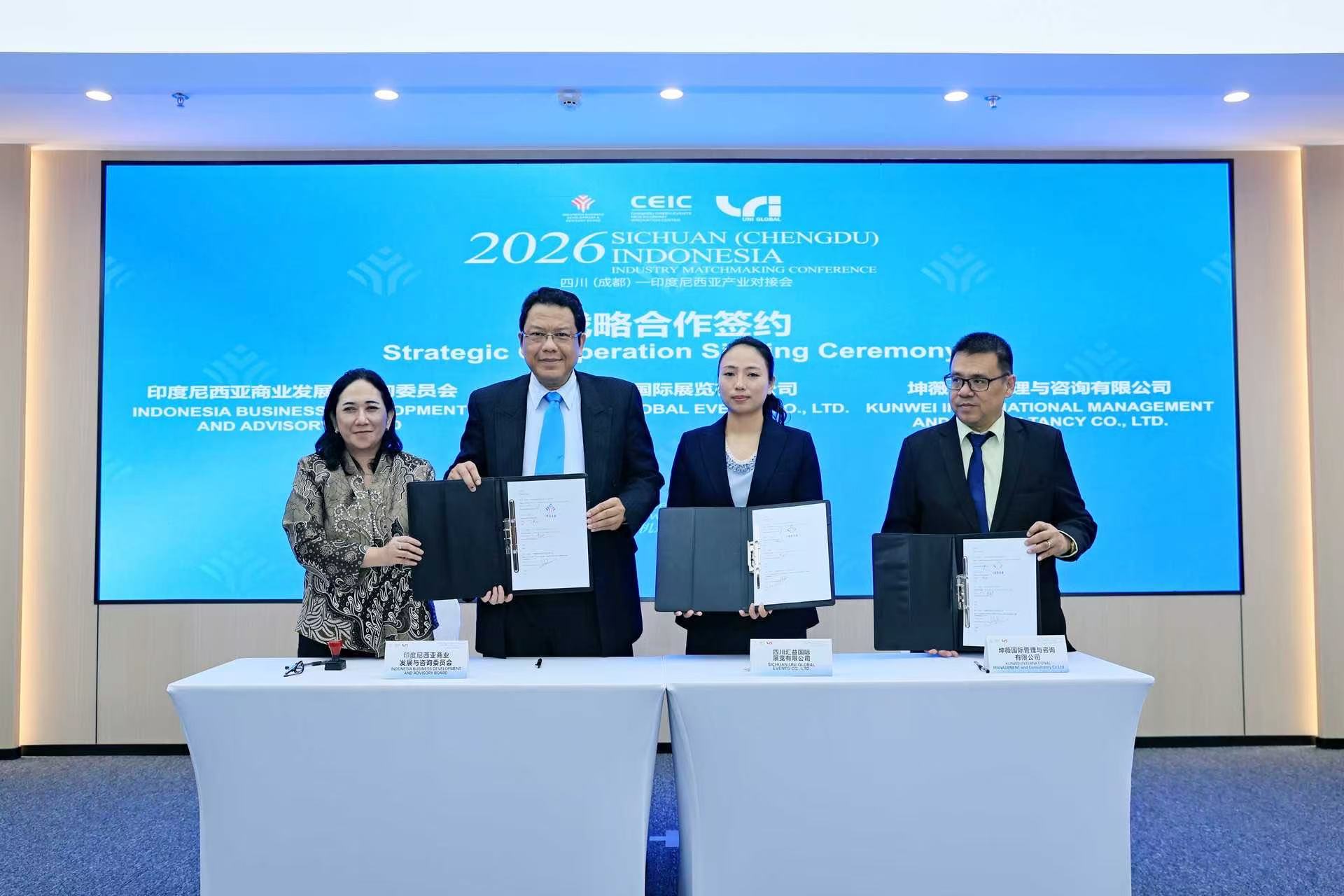
Strengthening regional industrial cooperation and building robust safety trade partnerships throughout Southeast Asian infrastructure developments.
In accordance with Turkish health and safety regulations at work, industrial plants must divide hazardous areas into zones (Zone 0, Zone 1, Zone 2). Equipment used in these zones must be ATEX certified (Directive 2014/34/EU) and carry a valid certificate of conformity matching the specific gas category (e.g. II 2G Ex db IIC T6 Gb). Our transmitters carry full international certifications valid for Turkish industries.
For locations with elevated salt spray and humidity, we suggest bump-testing devices every 3-6 months and performing absolute gas calibration annually. Our advanced infrared (NDIR) sensors are highly resistant to environmental drift compared to traditional catalytic beads, making them ideal for coastal environments.
Yes. All of our industrial-grade fixed transmitters support standard industrial outputs, including linear 4-20mA analog loops, Modbus RS485 digital communication protocol, and programmable relays (dry contacts) to actuate emergency siren beacons or shut-off solenoid valves.
Electrochemical sensors (designed for toxic gases like H₂S, CO, and O₂ depletion) typically operate reliably for 2 to 3 years. Infrared (NDIR) sensors, which are utilized for monitoring combustible methane and hydrocarbon gases, feature a service lifespan extending past 5 to 10 years because they do not suffer from chemical poisoning.
Request a detailed technical design consultation or a custom quotation customized for your plant requirements in Turkey.
Send Inquiry Now