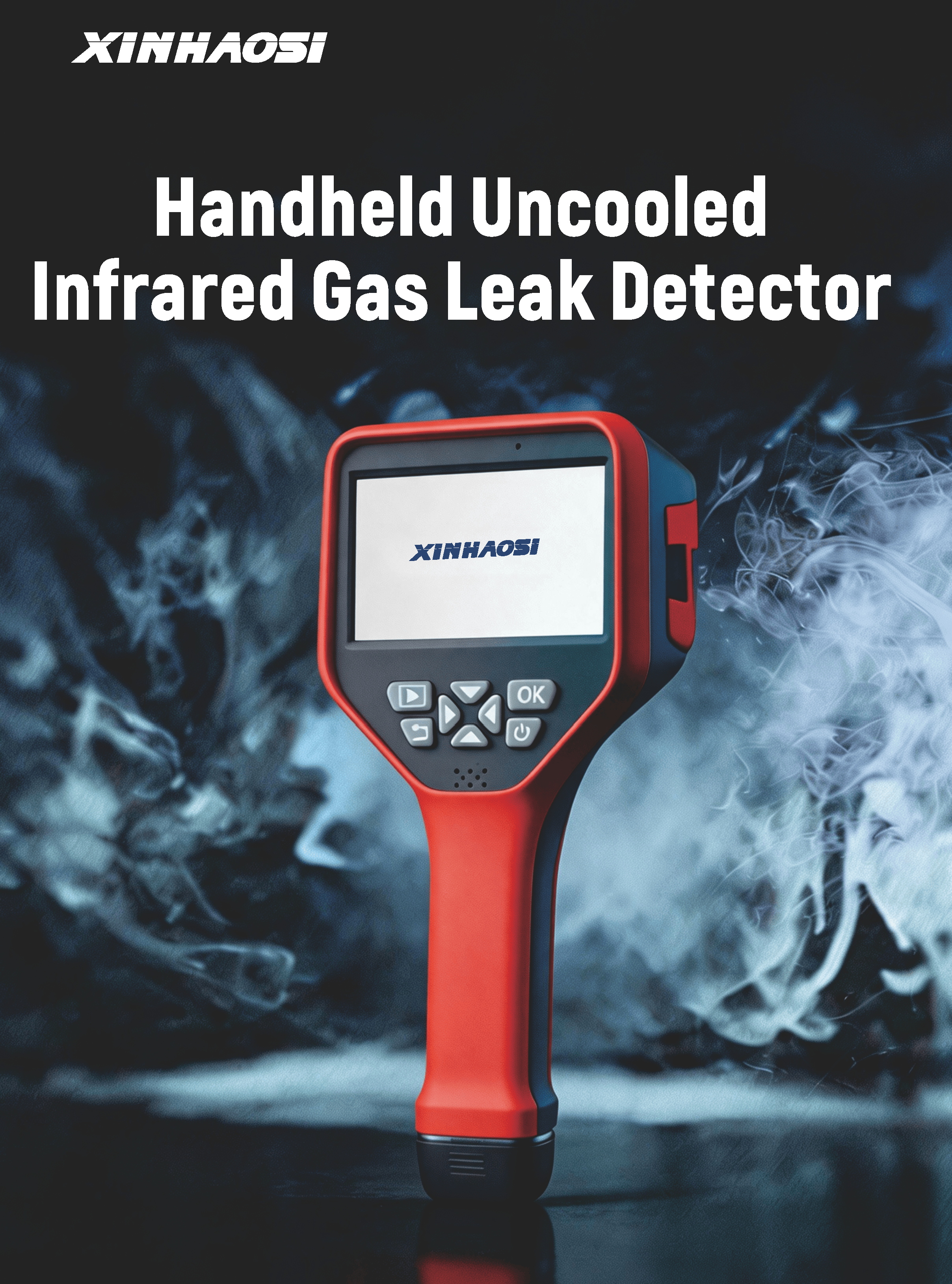
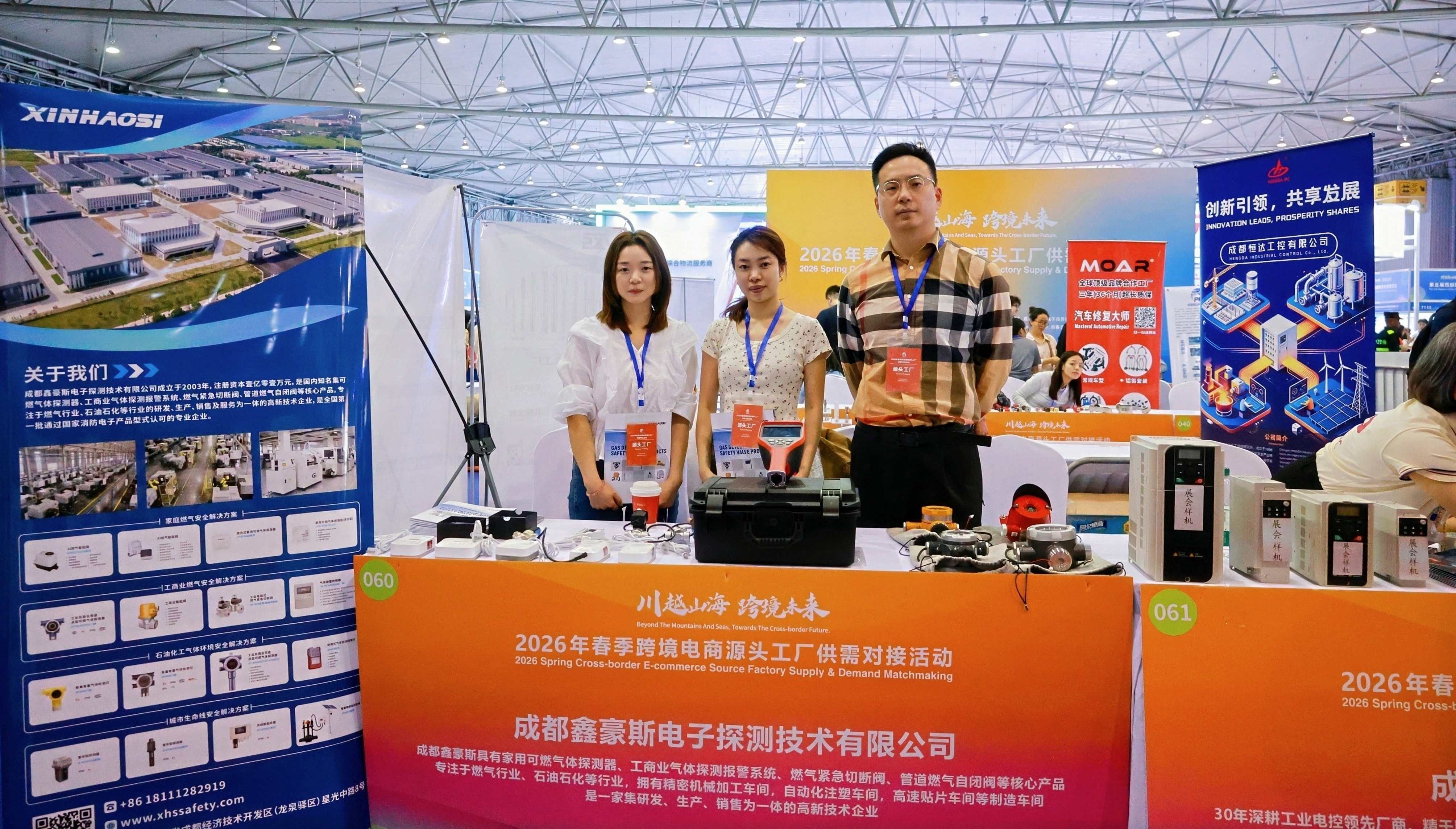
High-durability fixed gas monitoring systems designed for immediate hazard detection in rugged environments.
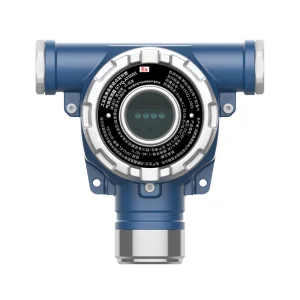
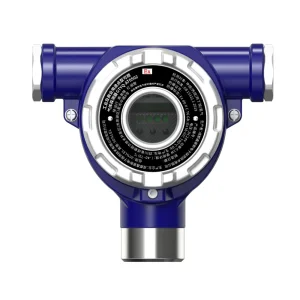
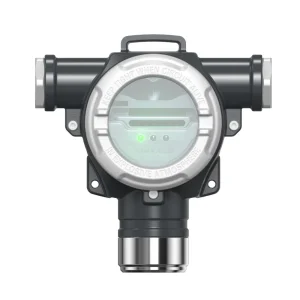
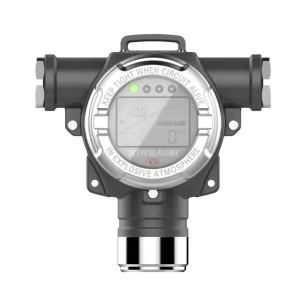
Reliable sensing networks engineered to secure high-hazard zones across commercial, industrial, and urban utilities.
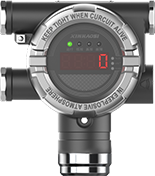
Detection Systems - Safety First from Precision Sensing
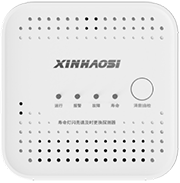
Gas Detectors - Home Safety from Gas Monitoring
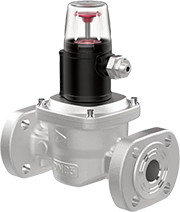
Gas Solenoid Valves - Protecting from the Source
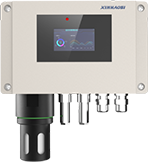
Distribution & Monitoring - Smart Sensing for Urban Gas
As West Africa's leading hub for gold mining and a rapidly growing producer of offshore oil and gas, Ghana is witnessing an unprecedented shift toward stringent industrial safety frameworks. Traditional manual testing methods are no longer sufficient to secure sprawling infrastructure like the Jubilee and TEN deepwater oilfields, the Atuabo Gas Processing Plant, and underground mining operations in Tarkwa, Prestea, and Obuasi.
The deployment of fixed-type gas detectors has transitioned from a regulatory recommendation to a mission-critical asset. These systems provide continuous 24/7 atmospheric monitoring to mitigate explosive risks (Methane, Butane, Propane) and toxic hazards (Hydrogen Sulfide, Carbon Monoxide, Sulfur Dioxide) prevalent in mining cyanidation loops, refining operations, and heavy chemical manufacturing plants.
Industrial installations in the Tema Free Zones and Western Region mining basins must satisfy stringent Environmental Protection Agency (EPA) regulations and international safety directives (like ATEX and IECEx) to ensure minimal risk to human lives and local ecosystems.
Engineered with robust cast-aluminum casings and cutting-edge sensor technology to withstand coastal humidity and harsh desert winds.
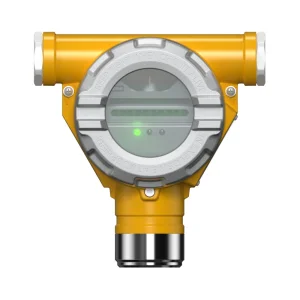
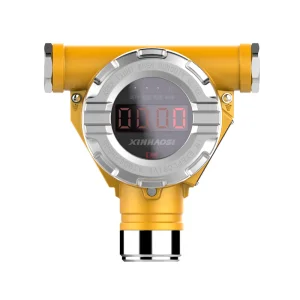
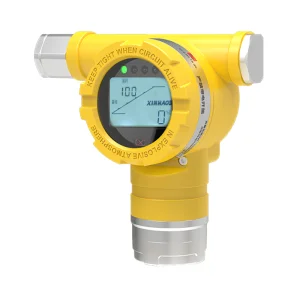
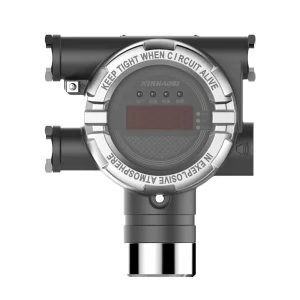
Deciding between sensing principles determines reliability, operational lifetime, and calibration cycles in the field.
The industry standard for measuring combustible gases up to 100% LEL (Lower Explosive Limit). Utilizes active and reference elements that oxidize combustible compounds to detect temperature shifts. Ideal for general methane monitoring in mining galleries and gas storage yards.
Best for: CH4, LPG, H2Designed specifically for parts-per-million (PPM) level detection of toxic gases. Through oxidation-reduction chemical reactions at the electrode interface, it generates an electrical current proportional to the target gas concentration.
Best for: H2S, CO, SO2, HCN, O2Optical sensors utilizing gas absorption characteristics in the infrared spectrum. Unaffected by catalytic poisons like silicones or sulfur compounds, making them highly reliable in anaerobic gold mining chambers and deep oil drilling wells.
Best for: CH4, CO2, HydrocarbonsXinhaosi's latest models integrate sintered metal flame arrestors and dust protection deflectors. This setup prevents airborne silica dust from blocking the diffusion pathways to the gas sensor chambers, drastically reducing sensor drift and extending field maintenance windows from 3 months to 12 months.
Future Ready Safety Solutions
Founded in 2003, Xinhaosi is one of the most influential and reliable brands in the gas safety industry. We provide customer-focused products and services to safeguard the safe operation of every factory, the comfort of every city, the peace and happiness of every home. Powered by cutting‑edge production systems and technology, we deliver more advanced, intuitive, and precise gas safety solutions for shaping a safer future world.



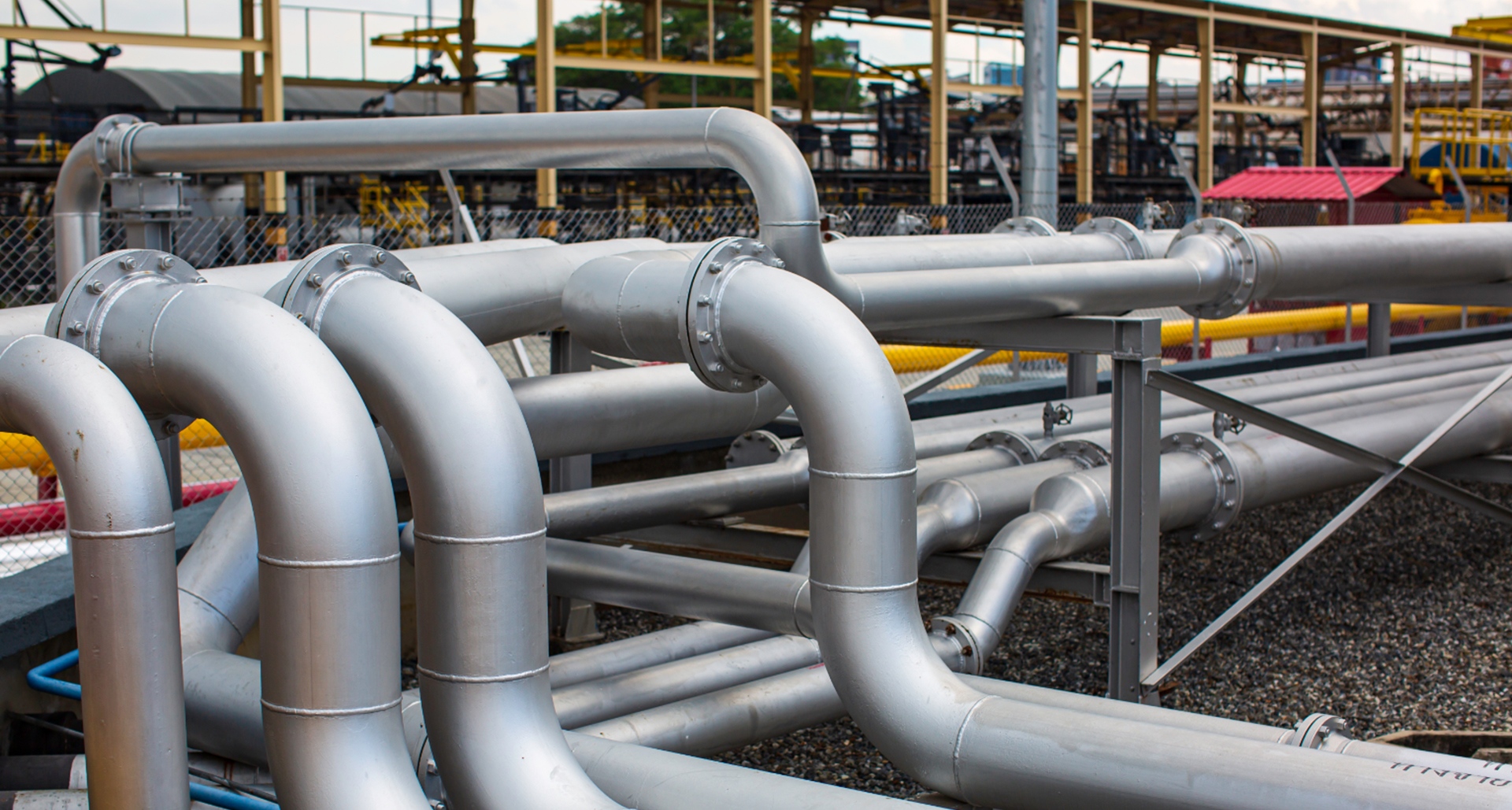
Partnering with an experienced Chinese manufacturer provides Ghanaian operators with a unique combination of high manufacturing scalability, competitive pricing structures, and agile customization configurations. Xinhaosi manages an end-to-end supply chain, from semiconductor sensor elements procurement to precision die-cast enclosures and strict quality testing.
Our direct-to-factory supply channel bypasses middle-tier distributors, allowing us to pass significant cost savings to mining engineering contractors and refinery managers. We offer flexible OEM/ODM modifications, enabling tailored outputs (such as Modbus RTU protocols, customized relays, and specialized calibration options for mining gases).
Empowered by technology, full-chain integration, and comprehensive protection, we shape the future with intelligence. Our systems unite fixed transmitters, control panels, automated shut-off solenoid valves, and remote alarm beacons into a single safety shield.
By integrating gas detection nodes directly into a centralized control room via PLC/DCS networks, we offer Ghanaian utility and safety managers absolute visibility over dangerous gas concentrations.
Request System Design Blueprint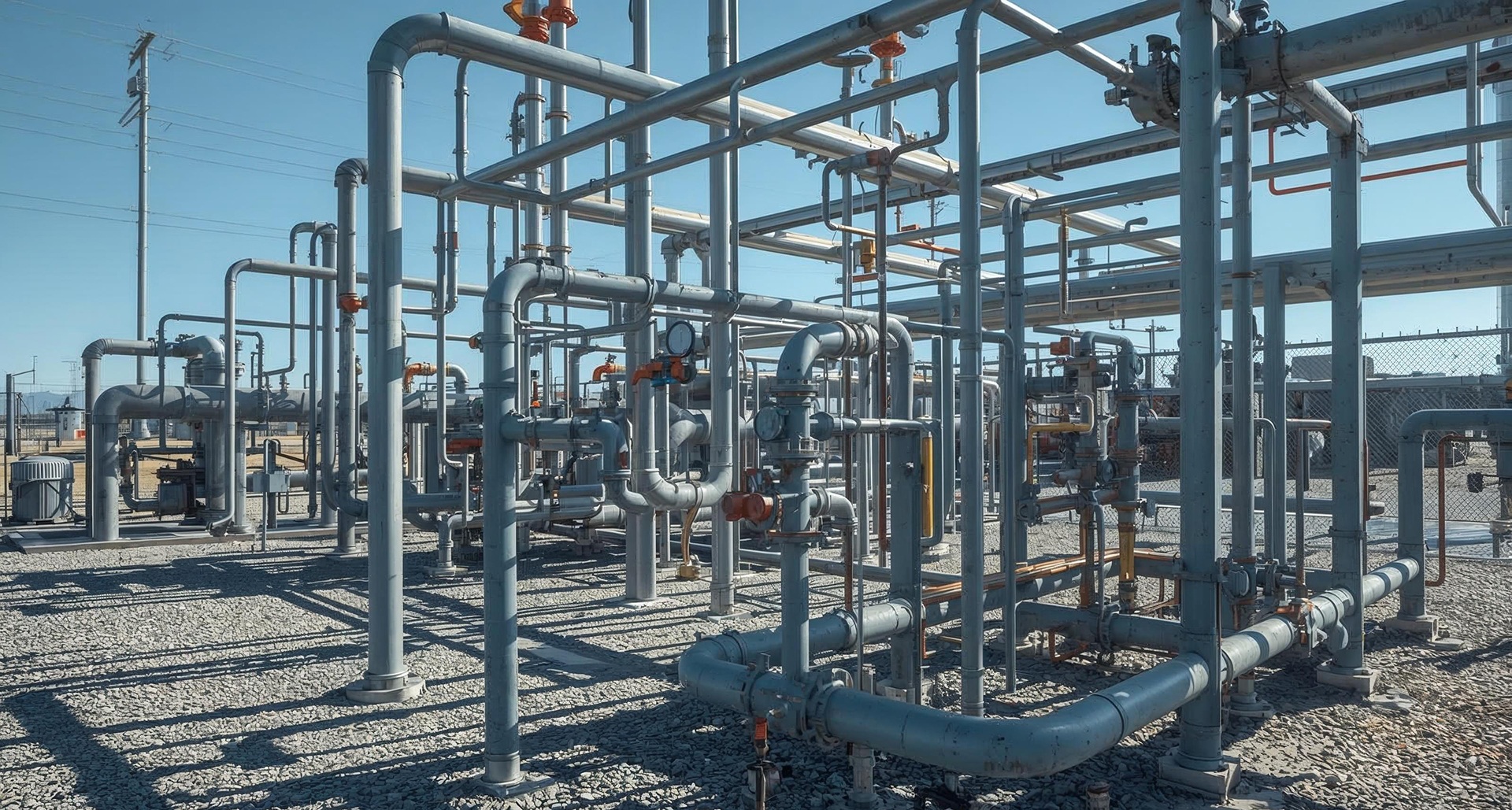
Optimizing fixed detector positioning and calibration intervals according to physical gas dynamics and regional climatic factors.
To achieve reliable detection, safety engineers must position the gas transmitters based on the molecular weight of the target gas relative to air:
Tropical environments accelerate sensor degradation. Establishing a strict maintenance protocol guarantees safety compliance:
A diverse lineup of oxygen, toxic, and combustible gas monitoring devices to meet standard and custom facility configurations.
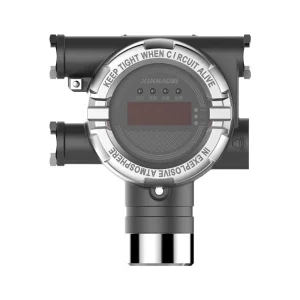
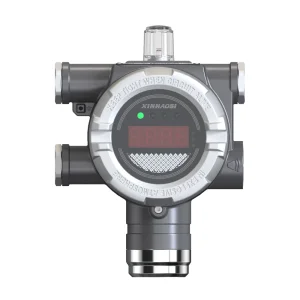
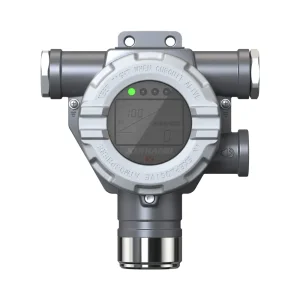
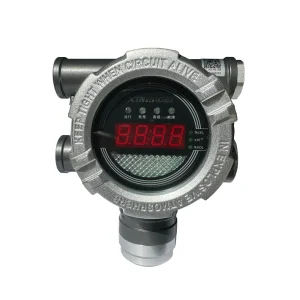
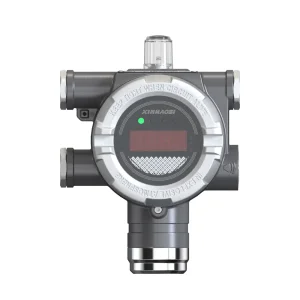
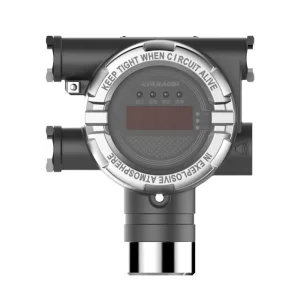
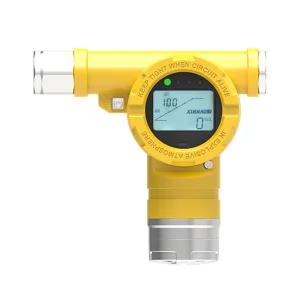
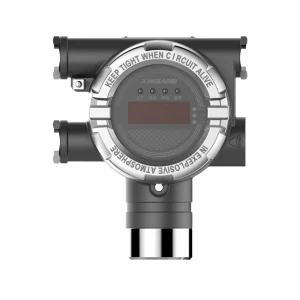
Trusted by leading industrial operators worldwide, from chemical complexes to utility networks.
























Stay tuned for the latest developments from Xinhaosi and global gas safety safety networks.
Essential operational questions answered by our leading sensor application engineers.
To satisfy the safety and insurance audits in Ghana, detectors installed in hazardous areas (Class I, Division 1/2 or Zone 1/2) must possess recognized explosion-proof certifications such as ATEX or IECEx. The Ghana Standards Authority (GSA) verifies these international compliance reports upon clearing and site installations.
High humidity (frequently exceeding 85% RH in Ghana's coastal industrial belts) can cause condensation inside the sensor cap, which blocks gas diffusion and leads to readings drift. We integrate hydrophobic membranes and humidity-compensated electrochemical and infrared sensors to ensure performance remains stable without false alarms.
The sensor's lifetime depends heavily on the technology. Electrochemical sensors for toxic gases (such as H2S and CO) typically last between 2 to 3 years. Catalytic bead sensors for combustible gases last about 3 to 5 years, while Non-Dispersive Infrared (NDIR) sensors can operate reliably for up to 8–10 years under proper maintenance conditions.
Yes. Our entire line of fixed-type gas transmitters supports industry-standard outputs, including 3-wire 4-20mA analog signals and RS485 Modbus RTU digital communication. This allows straightforward integration with major DCS, PLC, and SCADA systems for automated emergency ventilation shutdowns and alarm logging.
We provide specialized field-calibration kits, including gas regulators and calibration cups. Our devices feature non-intrusive magnetic wand calibration, allowing engineers to calibrate the transmitter in explosive atmospheres without opening the flameproof enclosure.
Connect directly with our Chinese factory engineering team for custom configurations, technical drawings, and comprehensive wholesale pricing for your project in Ghana.