The Strategic Landscape of Gas Detection in Norway
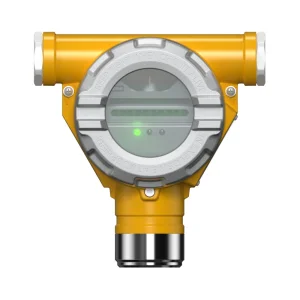
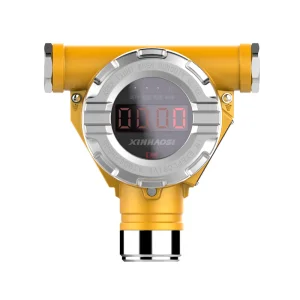
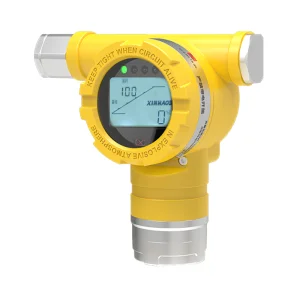
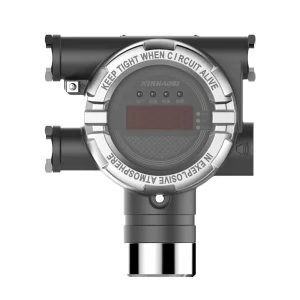
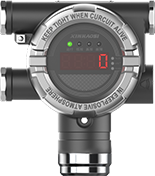
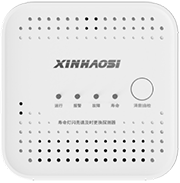
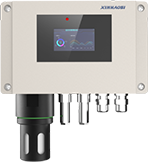
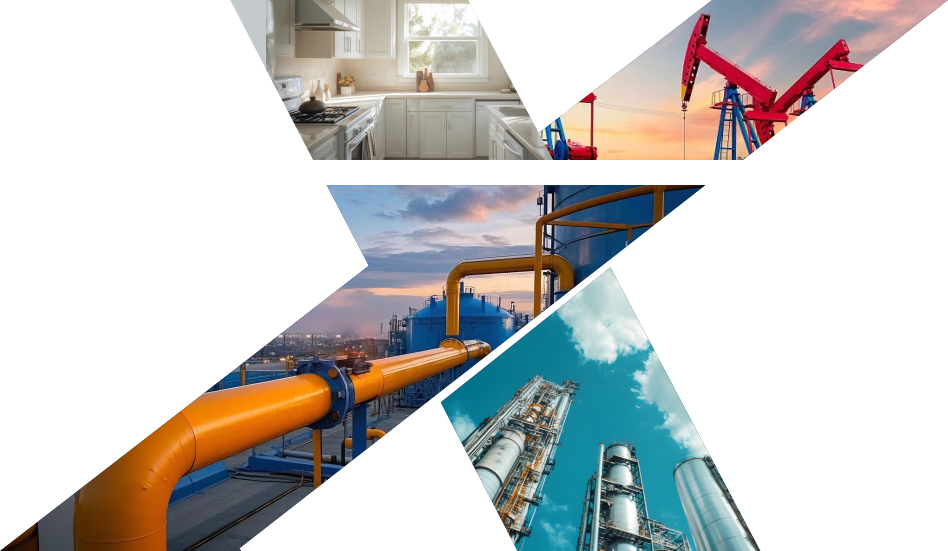
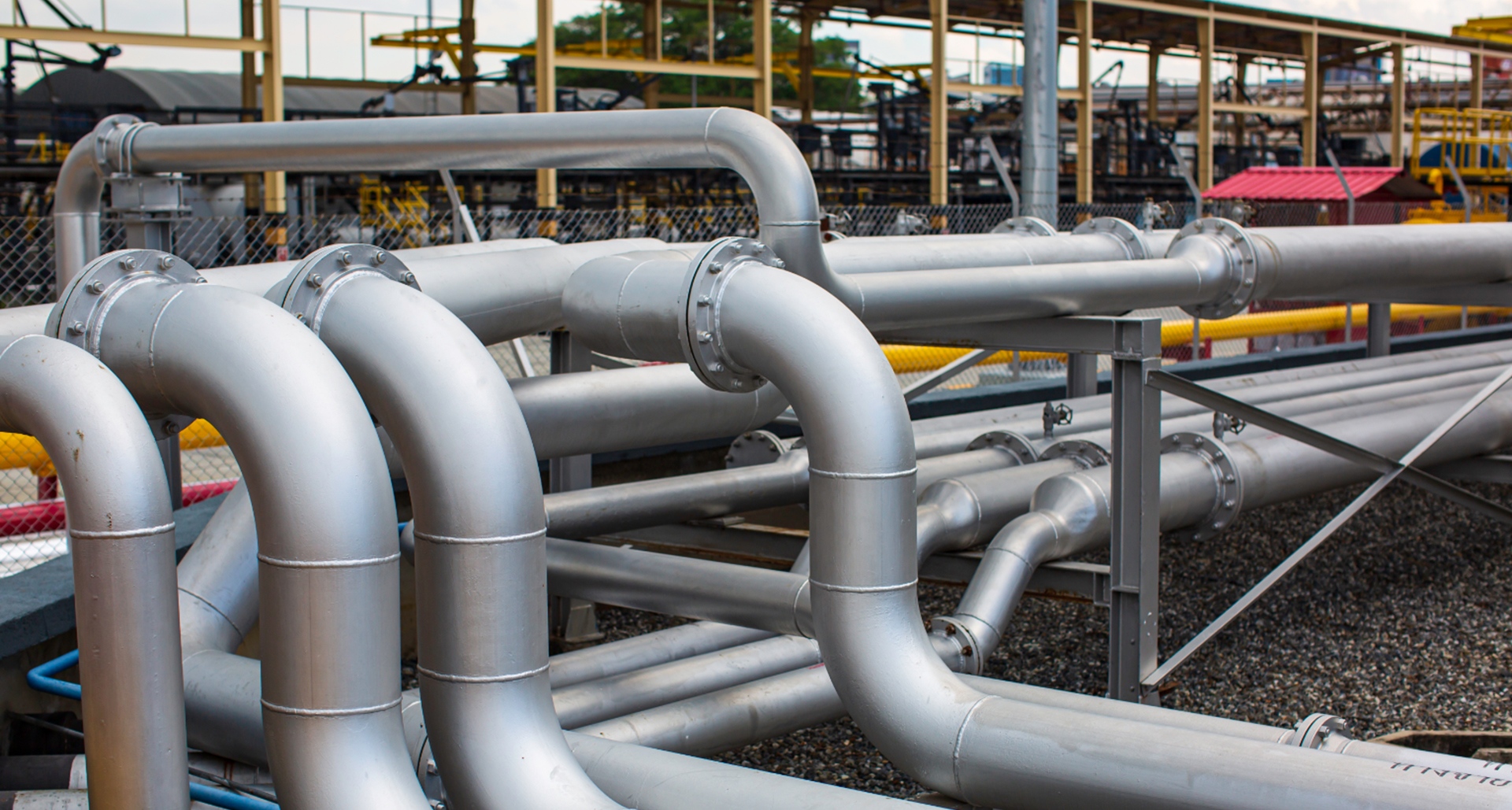
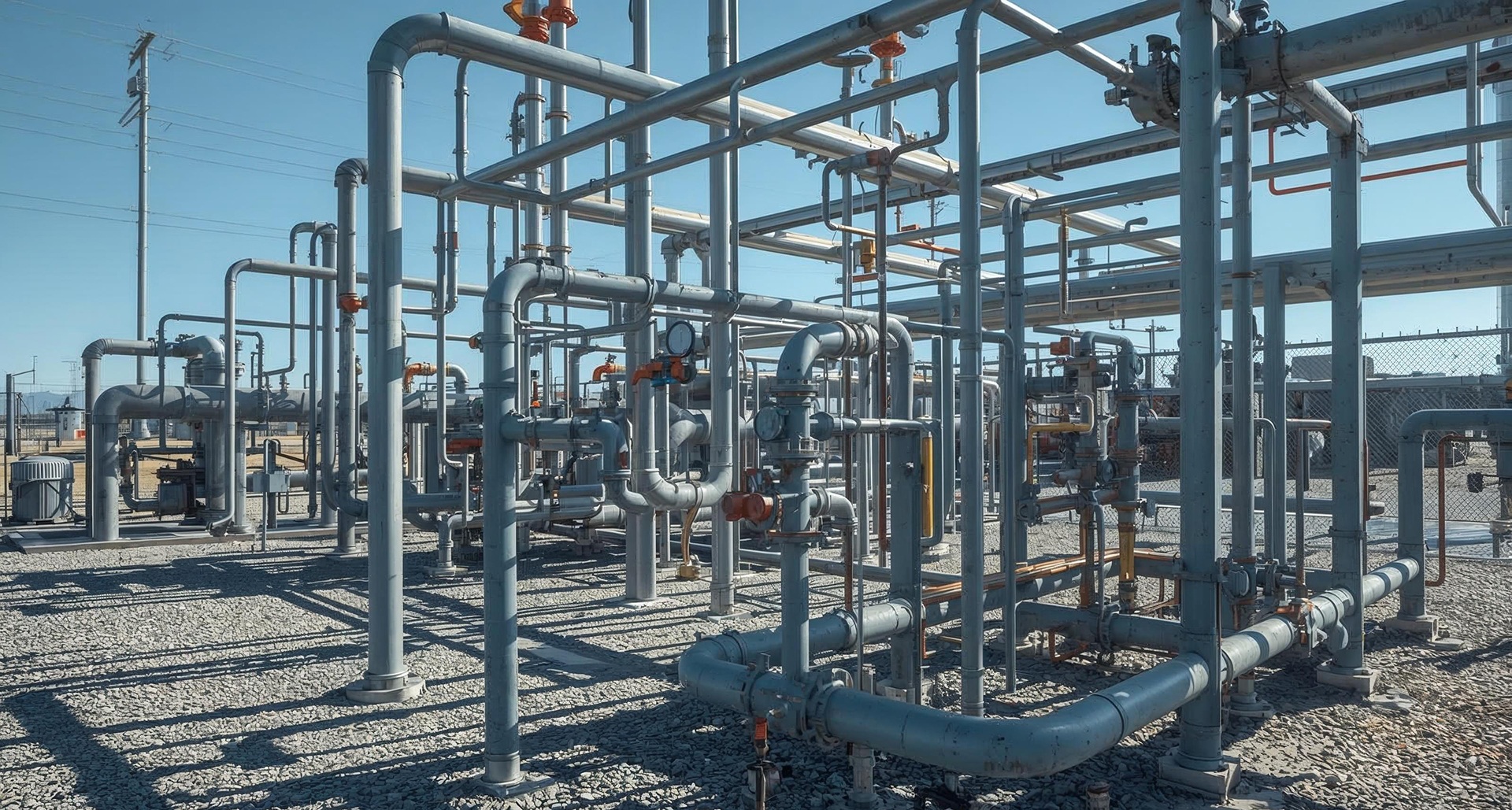
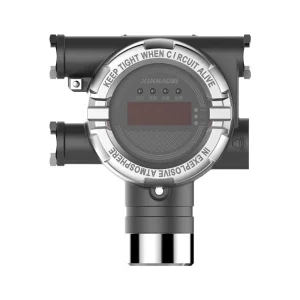
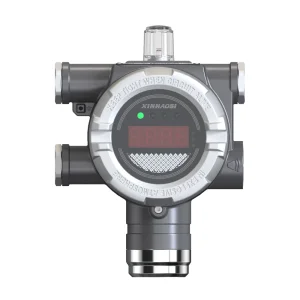
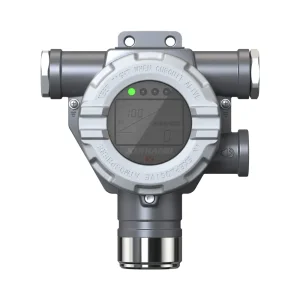
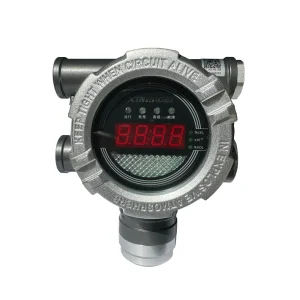
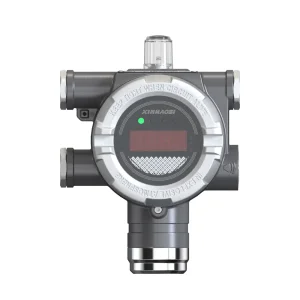
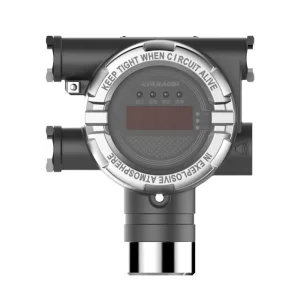
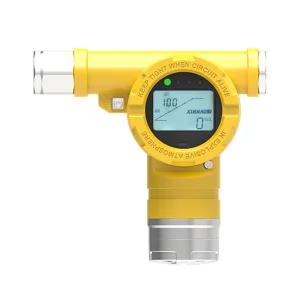
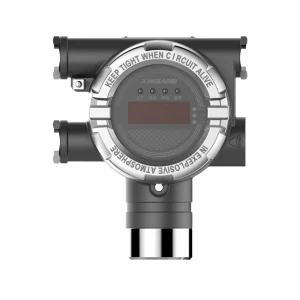
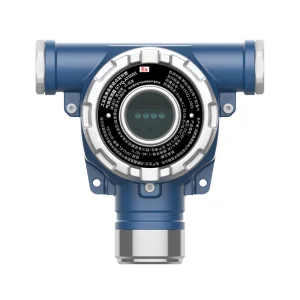
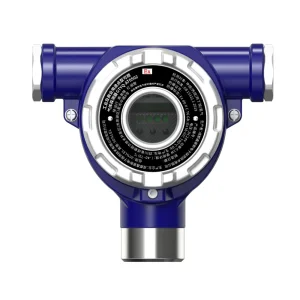
Norway is a global leader in energy production, maritime engineering, and advanced chemical manufacturing. The Norwegian Continental Shelf (NCS) is home to some of the world's most sophisticated offshore oil and gas drilling operations, subsea pipelines, and processing facilities. Maintaining rigorous safety standards is not merely a regulatory checkbox; it is a foundational component of operational viability. Fixed-type gas detection systems are crucial to these industries, providing continuous surveillance and automated warnings in environments prone to volatile hydrocarbon buildup, toxic gas releases, and oxygen displacement.
The Evolving Green Transition: Hydrogen & CCS Safety
As Norway transitions towards clean energy projects, new regulatory and safety protocols are coming to the forefront. Major initiatives such as the Northern Lights project (part of the larger Longship CCS venture) require advanced monitoring systems to track liquid and supercritical Carbon Dioxide ($CO_2$). Concurrently, Norway's investments in green hydrogen and ammonia production present distinct detection challenges. Hydrogen ($H_2$) molecule migration is highly evasive, demanding detectors with fast response times ($T_{90} < 10$ seconds) and resilient sensor coatings that resist poisoning from surrounding atmospheric contaminants.
Compliance Standards: NORSOK, ATEX, & SIL
Norway enforces some of the strictest technical safety regulations globally. Sourcing fixed gas detectors for deployment on the Norwegian shelf requires alignment with:
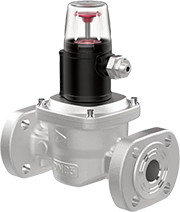
- NORSOK Standards (S-001 Technical Safety & I-001 Process Instrumentation): These standards mandate that safety barriers are designed with adequate redundancy, marine-grade materials (such as SUS316L stainless steel), and seamless integration into automated Emergency Shutdown (ESD) architectures.
- ATEX & IECEx Directives: Systems must be certified for Zone 1 and Zone 2 hazardous areas, carrying rugged Ex d (flameproof) or Ex ia (intrinsic safety) classifications.
- SIL (Safety Integrity Level): Modern process installations frequently require SIL 2 or SIL 3 capabilities, ensuring a remarkably low Probability of Failure on Demand (PFD).