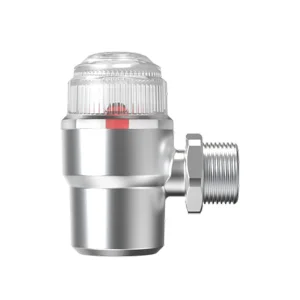
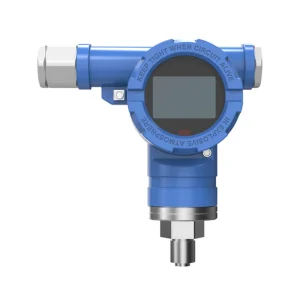
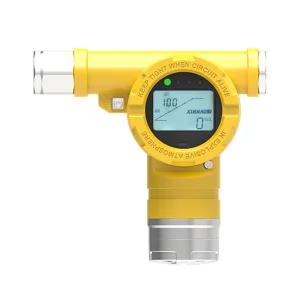
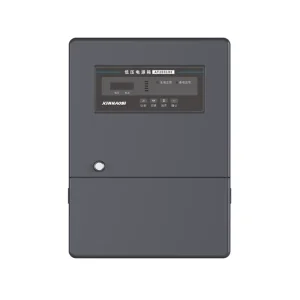
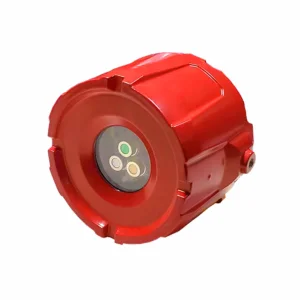
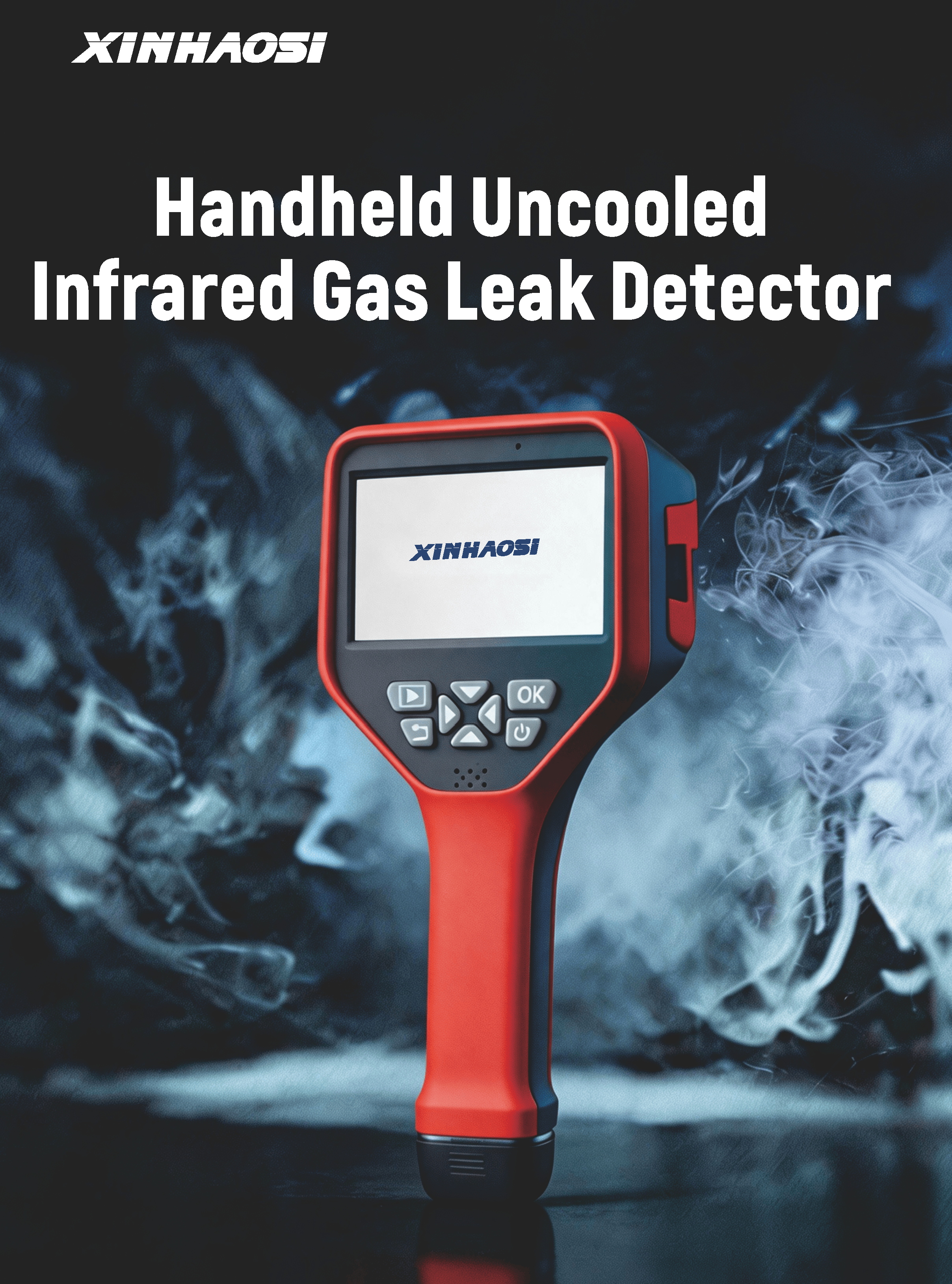
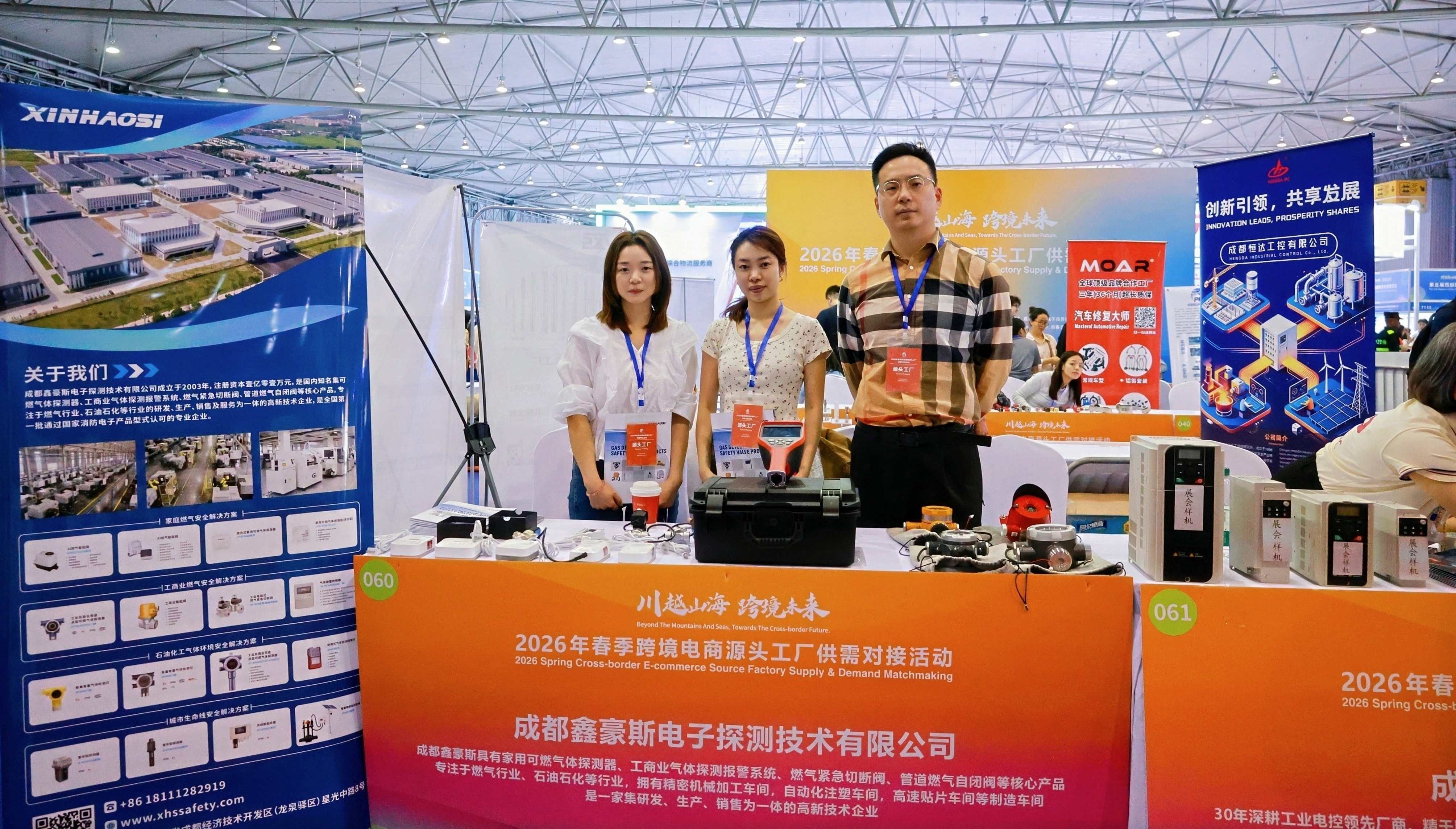
Explore our core engineering portfolio of state-of-the-art gas detectors, alarm controllers, and safety transmitter solutions built for hazardous environments.

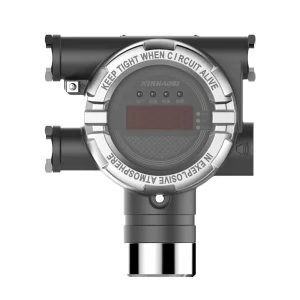
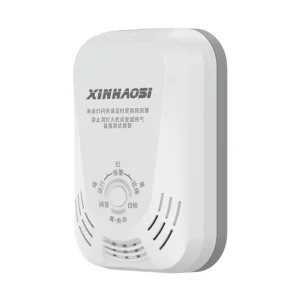
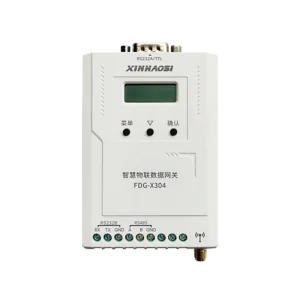
Solenoid valves are electromechanically operated fluid control devices, serving as critical components in industrial process control and safety shut-off systems. Understanding solenoid valve working principles is essential for selecting the correct control element in critical automation infrastructures. The core functionality relies on the conversion of electrical energy into linear mechanical force to actuate a plunger, thereby opening, closing, or diverting media flow.
In direct-acting configurations, the electromagnetic force generated by the coil acts directly on the plunger to lift the seal off the main orifice. This mechanism does not require line pressure to operate, making it ideal for low-flow, vacuum, or zero-pressure differential applications.
Pilot-operated valves utilize the line pressure of the medium to actuate the main diaphragm or piston. When energized, a small pilot orifice opens, relieving pressure above the diaphragm and creating a pressure differential that lifts the seal. Suitable for high-pressure, large-flow systems.
For high-risk environments involving combustible vapors or dust, solenoid coils are encapsulated inside explosion-proof enclosures. These housings prevent internal sparks or thermal surges from igniting external hazardous atmospheres, complying with ATEX/IECEx standards.
A high-quality solenoid valve comprises several custom-engineered parts, each critical to the reliability and response time of the system:
The global industrial valve market is undergoing rapid change, driven by regulatory updates, smart factory transitions, and decarbonization efforts. Procurement executives are shifting their criteria from basic cost-efficiency to long-term lifecycle reliability, environmental compliance, and technological integration.
Modern solenoid valves are increasingly integrated with digital feedback switches, fieldbus interfaces (IO-Link, Modbus), and diagnostic capabilities. Real-time monitoring of coil resistance, temperature, and cycle counts enables predictive maintenance, avoiding unexpected system downtime.
With the rise of the green hydrogen economy, manufacturers are developing specialized solenoid valves capable of managing ultra-light gas molecules without leakage, operating under extreme pressures and cryogenic temperatures.
Global regulatory bodies require valves installed in volatile settings to meet SIL (Safety Integrity Level) ratings alongside explosion certifications (ATEX, IECEx, UL, CNEx) to protect facility operations and personnel.
Procurement teams facing supply chain complexities must address several critical factors during evaluation:
China's industrial valve sector has evolved from high-volume manufacturing to high-precision engineering. By adopting Factory 4.0 technologies, modern Chinese manufacturers deliver competitive lead times, automated quality assurance, and robust material traceability.
At our manufacturing facility, we integrate robotic machining centers, automatic coil winding lines, and digital monitoring systems. This digital infrastructure ensures every step of production meets international quality standards, maintaining absolute dimensional precision and coil insulation integrity.
Founded in 2003, Xinhaosi has established itself as an influential and reliable brand in the gas safety industry. We provide advanced, intuitive, and precise safety solutions to safeguard homes, commercial sites, and industrial facilities globally.

Our company leverages advanced electronic detection systems and high-reliability solenoid valves to identify hazards early and shut off gas sources automatically. We safeguard industrial facilities, municipal networks, and households alike. Backed by automated production processes and advanced calibration equipment, we provide security systems built to protect lives and properties.
Comprehensive protection powered by smart technology and full-chain integration.
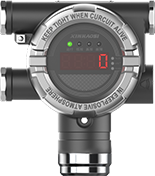
Detection Systems for Precision Sensing and Safety in Harsh Workplaces.

Gas Detectors Providing Active Safety for Homes and Service Locations.
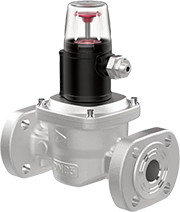
Gas Solenoid Valves Built for Source-Level Containment and Shutdown.
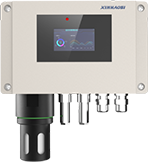
Smart Sensing and Monitoring Infrastructure for Municipal Networks.
Solenoid valves operate in diverse thermal, physical, and chemical conditions. Implementing the proper configurations ensures safety, efficiency, and compliance across various applications:
In refining and petrochemical facilities, gas pipelines contain highly flammable substances under high pressures. These systems use explosion-proof solenoid valves, often with flameproof housings (Ex d) or intrinsically safe designs (Ex i), to isolate gas flows rapidly in case of an alarm trigger.
Commercial building safety codes require automatic shutdown capability in boiler rooms. When paired with gas alarms, gas solenoid valves can shut off fuel supply lines instantly during emergency conditions, preventing vapor buildup and explosions.
Modern homes with gas appliances are increasingly fitted with domestic gas shut-off valves. Designed to close during sensor-detected leaks, these valves require a manual reset to ensure safety is verified before restarting system flow.
Expert insights on design details, operational safety, and application customization for industrial gas control systems.
Explore our industrial smart valves, domestic combustible gas detectors, and infrared flame sensors built for precise flow management and alarm triggers.

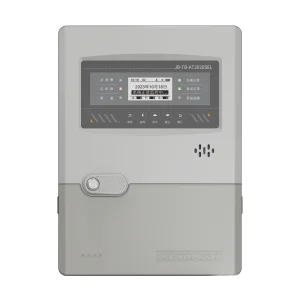
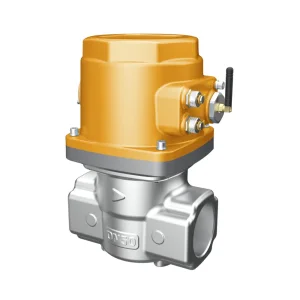
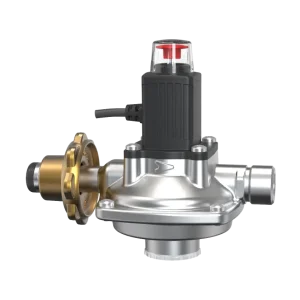
We work with leading enterprises globally to provide industrial, commercial, and urban gas safety installations.
























Stay tuned for the latest updates from Xinhaosi & the Industry.