Benzene (C6H6) is a notorious volatile organic compound (VOC) classified as a Group 1 carcinogen. In industrial safety management, monitoring benzene presents a unique challenge: it is toxic at parts-per-billion (ppb) thresholds, yet standard volatile organic detectors lack the selectivity to distinguish benzene from companion hydrocarbons like toluene, xylene, and ethylbenzene.
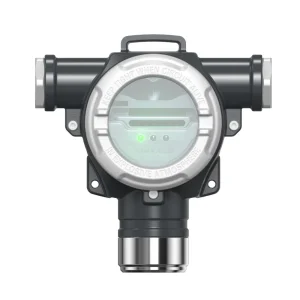
As a leading OEM Benzene Detector Manufacturer, Xinhaosi leverages photoionization detection (PID) principles integrated with tailored optical filters and specialized pre-filtration tubes. Our sensors selectively ionize benzene molecules using specialized 10.6 eV gas-discharge lamps, minimizing false alarms and shielding the signal from interference by heavier aromatics or humidity spikes.

Built upon a decades-long heritage of reliability and cutting-edge sensor research.
Founded in 2003, Xinhaosi has spent over two decades developing elite gas detection devices, industrial safety control valves, and intelligent data transmission gateways. We integrate advanced hardware engineering with software systems to provide complete protection across urban gas networks, petrochemical complexes, and domestic safety systems.
Our systematic technological approach eliminates unknown gas leak risks from industrial landscapes.
Specifically calibrated UV output to target Benzene molecules while avoiding ionization of common background solvents, ensuring zero baseline drift.
Proprietary filter tubes absorb interfering volatile organic compounds before they hit the ionization cell, allowing true benzene-specific readings.
Our OEM firmware is designed to meet strict SIL-2 functional safety metrics, providing double reliability redundancy for critical operations.
From petrochemical facilities to high-volume manufacturing hubs, benzene detection is crucial for safety and environmental protection. Continuous monitoring prevents acute exposure and guarantees compliance with local environmental standard parameters.
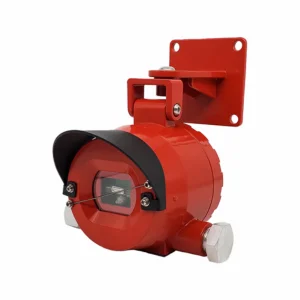
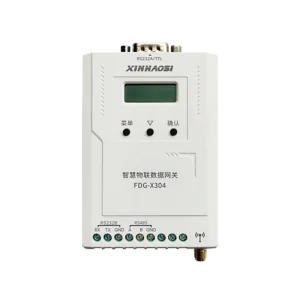
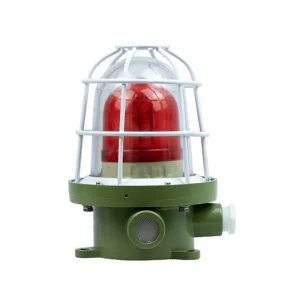
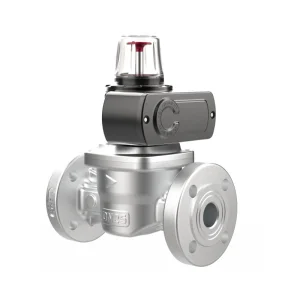
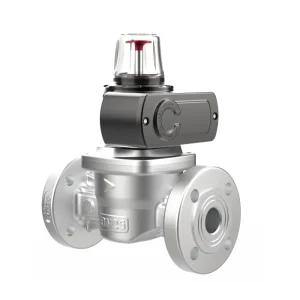
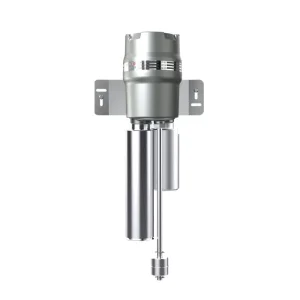
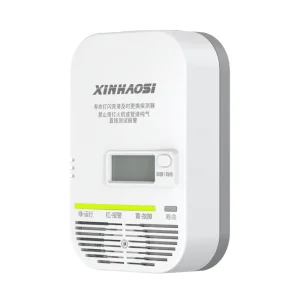
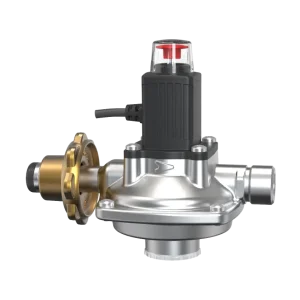
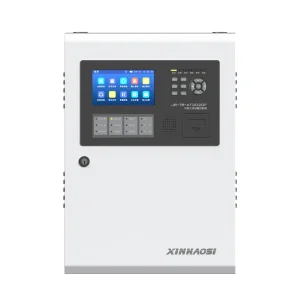
Xinhaosi develops complete target gas safety loops. In crude oil refineries, petrochemical processing plants, and coke ovens, our custom Benzene PID sensors feed live telemetry directly to our FDG-X304 Intelligent Data Gateways. These systems instantly trigger our high-output BBJ-24X Explosion-proof sound and light alarms and close fuel sources using robust BT-XF5 industrial gas valves during high-level alert events.
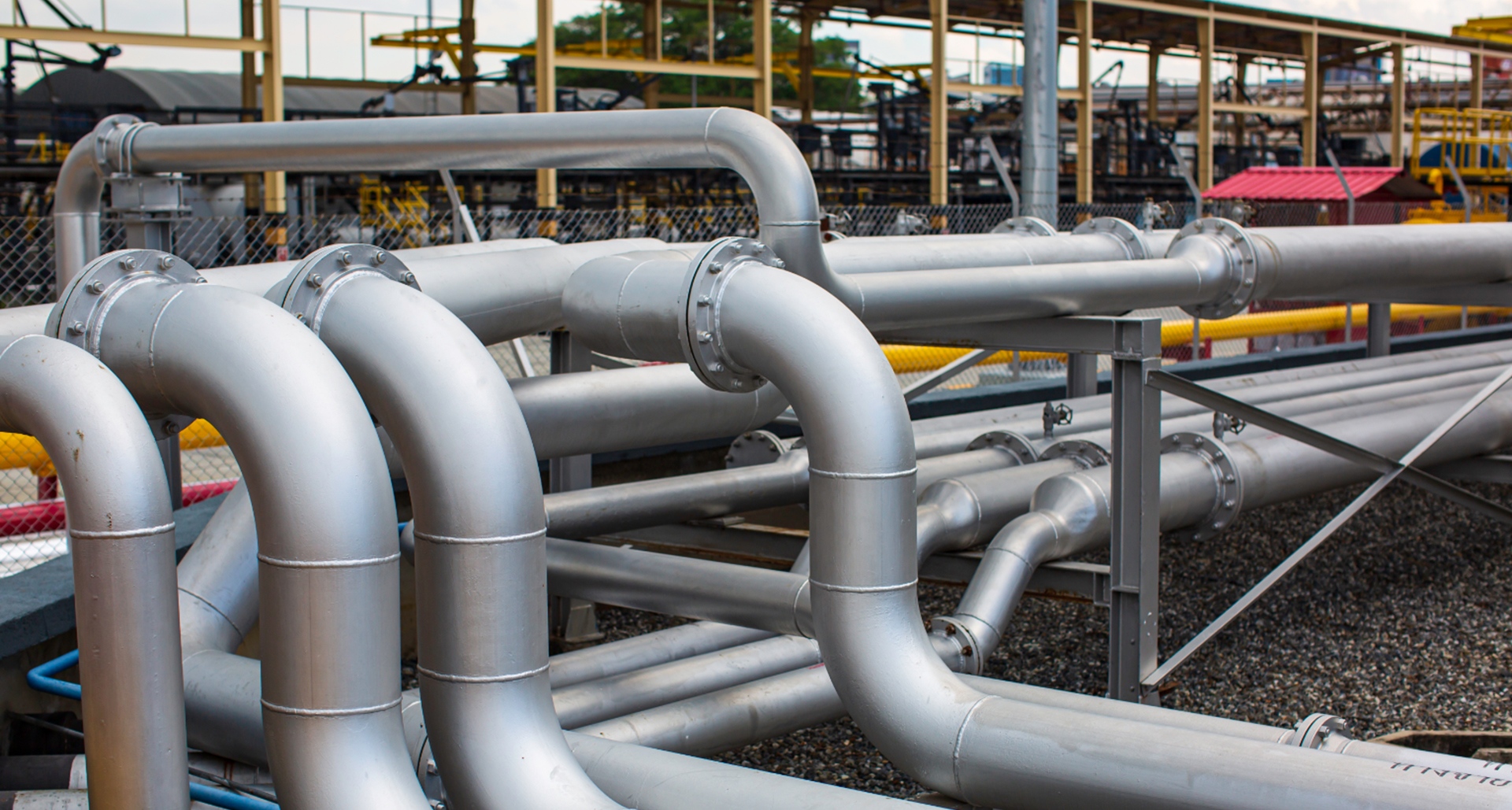
Adapting safety designs to match industrial digitalization and smart infrastructure trends.
Integrating ultra-low power wireless communication protocols inside fixed transmitters. This layout simplifies remote installations and avoids costly wiring in hazardous plant areas.
Developing next-gen solid-state PID lamps to extend sensor lifespans. This innovation lowers maintenance requirements while providing reliable ppm measurements.
Integrating cloud diagnostics to predict sensor deterioration. Our smart gateways anticipate sensor component failures before they compromise plant safety.
Deploying hybrid sensor grids that cross-check PID signals with thermal conductivity measurements. This step helps verify target VOC signatures in complex industrial backgrounds.
Xinhaosi provides safety equipment and technical support to top-tier international businesses.
























In-depth insights into engineering safety, sensor design, and industry-specific regulations.
Explore recent updates, product launches, and collaborative partnerships from Xinhaosi.
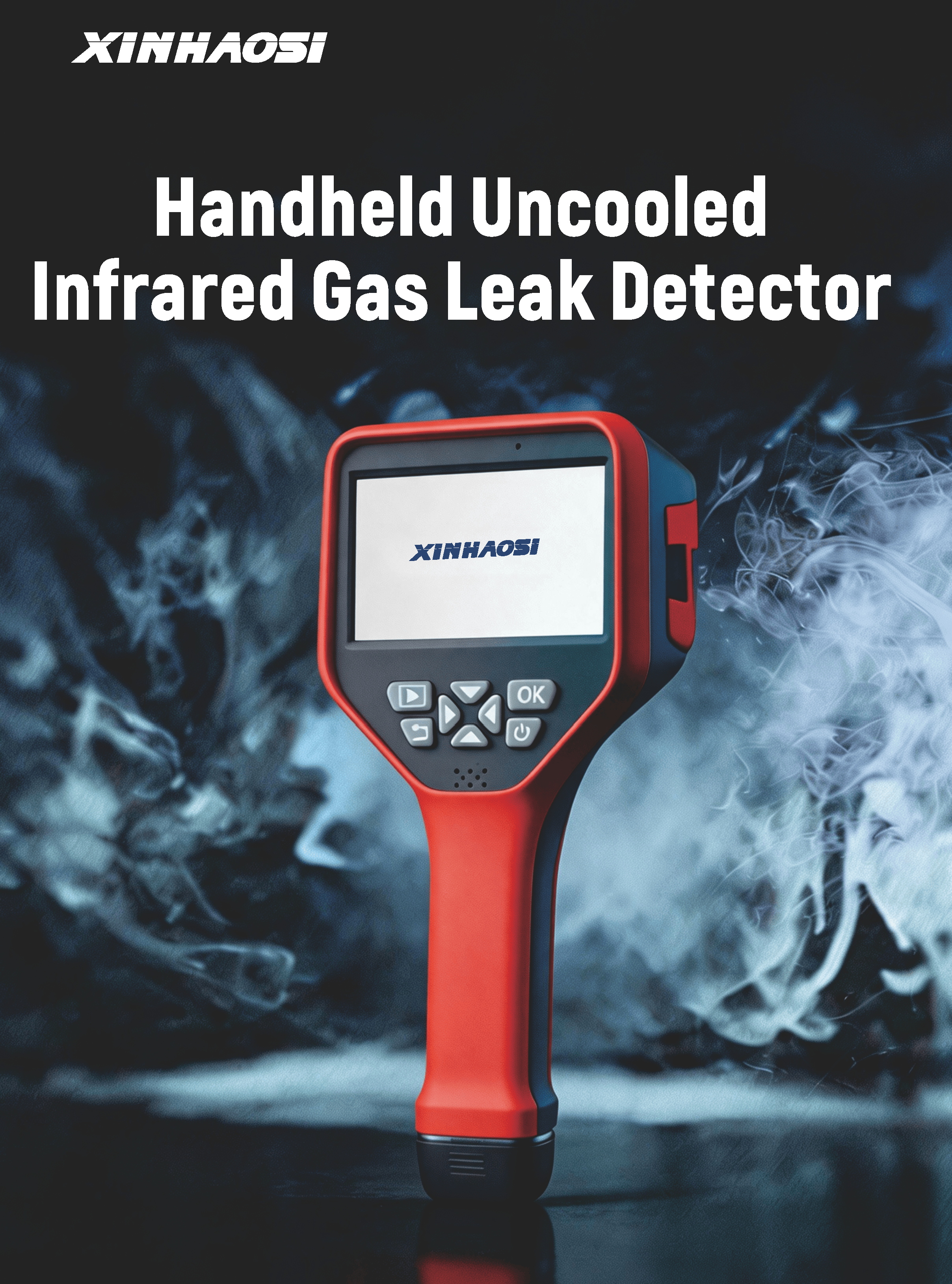
This new handheld detector uses dual-technology fusion to provide fast response and long-distance, non-contact gas leak identification. Ideal for petrochemical, refrigeration, and complex industrial sites.
Read Article →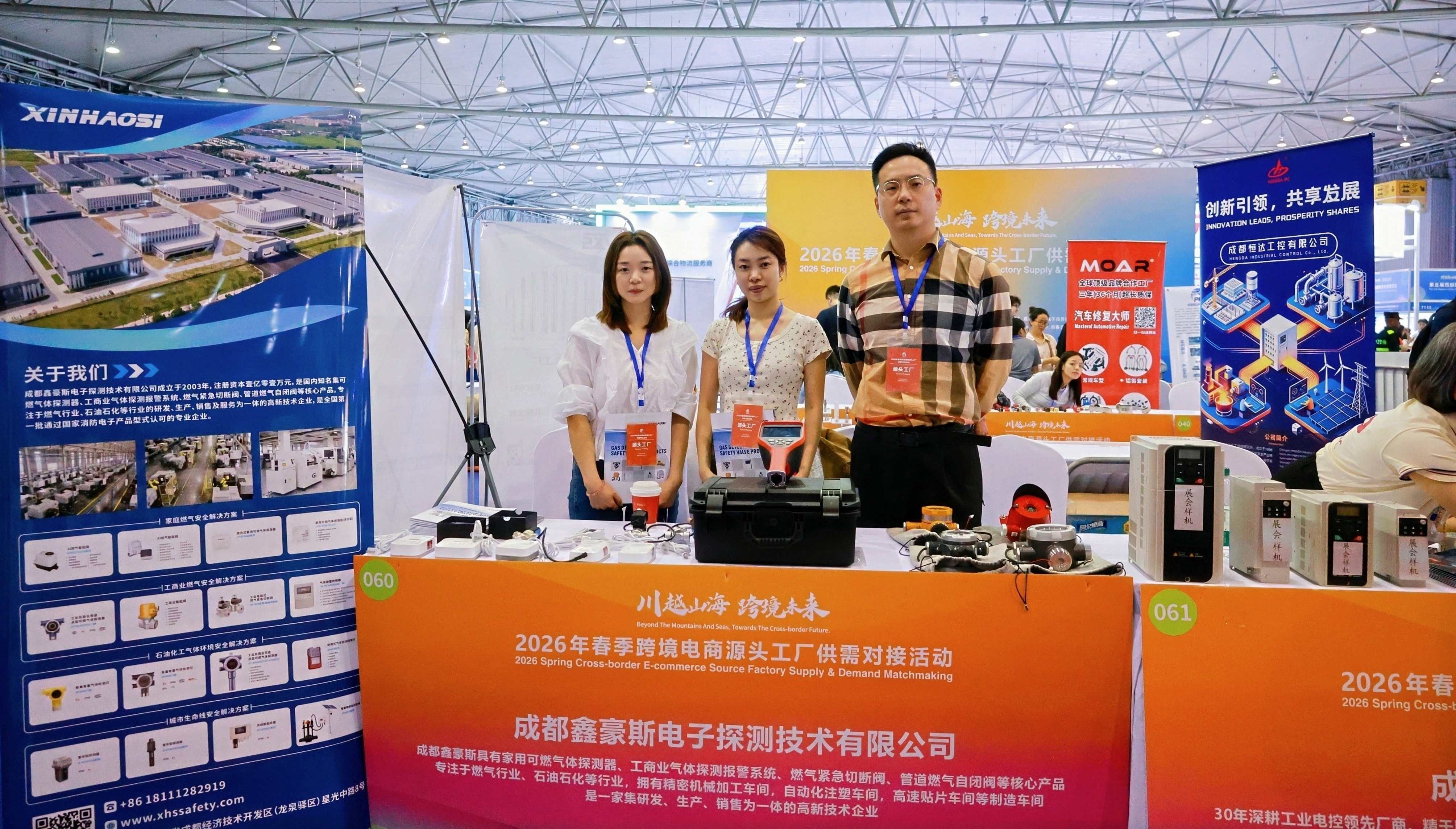
We connected with international buyers, developers, and global distributors in Chengdu, creating new paths for supply chain cooperation and overseas market growth.
Read Article →
Xinhaosi joined regional partners to discuss industrial safety and export opportunities in Southeast Asia, helping to expand safety standards across the region.
Read Article →